By DW & Associates
There is a particular kind of quiet that only a home library can offer. It is the tranquility of a room designed for lingering, where the light falls just right in the late afternoon and every spine on the shelf represents a story you chose to keep close. Whether you have been collecting books since childhood or you are just beginning to imagine a dedicated reading space in your Palm Desert home, setting up a library is one of the most rewarding projects you can take on. It rewards you every single day, long after the last shelf is mounted.
The good news is that a beautiful home library does not require a grand estate or a two-story room with rolling ladders, though those are lovely too. What it requires is thoughtful planning, an honest look at how you actually read, and a few design choices that make the space feel unmistakably yours. A well-built library reflects your taste as clearly as any piece of art on the wall, and it can quietly raise the appeal of your home when the time comes to sell.
This guide will walk you through the practical decisions and creative touches that turn a pile of books and an empty corner into a room you will love returning to. From shelving and lighting to climate considerations unique to the desert, here is how to build a home library that feels intentional, comfortable, and entirely your own.
Key Takeaways
- Choosing the right location and shelving system is the foundation of a library that feels both functional and beautiful.
- Lighting shapes the mood of the room and protects your books from the intense desert sun.
- A comfortable seating arrangement transforms a storage space into a place you actually want to spend time.
- Organizing your collection thoughtfully makes the room feel curated rather than cluttered.
- Small personal details, such as art and objects, give the space warmth and make it uniquely yours.
Choosing the Right Location and Shelving
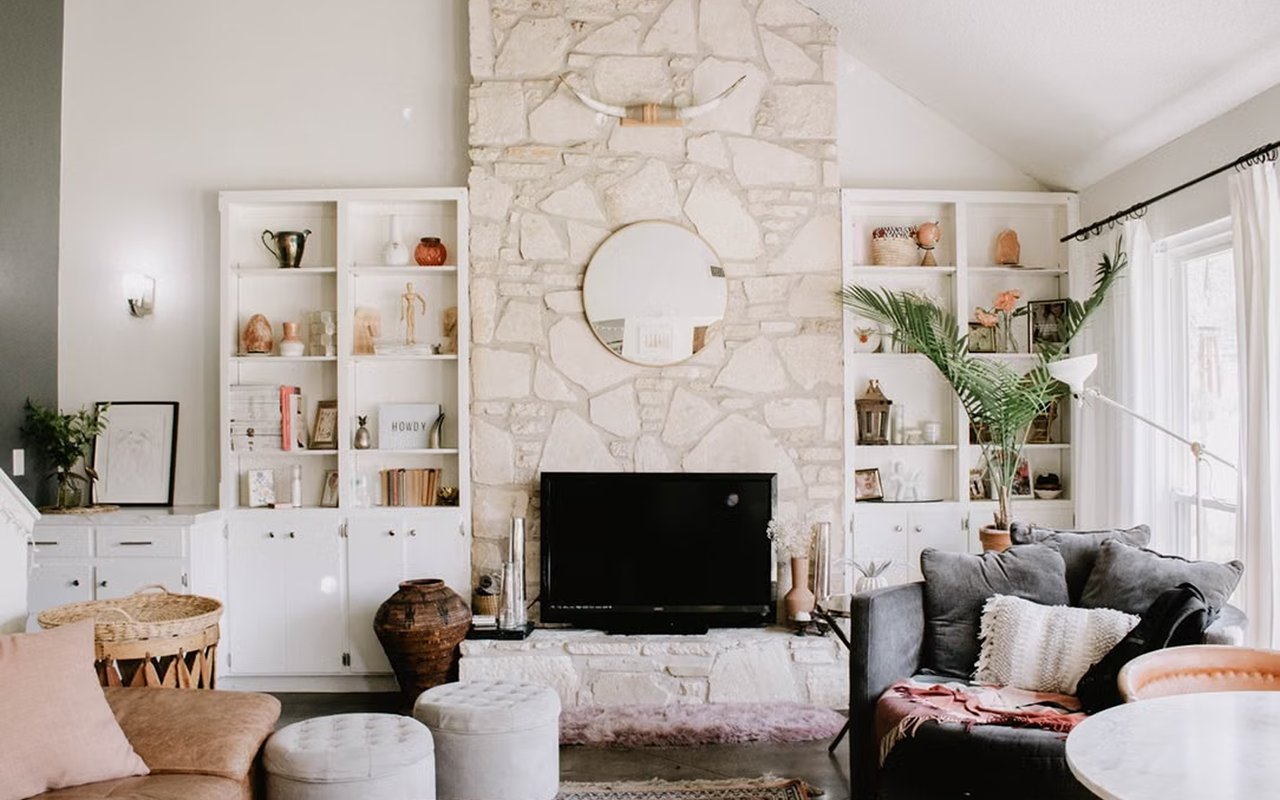
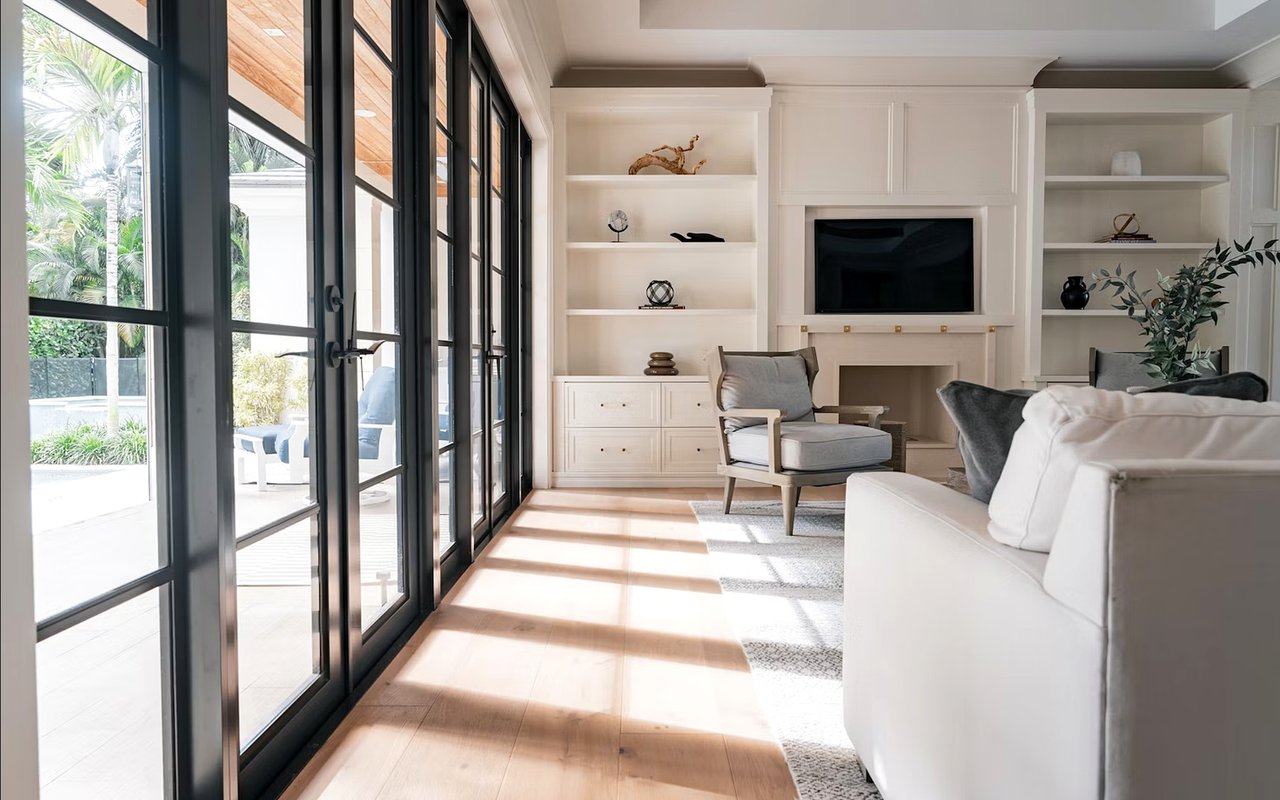
The first decision is also the most important: where will your library live? You do not need an entire spare room, although a converted den or a guest bedroom can be ideal. A wide hallway, a sunlit alcove, or the wall space flanking a fireplace can all become a home library with the right shelving. Look for a spot that feels a little removed from the busiest parts of the house, so the room can hold onto its sense of calm.
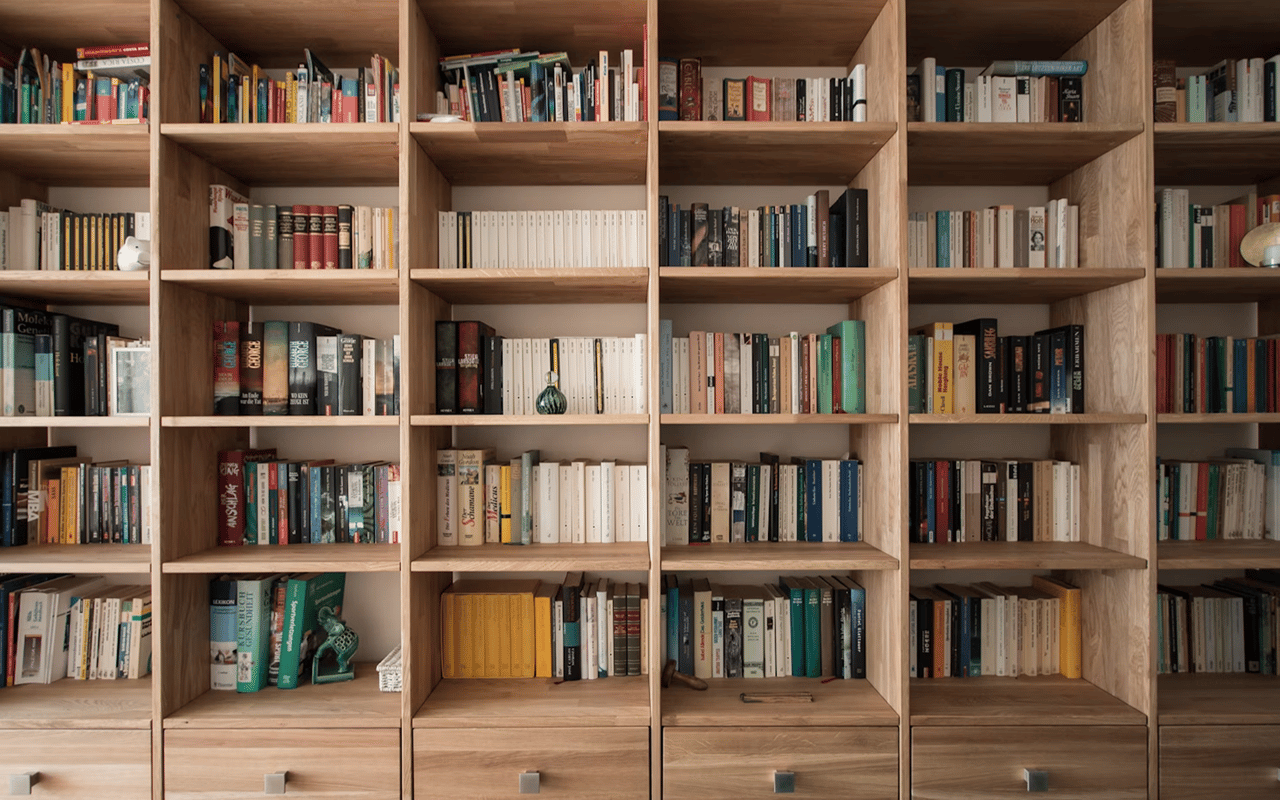
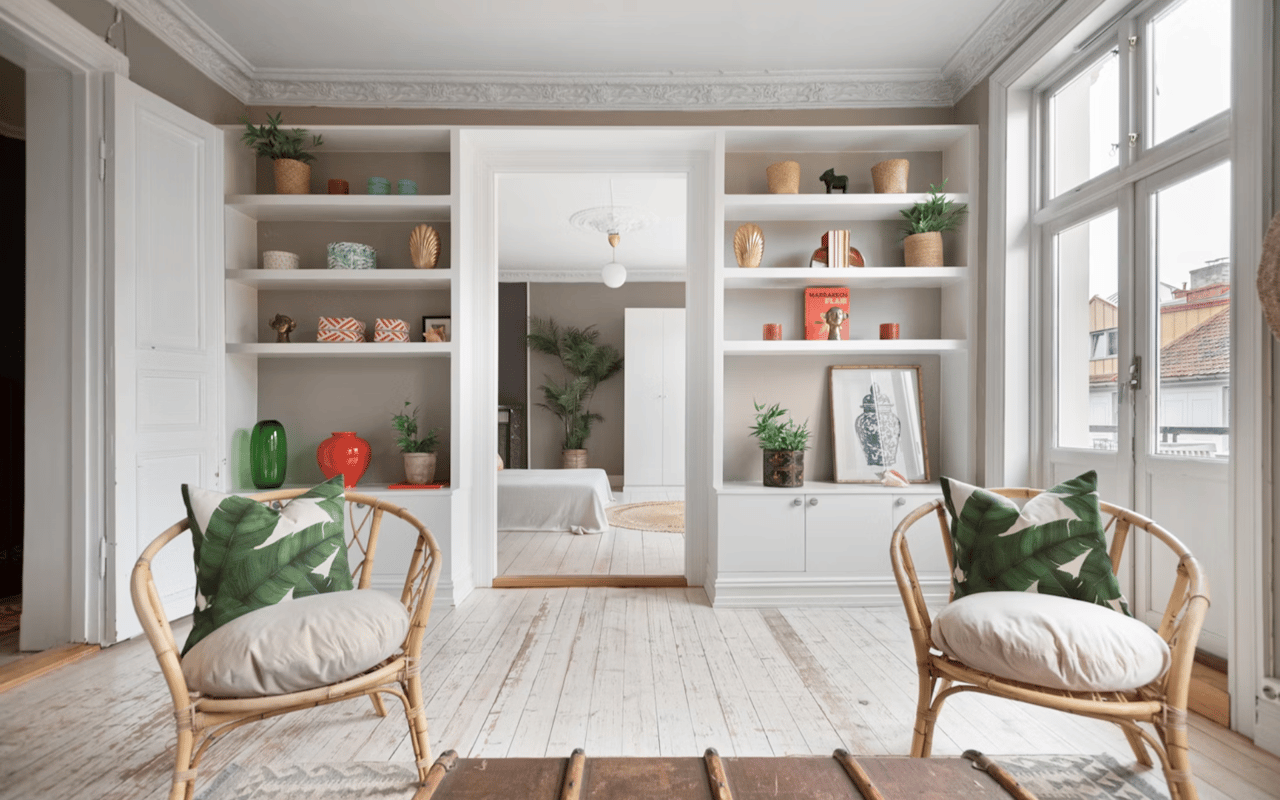
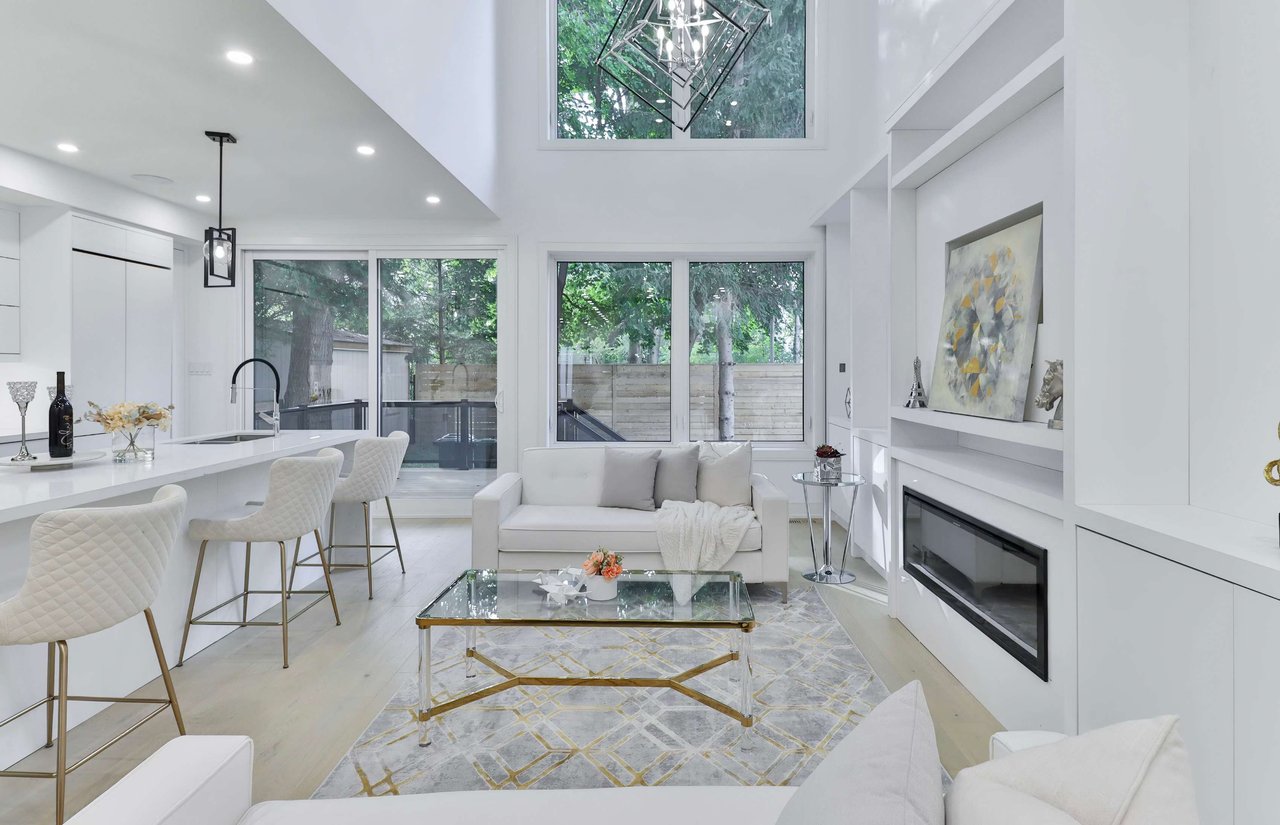
Once you have chosen the location, think carefully about shelving. Built-in bookshelves offer the most polished, permanent look and can be designed to fit your exact wall dimensions, which is especially useful in homes with unusual angles or tall ceilings. Freestanding units give you flexibility and are a smart choice if you might rearrange down the road. Whatever you choose, prioritize adjustable shelves. Books come in wildly different heights, and fixed shelving forces you to either waste vertical space or leave taller volumes lying awkwardly on their sides.
Depth matters more than most people expect. Standard shelves are often too shallow for oversized art books or vinyl records, so plan for at least eleven to twelve inches of depth if your collection includes larger formats.
What To Look For In Shelving
- Adjustable shelves that can accommodate books of varying heights without wasted space.
- Sturdy materials, such as solid wood or high-quality plywood, that will not sag under the weight of a full collection.
- A depth of at least eleven inches to hold larger art books, atlases, or records.
- A finish that complements your existing interior, whether that means warm walnut tones or a clean painted white.
- Enough total linear footage to hold your current collection with room to grow over the years.
Lighting the Space Beautifully and Practically
Lighting can make or break a home library, and in the desert, it carries an extra responsibility. The Palm Desert sun is generous and bright, which is wonderful for so many reasons, but direct sunlight is the enemy of a well-kept book collection. Prolonged exposure fades spines, yellows pages, and warps bindings over time. The goal is to bathe the room in warm, comfortable light while keeping your books shielded from harsh, direct rays.
Start with layered lighting. Overhead fixtures provide general illumination, but they are rarely enough on their own for comfortable reading. Add a dedicated reading lamp beside your favorite chair, positioned so the light falls over your shoulder and onto the page. Wall sconces mounted between or above shelving sections add both function and a touch of elegance, drawing the eye upward and making the whole room feel considered.
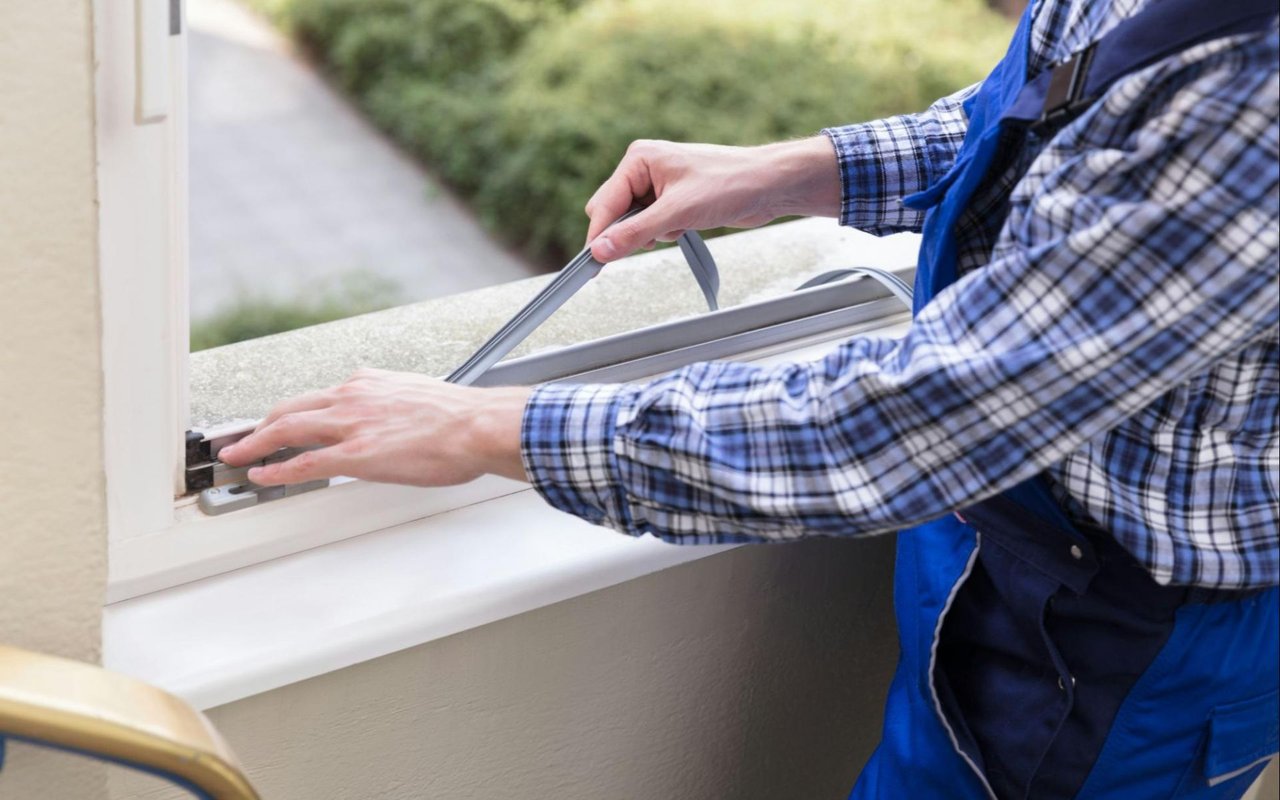
For the windows, consider treatments that filter light rather than blocking it entirely. Sheer shades or UV-filtering window film let you enjoy the desert brightness while protecting your collection. This lets the room stay luminous and inviting without sacrificing the longevity of the books you have invested in.
How To Layer Your Lighting
- Install overhead fixtures on a dimmer so you can adjust the mood from bright reading light to a soft evening glow.
- Place a focused reading lamp beside each seat, angled to illuminate the page without glare.
- Add sconces along the shelving to highlight the collection and create visual warmth.
- Use UV-filtering window film or sheer shades to protect books from direct desert sunlight.
- Choose warm-toned bulbs in the 2700K range for a cozy, welcoming atmosphere.
Creating a Comfortable Reading Nook
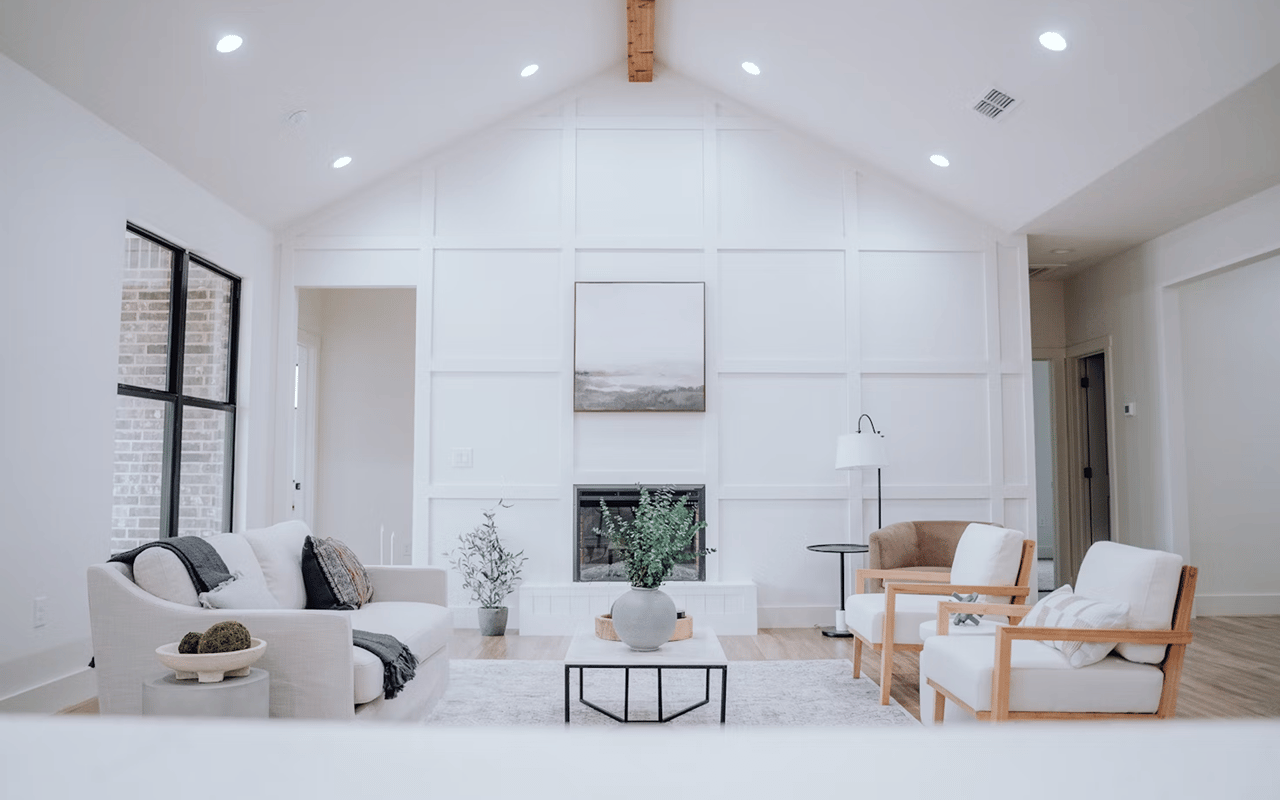
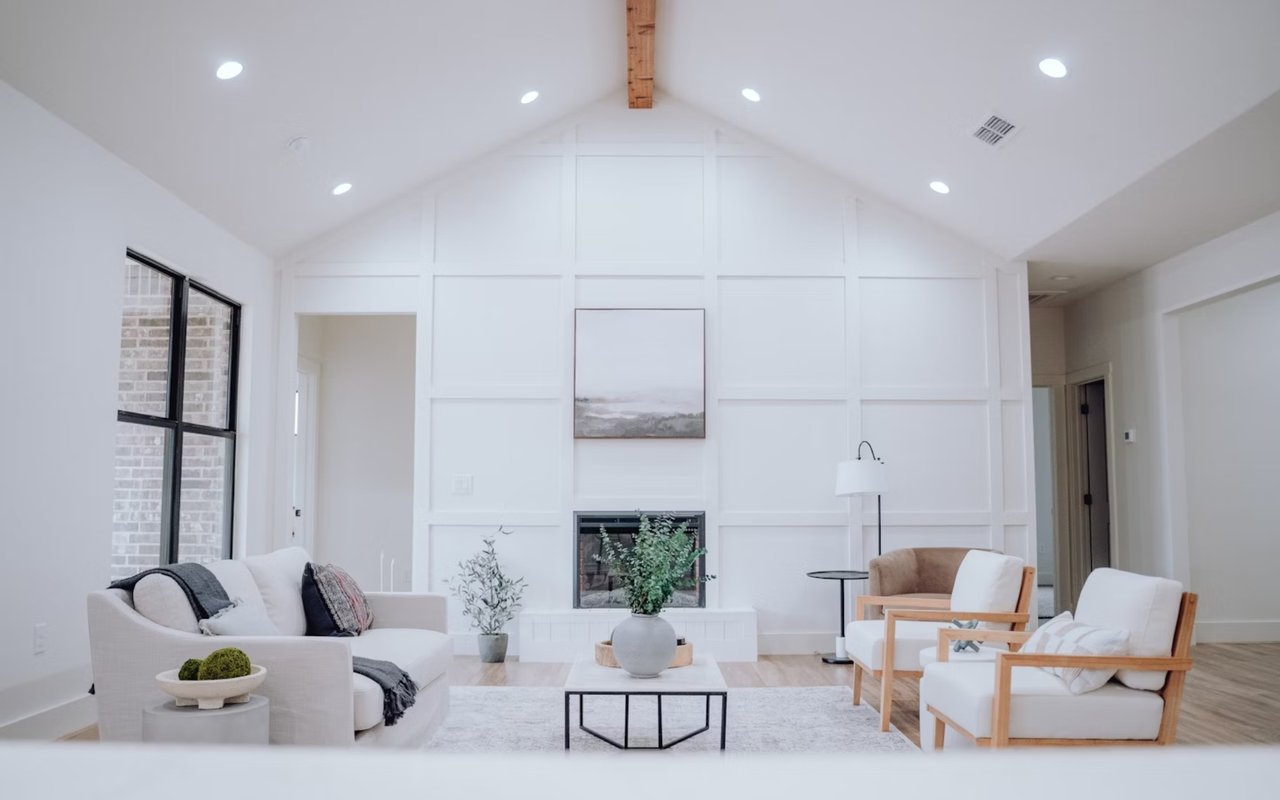
A wall of beautiful books means little if there is nowhere inviting to sit and enjoy them. The seating is what transforms a storage room into a true retreat, so give it real thought. A deep armchair with an ottoman, a chaise positioned near a window, or a well-cushioned window seat can all anchor the space and invite you to stay a while.
Comfort should always come first, but do not overlook scale. An oversized sofa can overwhelm a small alcove, while a delicate accent chair may feel lost in a larger room. Choose seating proportional to the space, and pair it with a small side table sturdy enough to hold a stack of books, a cup of tea, and a lamp. A soft area rug underfoot adds warmth and helps absorb sound, which deepens that library hush you are trying to create.
Think about temperature comfort, too. A throw blanket for cooler desert evenings and a well-placed ceiling fan for warmer afternoons make the room usable year-round. The more comfortable the space feels in every season, the more you will actually use it.
Elements Of A Cozy Reading Nook
- A supportive, deep chair or chaise that encourages long stretches of reading.
- A side table within easy reach for drinks, books, and eyeglasses.
- A soft area rug that adds warmth and softens the acoustics of the room.
- Textiles, such as throw pillows and a light blanket, layered for comfort.
- A ceiling fan or nearby airflow to keep the space pleasant during warm desert afternoons.
Organizing and Personalizing Your Collection
How you arrange your books says as much about the room as the shelves themselves. There is no single correct method; the best system is the one that helps you find what you want while keeping the shelves visually pleasing. Some readers organize by genre or subject, others alphabetize by author, and some arrange by color for a striking, gallery-like effect. You can even combine approaches, keeping reference books grouped together while arranging fiction by mood.
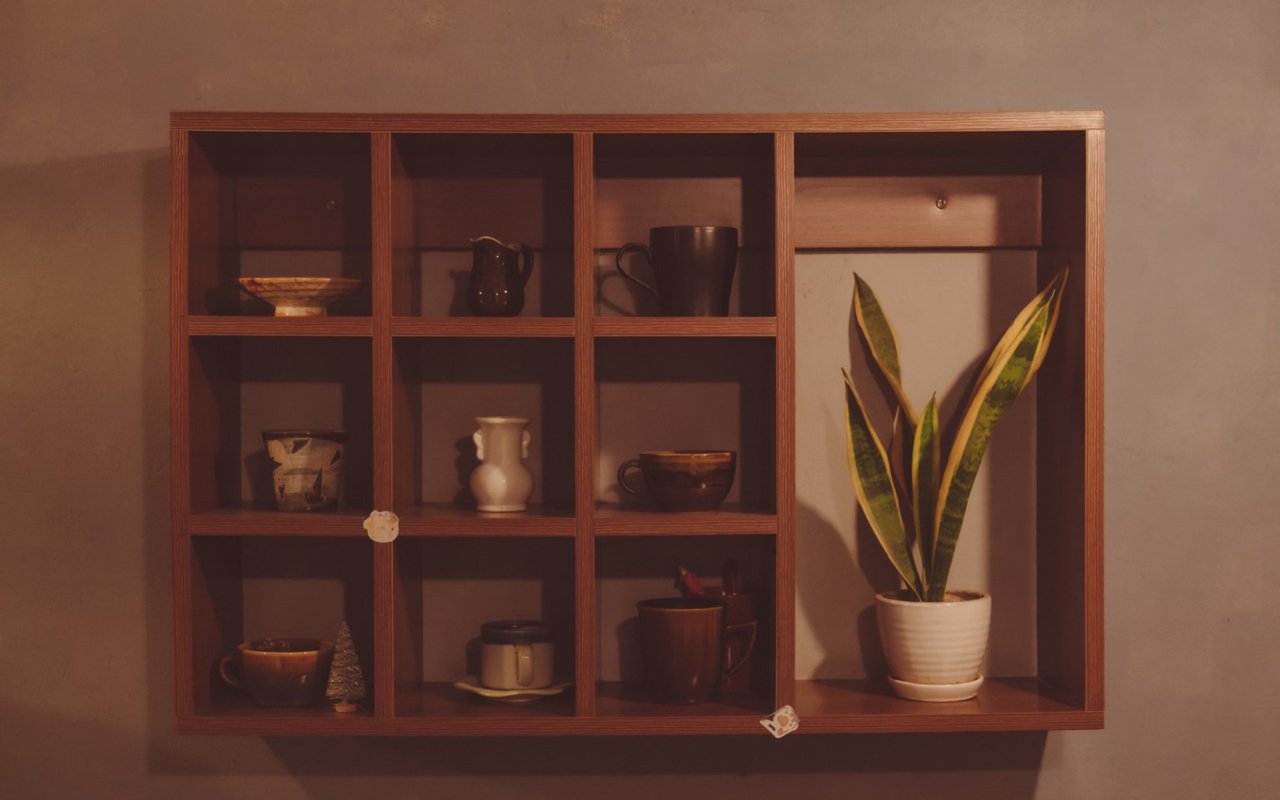
Leave a little breathing room. Shelves packed wall to wall can feel oppressive, so mix vertical stacks with a few horizontal ones, and let some space open up for objects. This is where the room becomes personal. A framed photograph, a piece of pottery, a small sculpture, or a plant tucked between volumes gives the eye somewhere to rest and tells the story of who you are.
Finally, resist the urge to fill every inch immediately. A great library grows over time, and leaving room for future additions means the space can evolve alongside your reading life rather than freezing in place the day you finish it.
Ways To Style Your Shelves
- Group books by genre, author, or color depending on how you like to browse.
- Mix vertical and horizontal stacks to create visual rhythm along each shelf.
- Incorporate objects like framed art, ceramics, or a small plant to break up the rows.
- Leave intentional negative space so the shelves feel curated rather than crowded.
- Reserve open shelving for future purchases so the collection can keep growing.
FAQs
How Many Books Do I Need To Start A Home Library?
There is no minimum. A home library is defined by intention, not volume. Even a single well-designed bookcase with a comfortable chair beside it qualifies as a library if it is a space you have set aside for reading. Start with the books you love most and build from there over time.
What Is The Best Shelving Material For A Desert Climate?
Solid wood and high-quality plywood both perform well, but the more important factor is keeping the shelving away from direct sunlight and temperature swings. Interior walls are ideal. If you place shelving near a window, protect the room with UV-filtering film so the heat and light do not affect the wood or the books over time.
How Do I Protect My Books From Fading In Palm Desert?
The main culprit is direct sunlight, so position your shelves on interior walls whenever possible and filter any strong light with sheer shades or UV window film. Keeping the room at a stable, comfortable temperature also helps preserve bindings and pages for the long term.
Can A Home Library Add Value To My Home?
When thoughtfully designed, built-in shelving and a well-appointed reading space can appeal to buyers who appreciate custom, functional rooms. A library signals care and character, both of which help a home stand out. Our team can advise you on which improvements tend to resonate most with buyers in the Palm Desert area.
Your Next Chapter Starts Here
A home library is more than a place to store books. It is a room that reflects your curiosity, invites you to slow down, and quietly enriches your home for years to come. With the right shelving, considered lighting, comfortable seating, and a few personal touches, you can create a space that feels both beautiful and deeply your own.
If you are dreaming of a home with room for a library like this, or if you are curious how a space like this might factor into the value of your current property, we would love to help. Our team at DW & Associates knows the Palm Desert real estate market, and we are always ready to guide you toward a home that fits the way you want to live. Reach out to us today, and let's find the perfect place for your next chapter.