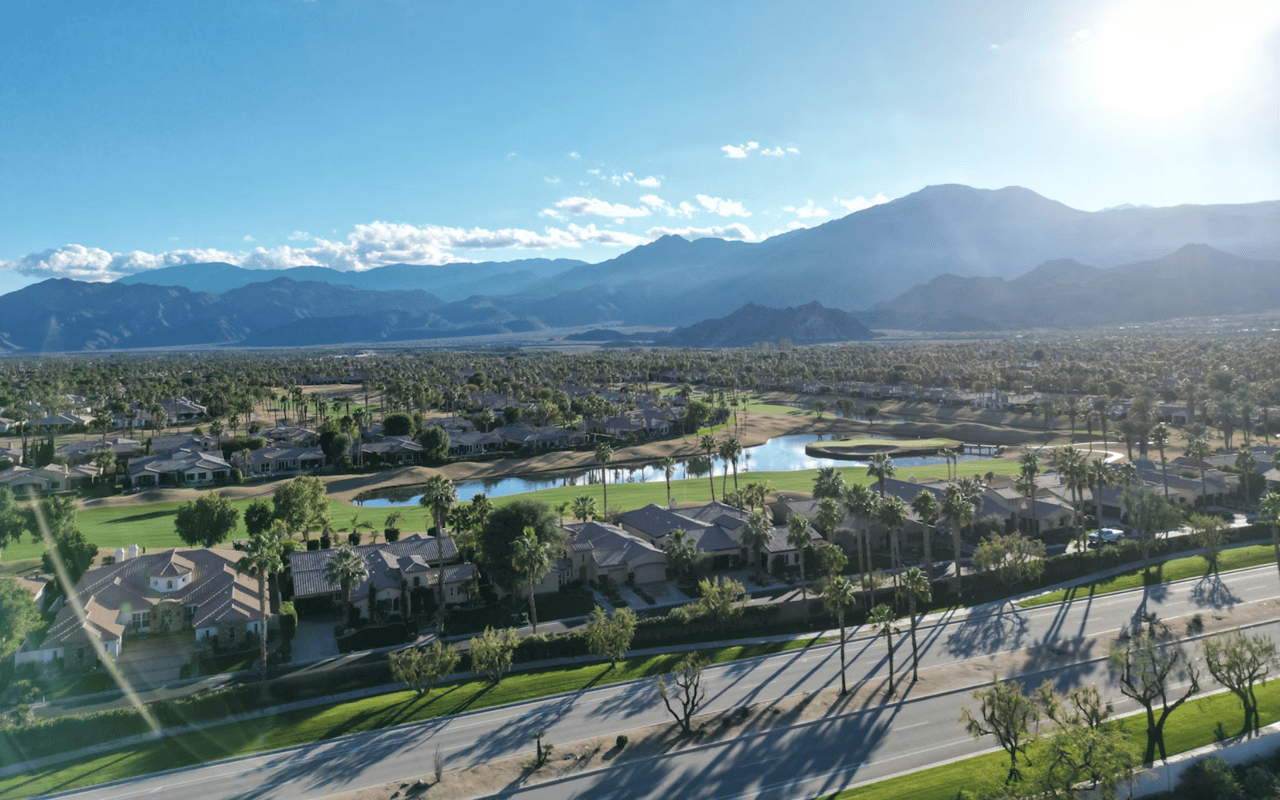
Sometime around mid-October, the greens crew at Trilogy Golf Club at La Quinta will shut the gates for about four weeks to overseed the fairways for winter play. Carts get parked. Tee sheets go quiet. Then the course reopens, green and ready, right as the desert's real season gets underway. It is the kind of closure that shows up on golf club calendars across the Coachella Valley every fall without anyone giving it a second thought.
For Trilogy, that kind of boring, scheduled, purpose-driven closure is new. And that is exactly why it is worth noticing.
What three years of closure actually looked like
As Alabama Golf News reported, Trilogy's golf course was closed from 2021 until late 2024. This was an ownership problem, not a routine maintenance break. At the time, the club was operating under the name Coral Mountain Golf Club after a string of outside owners, and bankruptcy left the property in limbo. Residents looking out their back windows saw dead fairways with knee-high weeds, a broken irrigation system, and a shuttered clubhouse being used as an ad hoc snack bar. Six irrigation ponds that once served as water hazards became stagnant, and the county brought in fish to eat the mosquito larvae breeding in them. The HOA mowed the course once during that stretch, after homeowners pushed for it.
That is not a closure with an end date. That is a neighborhood staring at a dead asset it did not control.
The vote that changed the math
Trilogy at La Quinta has 1,238 homes, each with one vote in HOA matters. In December 2023, after roughly twenty meetings, the community put a straightforward but expensive question to itself: buy the golf course, clubhouse, and restaurant outright, or keep watching them rot under someone else's ownership. When the tally came back in January 2024, 1,011 homes had voted yes, a supermajority north of eighty percent. The HOA completed the purchase for a reported $6.17 million, plus an undisclosed additional sum for equipment and irrigation upgrades.
As Fore Magazine reported, Mark Reider, president of the Trilogy at La Quinta Maintenance Association board, put the decision in blunt terms at the time:
"We had to do something. We needed to establish and then maintain control of our own destiny."
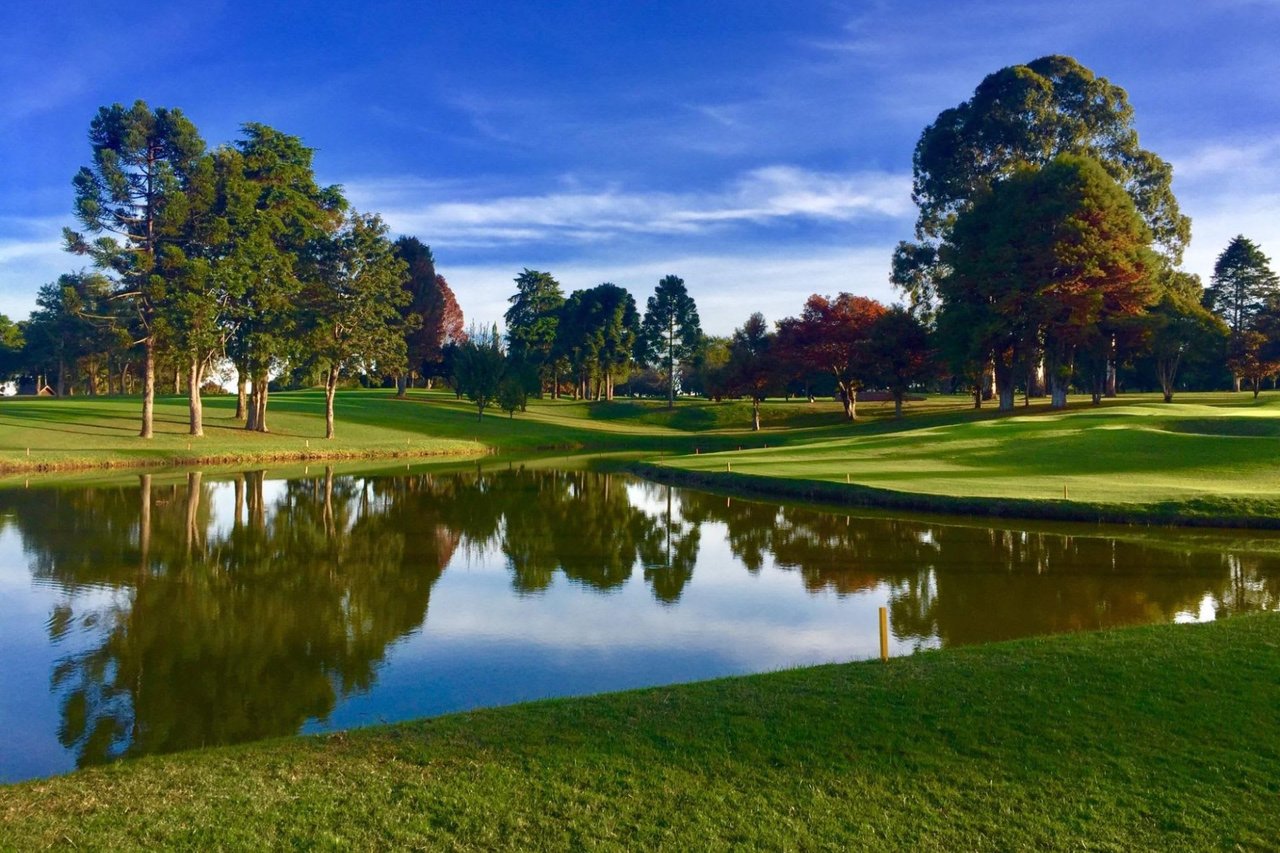
The HOA brought back BlueStar Resort & Golf, the same management company that had run the course when Shea Homes originally built it in 2002, and rehired Ernesto Alvarez, who had worked as assistant superintendent before the course went dark, to run the restoration on the ground. Crews shaved two inches of dead Bermuda off all eighteen greens plus two practice greens and replaced it with drought-tolerant mini verde Bermuda. Bunkers were relined and reshaped. Scores of intrusive acacia trees came out to open sightlines and let air and light reach the turf. New pumps and irrigation controls went in, along with thousands of repaired sprinkler heads. The course reverted to its original name, Trilogy Golf Club at La Quinta, and reopened in the fall of 2024.
Two clubhouses that never had a vote
What the purchase did not touch is worth pointing out, because it explains something about how the community actually functions day to day. Trilogy's social core runs through two buildings that stayed exactly as private as they had always been. The Santa Rosa Club, a roughly 21,000-square-foot campus with a fitness center, ballroom, and Café Solaz for coffee and casual meals, remains resident and guest only. So does the Coral Mountain Club, which houses the HOA's management offices, an on-site real estate desk, and a steady rotation of cooking classes, mahjong, and cards, and which recently finished its own remodel of the Game Room and a new Agave Room. Both spaces were designed by the same firm, The Design Collective Group, which kept the look consistent across the two clubs.
The golf course, the restaurant inside it, and the Coral Spa are a different category entirely. All three are open to the public. Which means the part of Trilogy that spent three years as a visible eyesore is now, by design, the most accessible part of the neighborhood to anyone driving by, while the part residents actually gather in daily stayed behind a gate the entire time.
Kitchen Ten Eleven earned the name, then earned an award
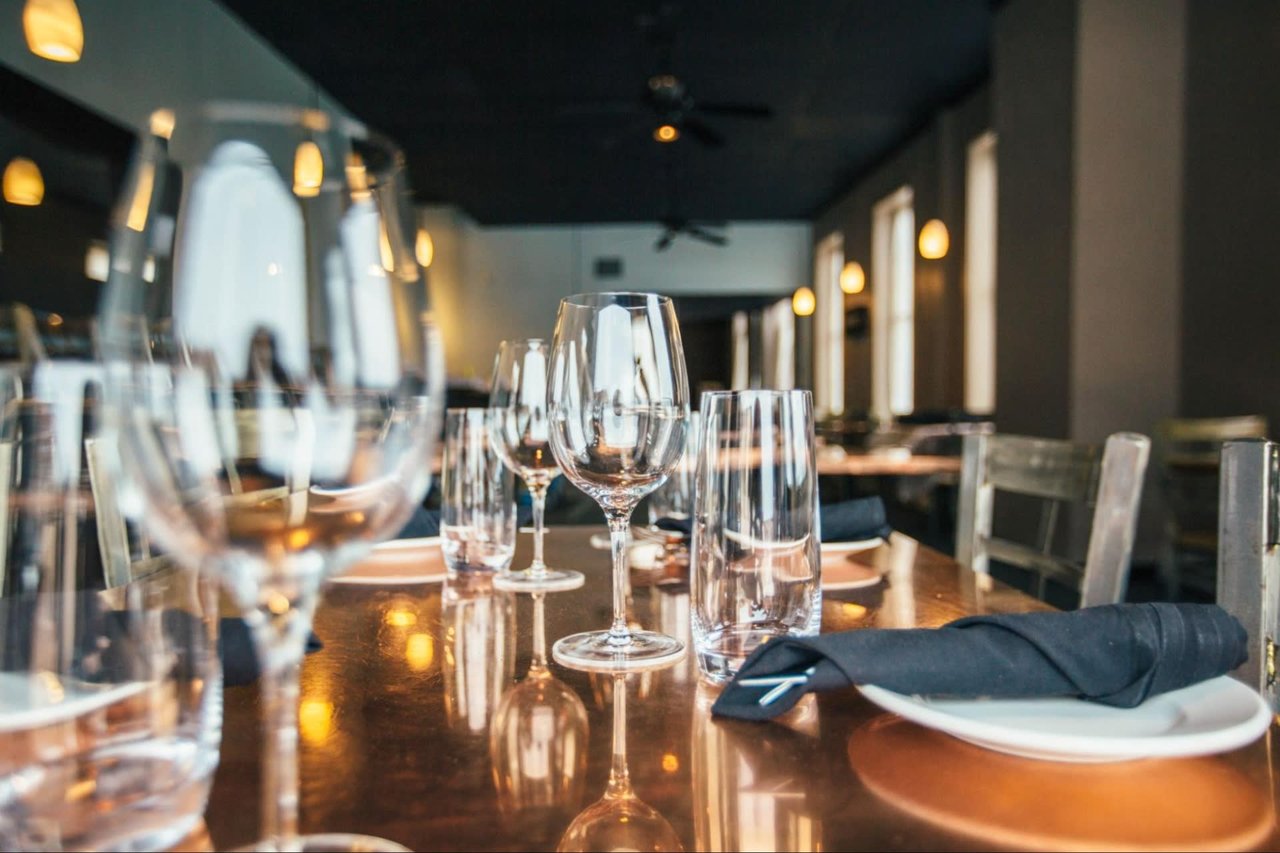
The restaurant that opened alongside the renovated golf shop in May 2025 carries the vote tally in its name. Kitchen Ten Eleven refers directly to the 1,011 yes votes that made the purchase possible, a naming choice the HOA has been upfront about since the day it opened. The space was rebuilt on the bones of the old clubhouse restaurant, with a relocated entrance that opens into a bar setting flowing into the main dining room, a high-top community table meant to encourage conversation among neighbors, hardwood millwork and breeze-block accents nodding to the desert's mid-century design language, and a three-sided fireplace anchoring the dining floor. The menu runs toward gourmet burgers, wood-fired pizza, and dishes like a shaved prime rib French dip, with La Quinta Brewing Co.'s Even Par IPA on draft for anyone who wants a local pour with dinner. It is closed Mondays and Tuesdays and open the rest of the week for lunch through dinner.
In March 2026, Golf Inc. named Kitchen Ten Eleven the winner of its Golden Fork Award for Best Remodeled Public/Resort Facility, putting it in the same company as other BlueStar-managed properties that have taken the honor in past years. For a restaurant that exists because of an HOA vote, that is a fairly significant nod from an industry that judges these things on design, menu creativity, and the actual guest experience, not sentiment.
The Skins Tees are still doing their job
Out on the course, the renovation kept a piece of Trilogy's history that predates the bankruptcy entirely. From 2003 through 2006, the club hosted the PGA Tour's Skins Game, drawing players like Tiger Woods, Fred Couples, Annika Sorenstam, and John Daly to compete over a Thanksgiving weekend broadcast. The rebuilt course brought back the original Skins tees, playing at nearly 7,200 yards, with signage at individual holes referencing that era. Hole 8 carries the marker "Couple's Cash Cow." Hole 15 is labeled "Tiger's Delight." When the course reopened, public tee times were set at $140 on weekdays and $160 on weekends, a price club leadership described as deliberately positioned below other daily-fee rack rates in the valley but above municipal course pricing, aimed at drawing back the same residents and outside golfers who used to treat Trilogy as a destination rather than an afterthought.
Why the boring closure is the point
None of this makes an overseeding closure interesting on its own. What makes it worth flagging is the contrast with what used to pass for a closure at Trilogy. A course that sat unwatered for years, with mosquito-breeding ponds and knee-high weeds, does not have a maintenance schedule. It has an emergency. The four-week window the club now posts every fall has a start date, an end date, and a purpose that has nothing to do with a bankruptcy filing or an HOA lawsuit. Residents who once watched dead fairways out their back windows are now the ones booking a table at Kitchen Ten Eleven the week before the greens close, and back on the tee sheet the week after they reopen.
That is what an ordinary season looks like when the alternative was three years of not having one at all.
If you already call Trilogy home, none of this changes your daily routine so much as it explains why the routine feels different than it did a couple of years back. If you are weighing a move into a Coachella Valley golf community and want a clearer read on how a place like Trilogy actually runs day to day, from clubhouse structure to what residents pay for and what they don't, the team at DWA Team spends its time inside these communities, not just around them. Reach out when you are ready to search all homes.
This article is general information, not legal, tax or financial advice. Consult a qualified professional about your situation.