Choosing a second home is not just about square footage or scenery. It is about how you want to spend your time when you arrive. If you are weighing Laguna Beach against Palm Desert, you are likely deciding between two very different rhythms of life, and this guide will help you sort out which one fits your goals best. Let’s dive in.
Two Second-Home Lifestyles
Laguna Beach and Palm Desert both appeal to lifestyle-driven buyers, but they deliver very different everyday experiences. One is compact, coastal, and shaped by the ocean. The other is sunny, resort-oriented, and built around recreation, club life, and seasonal use.
Laguna Beach is a small coastal city of 8.84 square miles with about 23,000 residents and roughly six million visitors each year. That creates a setting where beach access, walkable errands, galleries, and shoreline activity play a big role in daily life. If you want your second home to feel deeply connected to the Pacific, Laguna Beach naturally delivers that experience.
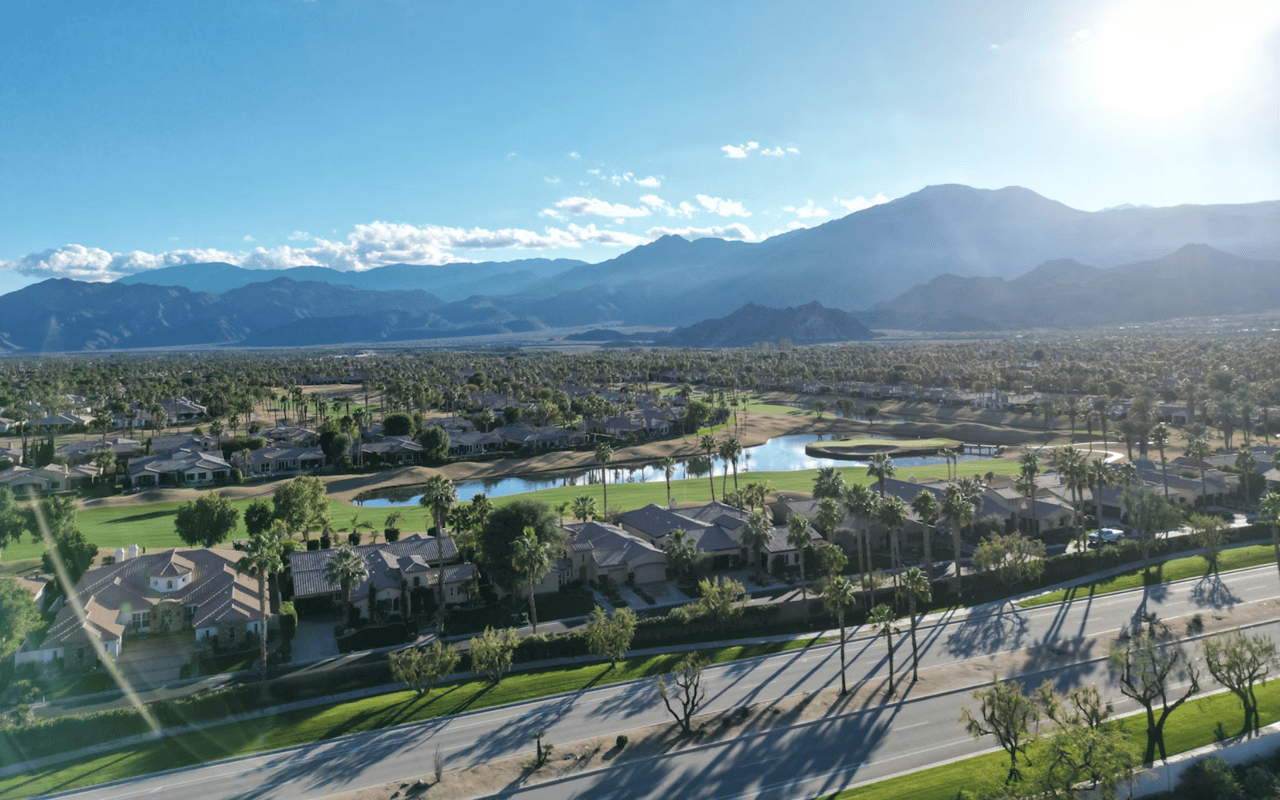
Palm Desert describes itself as the cultural and retail center of the desert communities. It has 53,087 permanent residents and another 32,000 seasonal residents, which tells you a lot about how the market functions. This is a place where part-time ownership, winter stays, and amenity-driven living are already part of the local pattern.
Laguna Beach: Ocean-Centered Living
If your ideal second home revolves around the coast, Laguna Beach offers a very specific kind of appeal. The city is known for beaches, tide pools, hiking trails, and a walkable downtown. It also has a strong arts identity, with public art, First Thursdays Art Walk, the Festival of Arts, the Sawdust Art Festival, Laguna Art Museum, and Laguna College of Art + Design helping shape the local atmosphere.
For many buyers, that means the home itself is only part of the draw. Your day might start with a beach walk, continue with lunch in town, and end with time at a gallery or local event. In Laguna Beach, the ocean is not just nearby. It often becomes the center of how you use the home.
The climate supports that coastal routine in a different way than the desert. Laguna Beach has a Mediterranean climate with mild winters, warm summers, and average annual rainfall of about 12 to 13 inches. Summer temperatures typically range from 59°F to 85°F, and the city notes that coastal morning fog in spring and summer is part of the pattern.
That softer climate is a major reason some buyers stay loyal to the coast. If you value sea breezes, cooler summer conditions, and an environment shaped by the shoreline, Laguna Beach checks those boxes. The trade-off is that the setting is compact, visitor-heavy, and influenced by marine weather.
Palm Desert: Resort-Style Desert Living
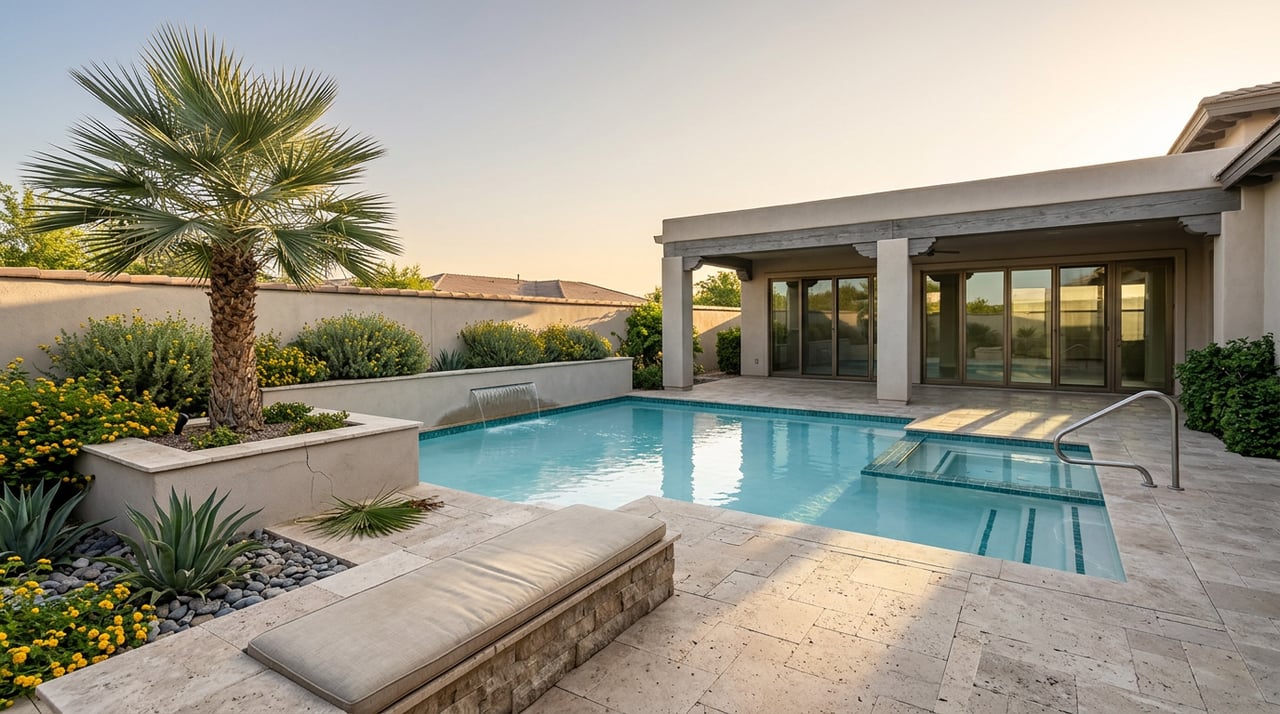
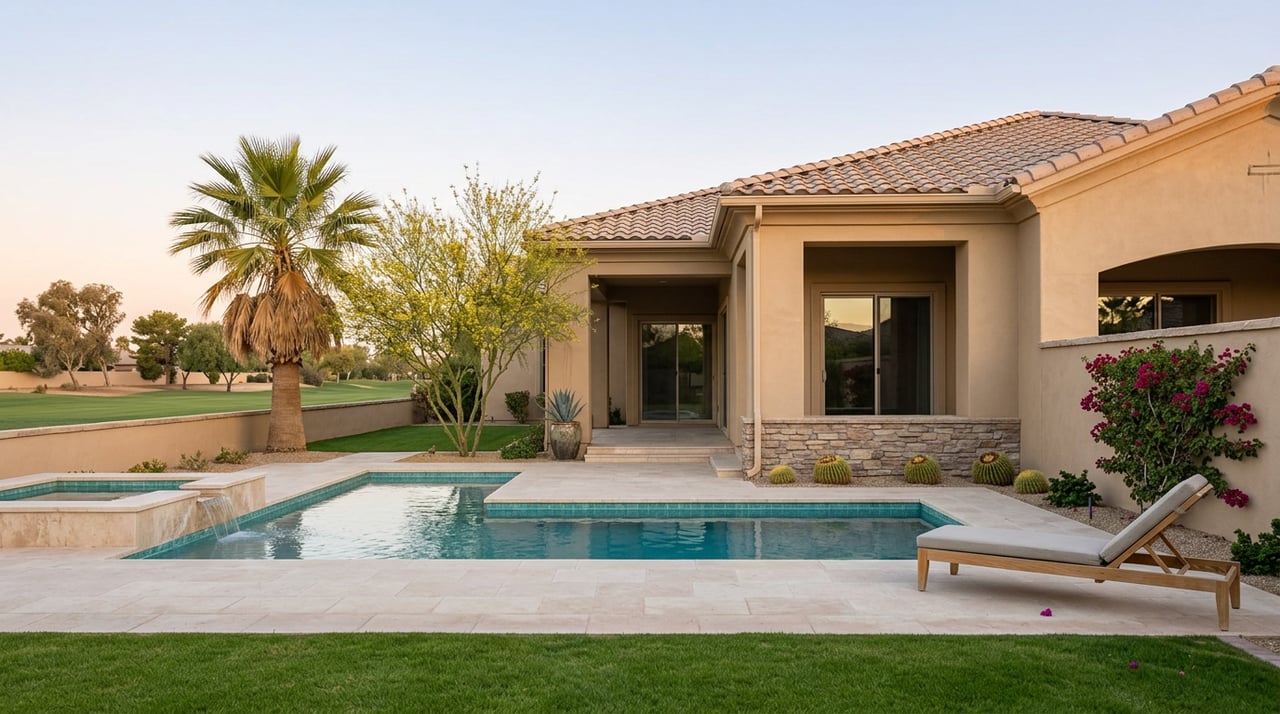
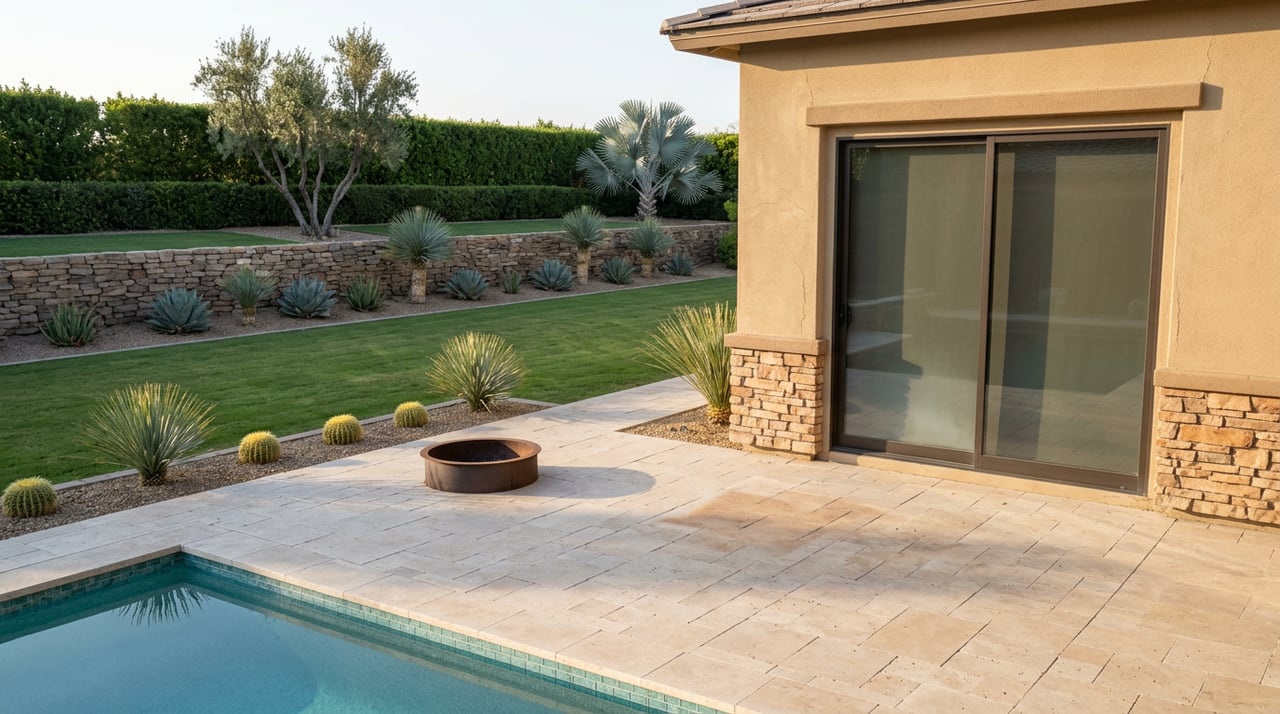
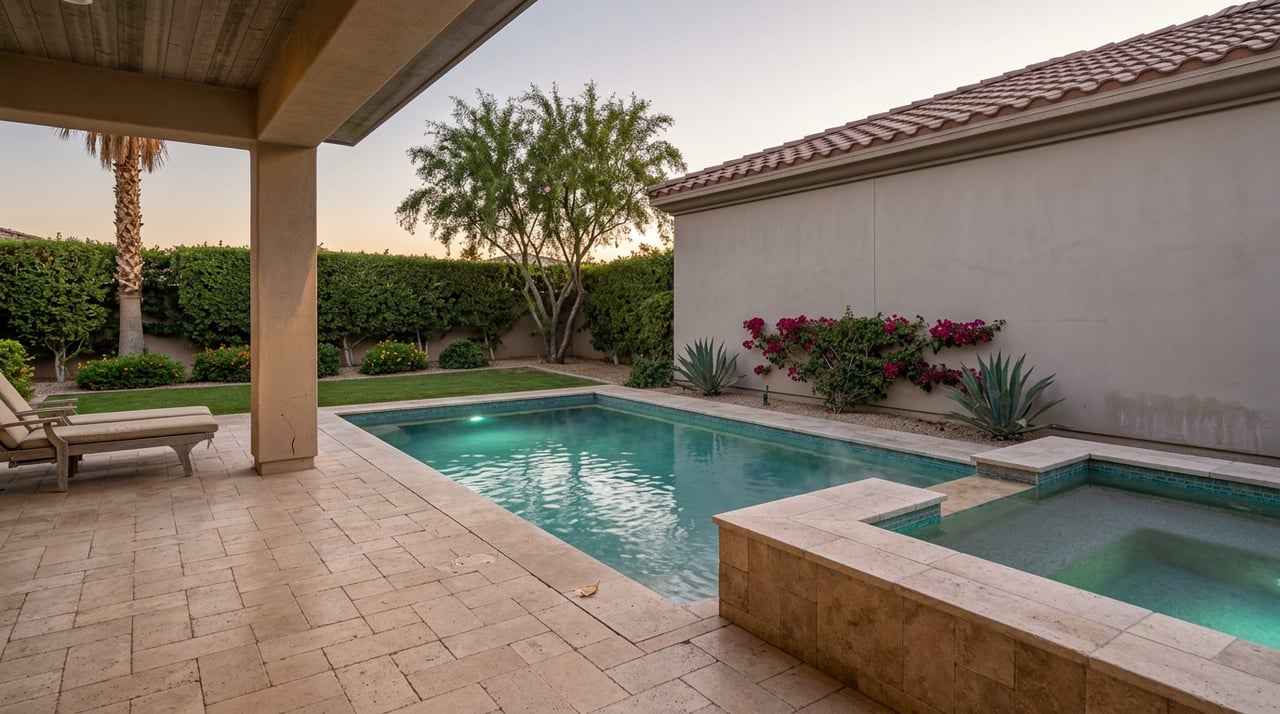
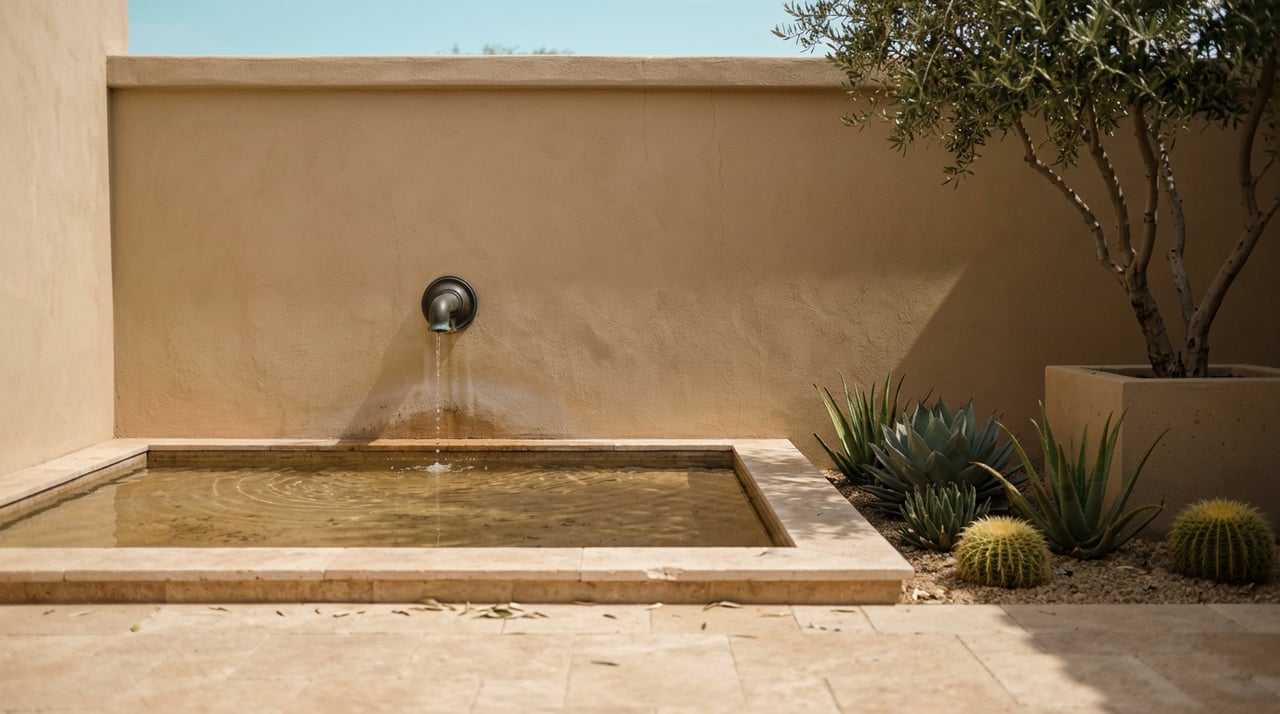
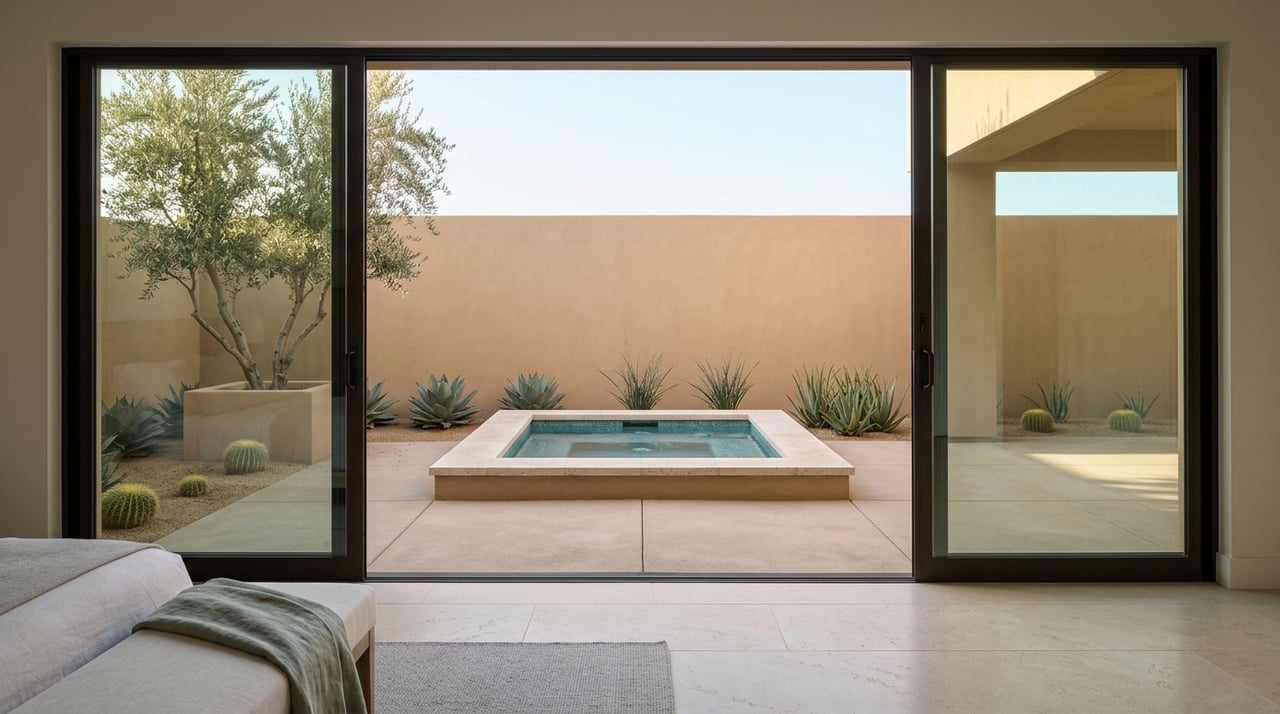
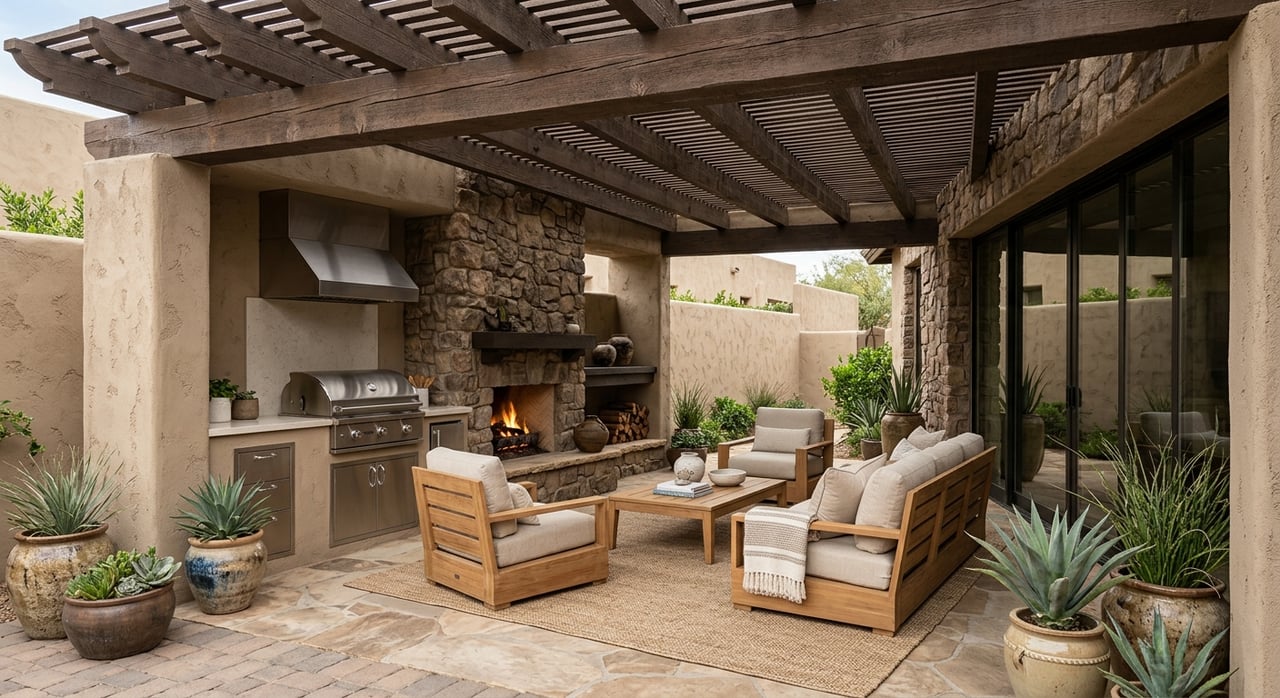
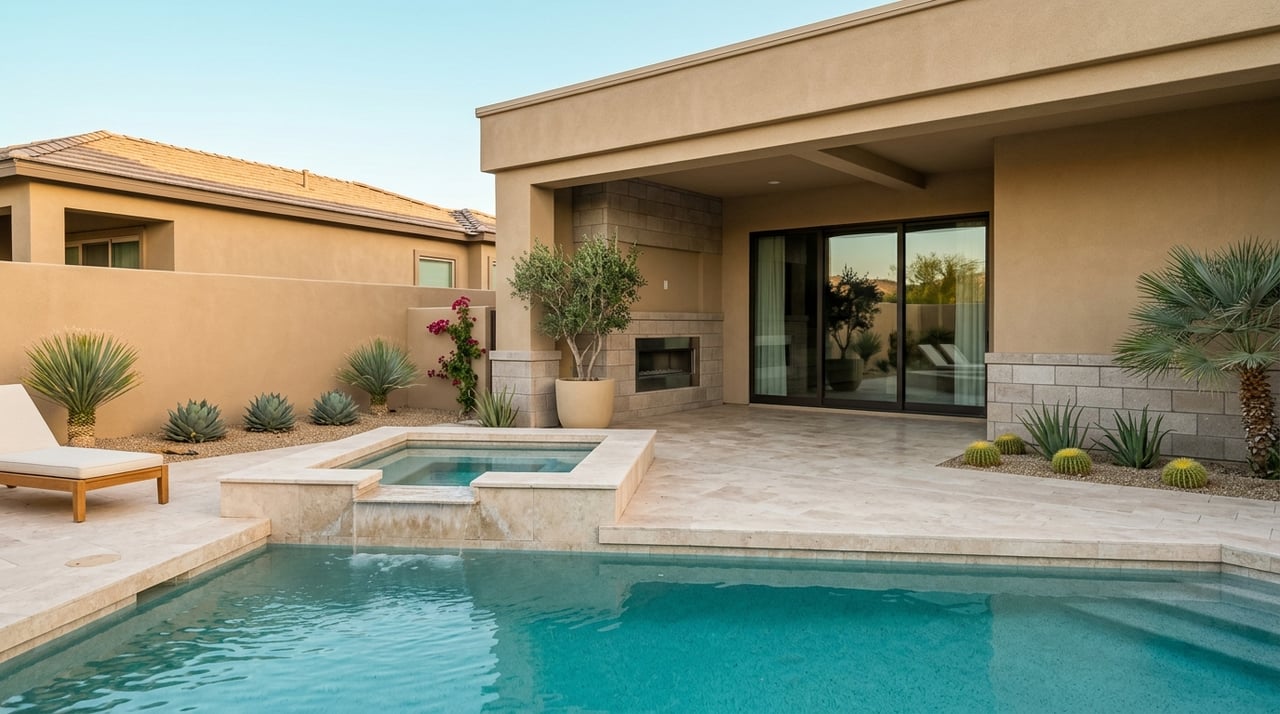
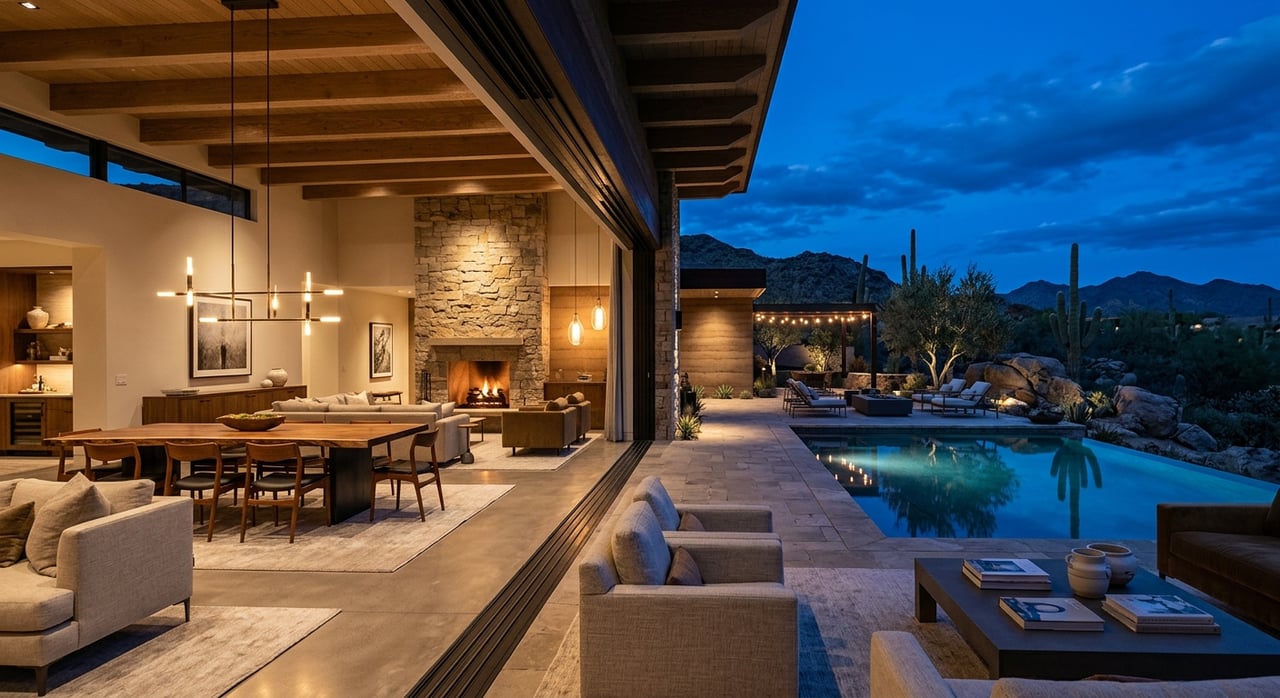
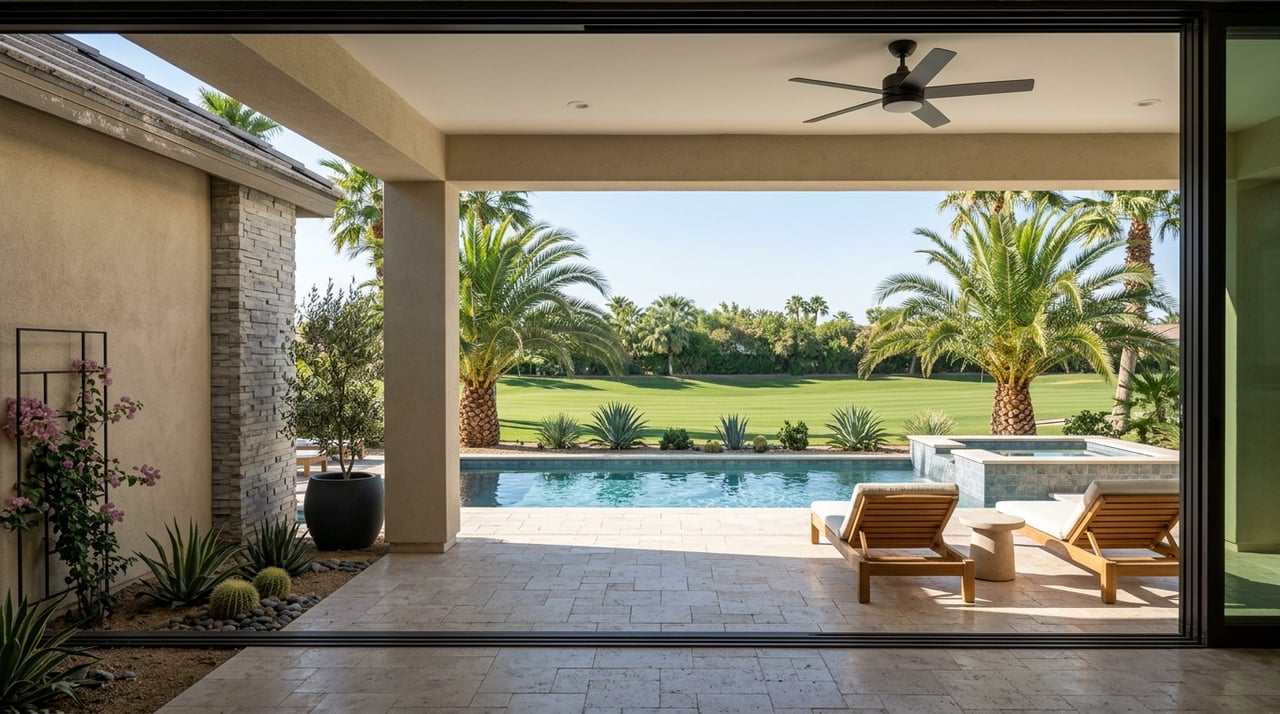
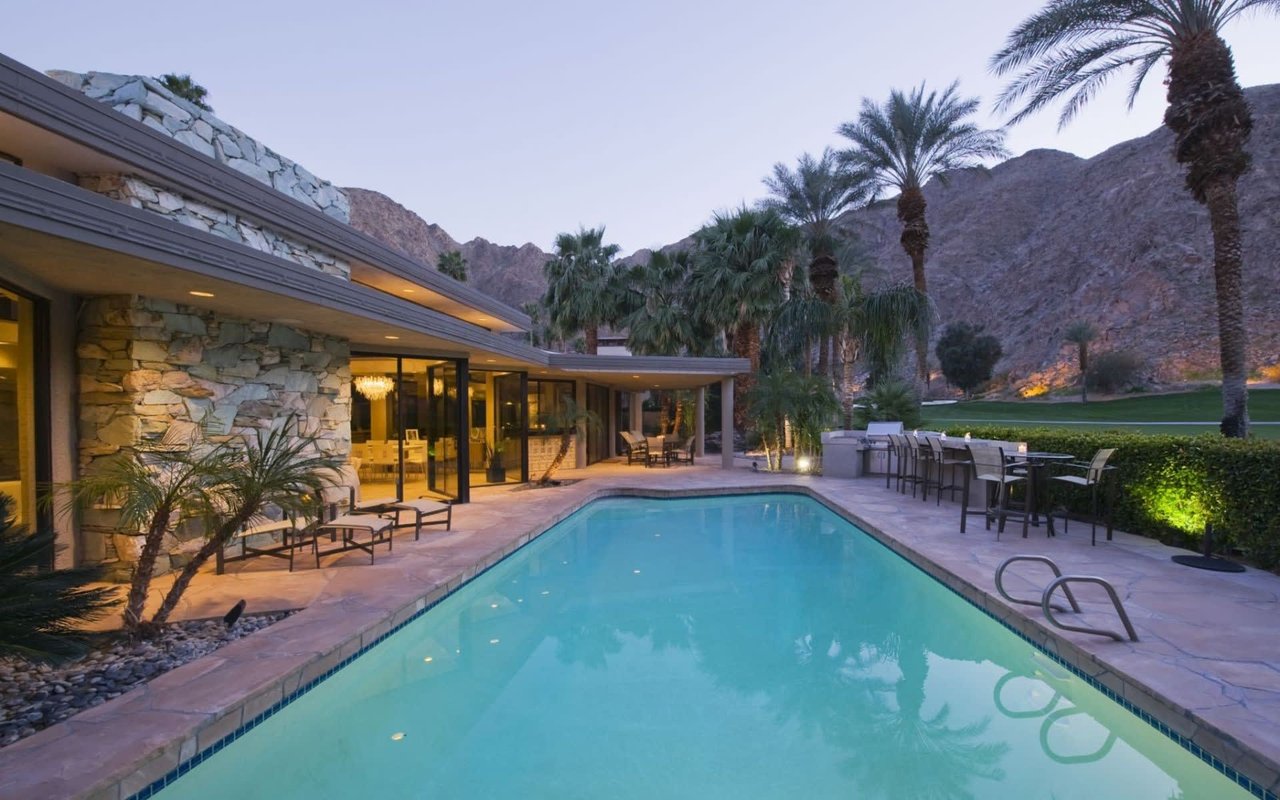
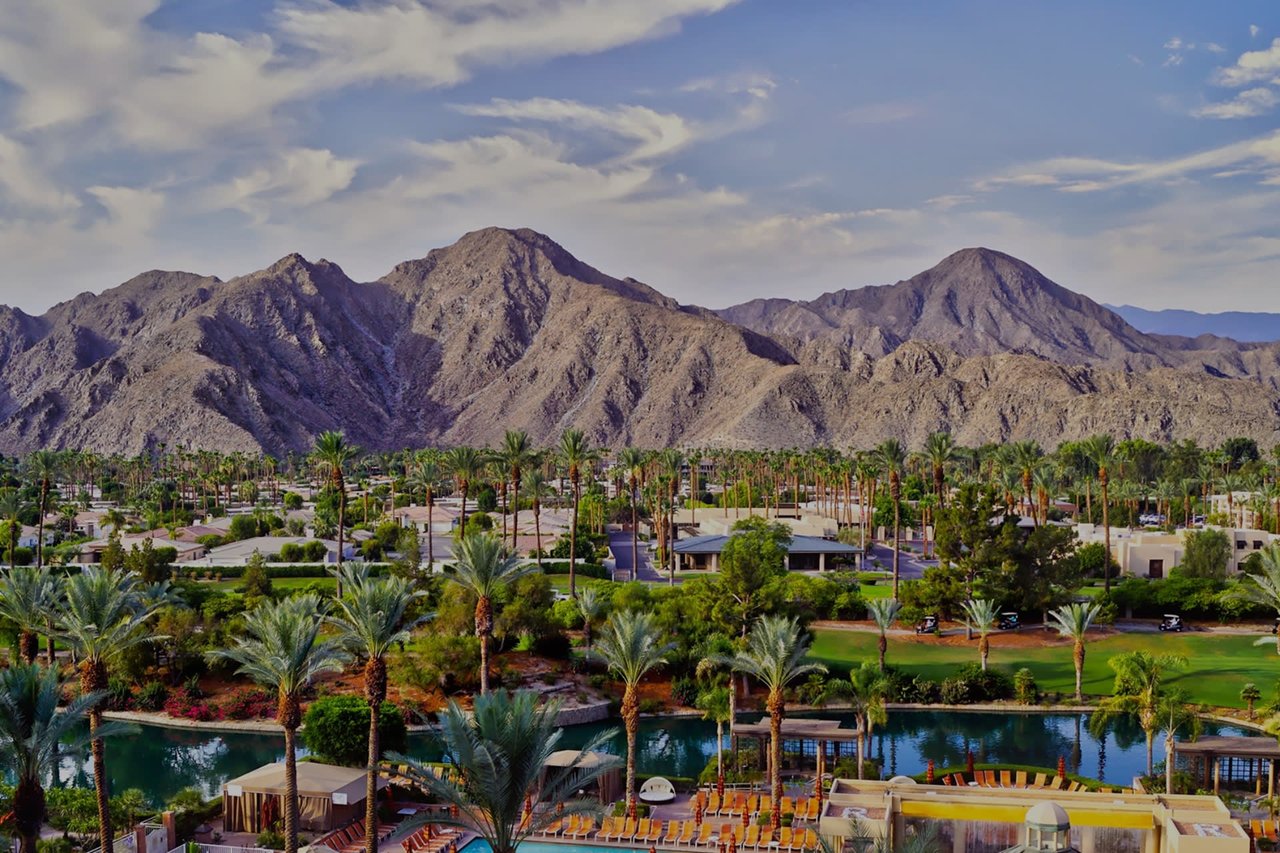
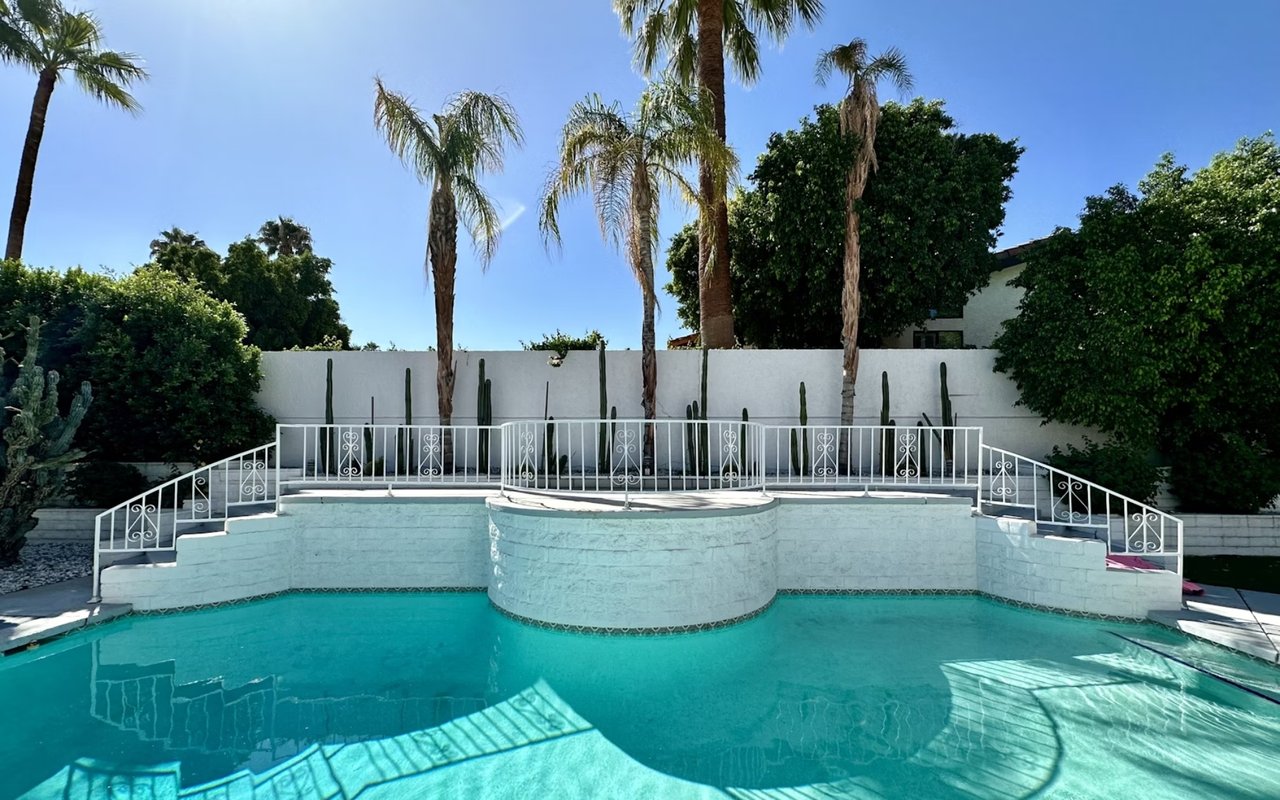
Palm Desert speaks to a different kind of second-home owner. Instead of beach access and village walkability, the focus is often golf, tennis, pickleball, pool time, trail walks, dining, and club-based social life. If you want a home that feels like a polished retreat with recreation built in, Palm Desert stands out.
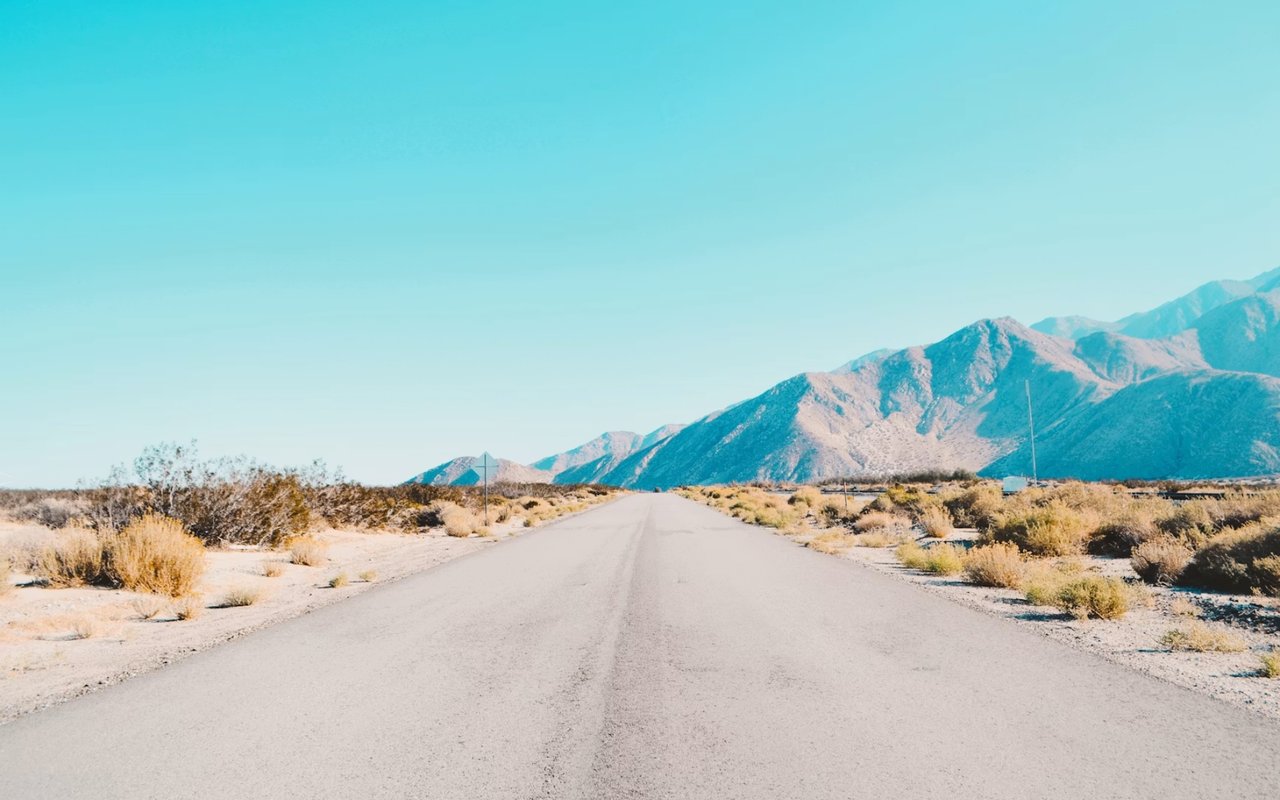
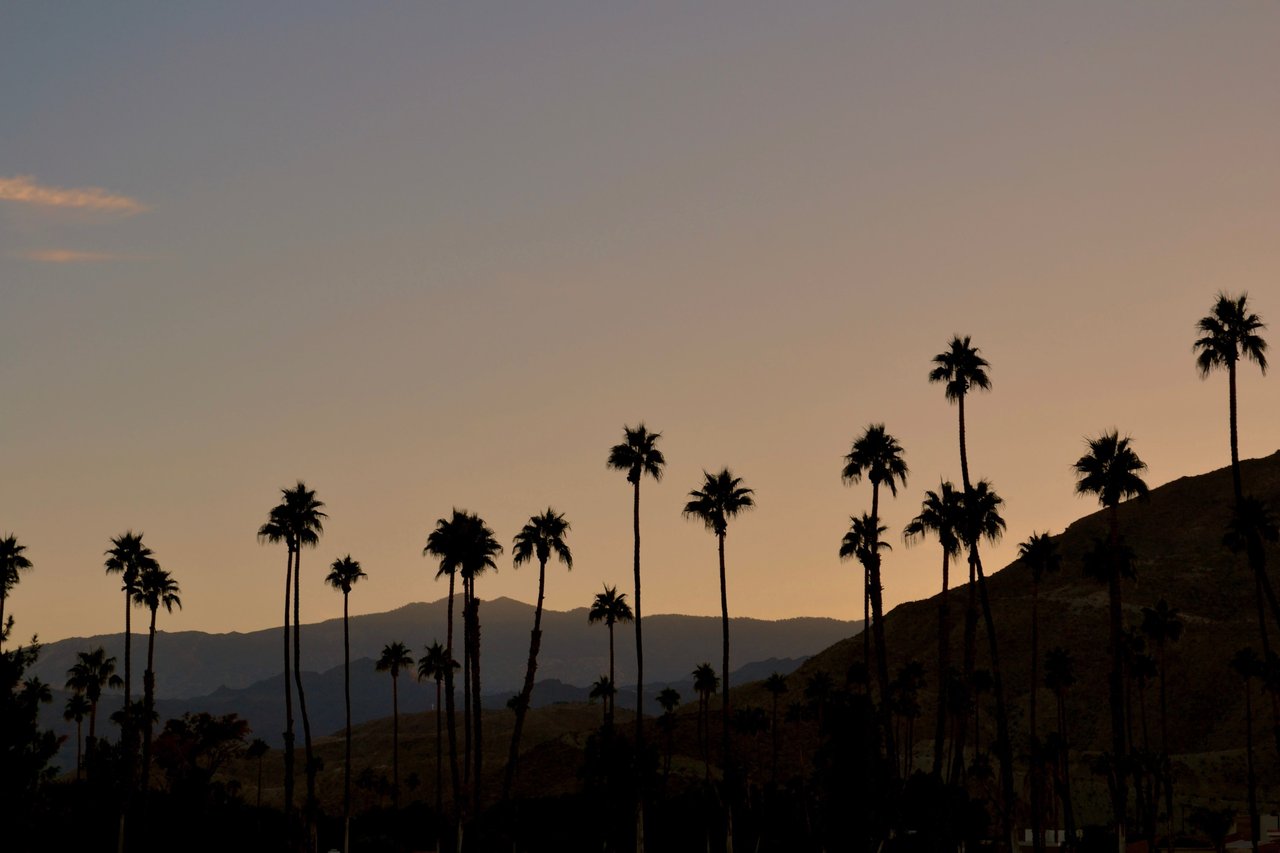
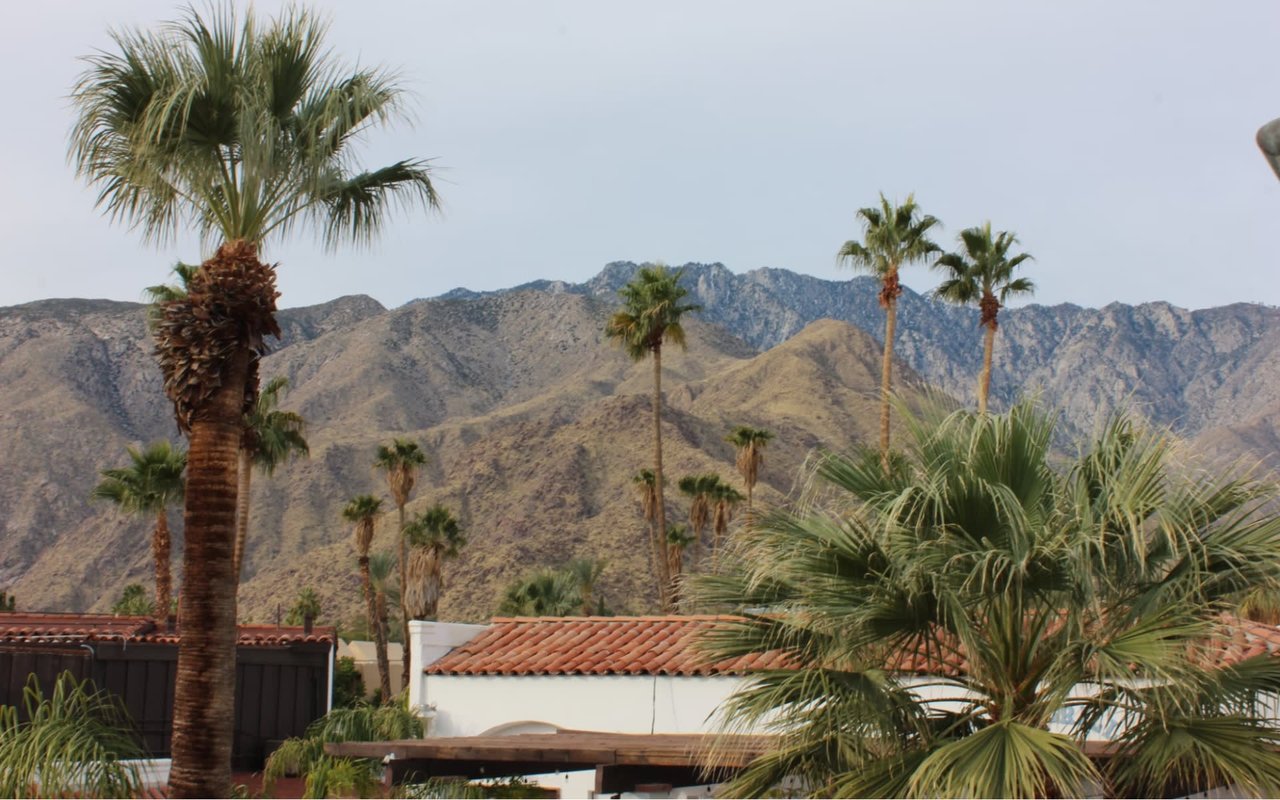
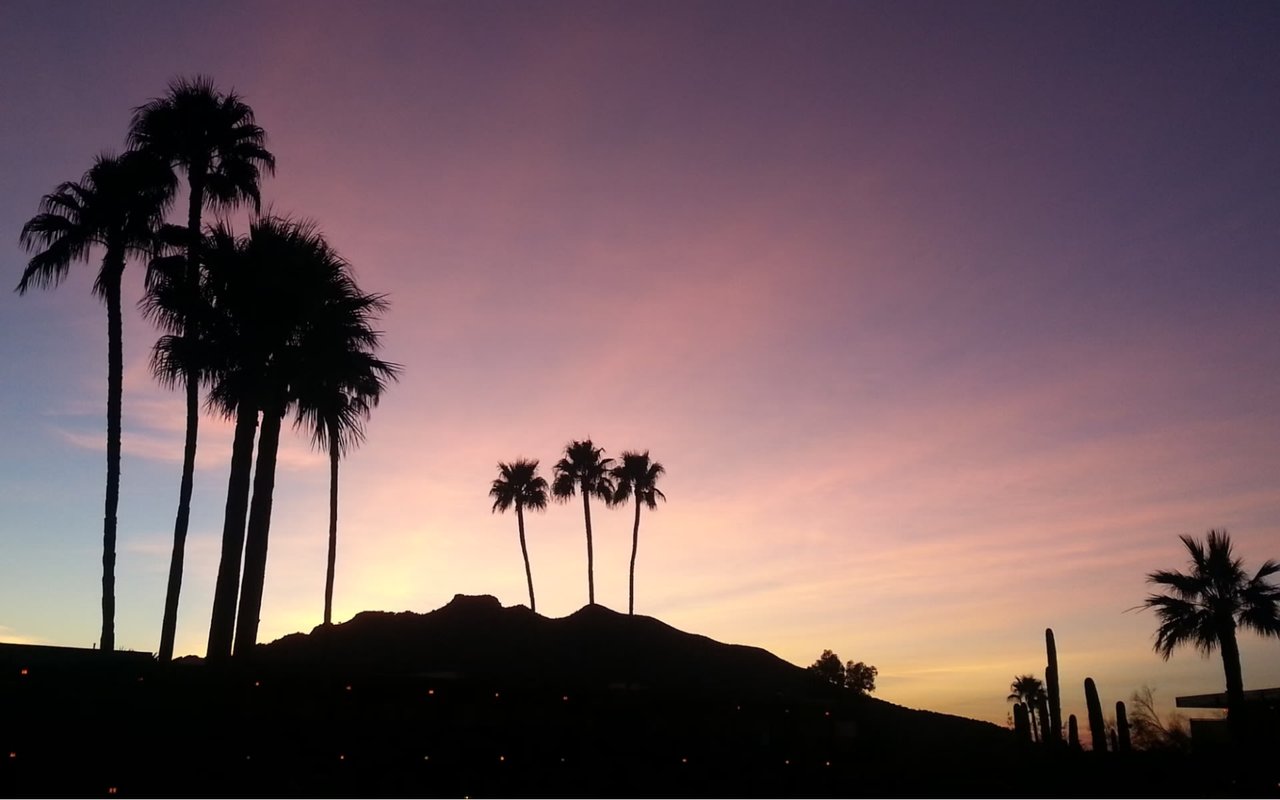
The city reports a mean temperature of 73.1°F, 350 days of sunshine each year, and average rainfall of just 3.38 inches. It also maintains more than 200 acres of parkland, 17 parks, two community centers, the Palm Desert Aquatic Center, and more than 25 miles of multi-purpose trails. That creates a strong foundation for an active outdoor lifestyle.
Palm Desert also has a well-developed design and arts presence. Its public art program includes dozens of permanent and developer artworks, and the El Paseo Sculpture Exhibition adds another cultural layer to the city. For buyers who want sunshine and polish, the desert lifestyle can feel both relaxed and refined.
The biggest climate distinction is summer heat. Palm Desert’s July average high and low are 106°F and 79°F, which means outdoor living is abundant but often more seasonal and time-of-day dependent during warmer months. For many second-home buyers, that is not a drawback. It is part of why Palm Desert works so well as a winter base or seasonal retreat.
How Daily Life Really Differs
When you compare these markets, it helps to picture what a typical stay would actually look like. In Laguna Beach, your time may be more spontaneous and place-based. You might head to the beach, walk downtown, stop at a café, or enjoy the arts scene without much planning.
In Palm Desert, your routine is often more amenity-based. A day may revolve around a morning round of golf, time at the pool, lunch at the club, an afternoon walk, and dinner with friends. That structure appeals to buyers who enjoy organized recreation and a social, service-oriented setting.
Neither lifestyle is better across the board. The better choice depends on whether you want your second home to deepen your coastal lifestyle or give you a contrasting environment that feels intentionally different from the coast.
Housing Style and Property Feel
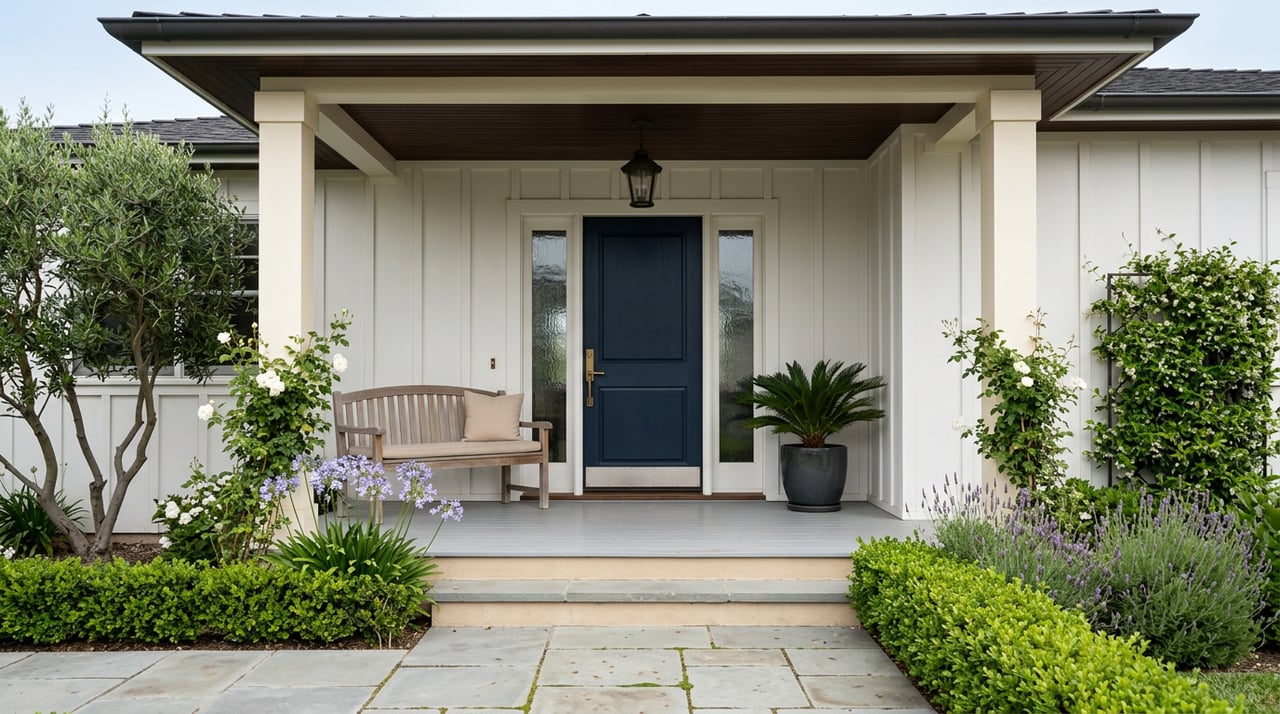
The homes in these two markets also tend to support different priorities. In Laguna Beach, housing is often highly individualized and closely tied to the site. City historic materials point to beach cottages, Craftsman homes, bungalow-scale residences, and later styles such as Spanish-Mediterranean, Spanish Colonial Revival, Mission Revival, English Tudor Revival, Art Deco, and Streamline Moderne.
Laguna Beach is also largely built out, with small parcels, visible hillside development, and a strong emphasis on redevelopment rather than broad new expansion. About 25% of lower Laguna housing stock is pre-1940. That often makes the market feel design-driven, location-sensitive, and limited in inventory.
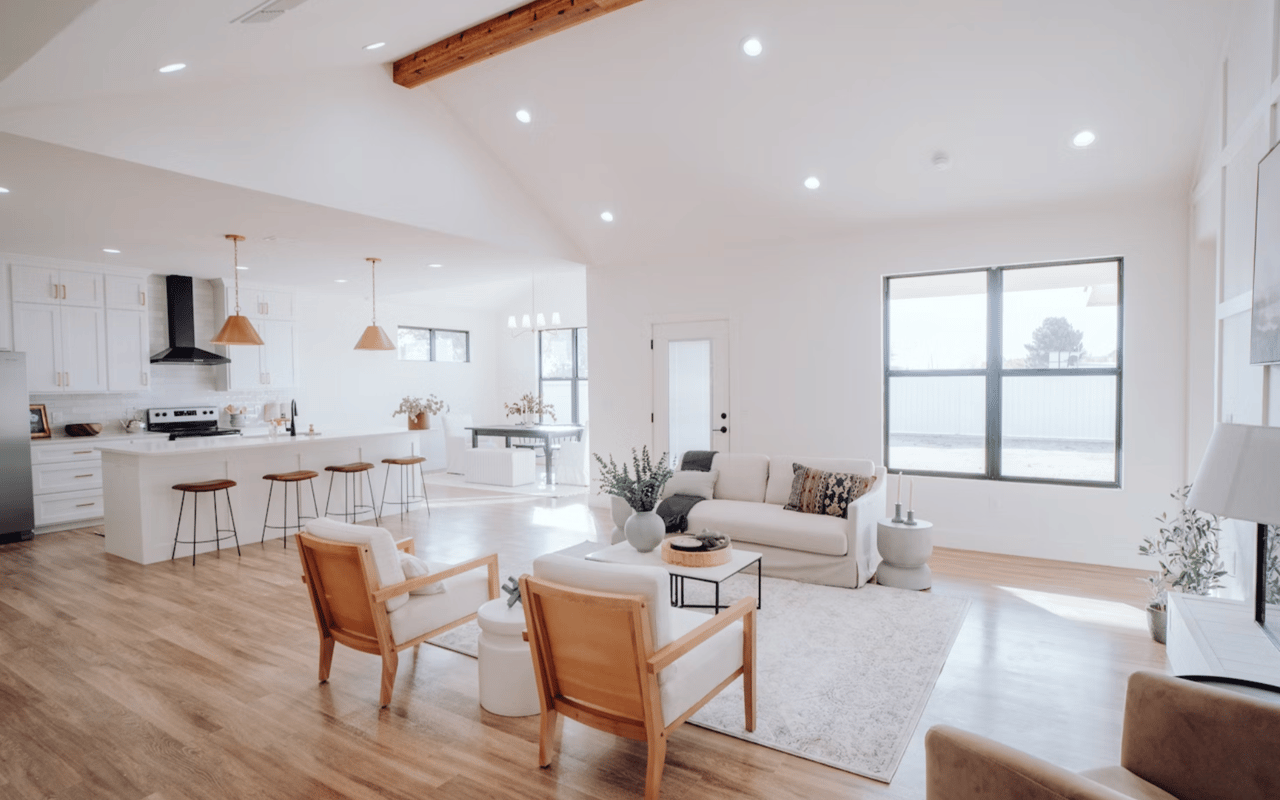
For second-home buyers, that usually means you are choosing for character, views, architectural individuality, and walkability as much as size. A Laguna Beach purchase often feels personal and site-specific.
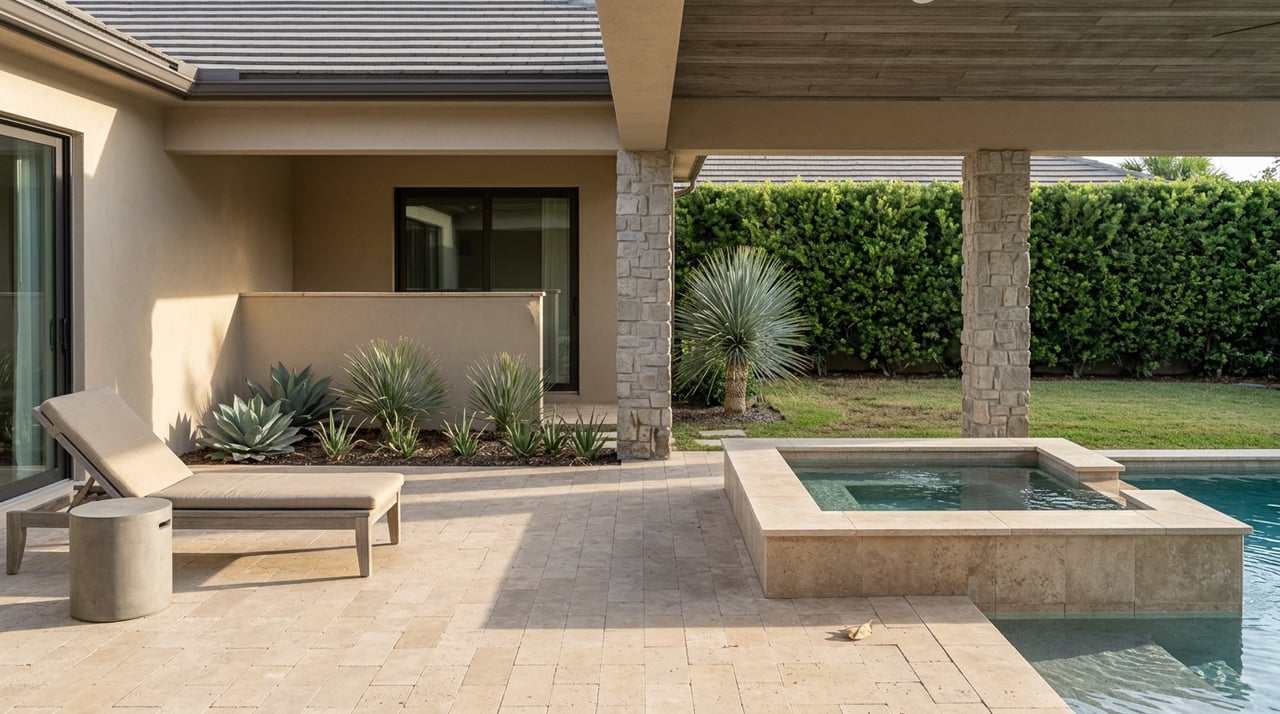
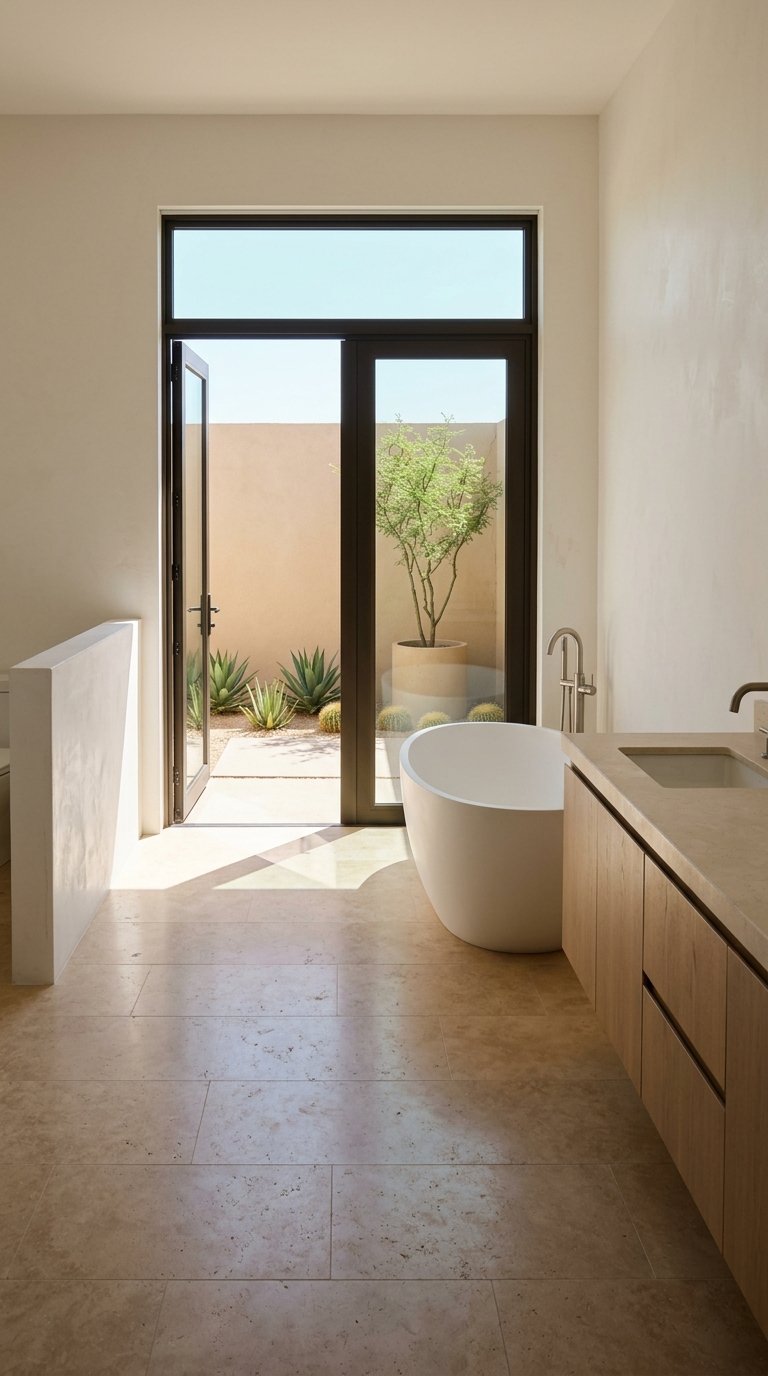
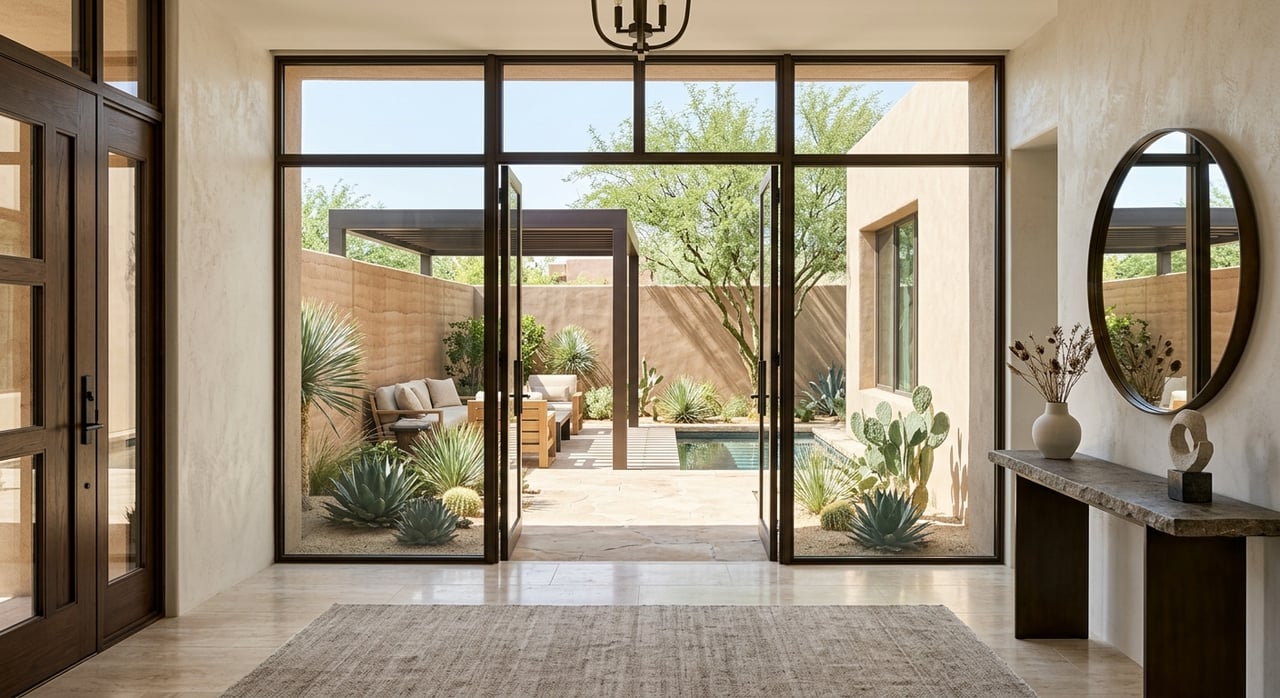
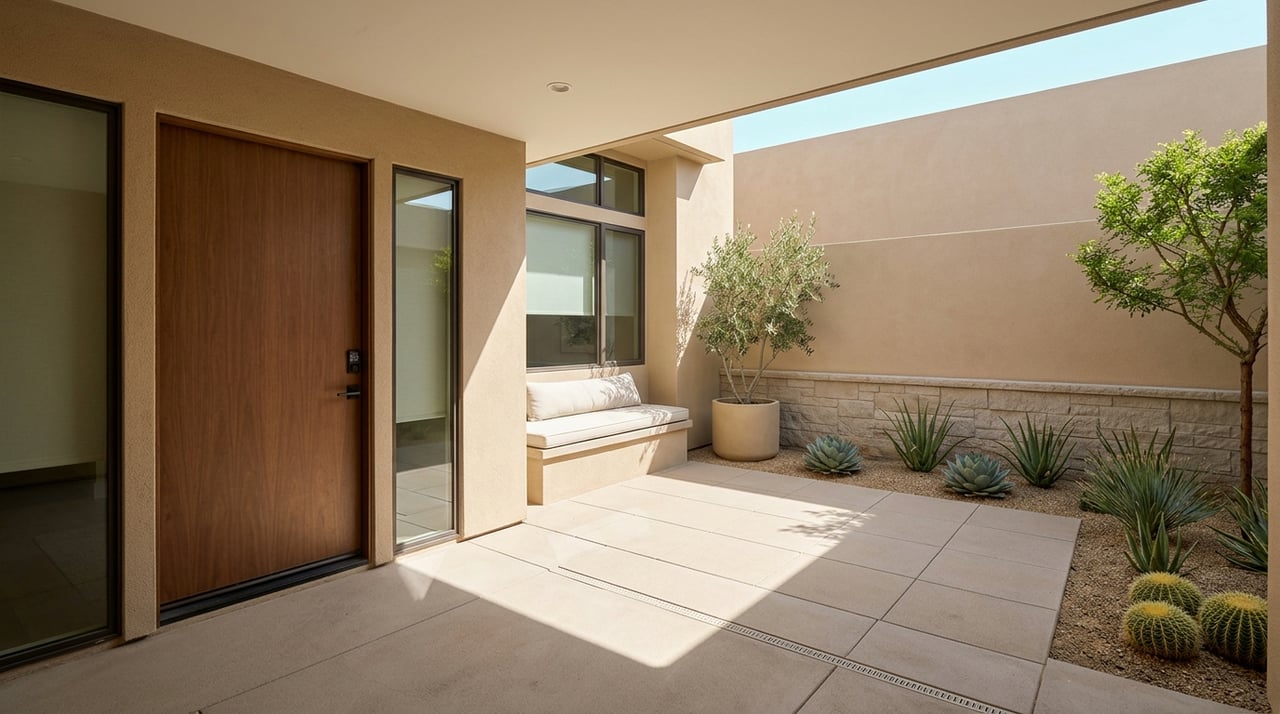
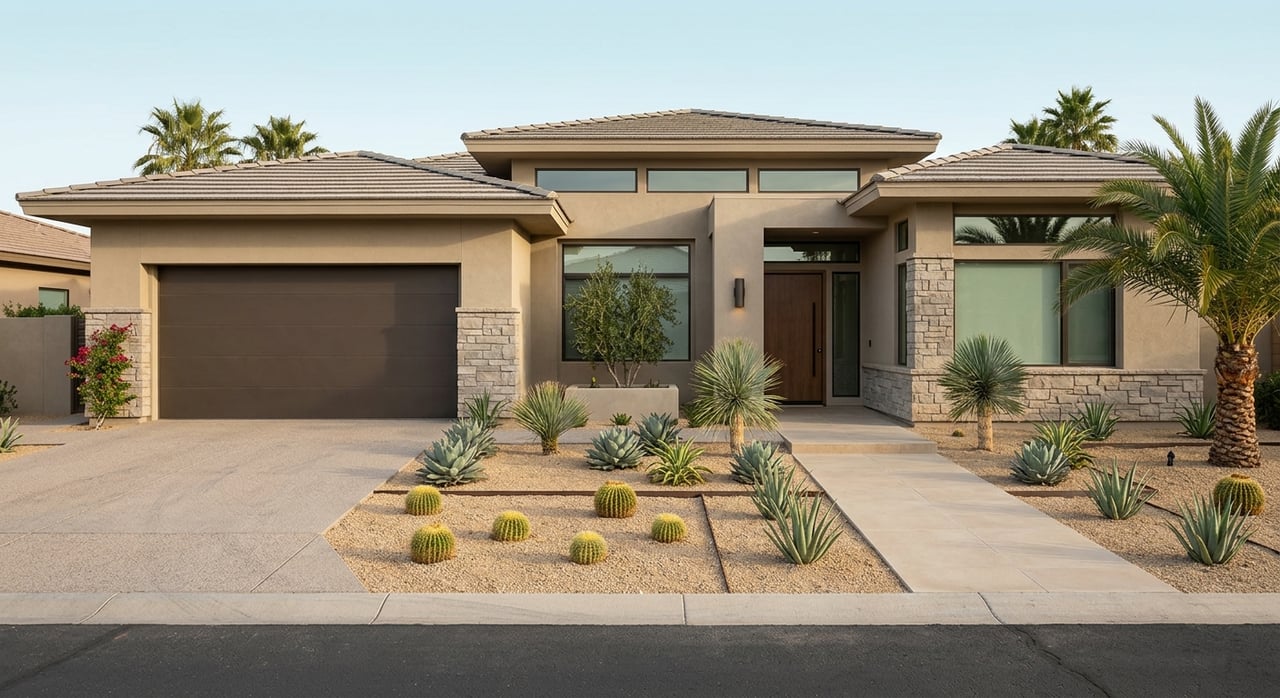
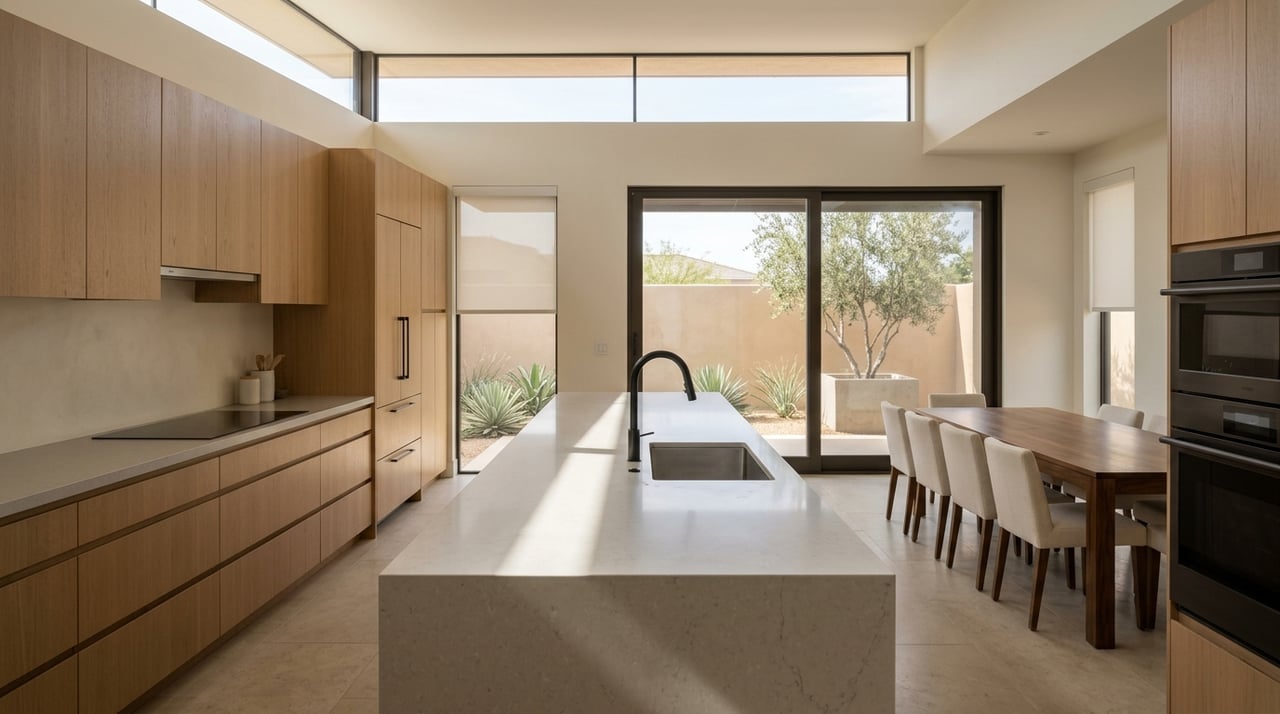
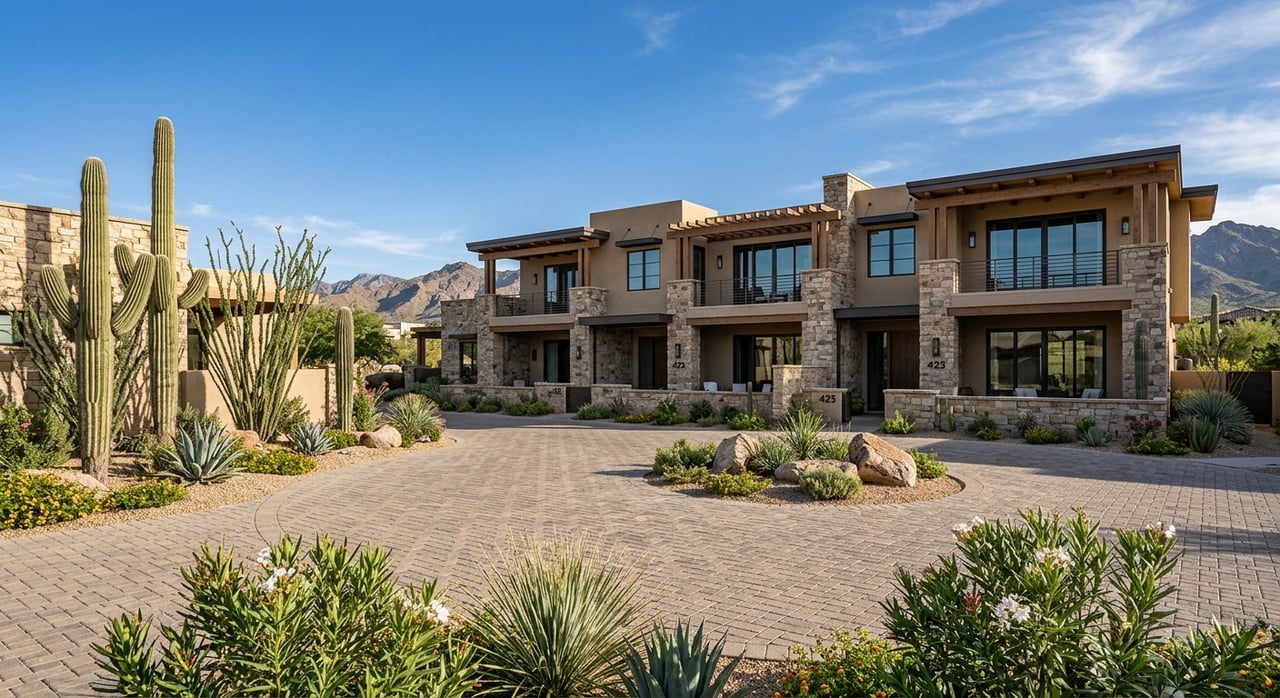
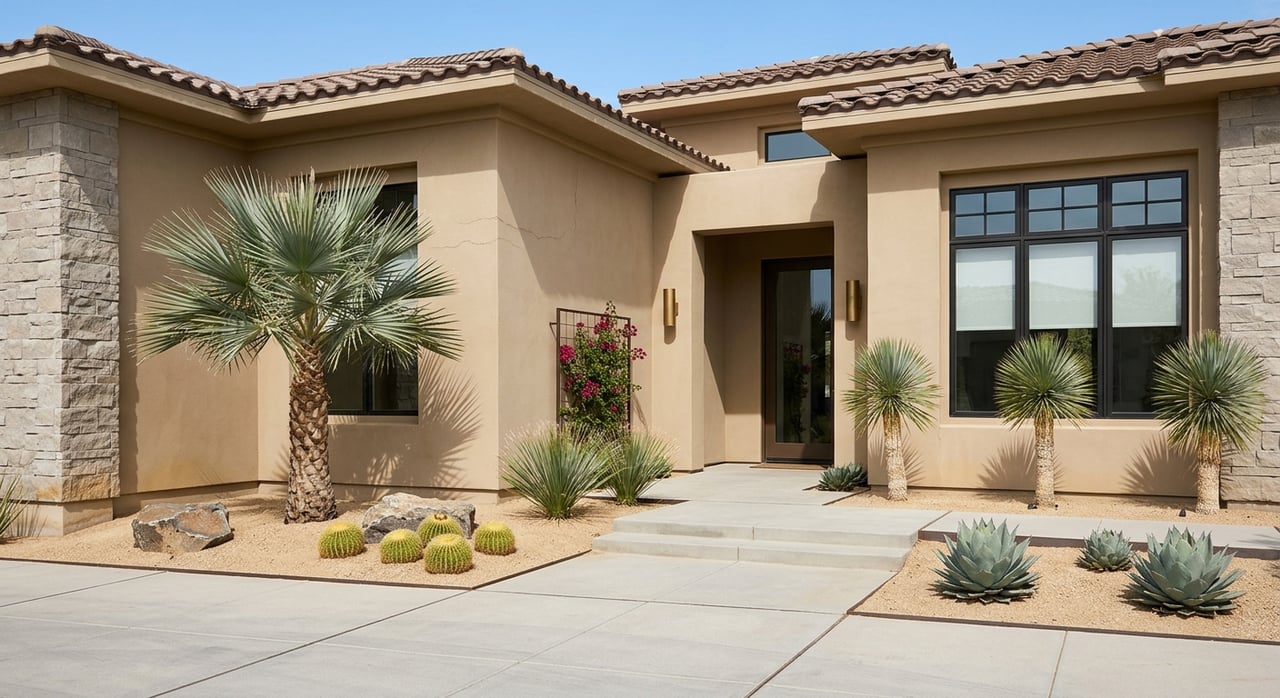
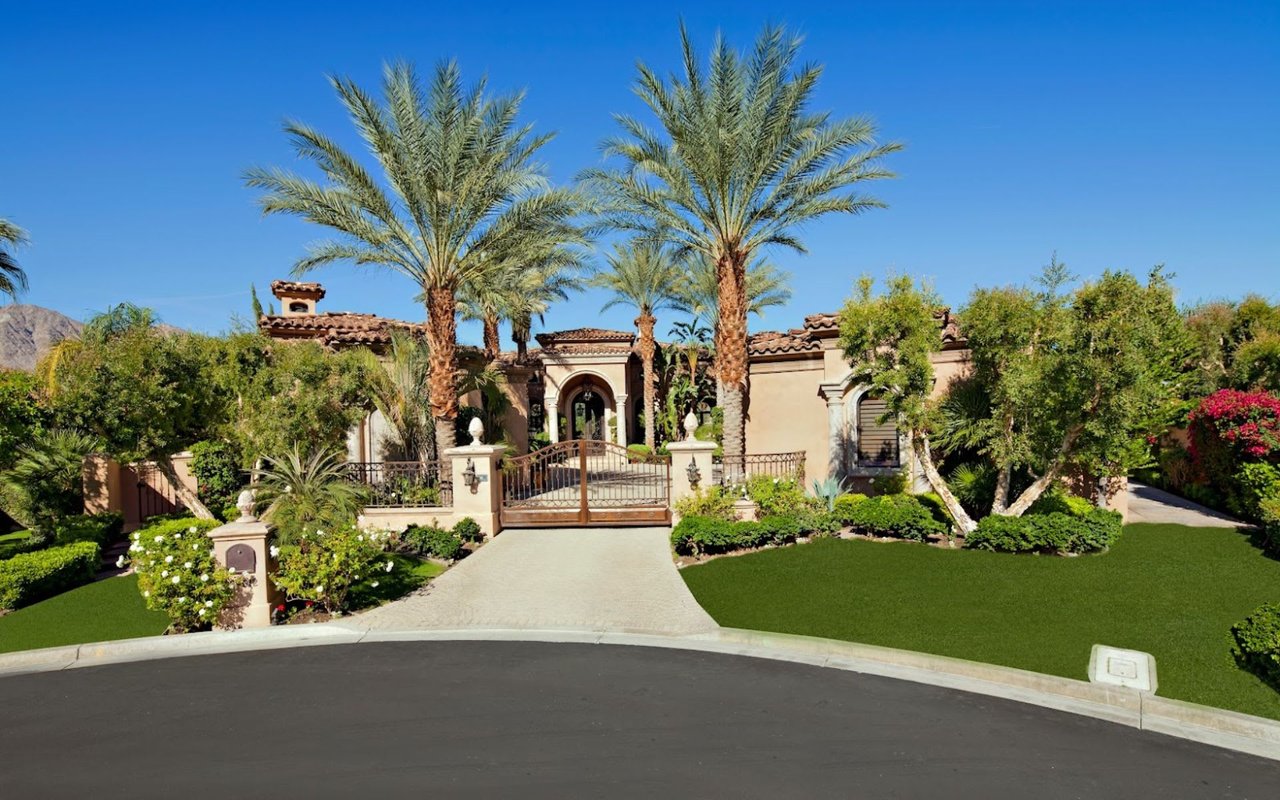
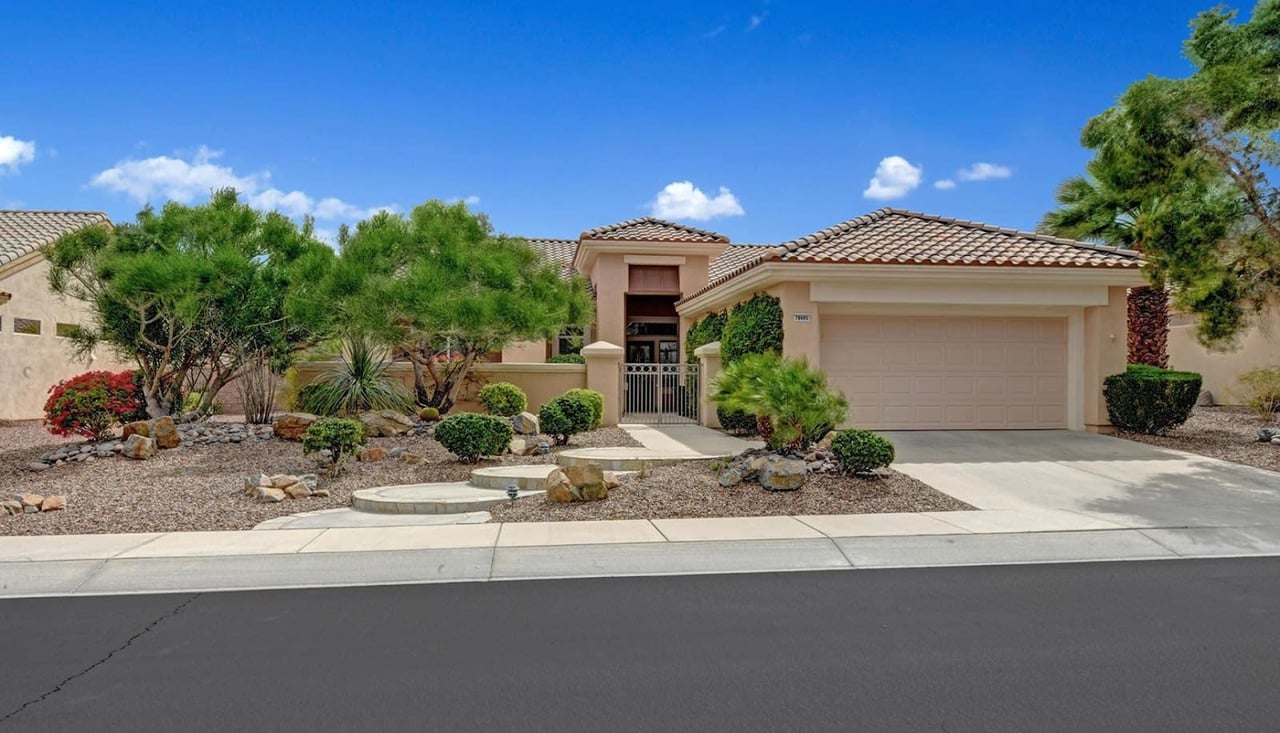
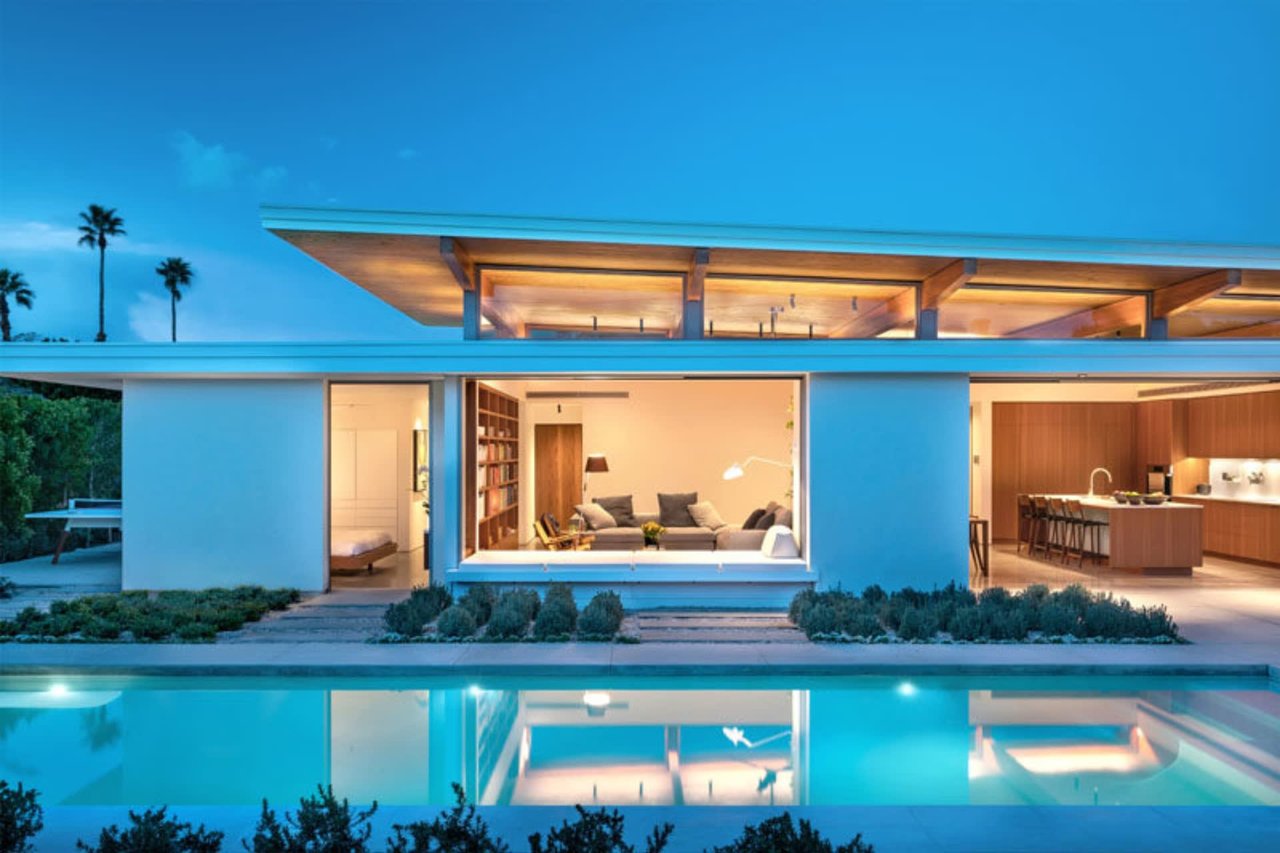
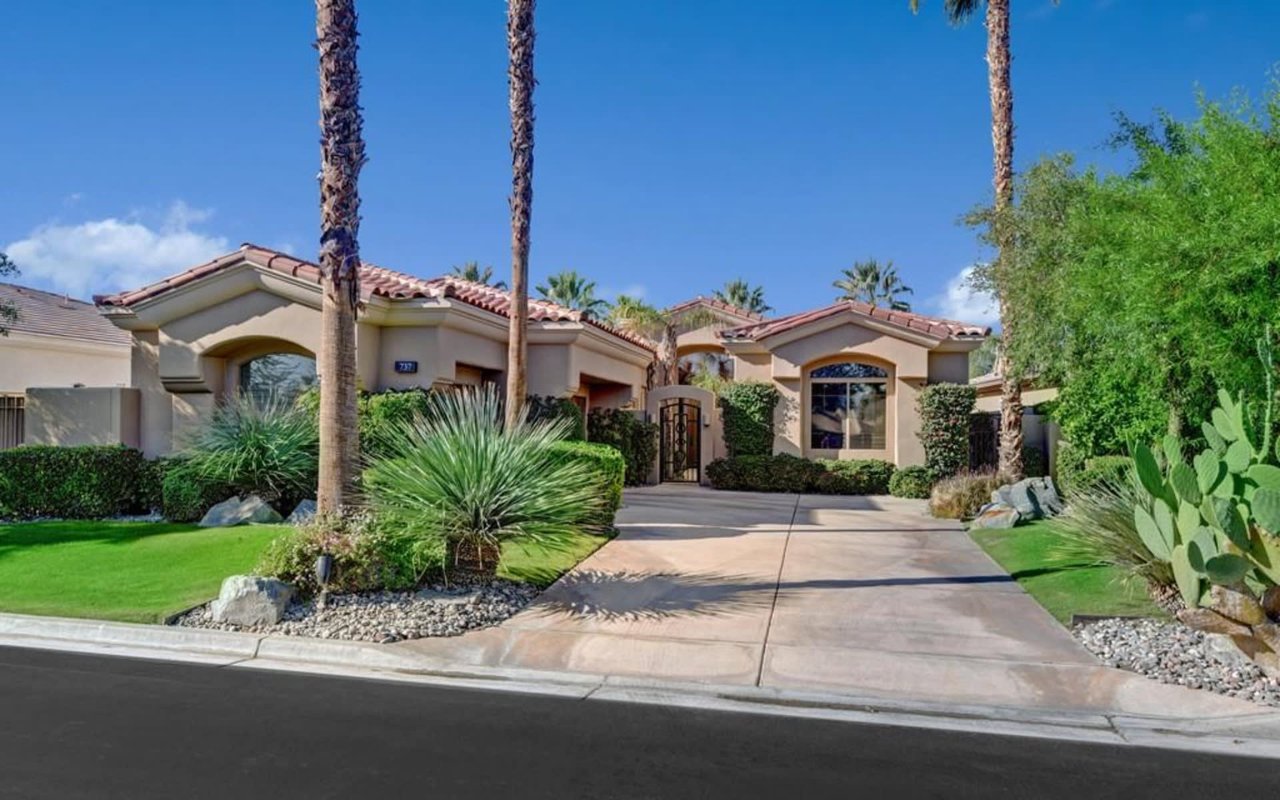
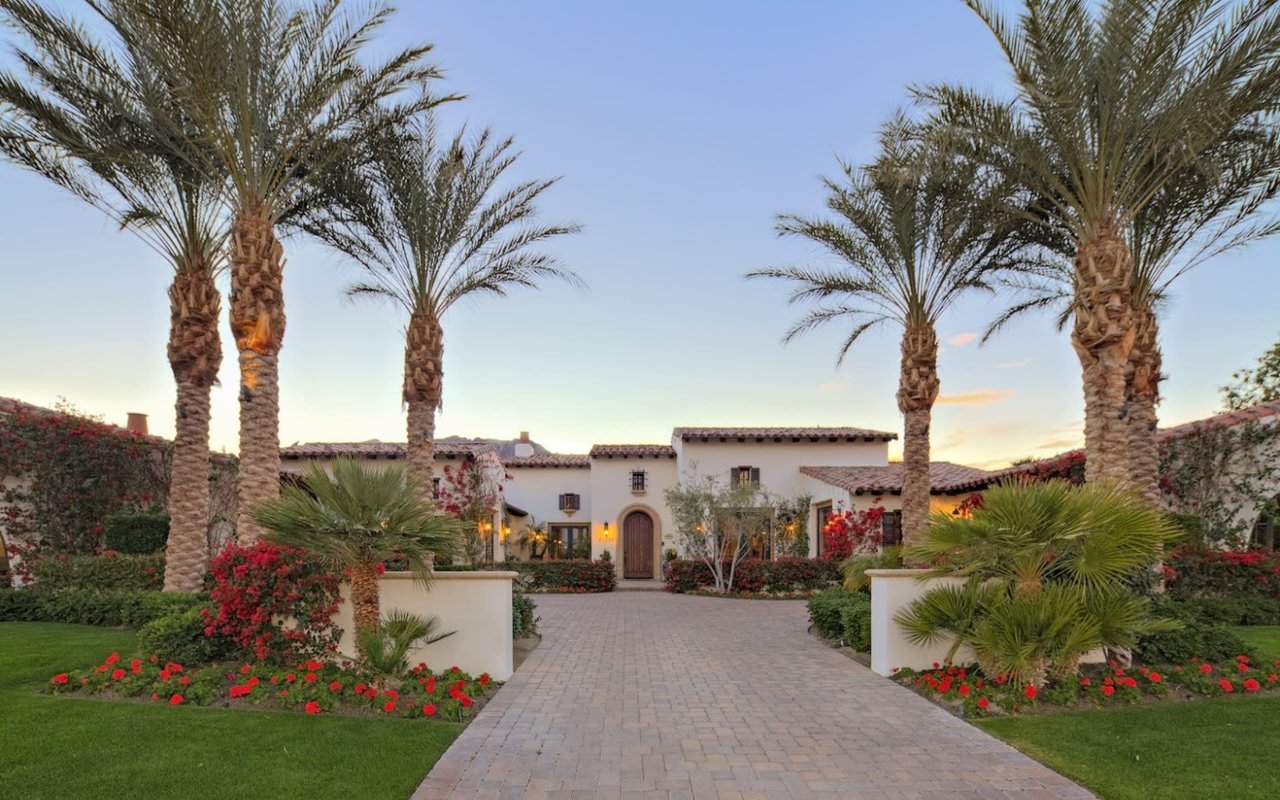
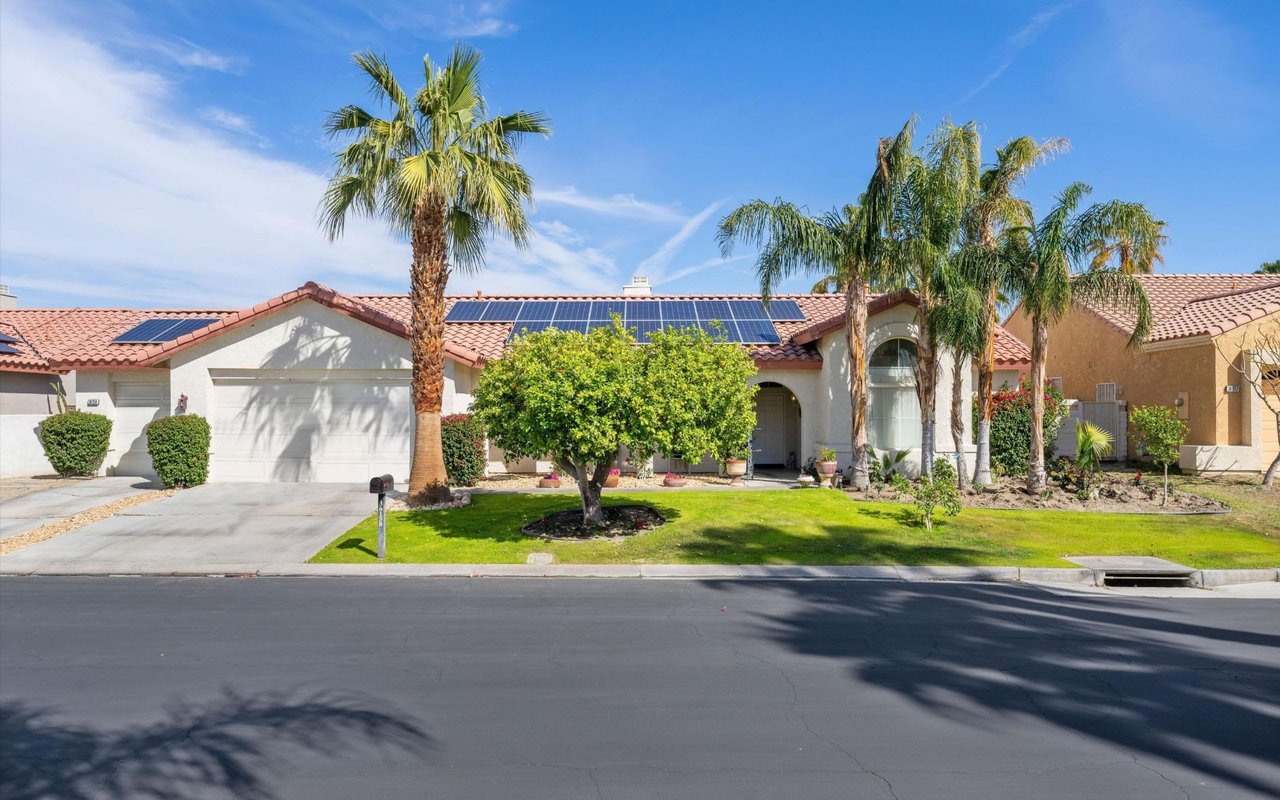
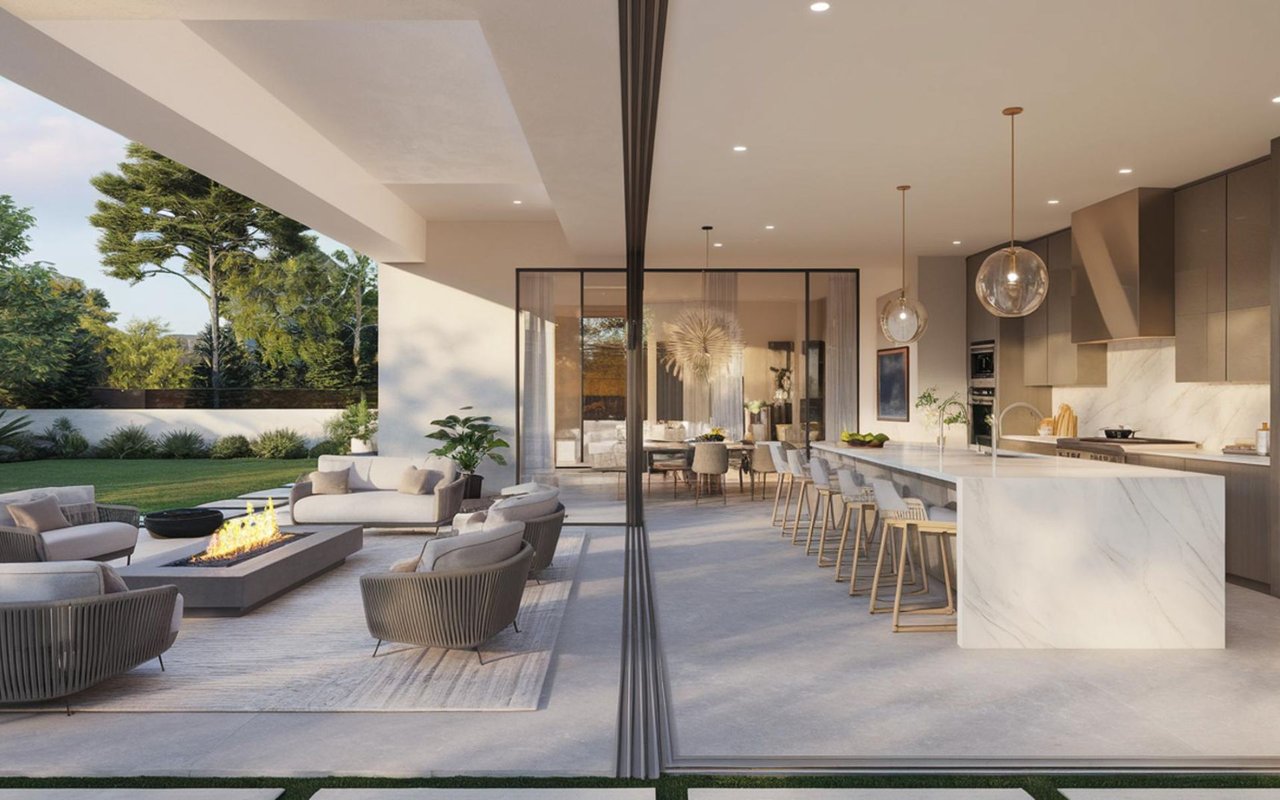
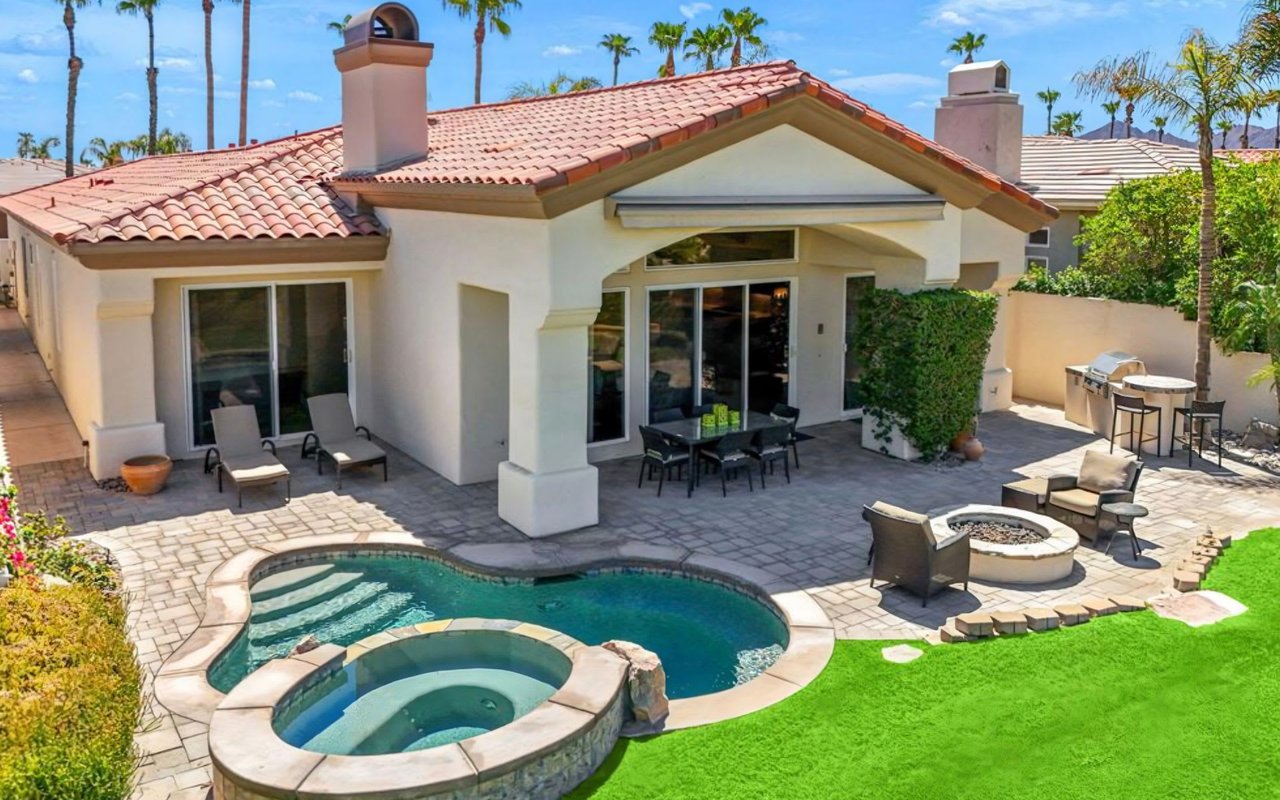
Palm Desert tends to present a different ownership experience. Its planning framework supports a wider range of resort-community and club-oriented environments, and the city highlights mid-century modern architecture as part of its story. In practical terms, many buyers are drawn to homes that pair private ownership with structured amenities and lower-maintenance living.
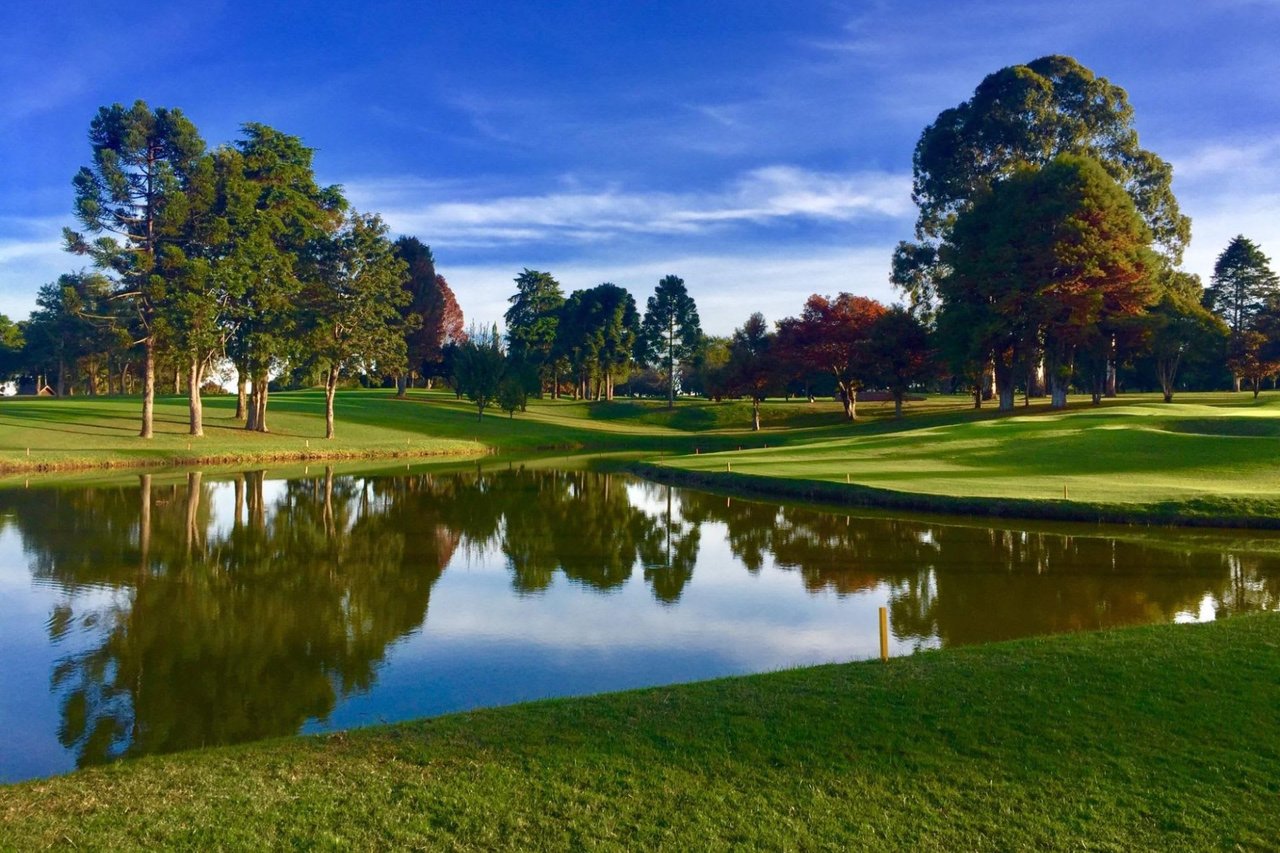
That is especially true in country club settings. For example, Indian Ridge Country Club is a 640-acre private community with 1,068 homes, two 18-hole golf courses, a 42,000-square-foot clubhouse, a 22,000-square-foot sports club, pools, 14 tennis courts, paddle tennis, and croquet lawns. The Lakes Country Club offers an all-condominium structure, 27 holes of golf, 23 racquet courts, a wellness center, dining spaces, nearly 100 lakes, and 44 pools.
In Palm Desert, the home often comes with a larger amenity package. That can be a strong fit if you want lock-and-leave ease, built-in recreation, and a community setting designed for seasonal or part-time use.
Which Lifestyle Fits You Best?
If you are deciding between Laguna Beach and Palm Desert, start with how you plan to use the property. A second home that looks great on paper can still feel underused if it does not match your actual habits. The key is not just where you want to be, but how you want to live when you are there.
Laguna Beach may be the better fit if you want:
- Daily connection to the ocean
- A compact setting with walkable downtown access
- Strong local arts and cultural experiences
- A home with character and architectural individuality
- A cooler, more marine-influenced climate
Palm Desert may be the better fit if you want:
- A winter or seasonal retreat
- Golf, tennis, pickleball, pools, and trail access
- A more social club environment
- Lock-and-leave convenience
- Warm, dry weather and abundant sunshine
Why It May Not Be Either-Or
For many buyers, this comparison is most useful when viewed as a pairing rather than a competition. Laguna Beach can serve as the ocean-based home for coastal living, arts, and walkability. Palm Desert can serve as the desert retreat for club life, recreation, and warmer seasonal use.
That pairing makes sense because the two markets solve different lifestyle needs. Laguna Beach is about everyday coastal immersion. Palm Desert is about contrast, sunshine, and amenity-rich downtime.
If you already have ties to Orange County, Palm Desert may work best as a complementary second home rather than a replacement for the coast. It offers a different pace, a different climate, and a different style of ownership that many dual-market buyers find appealing.
Questions to Ask Before You Decide
Before you choose, it helps to ask a few practical questions:
- How often will you realistically use the home?
- Do you want a winter base, a golf base, or a true year-round second residence?
- Are you looking for privacy or for a built-in social environment?
- Do you want your second home to mirror your current lifestyle or contrast with it?
- How much maintenance, activity, and on-site structure do you want?
These questions matter because Laguna Beach and Palm Desert are not simply two luxury markets. They are two different answers to how you want to spend your time.
If you are leaning toward desert living, especially in Palm Desert or a country club setting like Indian Ridge, working with a team that understands the nuances of seasonal ownership, club environments, and lifestyle fit can make the process much easier. When you are ready to explore your options, connect with the DWA Team.
FAQs
Is Laguna Beach or Palm Desert better for a seasonal second home?
- Palm Desert is often a natural fit for seasonal ownership because the city has 32,000 seasonal residents and a lifestyle built around winter stays, recreation, and club amenities.
What is the main lifestyle difference between Laguna Beach and Palm Desert?
- Laguna Beach centers daily life around the ocean, walkability, and the arts, while Palm Desert centers daily life around sunshine, recreation, club amenities, and seasonal retreat living.
Is Laguna Beach cooler than Palm Desert during summer?
- Yes. Laguna Beach typically has summer temperatures ranging from 59°F to 85°F, while Palm Desert reports a July average high of 106°F.
What kind of homes are common in Laguna Beach?
- Laguna Beach is known for individualized homes such as beach cottages, Craftsman homes, bungalow-scale residences, and several revival-style architectural designs tied closely to the terrain and coastal setting.
What kind of second-home buyer tends to prefer Palm Desert?
- Buyers who want golf, racquet sports, pool time, sunny weather, club living, and a lock-and-leave style of ownership often find Palm Desert especially appealing.