If you are thinking about selling in The Vintage Club, you are not just bringing a home to market. You are positioning a property inside one of Indian Wells’ most private and lifestyle-driven club communities. That means your strategy needs to go beyond standard pricing and listing prep. In this guide, you’ll learn how to think about timing, pricing, presentation, documentation, and buyer expectations so you can approach your sale with more clarity and confidence. Let’s dive in.
Why The Vintage Club Requires Strategy
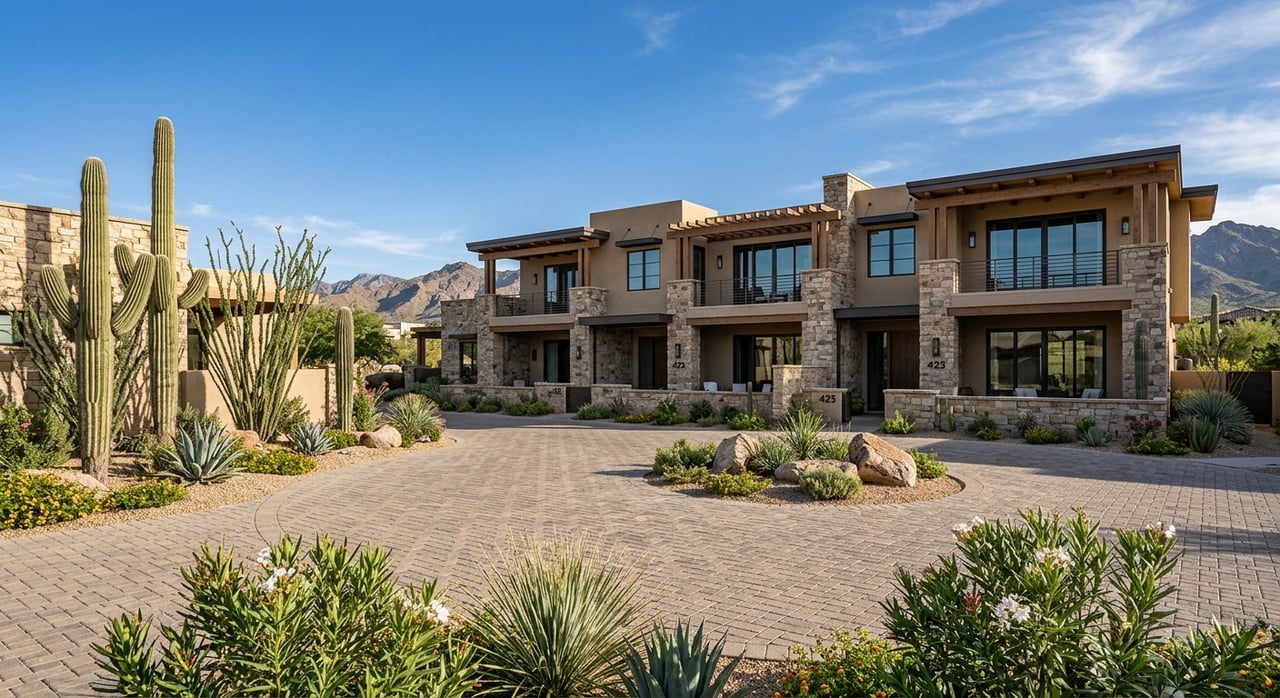
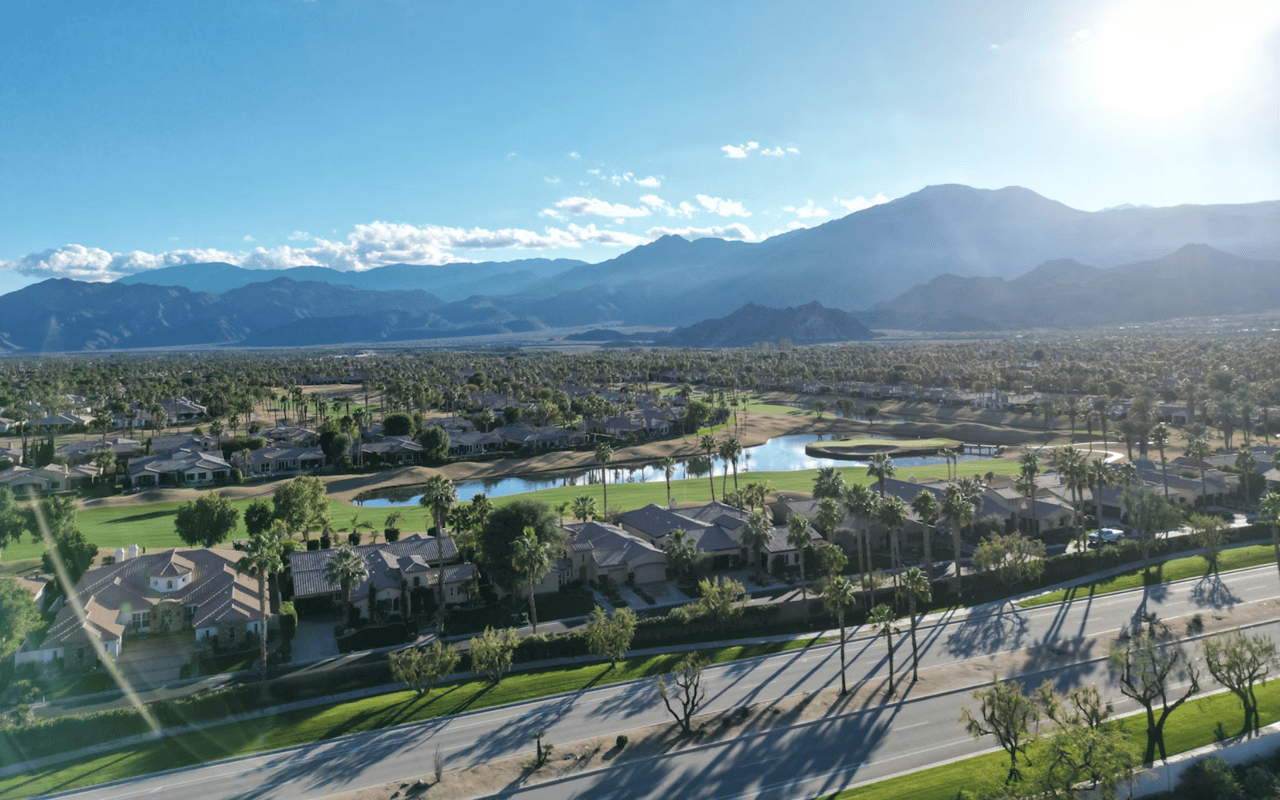
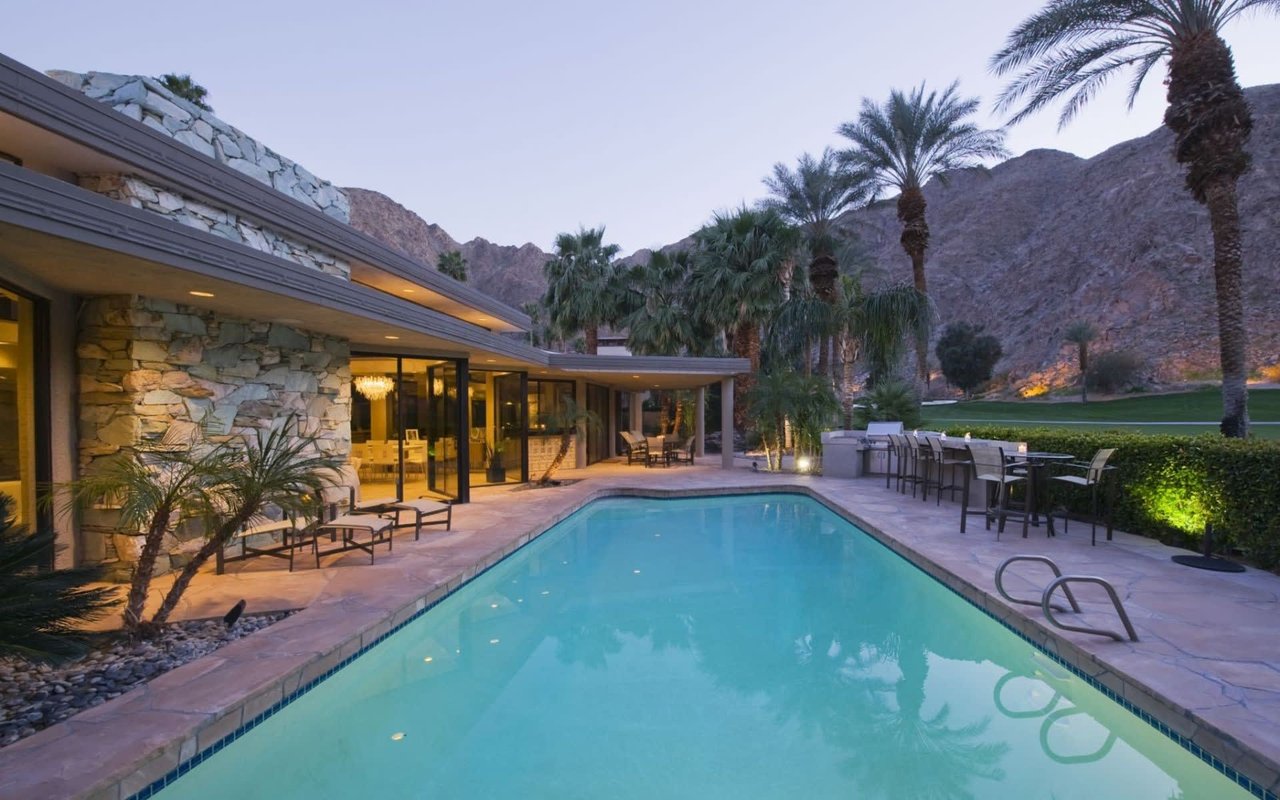
The Vintage Club is not a typical neighborhood within Indian Wells. It is a private club community built around roughly 500 luxury residences, two Tom Fazio 18-hole golf courses, tennis and pickleball, spa and wellness facilities, and an 80,000-square-foot clubhouse.
That context matters because buyers are not evaluating your home in isolation. They are also weighing privacy, club culture, amenities, and how ownership connects to membership eligibility. When you sell here, the conversation is about both the property and the lifestyle framework around it.
Understand the Membership Context
One of the first strategic points is club membership. The club states that property ownership is required for membership, and its bylaws say Class A memberships are proprietary and non-transferable.
For sellers, that means buyers often want clear answers early. If questions about ownership, eligibility, or club access remain vague, even an attractive property can lose momentum. A well-prepared seller should be ready with accurate property-specific information so buyers understand how the home fits into the club structure.
Price to the Micro-Market, Not the ZIP Code
Indian Wells is a luxury desert market, but broad citywide numbers only tell part of the story. As of spring 2026, public sources show different snapshots for Indian Wells overall, including average or median values around the mid-$1.4 million range and market times between roughly 42 and 48 days.
Inside The Vintage, the numbers look very different. Public neighborhood data show a March 2026 median sale price of $2.7 million, a median 83 days to pending, and homes averaging about 11% below list. Realtor.com also showed a median listing price of $2.895 million and 66 median days on market for the Vintage area snapshot in April 2026.
The takeaway is simple: automated estimates are not enough here. The spread between homes is too wide, and pricing needs to reflect the specific floor plan, condition, location within the community, privacy, views, and level of updating.
Why pricing precision matters more here
Public listing and sales examples within The Vintage show a wide range. Current listings have ranged from about $2.045 million for a two-bedroom condo to $5.395 million for a larger estate, while recent sales have ranged from $1.9 million to $5.7 million.
Just as important, outcomes vary sharply based on positioning. One home sold at list after 50 days, another sold 9% under asking after 177 days, and a seven-bedroom estate spent 524 days on market before closing 15% under list. That pattern shows why launch price is not a cosmetic decision. It can shape your timeline, leverage, and final result.
Time Your Launch With Desert Seasonality
Timing matters in every market, but it matters even more in a destination setting like Indian Wells. Greater Palm Springs tourism materials describe the area as a year-round destination with more than 350 days of sunshine, with winter, spring, and the March BNP Paribas Open standing out as especially active periods.
The Vintage Club also notes that its social calendar intensifies during high season. For sellers, that creates a practical planning window. If your goal is to capture the strongest buyer visibility, it often makes sense to complete prep work early enough to launch into the winter and spring rhythm rather than listing without regard to the local calendar.
What this means for your prep schedule
A smart launch usually starts well before the listing goes live. You may need time for inspections, repairs, painting, deep cleaning, staging, photography, and document gathering.
In a luxury club market, rushed preparation tends to show. Starting early gives you more control over presentation and helps you enter the market when serious seasonal buyers are most active.
Presentation Should Match the Buyer
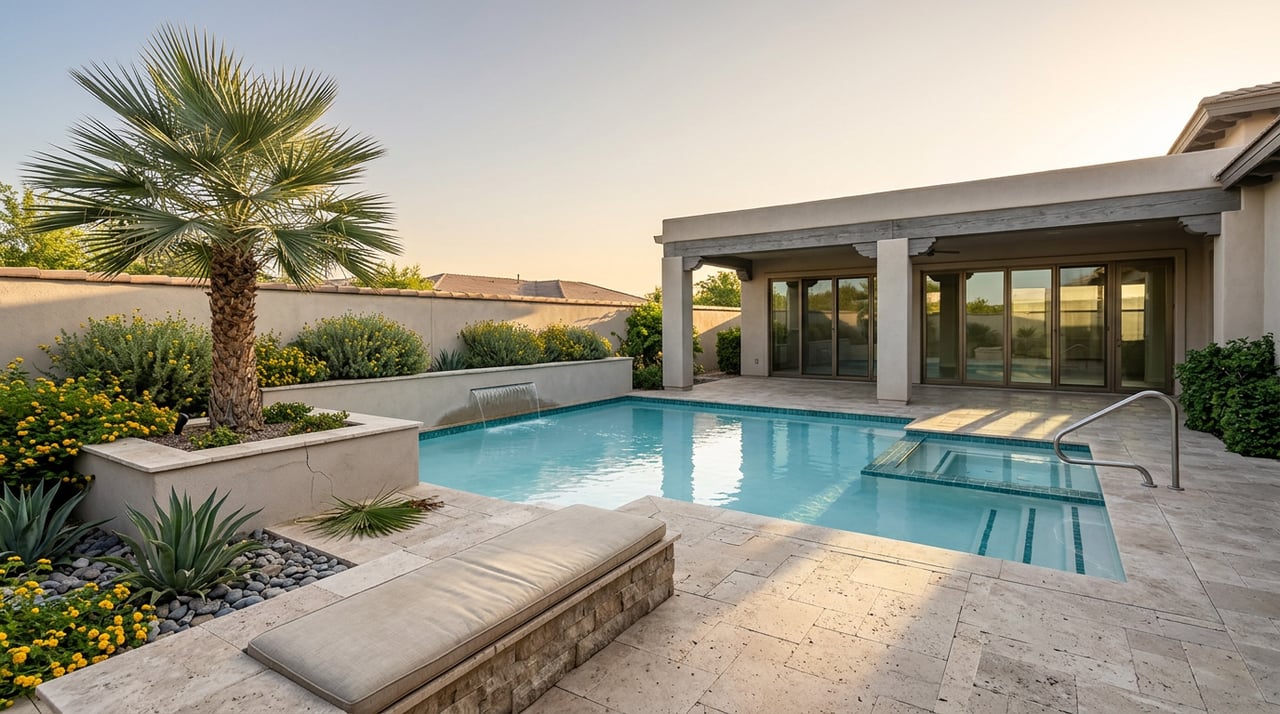
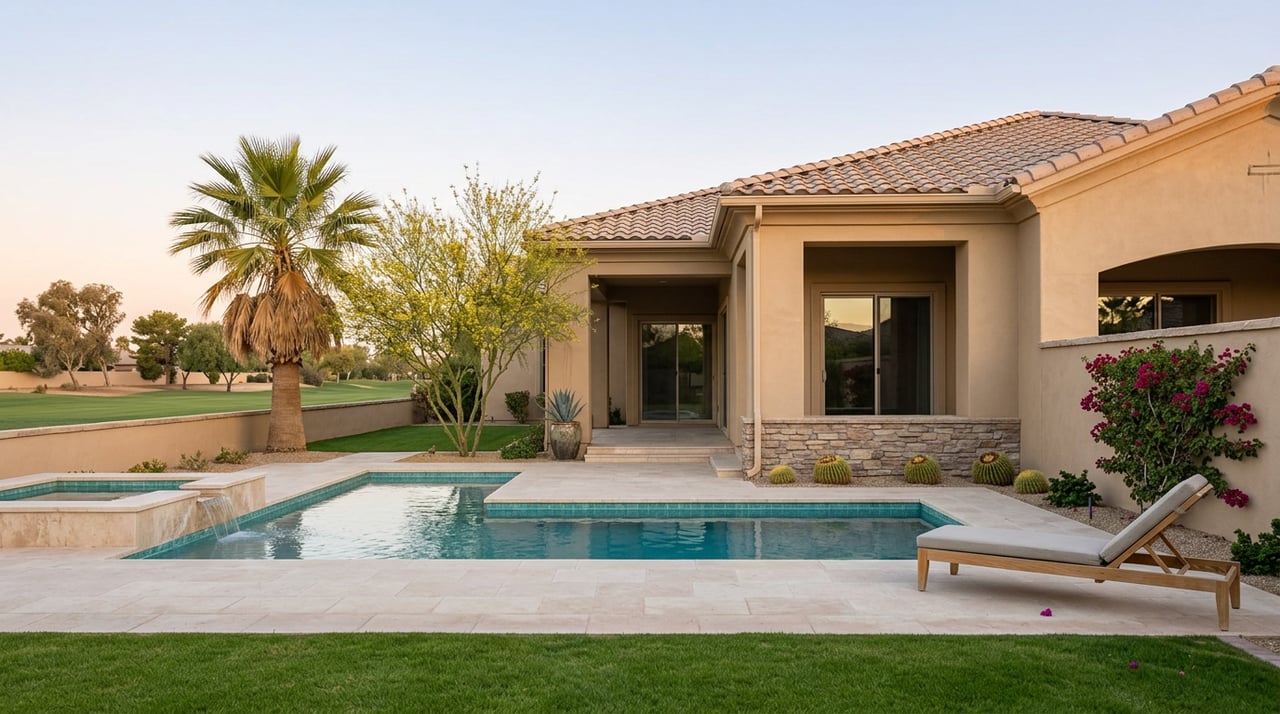
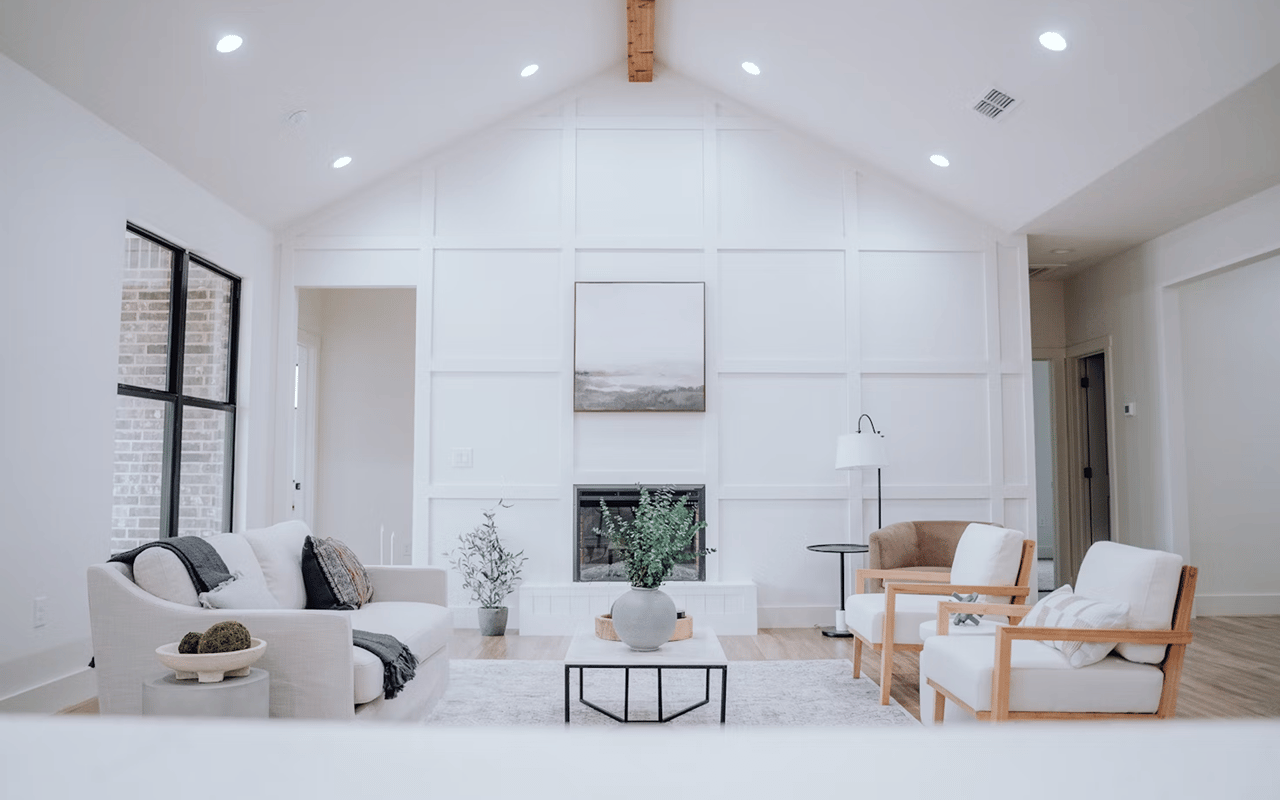
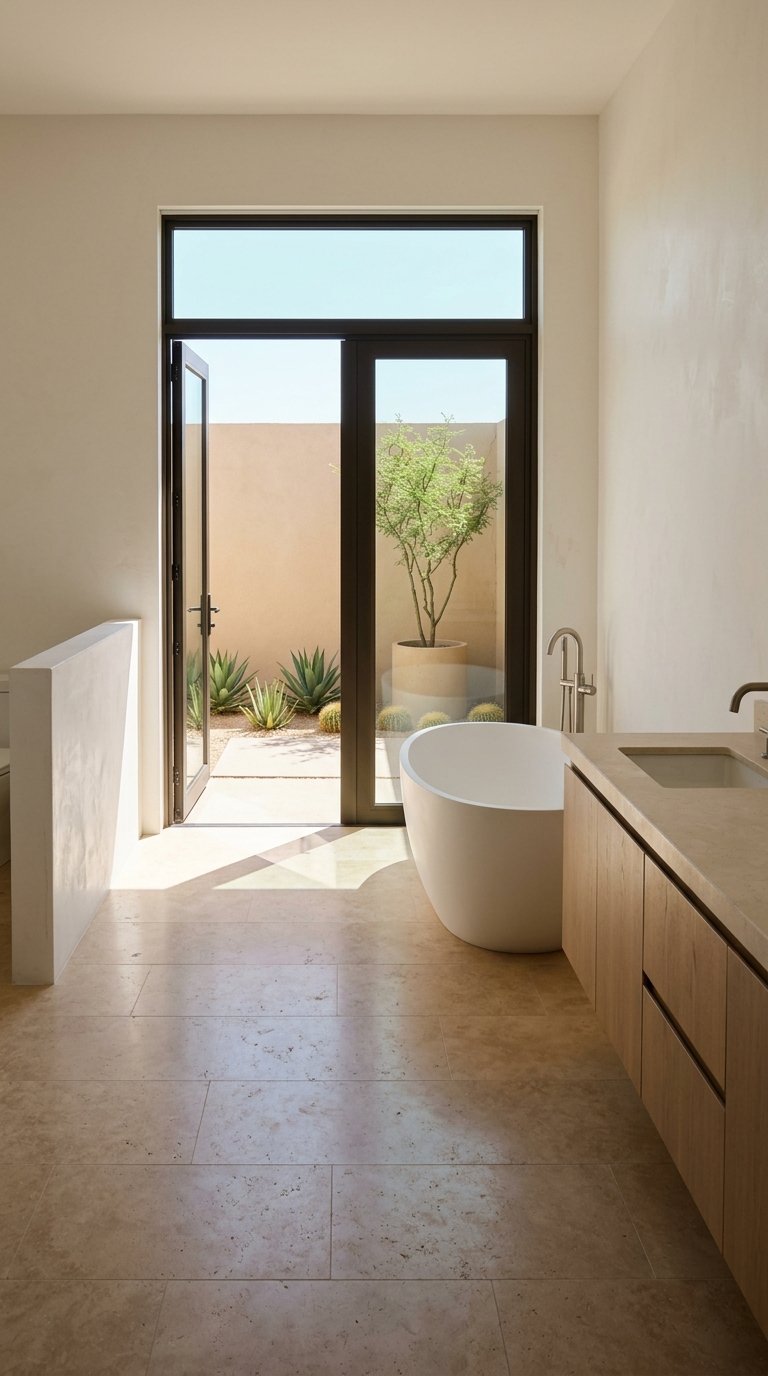
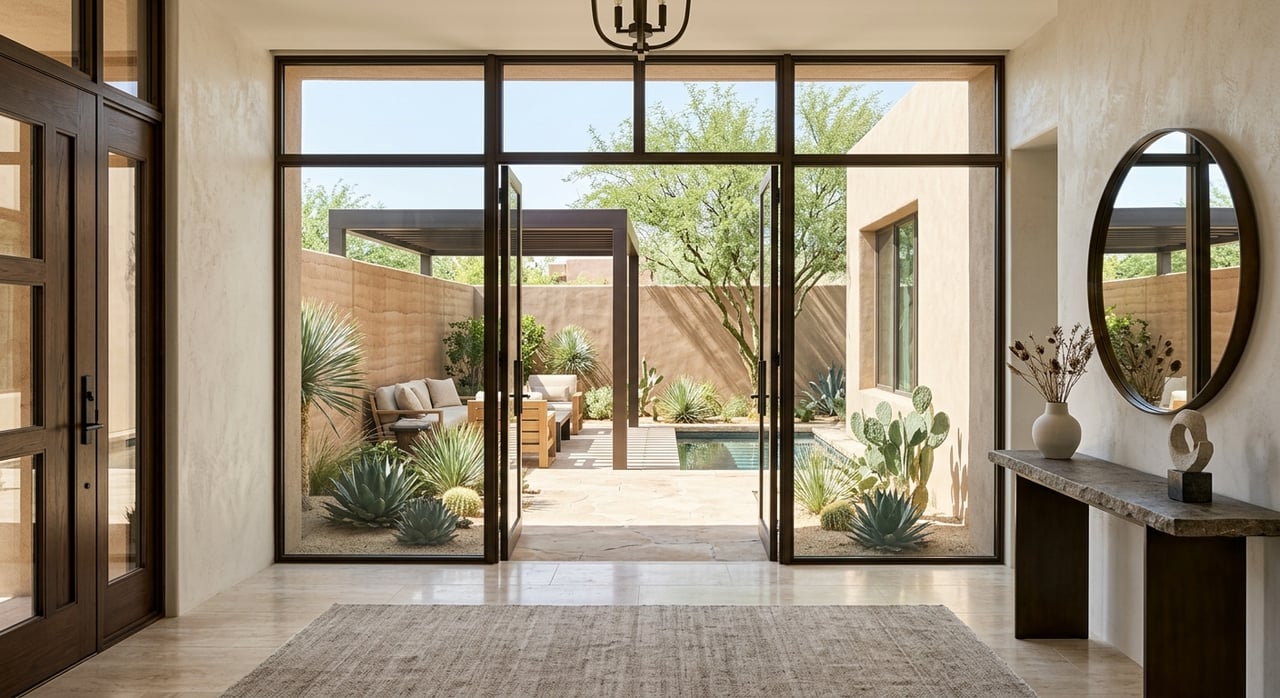
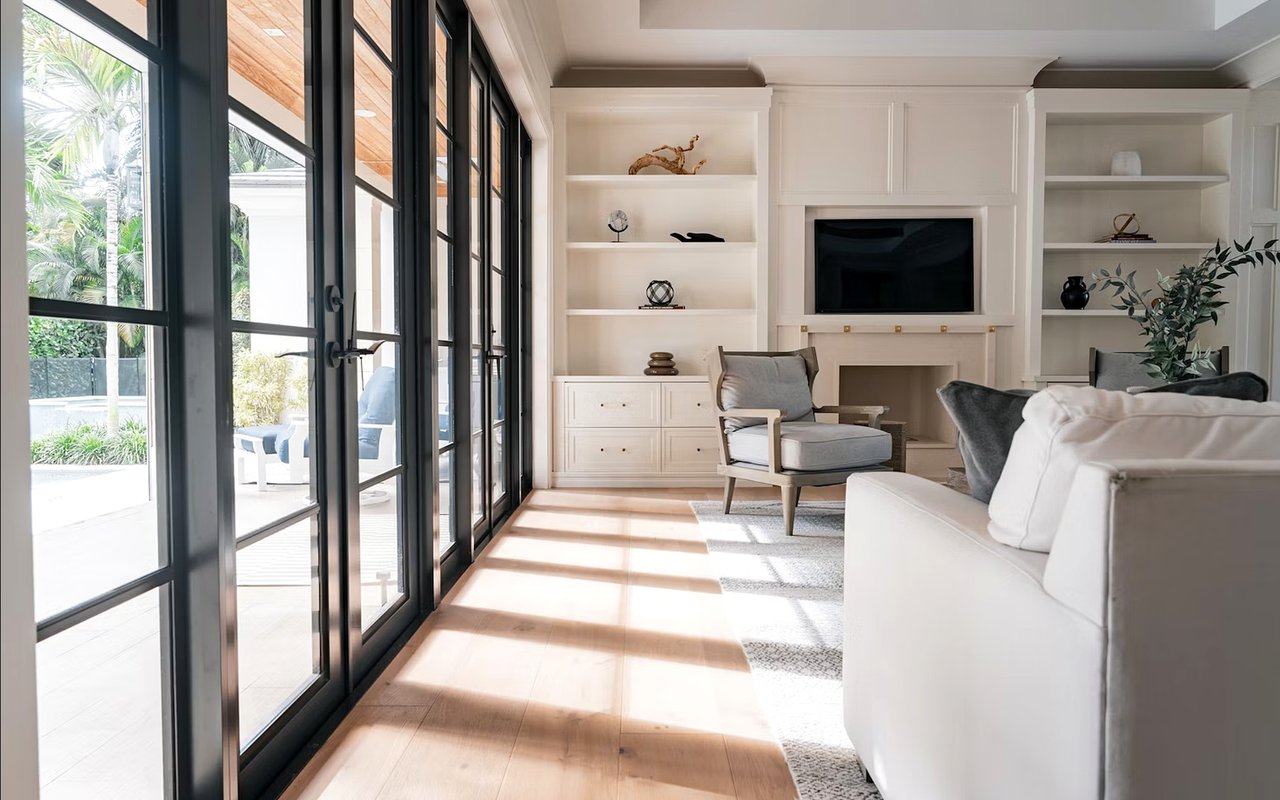
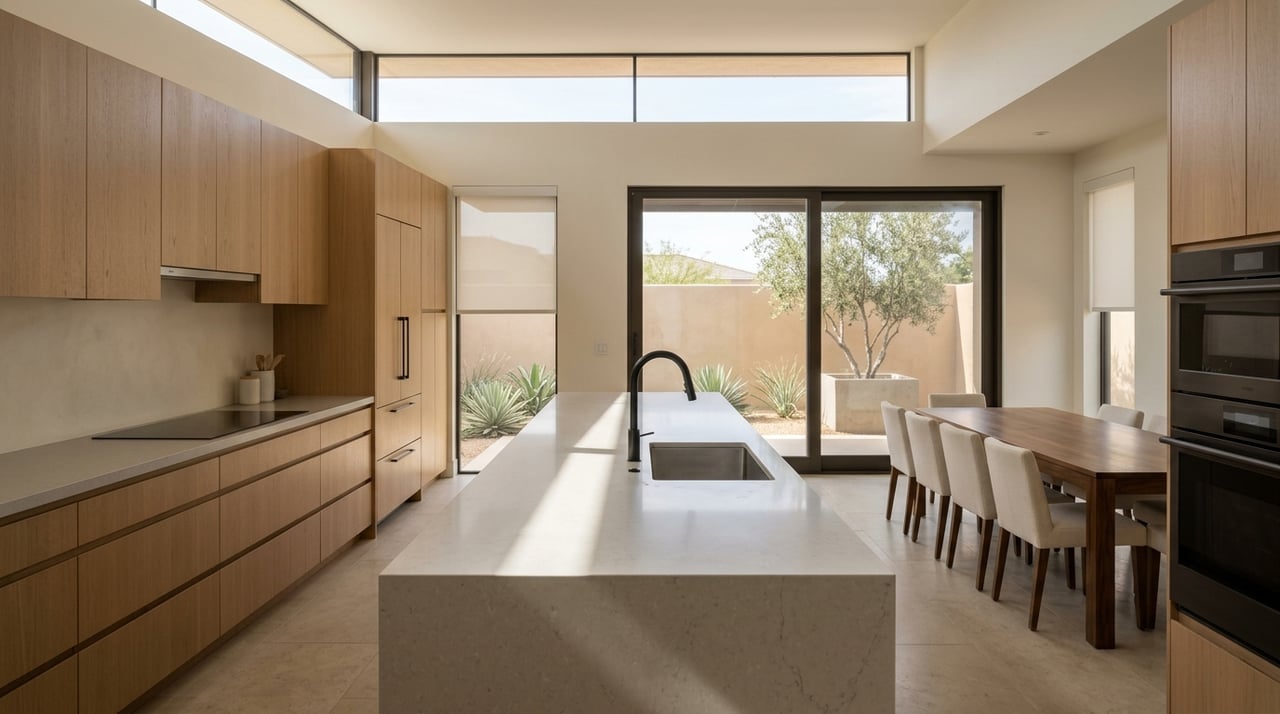
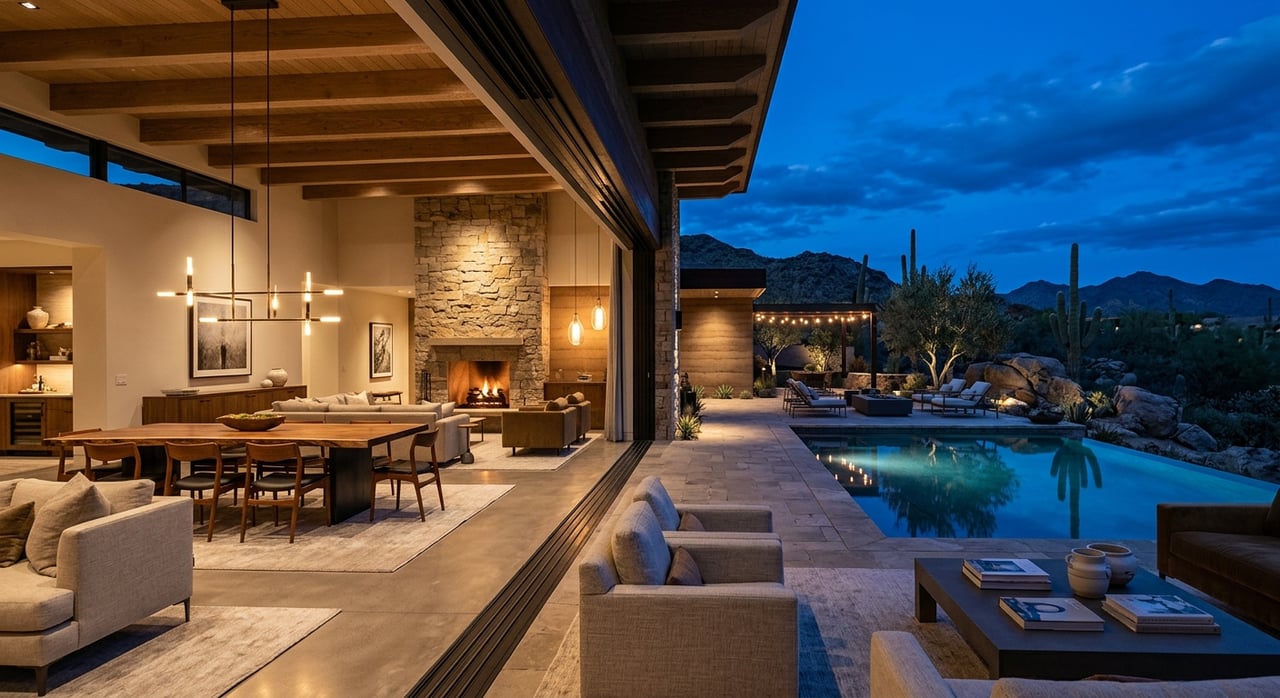
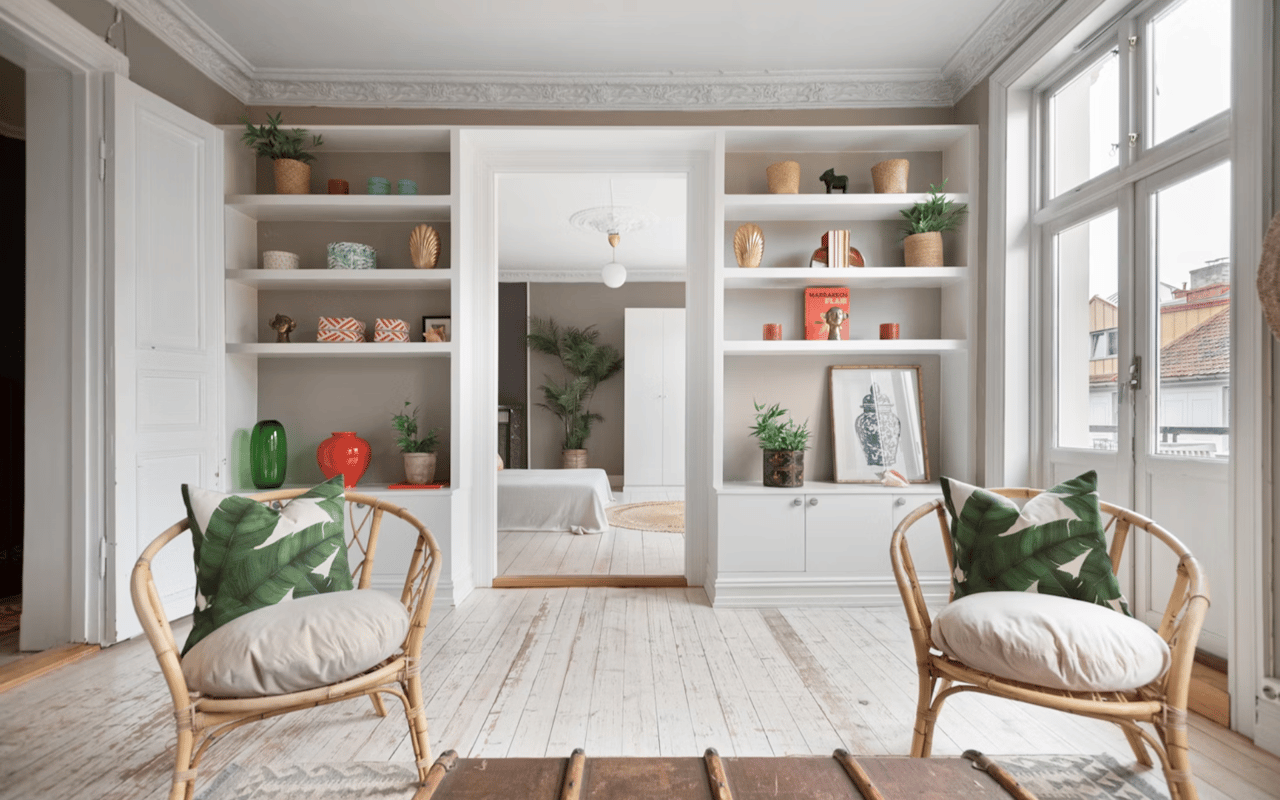
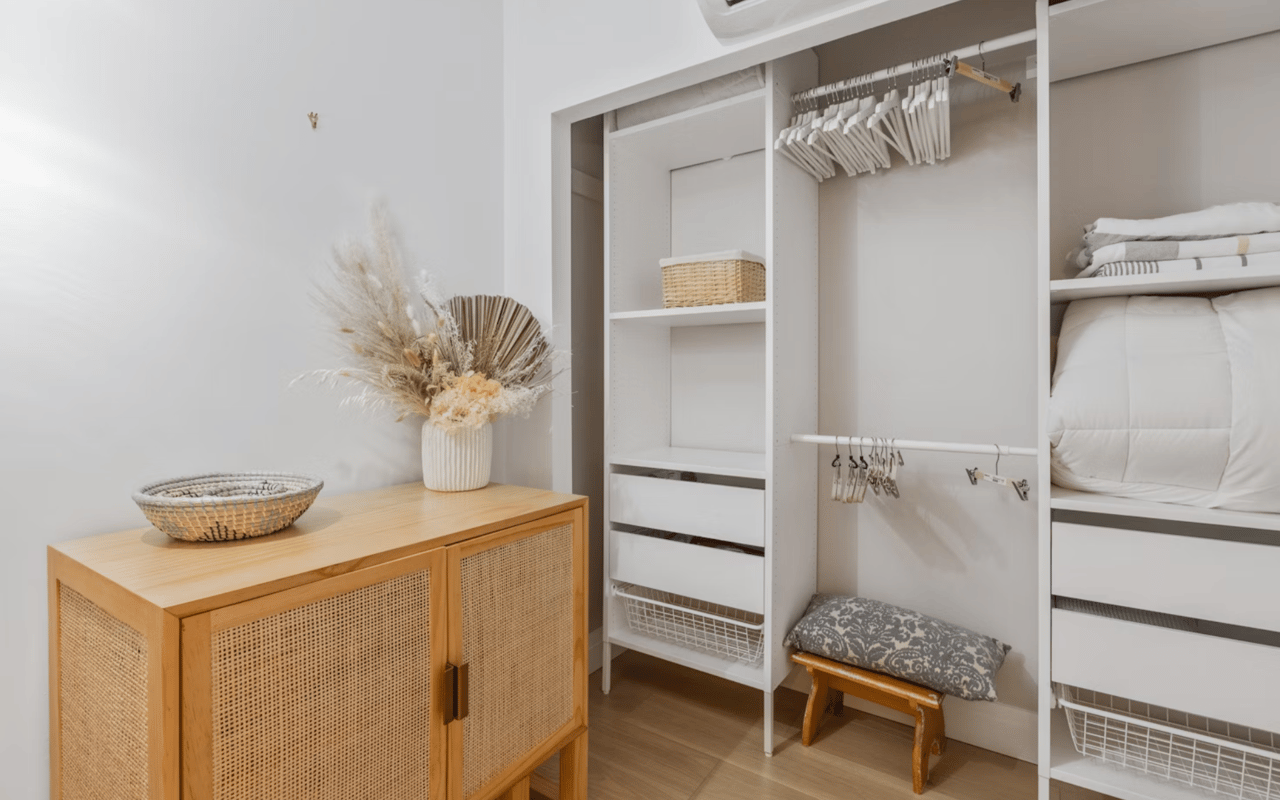
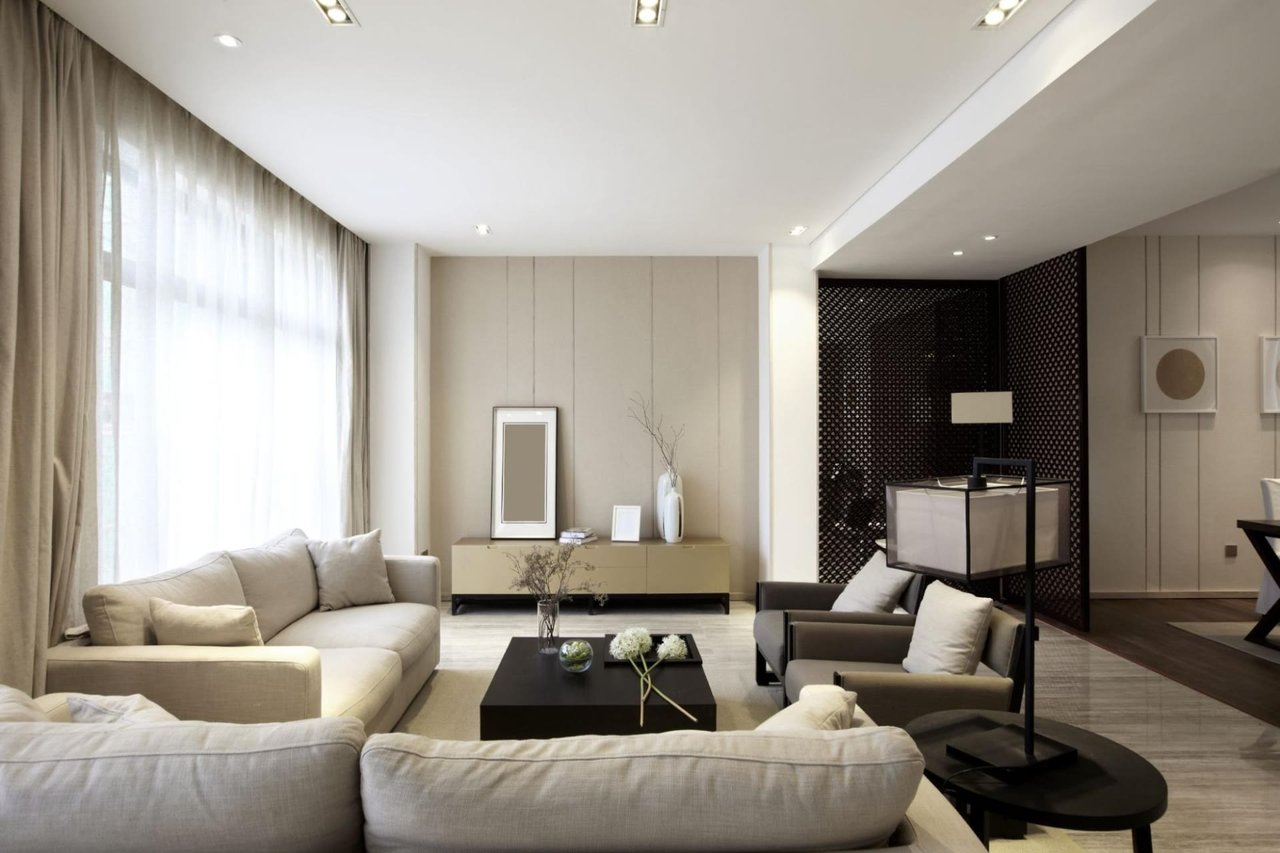
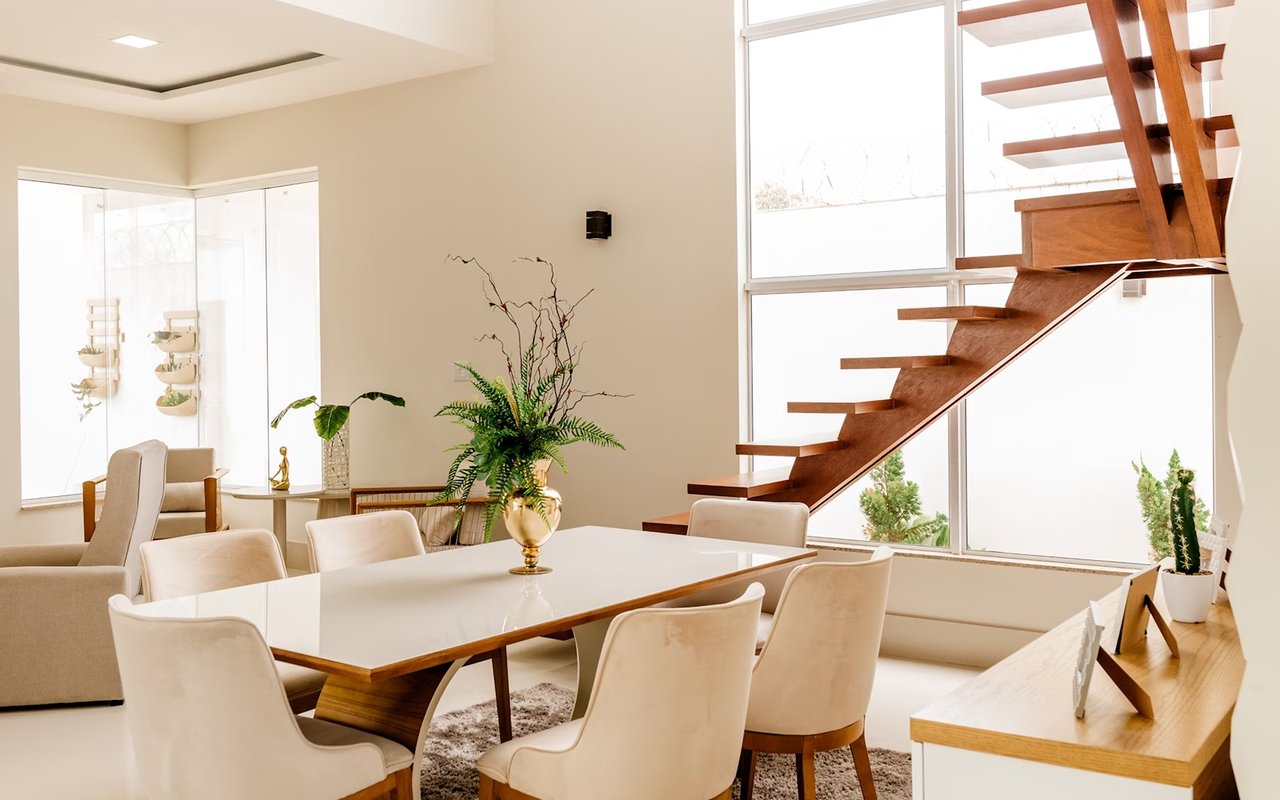
Luxury buyers in a community like The Vintage expect polish. Presentation is not about making a home look generic. It is about helping buyers immediately understand the quality, care, and livability of the property.
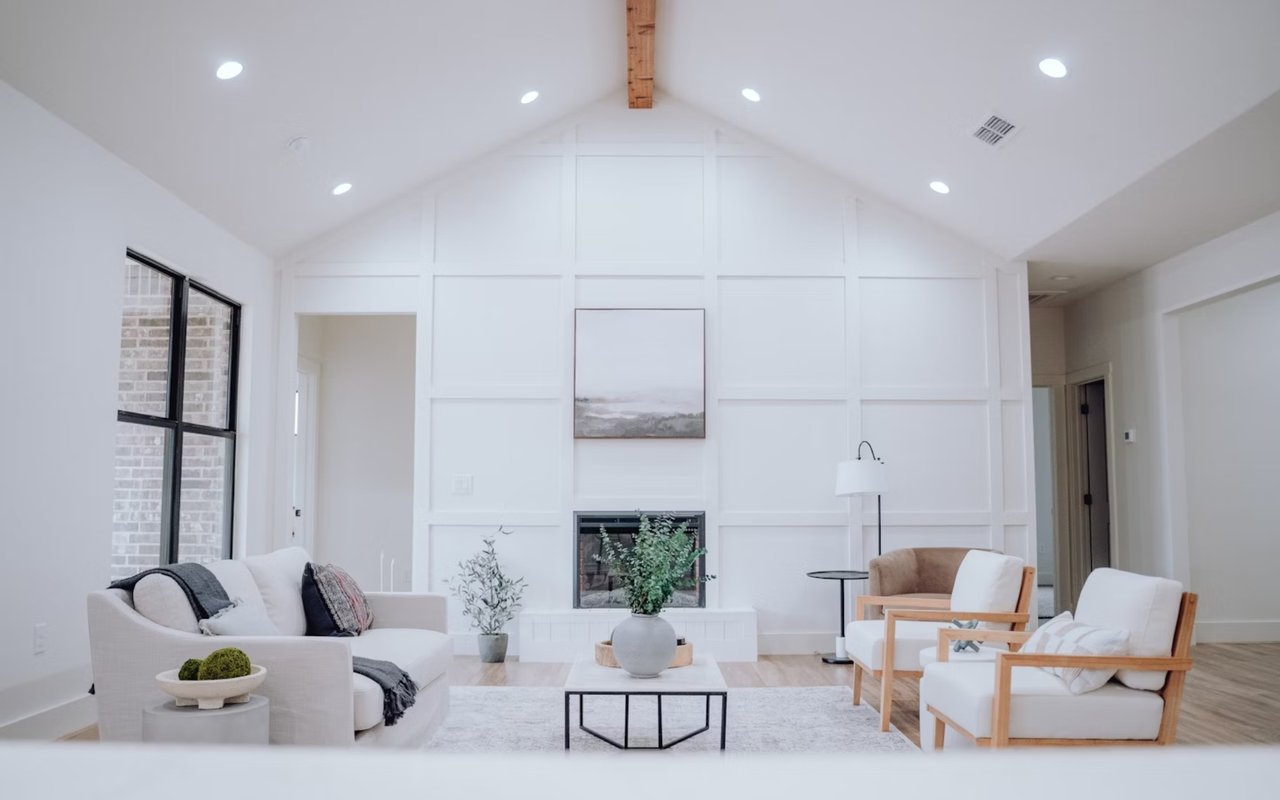
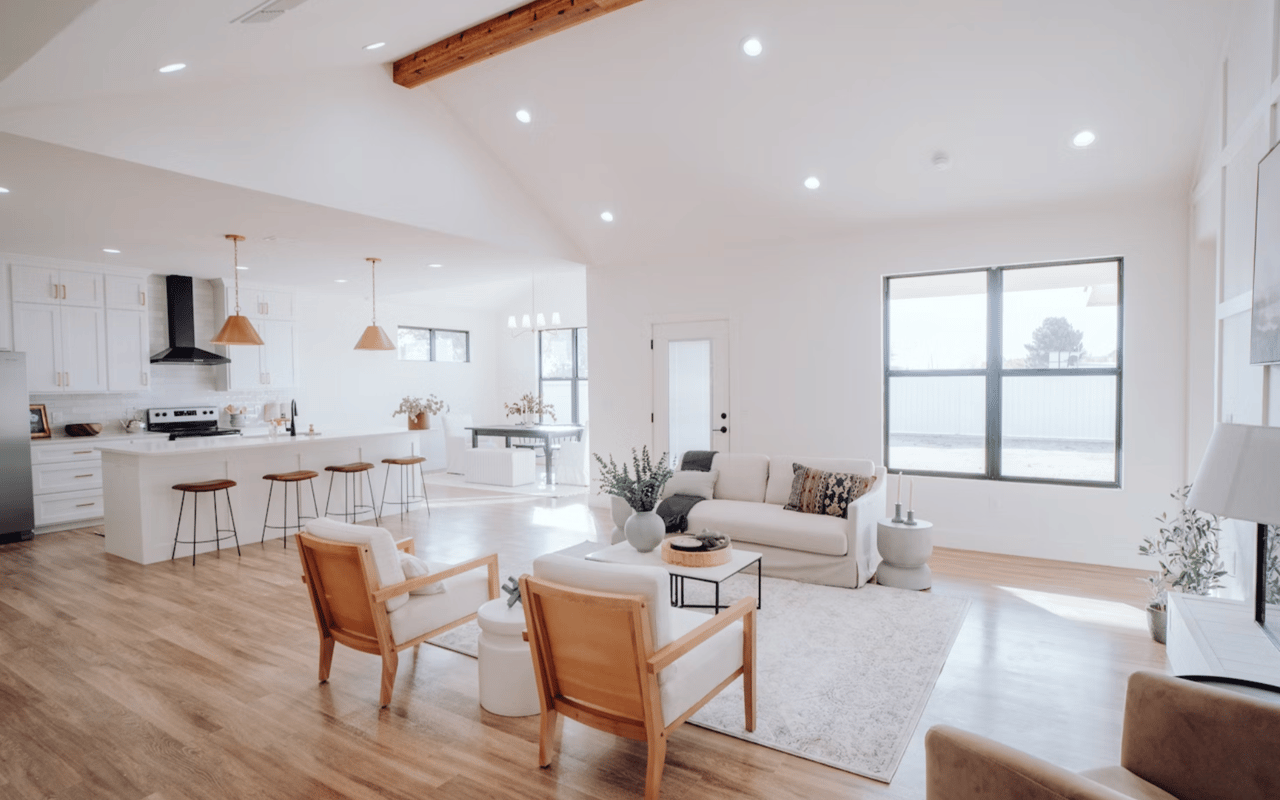
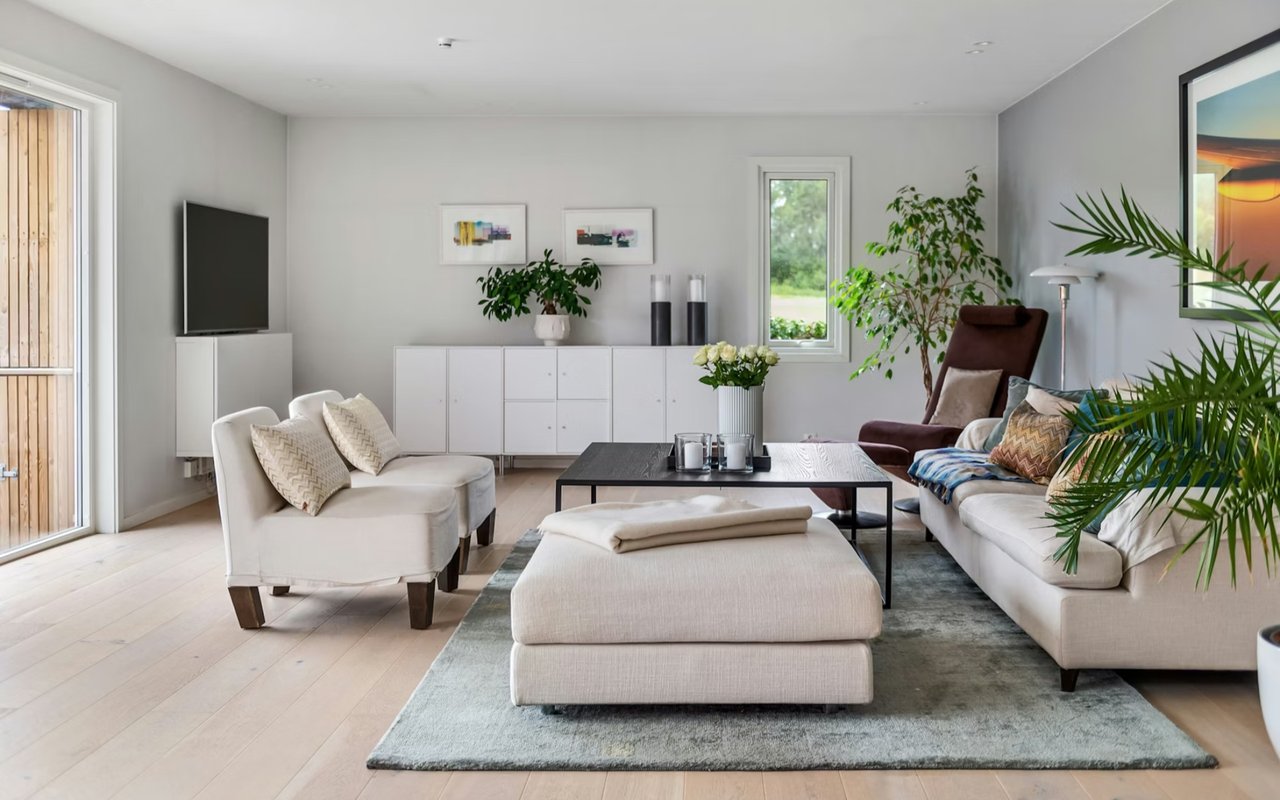
National staging research cited in the report supports that approach. In NAR’s 2025 Profile of Home Staging, 29% of agents reported a 1% to 10% increase in dollar value offered when a home was staged, 49% of sellers’ agents saw faster sales, and 83% of buyers’ agents said staging made it easier for buyers to visualize a property.
Focus on visual readiness
Before listing, prioritize the basics that shape first impressions:
- Declutter and simplify each room
- Deep clean interior and exterior spaces
- Reduce visual distractions
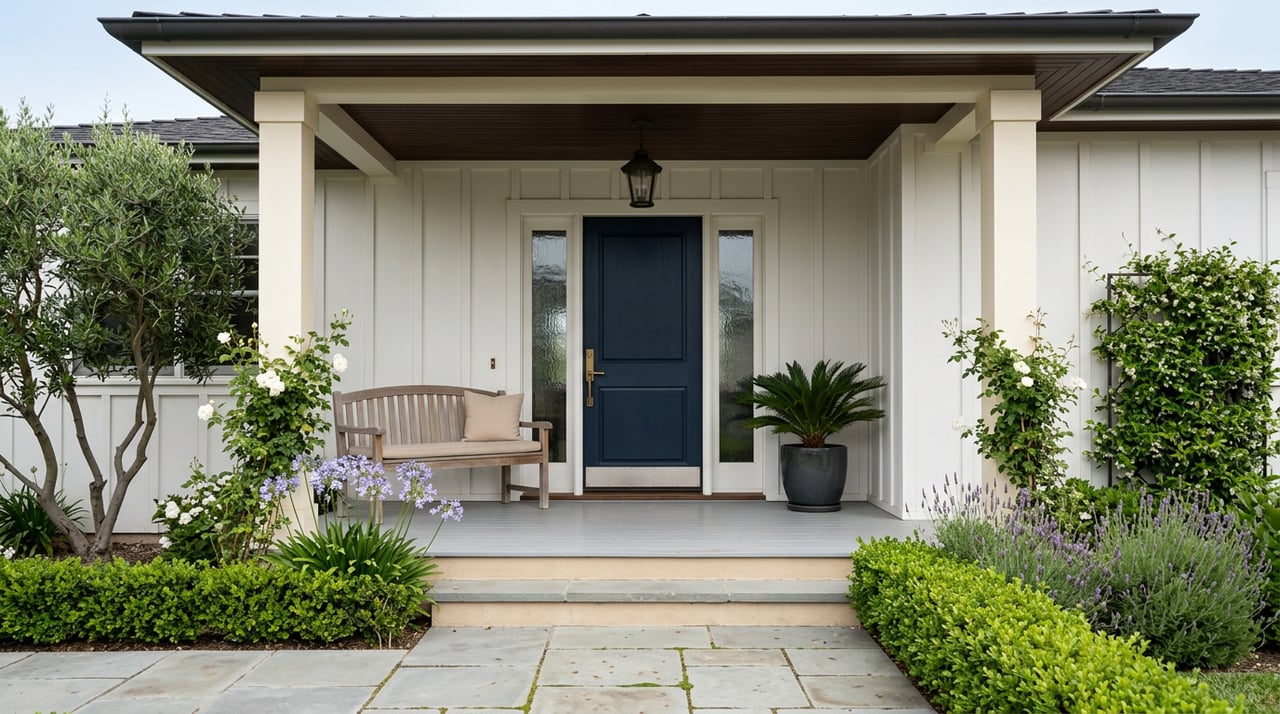
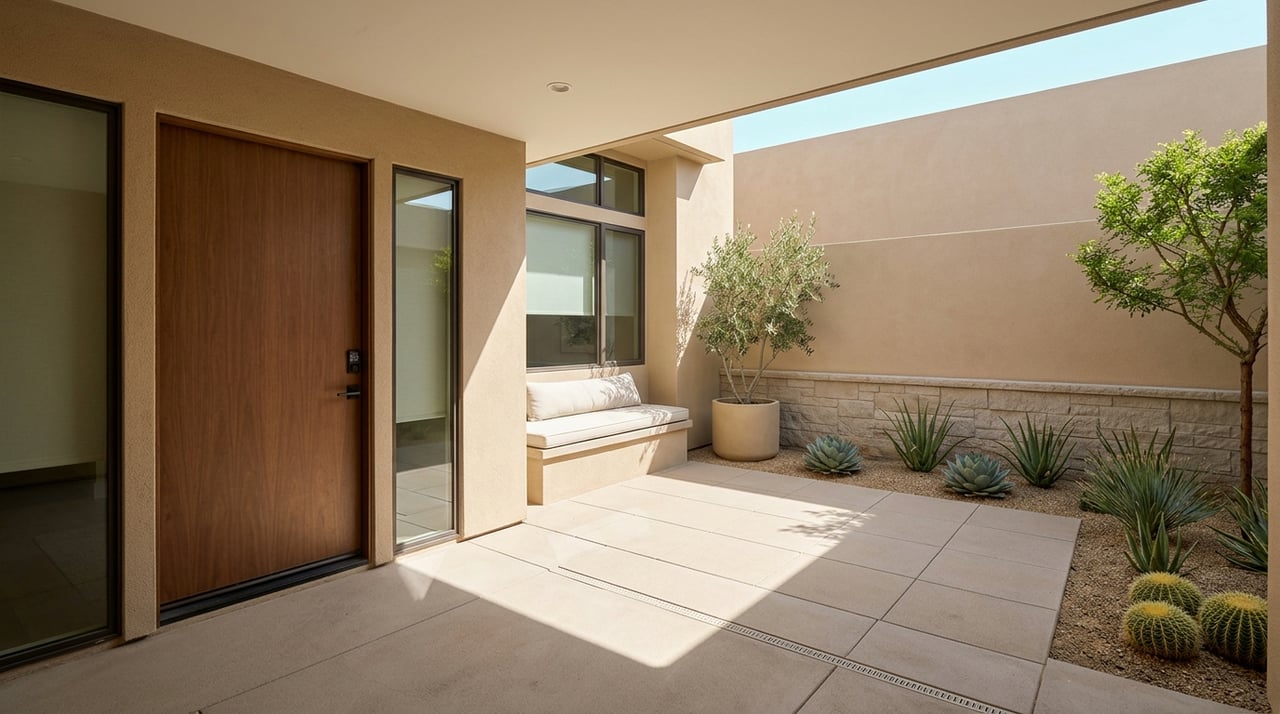
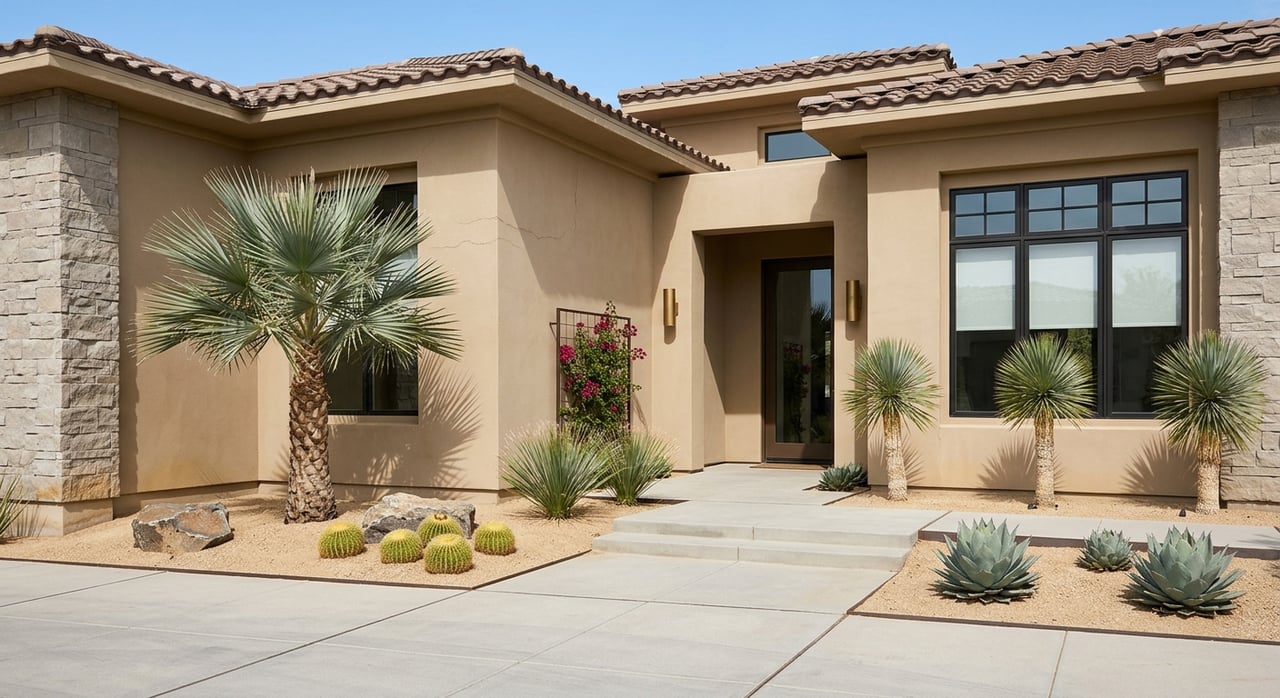
- Refresh curb appeal and entry experience
- Use professional photography and video
- Consider virtual tours if they fit the property
These steps matter because buyers often form their first opinion from images. In an upper-tier market, strong visuals help justify the price and encourage qualified showings.
Respect Privacy in the Marketing Plan
A Vintage Club sale should be marketed with discretion. The club’s rules describe the property as private and secure, limit unaccompanied guests in major amenities, and prohibit commercial enterprise from using club facilities for advertising or sales promotions.
That suggests a more controlled, appointment-driven strategy than you might use in a conventional neighborhood. Marketing should be thoughtful about access, careful about how amenity imagery is used, and selective in how detailed property information is shared.
Why discretion helps your sale
Privacy is part of the appeal of The Vintage. When a listing strategy respects that culture, it tends to align better with both the community and the likely buyer pool.
In practice, that often means focusing on qualified inquiries, planned showings, and a polished digital presentation rather than relying on broad, high-volume exposure tactics alone. In this setting, the right buyer matters more than the most buyers.
Prepare for Buyer Scrutiny on Condition
The physical environment in the desert can influence buyer questions. Public risk data cited in the report describe The Vintage area as having moderate wildfire risk and extreme heat risk.
That does not change the value of the property, but it can change what buyers look at closely. HVAC service history, roof condition, irrigation, pool equipment, exterior finishes, and general upkeep may all carry more weight when a buyer is assessing long-term maintenance.
A pre-listing inspection can reduce surprises
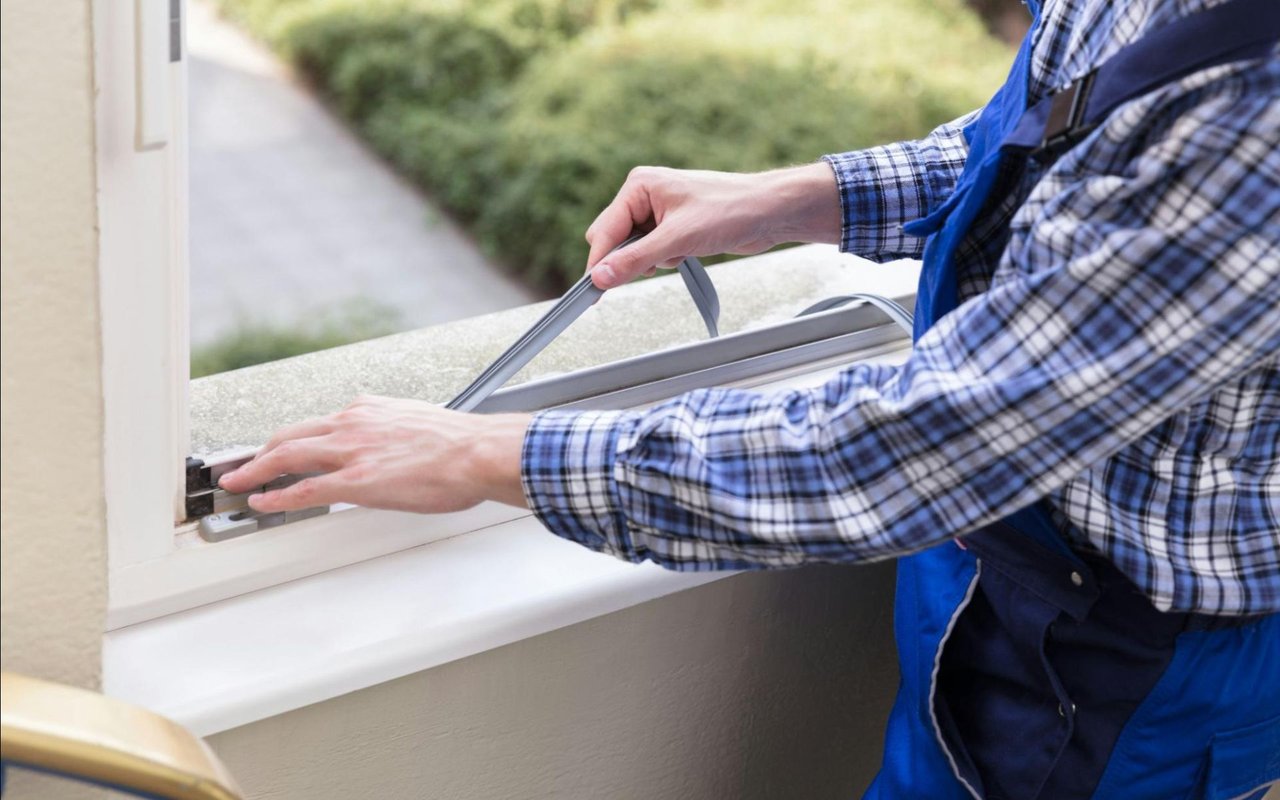
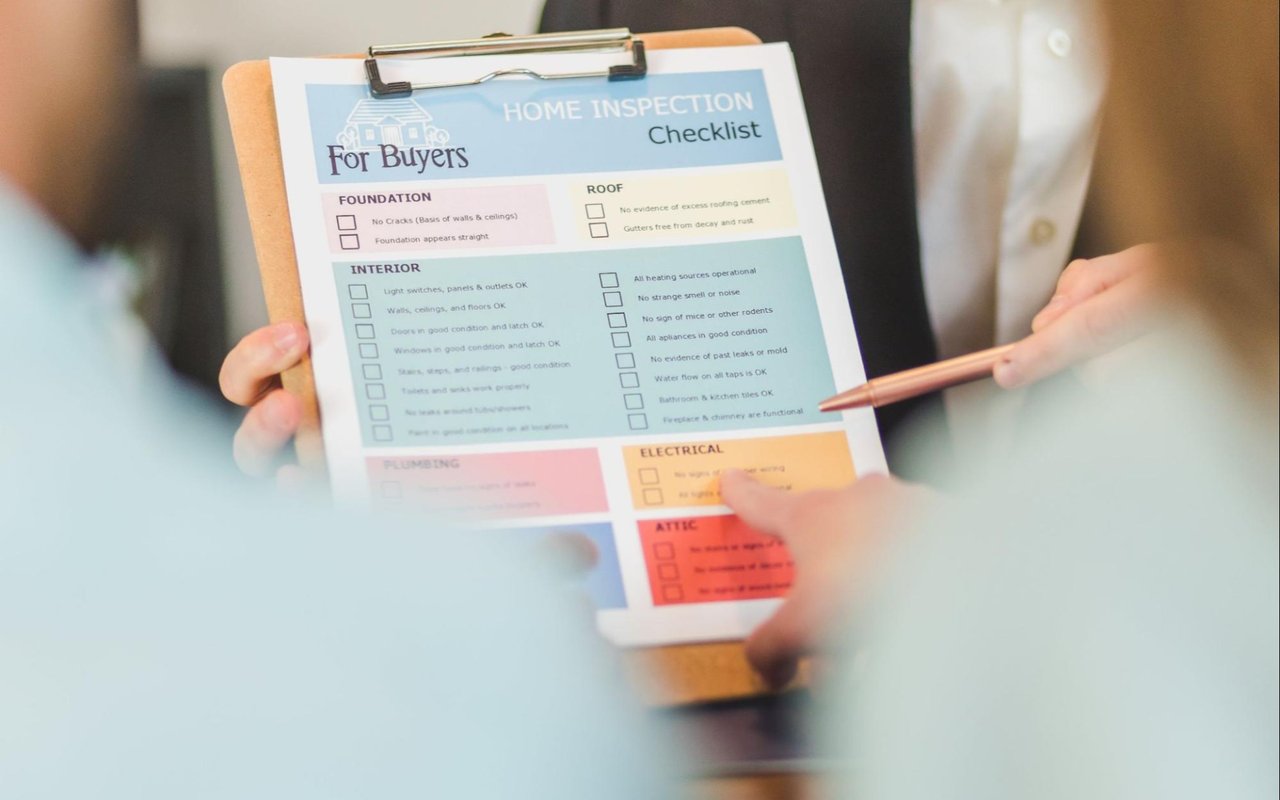
A pre-listing inspection is one of the most practical steps you can take. NAR guidance referenced in the report notes that pre-sale inspections can help identify issues before showings begin and reduce surprises related to plumbing, roof, and electrical concerns.
In a high-value club market, that can be especially useful. If you learn about issues early, you have more options. You can repair them, price around them, or prepare documentation that keeps negotiations from getting sidetracked later.
Get Your Documentation in Order
Clean documentation supports a smoother transaction. Buyers in a community like The Vintage often expect prompt, organized answers, especially when a home is part of a club and HOA framework.
Before listing, it helps to assemble:
- Club and HOA documents
- Membership-related paperwork tied to the property
- Utility and maintenance records
- Warranties and manuals
- Receipts for upgrades and major systems
- Property, sales, or permit records as needed
Riverside County’s Assessor-County Clerk-Recorder tools support property, sales, and permit searches by address or APN, and owners can also request official records when needed. Having these materials ready can improve buyer confidence and shorten back-and-forth once a serious offer arrives.
Think Beyond the House Itself
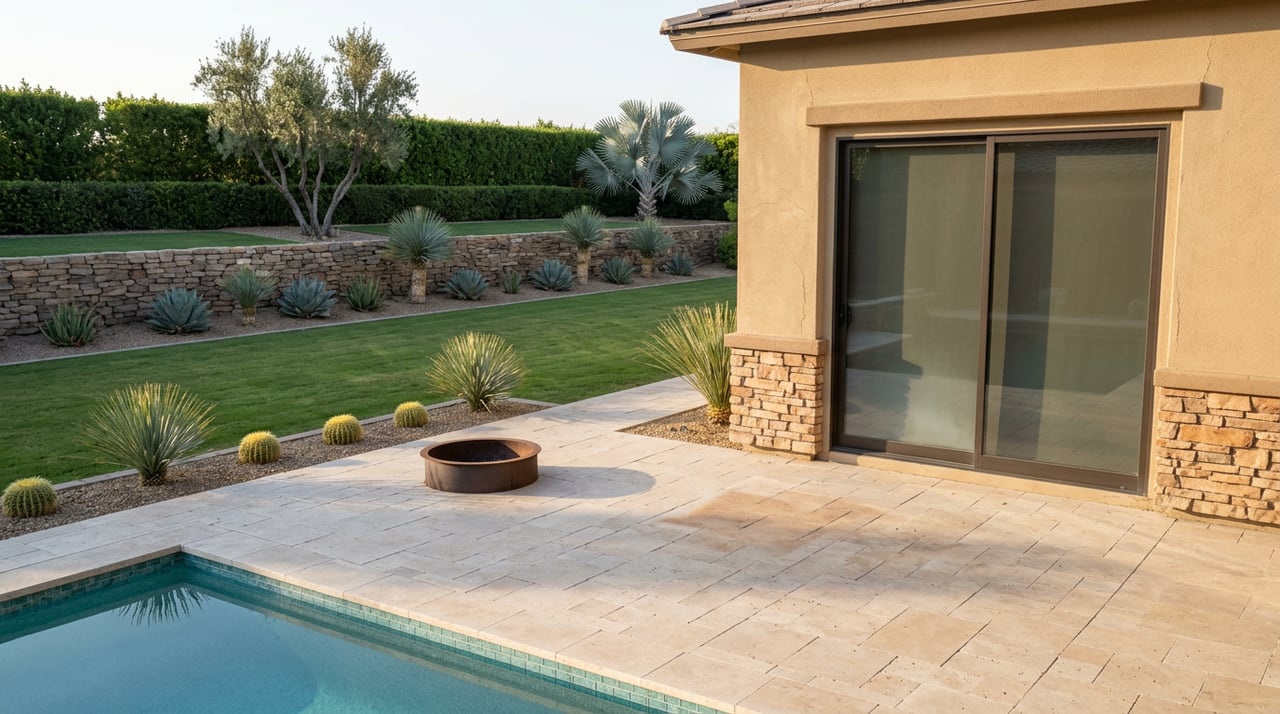
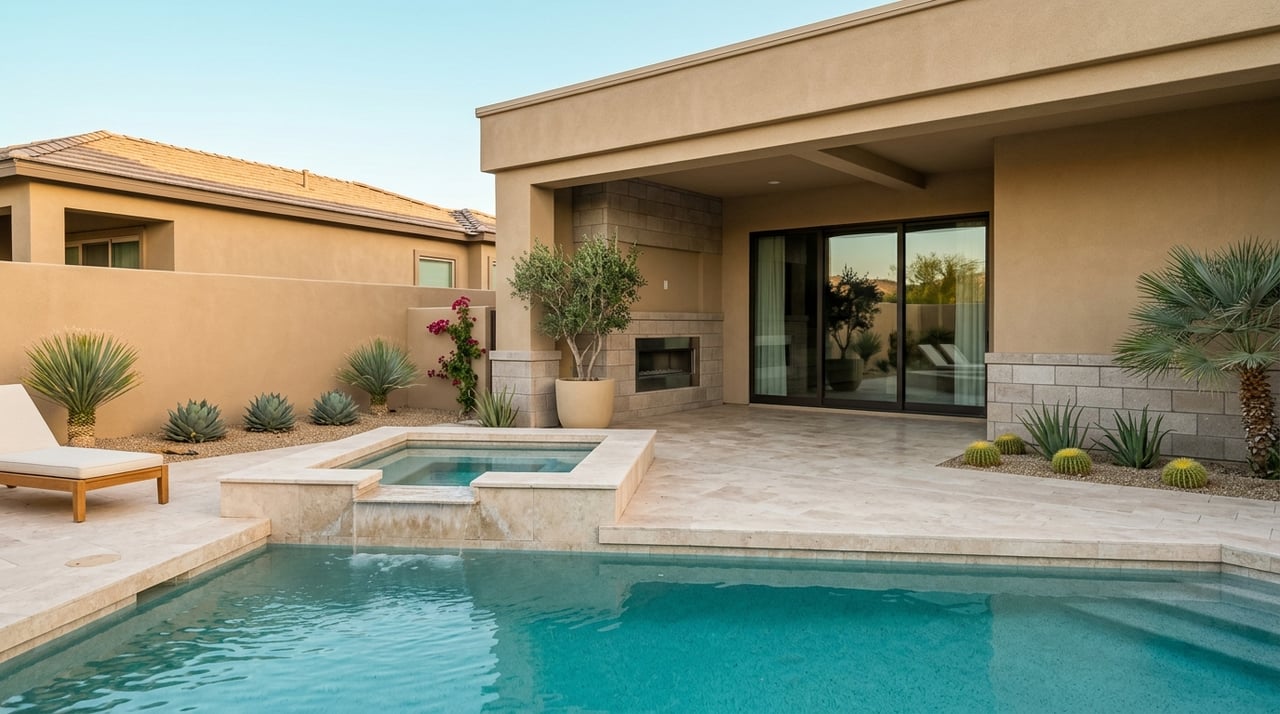
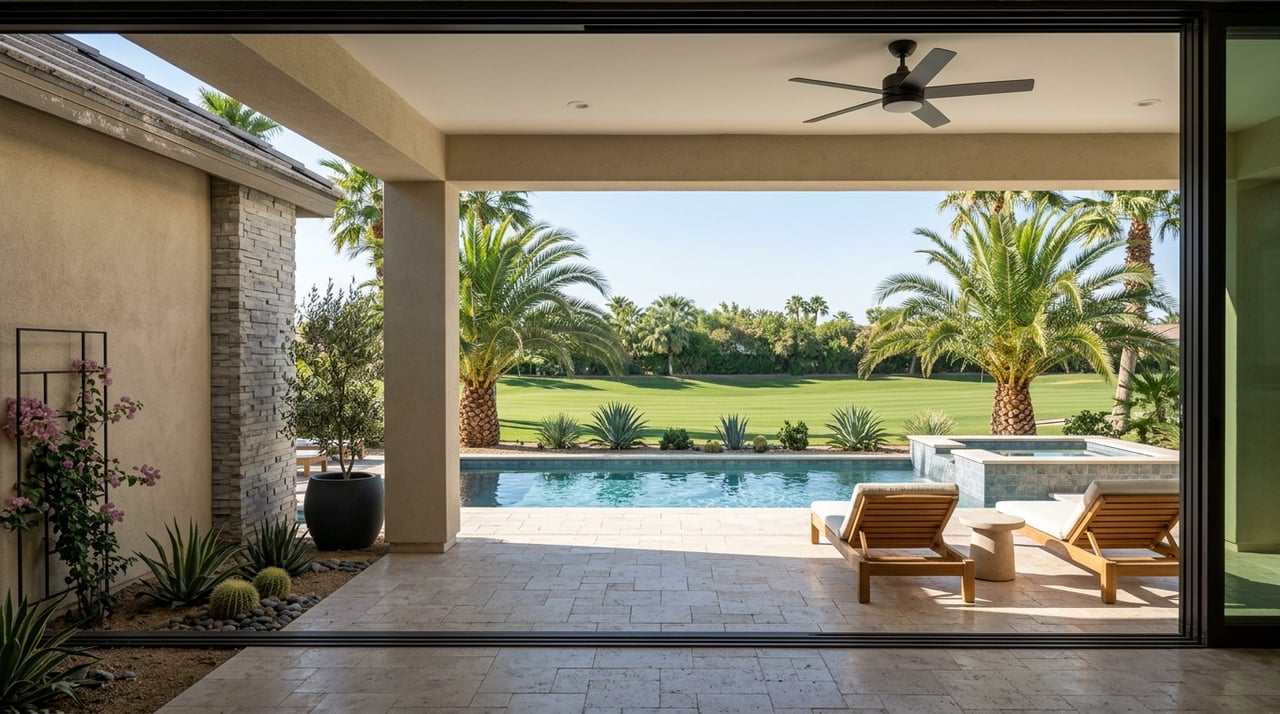
In The Vintage, buyers often compare more than bedroom count and square footage. View orientation, lot privacy, interior finish level, and how recently the home has been renovated can all influence interest and value.
That means your strategy should tell a precise story. If your property offers exceptional privacy, a strong indoor-outdoor layout, updated systems, or a particularly desirable setting, those points should be reflected in the pricing, photography, and showing plan. The more clearly your home’s advantages are defined, the easier it is for buyers to understand why it stands apart.
What a Strong Selling Strategy Looks Like
For most Vintage Club sellers, the best plan is not flashy. It is disciplined. It combines realistic pricing, excellent preparation, privacy-aware marketing, and a timing strategy that fits the seasonal rhythm of Indian Wells.
At this level of the market, details shape outcomes. When you match the property to the right buyer with the right presentation and the right expectations, you put yourself in a much stronger position to sell with less friction.
If you are preparing to sell in Indian Wells or another desert club community, working with a team that understands micro-market pricing, buyer expectations, and the pace of luxury transactions can make the process more manageable from start to finish. Connect with the DWA Team for thoughtful guidance tailored to your property and timeline.
FAQs
What makes selling in The Vintage Club different from selling elsewhere in Indian Wells?
- The Vintage Club is a private club community with its own membership structure, privacy culture, and wide pricing range, so sellers need a more tailored strategy than they would in a typical neighborhood.
How should a seller price a home in The Vintage Club?
- Pricing should be based on recent comparable sales within The Vintage, with close attention to floor plan, condition, view orientation, lot privacy, size, and updates rather than relying on a single automated estimate.
When is the best time to list a home in The Vintage Club?
- Winter and spring are often the strongest visibility periods because Indian Wells is especially active during high season, including the period around the BNP Paribas Open and the club’s busier social calendar.
Why is staging important for a Vintage Club home sale?
- Staging can help buyers visualize the home more easily, strengthen first impressions in photos and tours, and may support faster sales or stronger offers based on the research cited in the report.
What documents should a Vintage Club seller gather before listing?
- Sellers should gather club and HOA documents, membership-related paperwork, maintenance records, warranties, manuals, receipts for upgrades, and any needed property or permit records.
Should marketing for a Vintage Club listing be handled differently?
- Yes. Because the club emphasizes privacy and has rules around access and commercial promotion, marketing is usually best handled through a controlled, appointment-based plan with careful attention to discretion.