Wondering why one month in Indian Wells Country Club feels busy and competitive, while another feels calmer and more negotiable? In a desert luxury market like this one, timing can shape everything from buyer traffic to pricing strategy. If you are thinking about buying or selling here, understanding the seasonal rhythm can help you make smarter decisions and avoid guesswork. Let’s dive in.
Why seasonality matters here
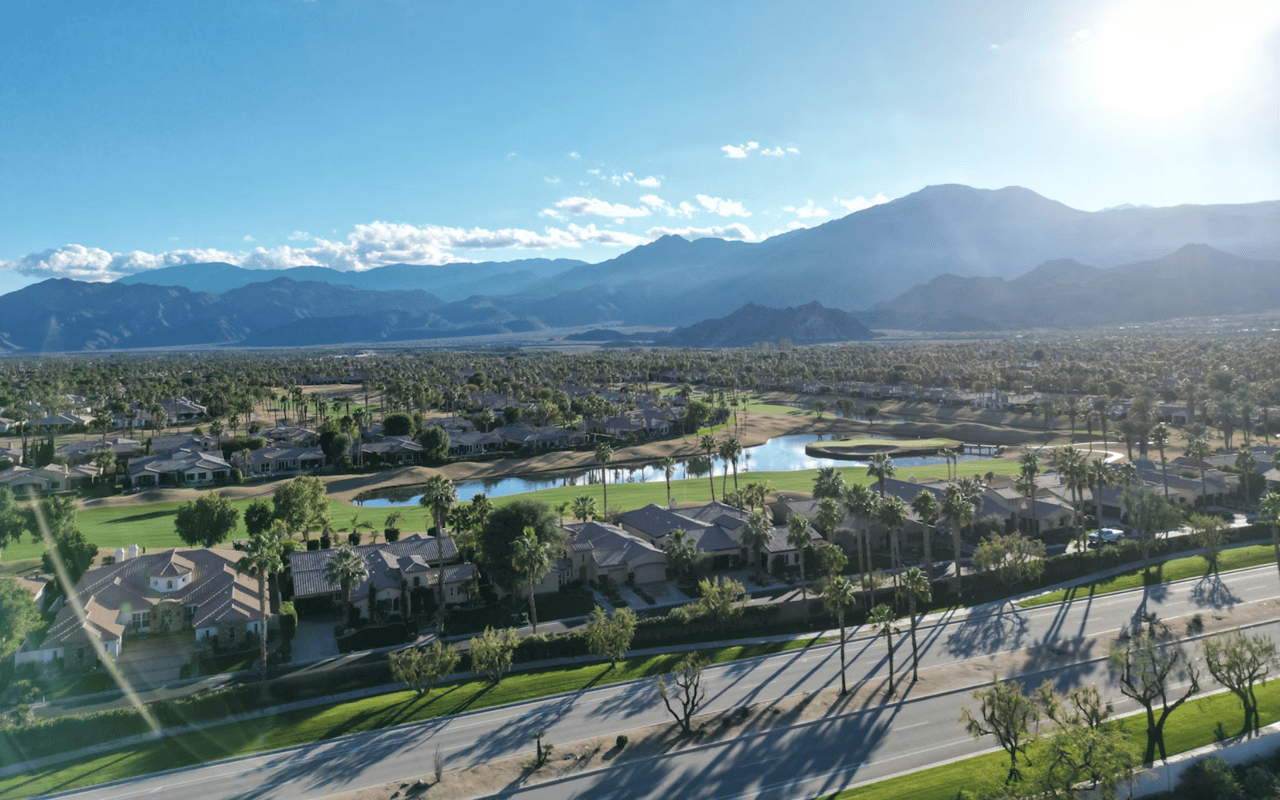
Indian Wells Country Club does not move like a typical year-round suburban neighborhood. It behaves more like a resort and second-home market, where weather, visitor patterns, and spring events can influence how many buyers are in town and how active showings become.
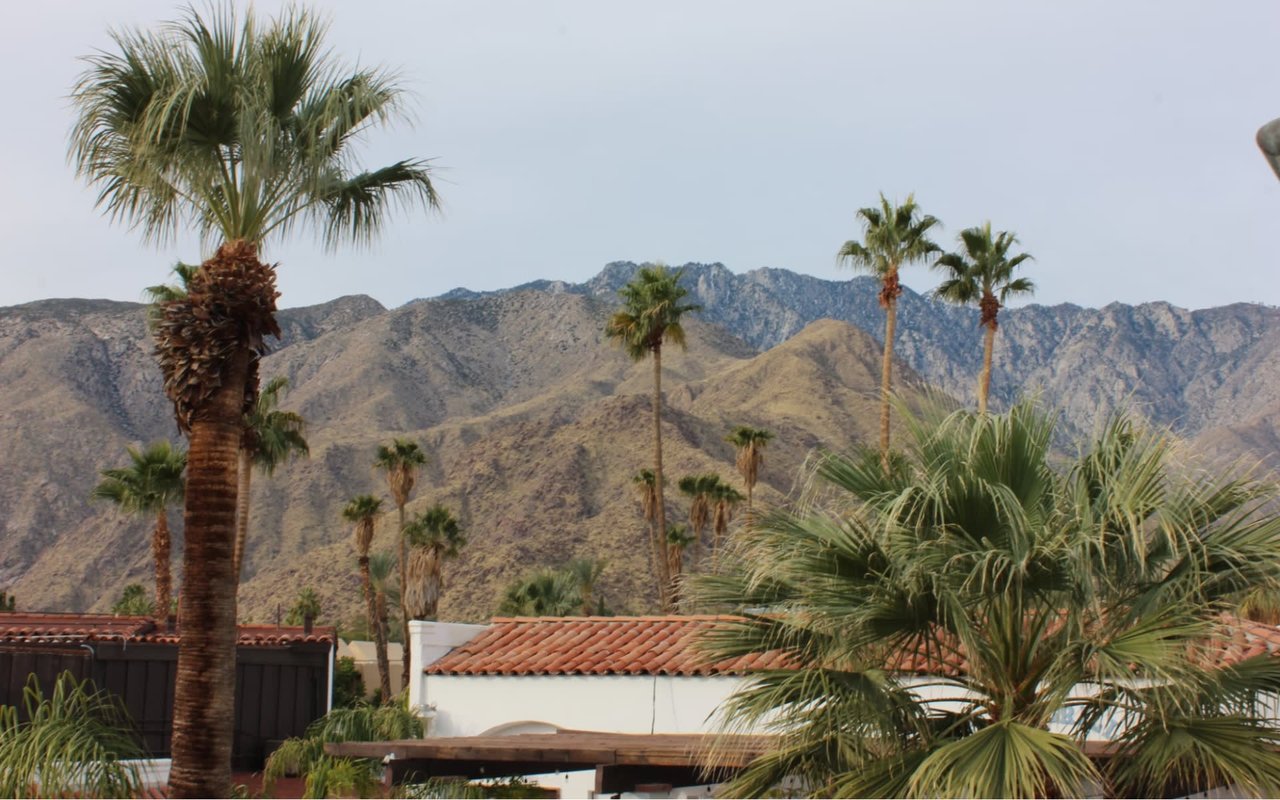
In Greater Palm Springs, winter is warm and mild, while June through September is the hottest part of the year and can reach the low triple digits. Spring also brings some of the valley’s highest-profile events, including the BNP Paribas Open in March and major April events like Coachella and Stagecoach. That combination usually helps create the strongest demand window from late fall through spring.
What current market data shows
Recent public data points to a luxury market that is active, but not overheated. Over the three months ending April 2026, Redfin reported Indian Wells had a median sale price of $1,524,213, down 10.2% year over year, with homes selling after 58 days on market and 70 homes sold in April compared with 90 a year earlier.
Zillow’s April 30, 2026 snapshot showed an average Indian Wells home value of $1,456,020, with 169 homes for sale, 36 new listings, and a median 65 days to pending. These numbers are not identical because each source uses a different method, but they tell a similar story: homes are selling, though the pace is measured.
A recent community-level snapshot for Indian Wells Country Club showed 22 active listings, 3 new listings, and 6 sold in the last 30 days, with active homes at a median 70 days on site. That reinforces the idea that buyers and sellers are still transacting here, even when the market is not moving at a rush.
Buyer patterns by season
Winter and spring bring more activity
If you want the widest selection, winter and early spring are often the best times to watch the market. Seasonal owners are in town, the weather is more comfortable for tours, and the valley is busier overall.
This is also when standout homes can draw stronger attention. Even in a market that is not highly competitive across the board, a well-located, updated, or well-priced property may still prompt quicker decisions during peak season.
Summer may offer more leverage
Summer tends to be the quieter stretch in Indian Wells. With hotter weather and fewer casual shoppers, buyers may find less competition and more room to negotiate on price, credits, or other terms.
That does not mean every seller is eager to make major concessions. It does mean the overall setting can favor buyers who are prepared, patient, and realistic about value.
Seller patterns by season
Late winter through spring can maximize exposure
For many sellers, the strongest visibility window is late winter through spring, especially March and April. The BNP Paribas Open takes place in March at the Indian Wells Tennis Garden, and the broader spring calendar brings major visitor traffic into the valley.
When more seasonal residents and visitors are in town, your listing has a better chance of being seen by active buyers already experiencing the area firsthand. In luxury markets, that added visibility can matter.
Spring often helps the luxury tier
Statewide data also supports the idea that spring can be especially helpful for higher-end listings. In C.A.R.’s April 2026 update, statewide sales rose 3.9% from March, the median home price reached a record high, and homes priced at or above $2 million posted the largest sales increase.
That does not guarantee a result for every home in Indian Wells Country Club. Still, it helps explain why spring often gives the upper end of the market an extra lift.
Summer selling requires precision
If you list in summer, the strategy usually changes. Instead of relying on peak-season foot traffic, you need strong presentation, realistic pricing, and easy showing access.
The market still moves in summer, as recent community activity shows, but citywide data suggests buyers are not rushing. In that environment, sellers tend to benefit more from pricing discipline than from waiting for momentum to do the work.
How local marketing rhythm supports seasonality
The local showing pattern also reflects a market with an active cadence. CDAR’s broker-tour schedule places Indian Wells and La Quinta on Thursdays from 11 AM to 2 PM, with listings due by Wednesday at noon to be included that week.
That schedule does not prove seasonality on its own. What it does show is that local preview and marketing activity is organized and recurring, which becomes more meaningful during the months when buyer demand is already stronger.
What this means if you are buying
If you are shopping in Indian Wells Country Club, your best timing depends on your priorities. A larger selection may be available from late fall through spring, while summer may offer a calmer search and more negotiating room.
A practical buyer approach is to:
- Watch inventory and new listings closely
- Be ready to move faster on turnkey or sharply priced homes in peak season
- Stay open to summer opportunities if value matters more than volume of choices
- Compare days on market to the home’s condition, location, and asking price
If you are purchasing a second home, timing can matter even more. Seasonal markets often reward buyers who understand not just price, but also when the local buyer pool expands or shrinks.
What this means if you are selling
If you are preparing to sell, seasonality should influence your launch plan. Many sellers in Indian Wells Country Club have the best shot at broad exposure in late winter and spring, when weather and event activity put more potential buyers in the valley.
That said, timing alone does not replace strategy. In a market that is active but measured, sellers still need the basics done well.
Focus on:
- Pricing that reflects current competition
- Polished presentation and strong photography
- Flexible showing access
- A plan that fits the season instead of fighting it
For summer listings, these points become even more important. With fewer buyers in the mix, the homes that stand out are usually the ones that feel well-positioned from day one.
The metrics worth tracking
If you want to follow seasonality more closely, a few indicators matter more than others. CDAR’s Monthly Market Summary is one of the most useful local tools for Coachella Valley updates because it regularly publishes broad sales activity for the region.
For Indian Wells Country Club and the surrounding market, keep an eye on:
- Active inventory
- New listings
- Days on market or days to pending
- Sale-to-list ratio
- The March and April event calendar
Together, these can give you a clearer picture of whether the market is heating up, leveling off, or offering more room to negotiate.
The bottom line
Indian Wells Country Club is usually busiest when the weather is most comfortable and the valley is full of seasonal residents and visitors. That generally means late fall through spring brings the most activity, while summer often creates a quieter market with more buyer leverage.
Right now, the public data suggests a luxury market that is moving, but not surging. If you understand the seasonal pattern and match your strategy to it, you can make more confident decisions whether you are buying a second home, selling a longtime property, or trying to time your next move well.
If you want guidance grounded in Coachella Valley market knowledge and country club experience, connect with the DWA Team.
FAQs
How does seasonality affect home prices in Indian Wells Country Club?
- Seasonality can influence buyer demand and seller exposure, especially from late fall through spring, but price still depends on current inventory, condition, location, and how the home compares with competing listings.
When is the best time to buy in Indian Wells Country Club?
- If you want more choices, winter and spring are often stronger seasons to search, while summer may offer less competition and more negotiating room.
When is the best time to sell in Indian Wells Country Club?
- Late winter through spring often gives sellers the strongest visibility because more seasonal residents and visitors are in the valley during that period.
Is Indian Wells Country Club a fast-moving market right now?
- Current public data suggests the market is active but measured, with homes still selling though not at an overheated pace.
What market data should buyers and sellers track in Indian Wells?
- The most useful indicators include active listings, new listings, days on market or days to pending, sale-to-list ratio, and the spring event calendar.