By DW & Associates
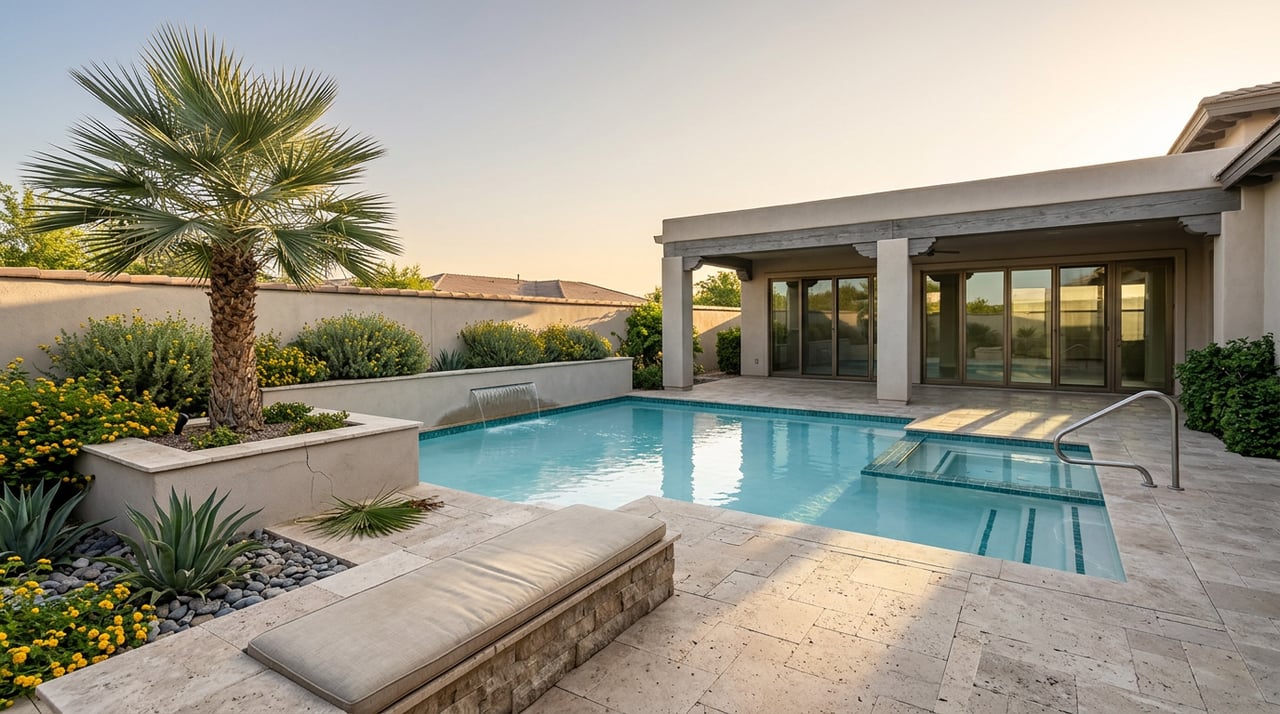
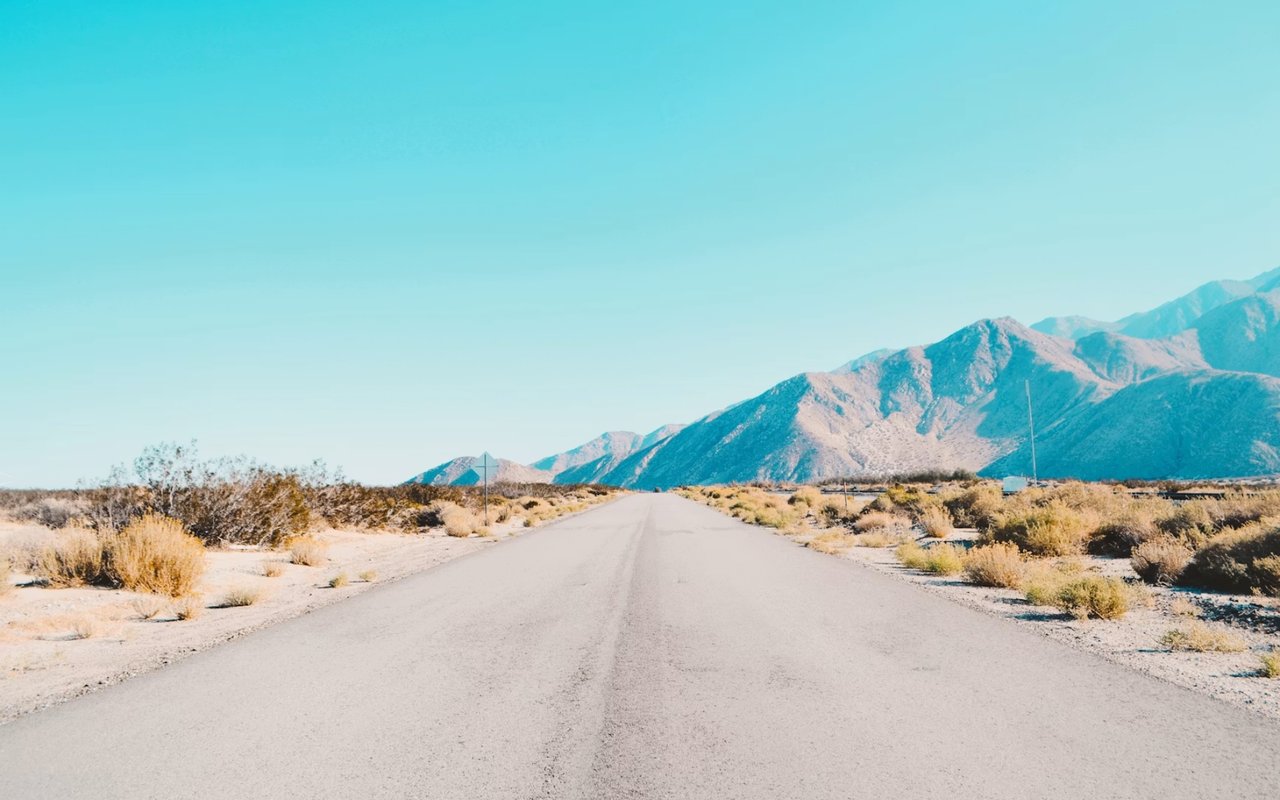
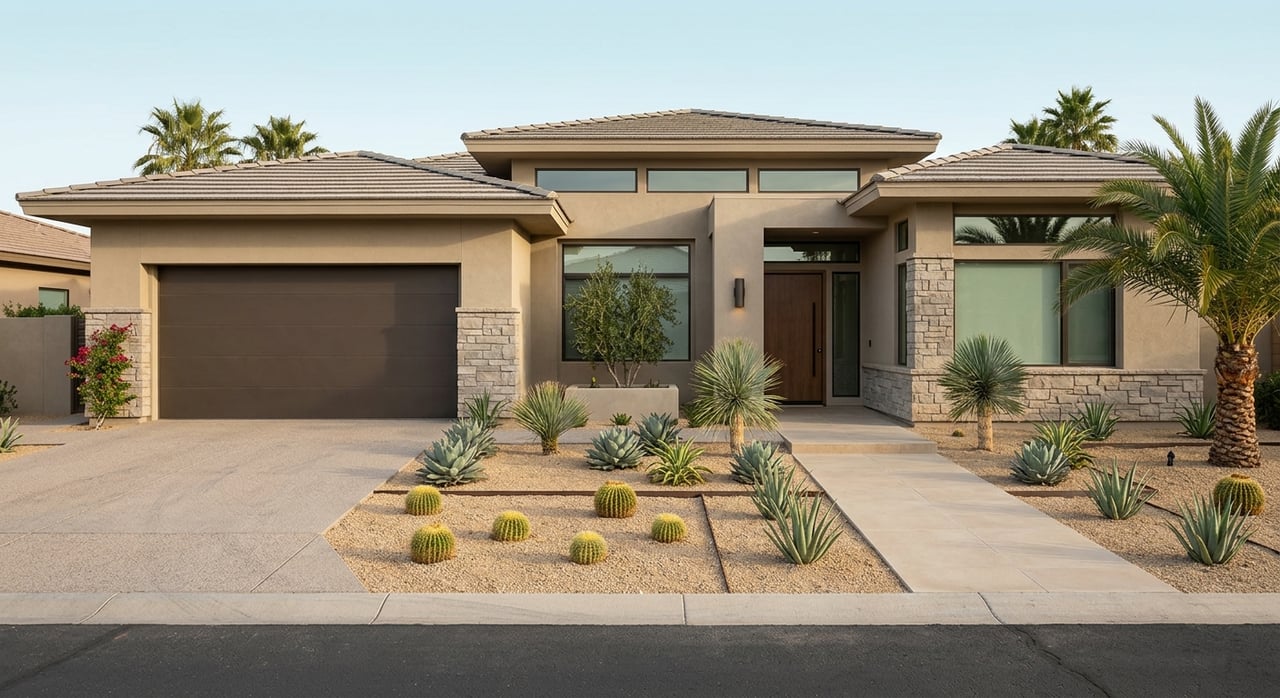
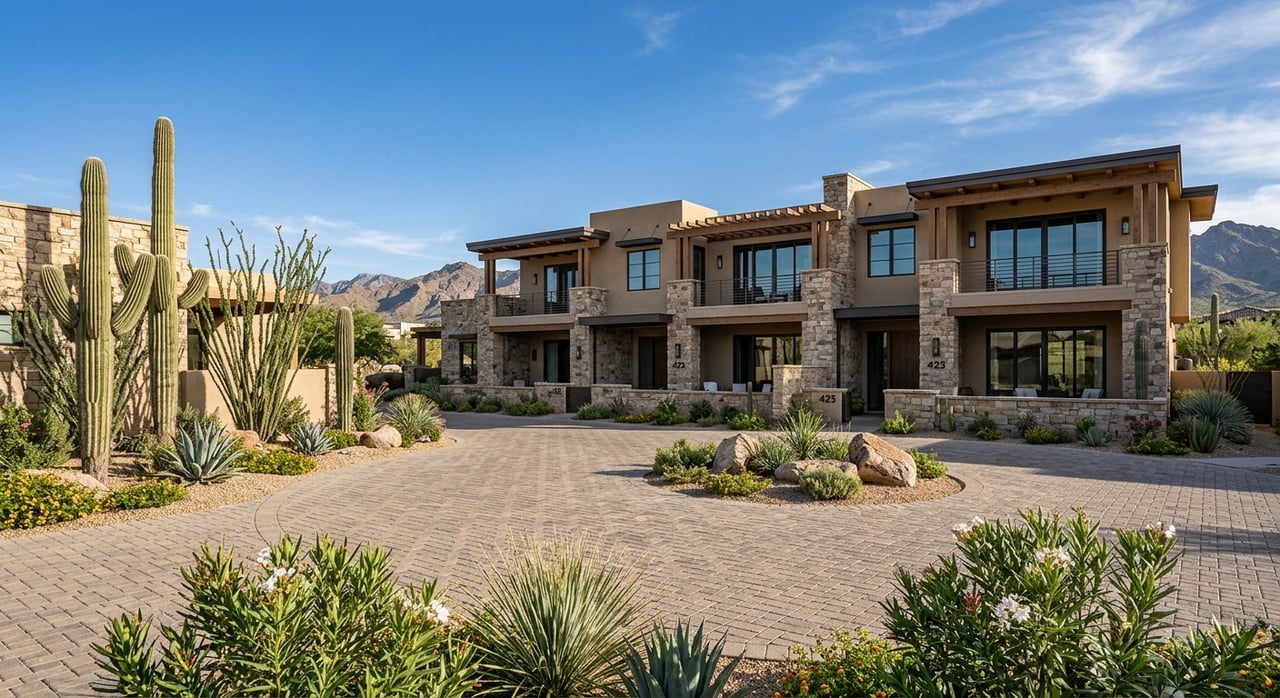
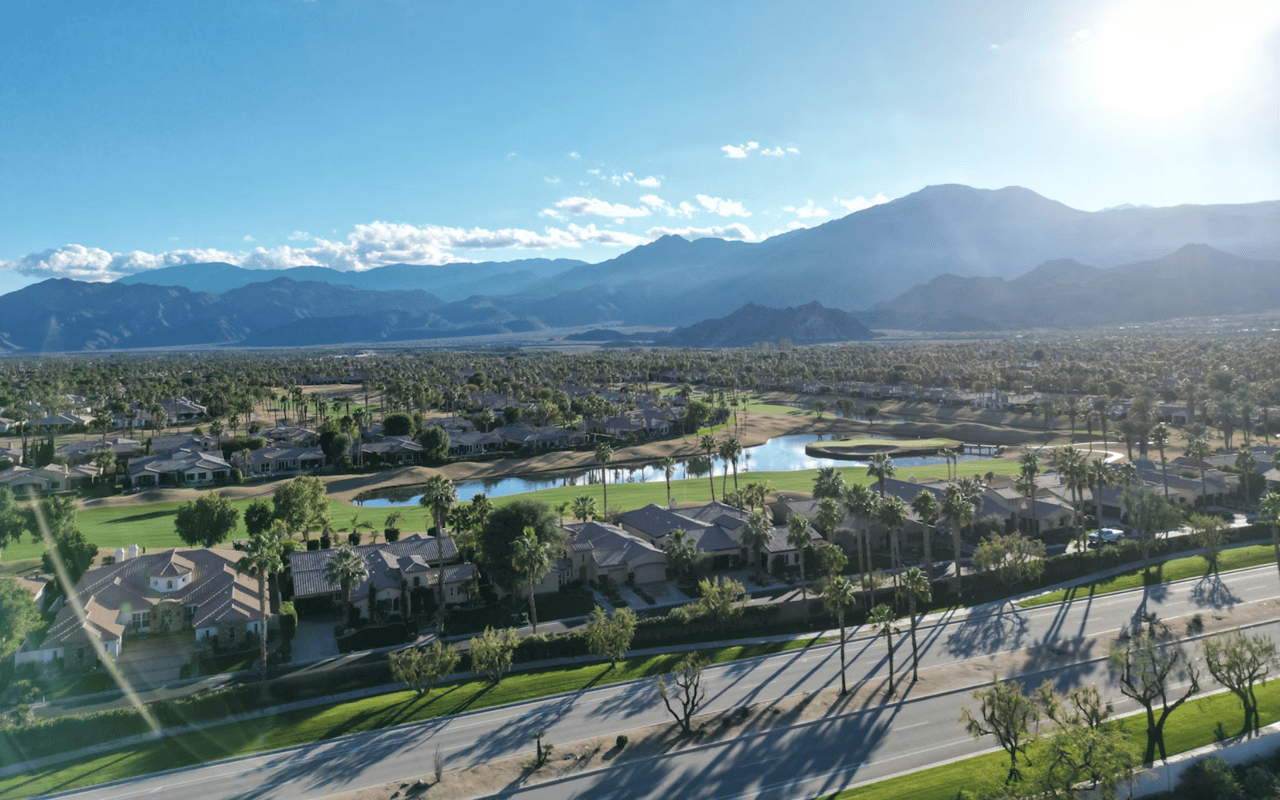
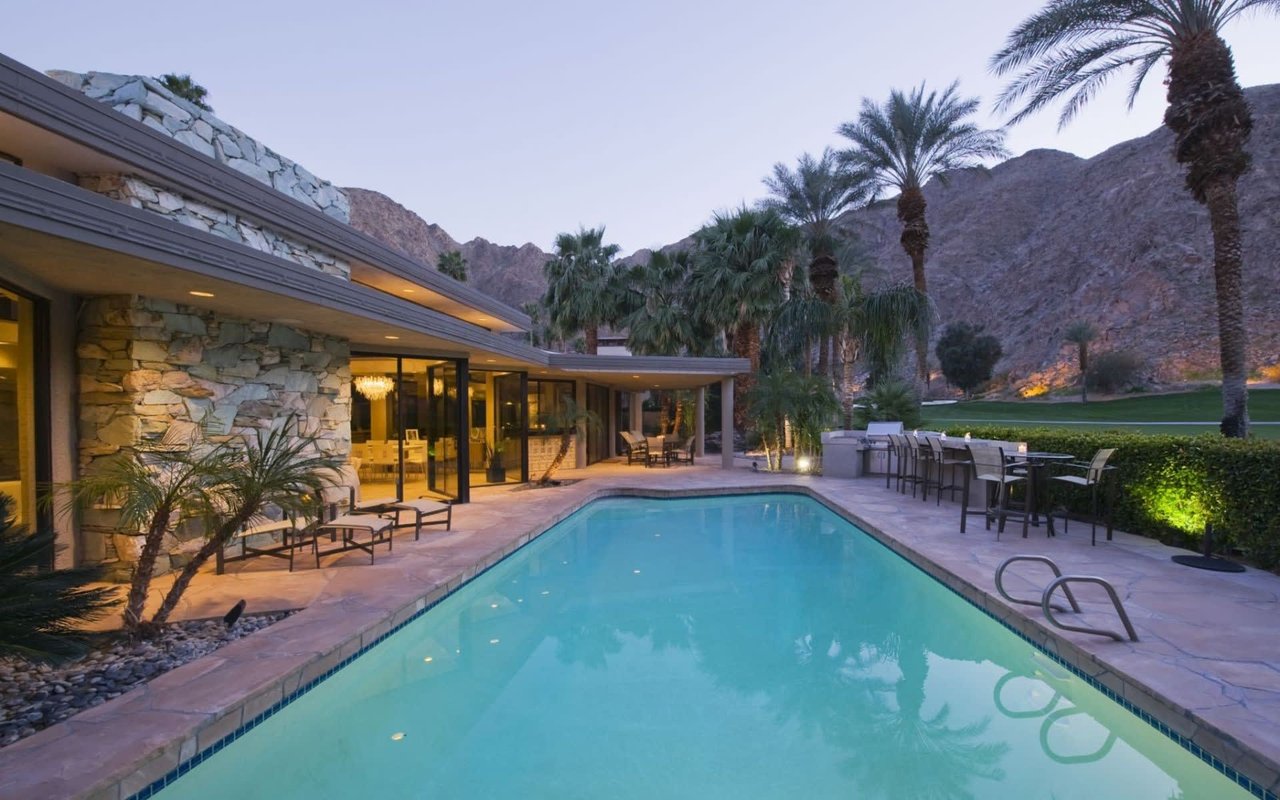
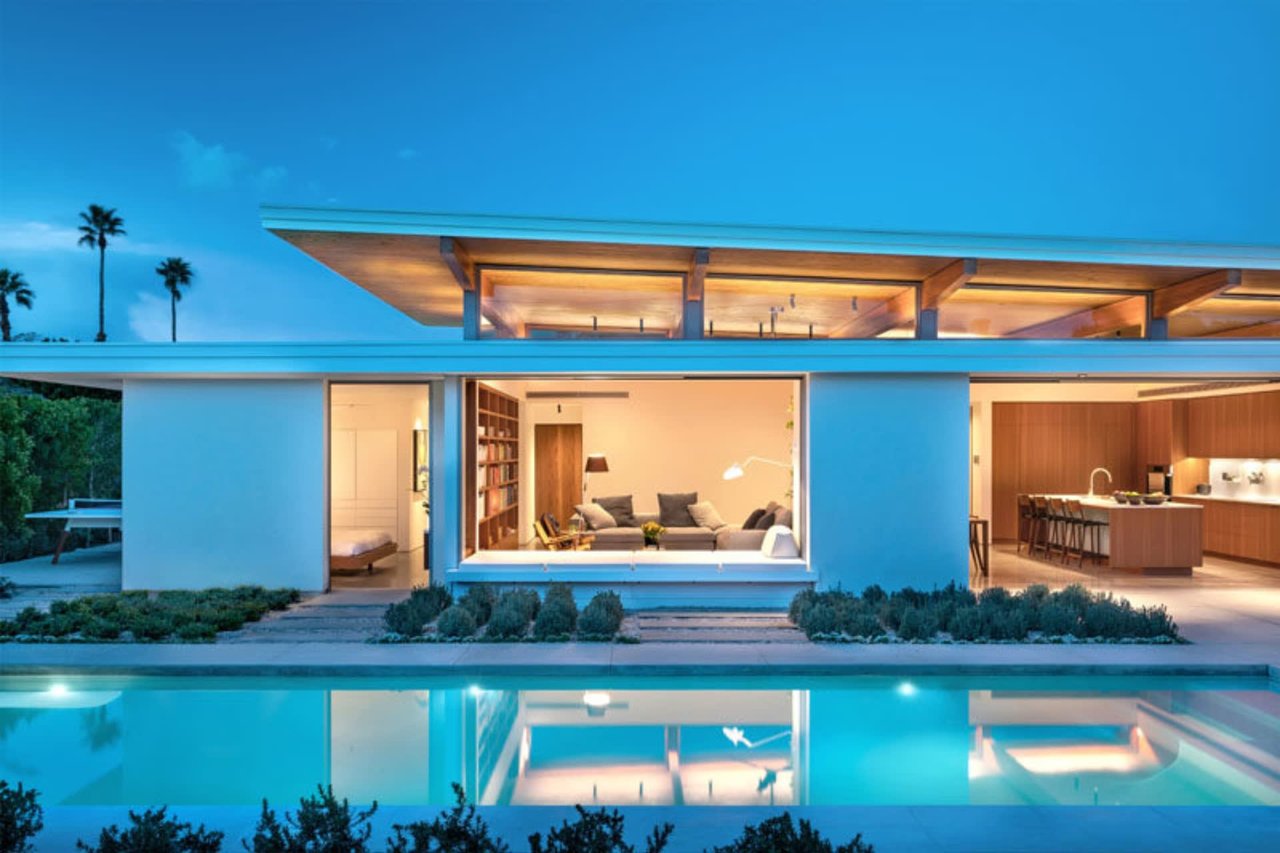
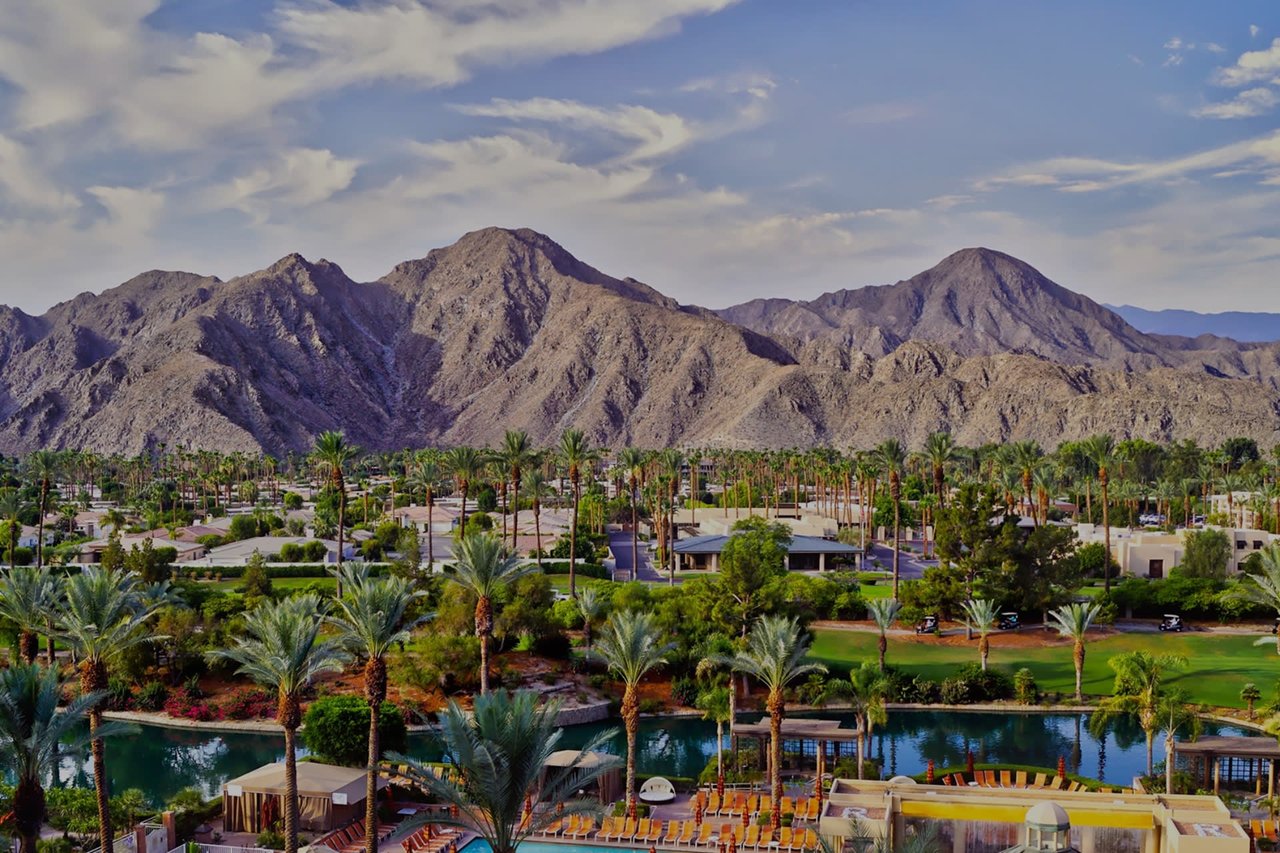
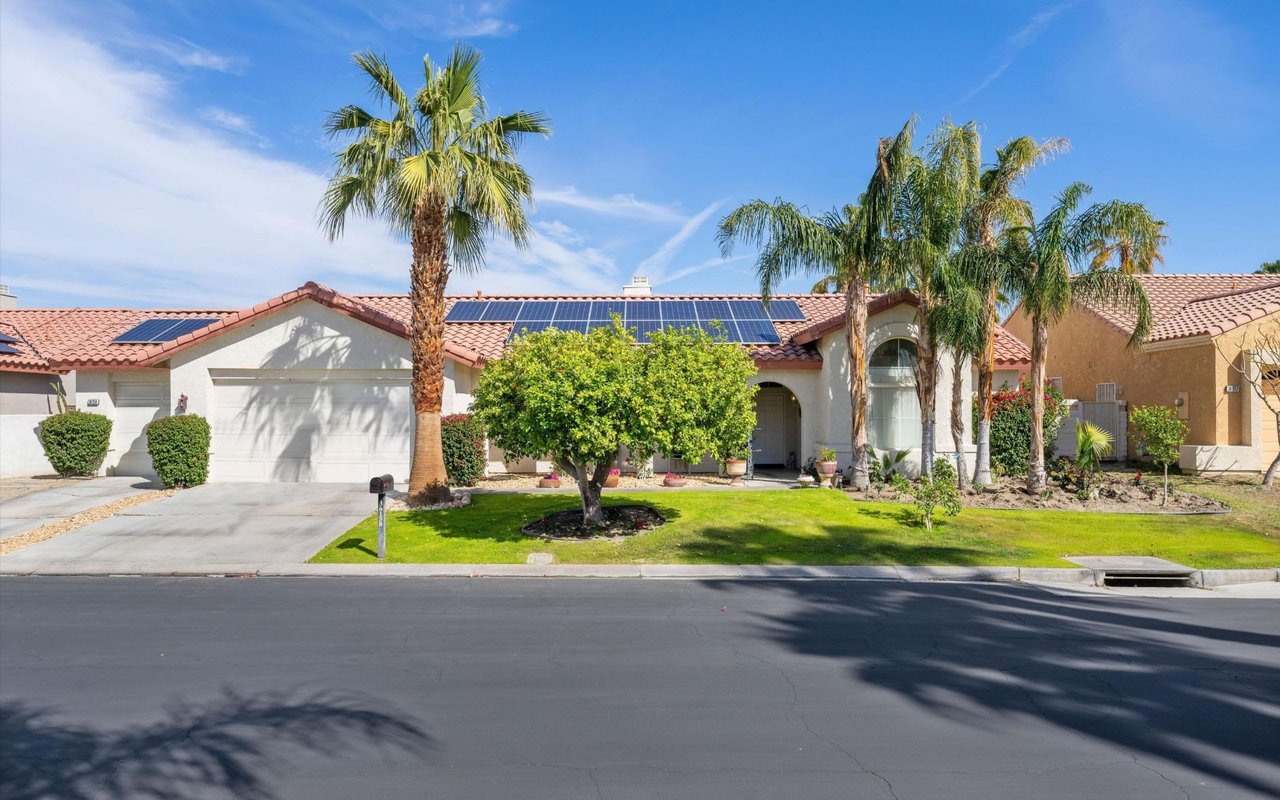
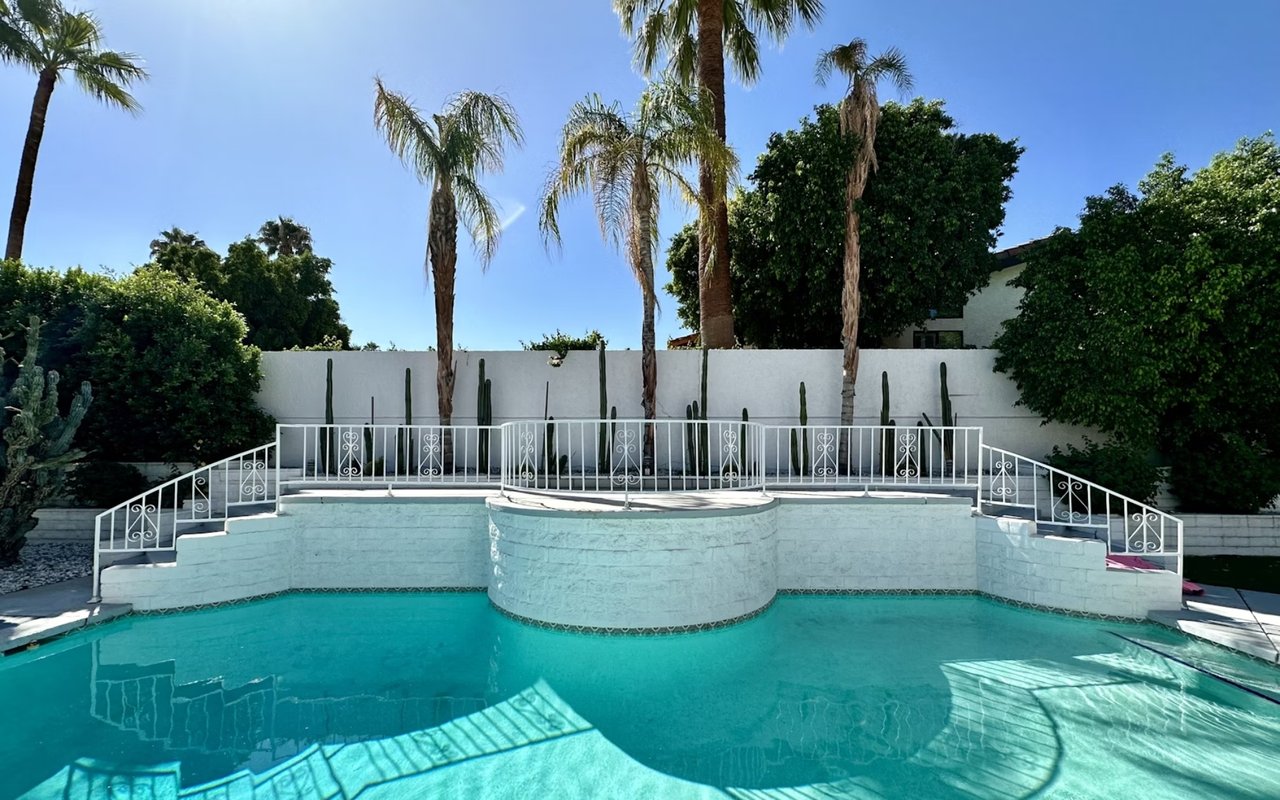
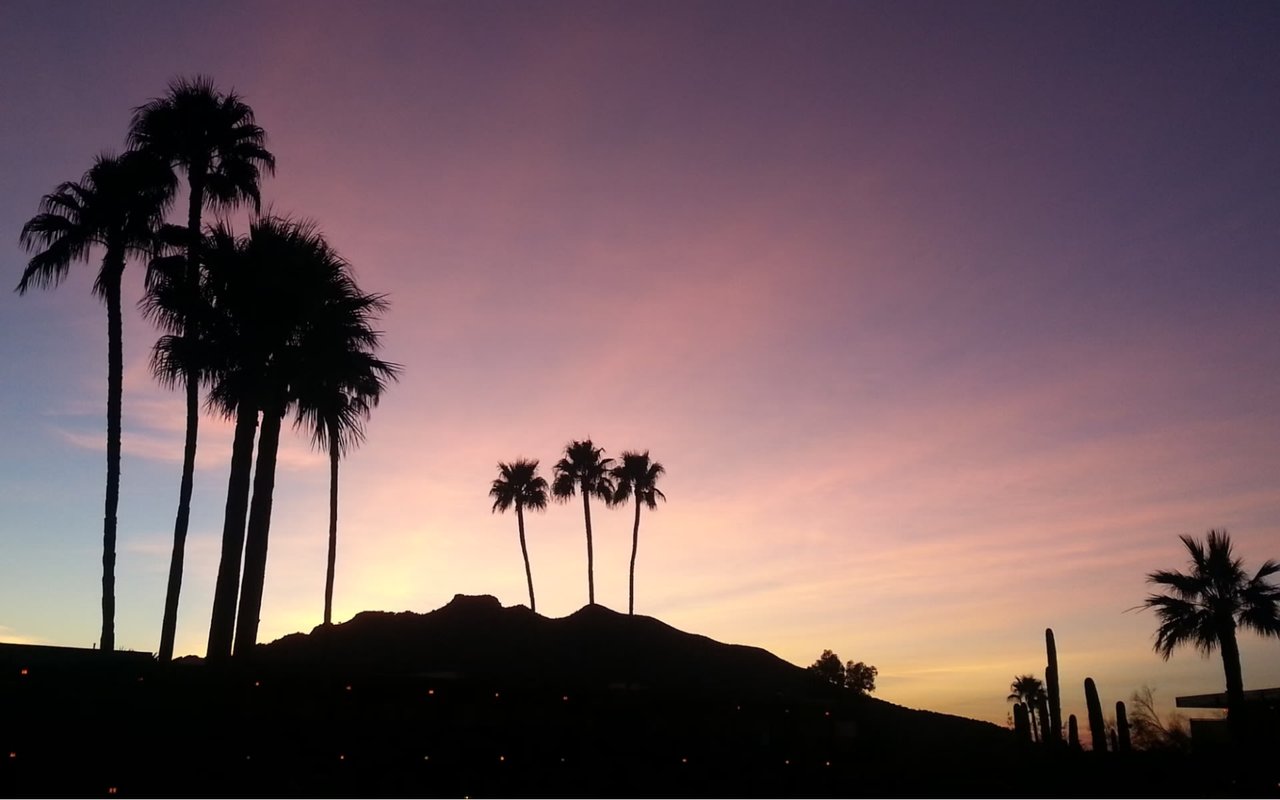
Palm Desert is not just a place to live; it is an aesthetic unto itself. The light here is unlike anywhere else in California — golden and warm in the morning, burnished and dramatic by late afternoon. The architecture echoes the landscape, with clean lines, flat roofs, and expanses of glass that blur the boundary between indoors and out. When you decorate a home in Palm Desert, you are working with one of the most visually rich environments in the country, and the interior design styles that resonate most here reflect that.
Whether you have recently purchased a home in the Coachella Valley or are refreshing a property you have owned for years, understanding the design traditions and contemporary trends of this region helps you make choices that feel cohesive, elevated, and rooted in place. Palm Desert's design identity draws from Mid-Century Modern roots, desert modernism, Southwestern warmth, and contemporary minimalism — and the homes that feel most alive here tend to combine these sensibilities into something personal and specific.
This guide walks through the most popular and enduring interior design styles for Palm Desert homes, with practical insight on how to bring each one to life in your own space.
Key Takeaways
-
Palm Desert's design heritage is rooted in Mid-Century Modern architecture, which continues to influence how homes are styled today.
-
Desert modernism pairs minimalist structure with organic materials and natural tones for a look that is sophisticated and grounded.
-
Warm Southwestern elements add texture and color depth that complement the desert palette beautifully.
-
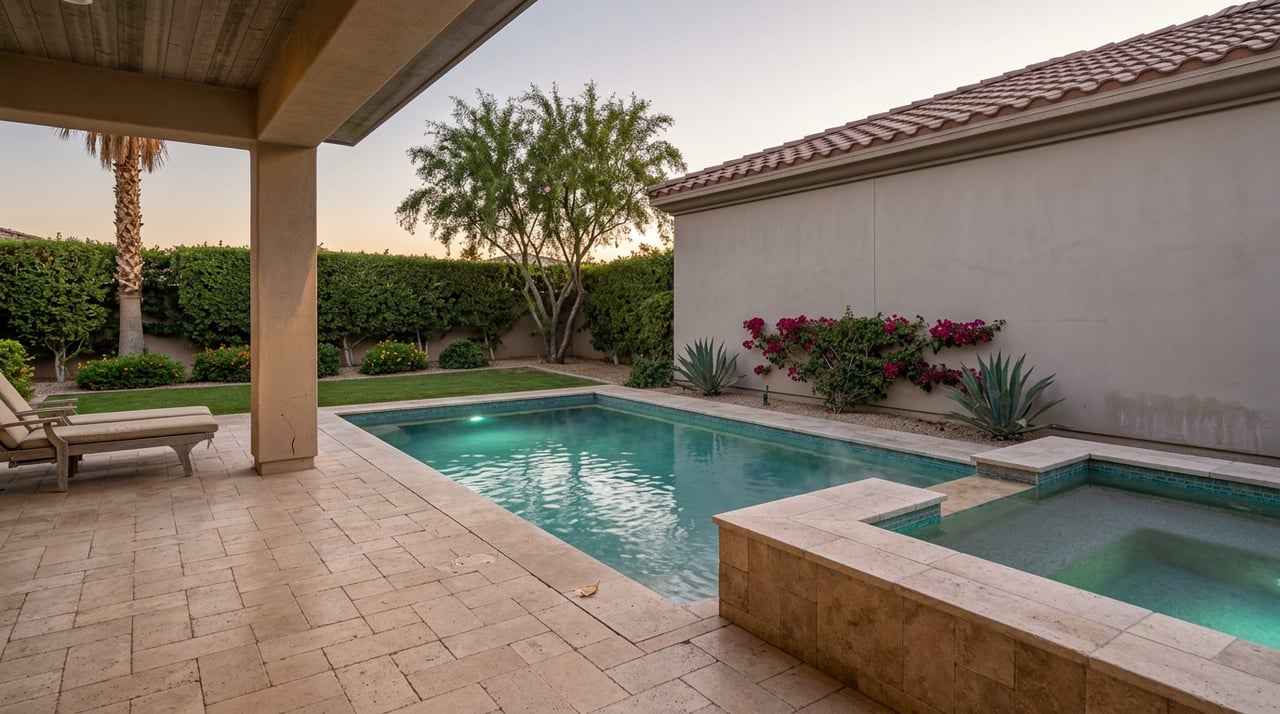
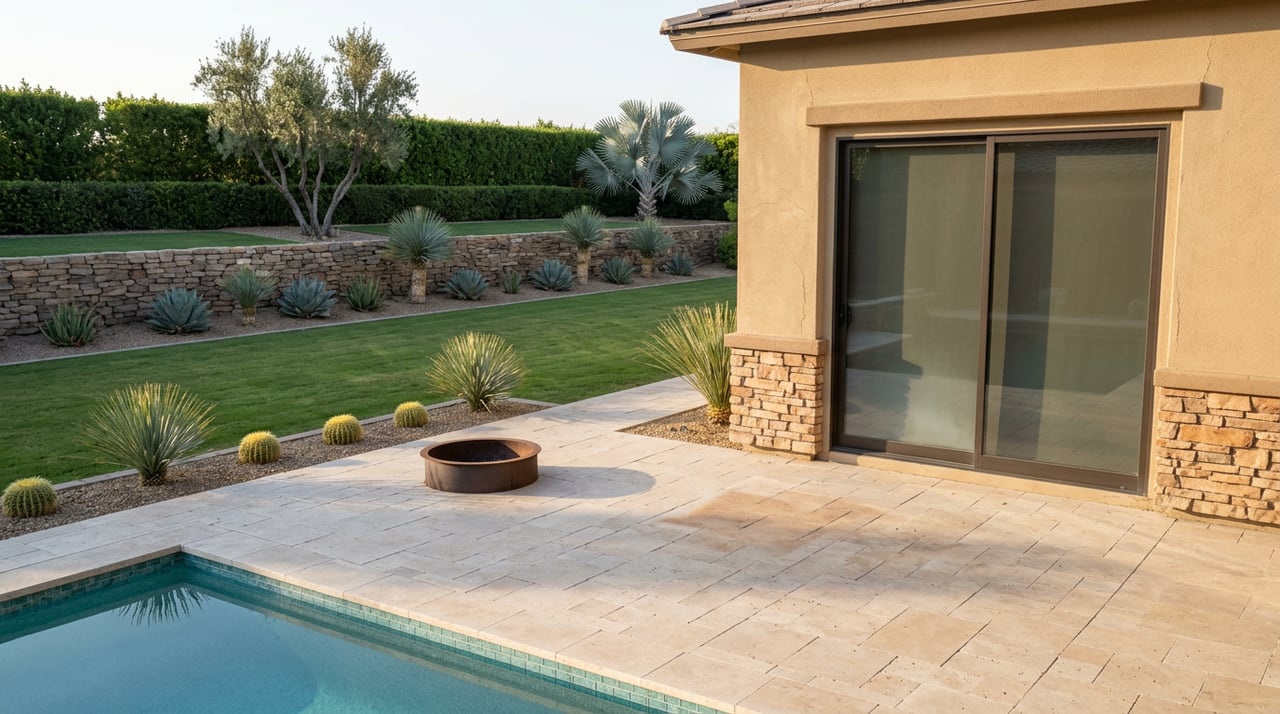
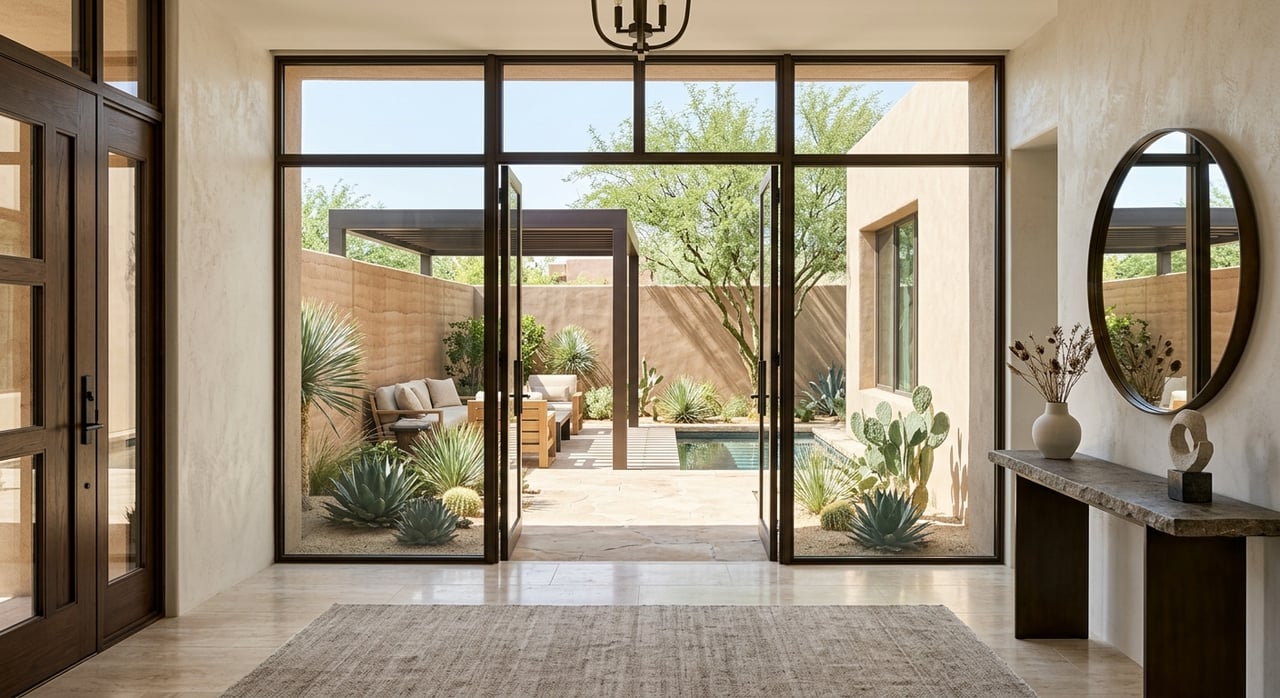
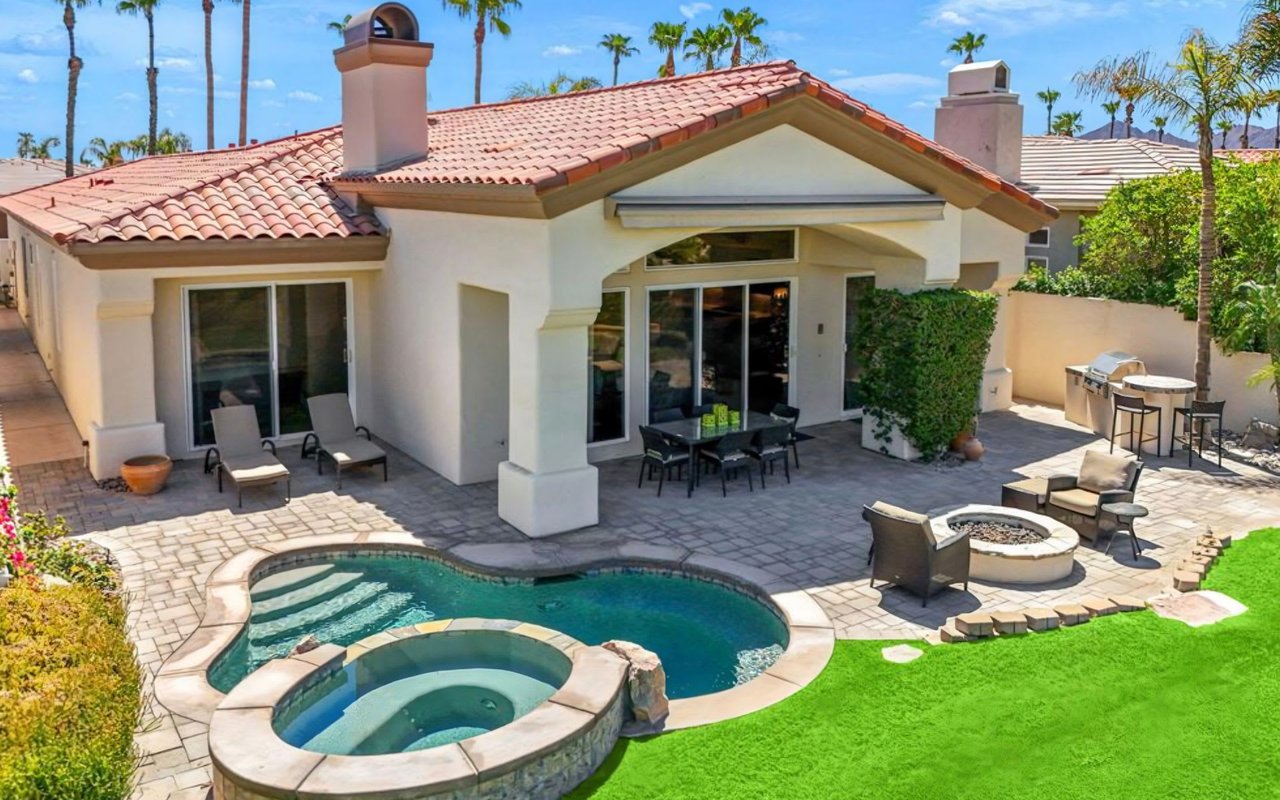
Indoor-outdoor flow is central to successful Palm Desert interiors; how a home connects to its exterior matters as much as how it looks inside.
-
Personal expression within these regional traditions creates homes that feel distinctive rather than generic.
Mid-Century Modern: The Style That Palm Desert Was Built On
Palm Desert and the broader Coachella Valley have one of the most significant concentrations of Mid-Century Modern architecture in the world. The style — defined by horizontal lines, open floor plans, oversized windows, flat or low-pitched roofs, and a strong connection to the great outdoors — arrived in the desert during the postwar era and never left. Architects like William Krisel and Donald Wexler defined entire neighborhoods with homes that were functional, sun-drenched, and beautifully restrained.
When it comes to interior design, Mid-Century Modern in Palm Desert is about honoring the architecture rather than overwhelming it. Furniture with tapered legs, clean geometric forms, and materials, including walnut, teak, and molded fiberglass, sit beautifully in these spaces.
Color palettes tend toward warm neutrals, olive, mustard, and burnt orange — hues that echo both the era and the landscape. The goal is always a sense of effortless organization, where every piece seems to belong without crowding the light-filled rooms that make these homes so remarkable.
Textiles play an important supporting role in a Mid-Century interior. Boucle upholstery, geometric-patterned rugs, and linen drapes in warm tones add softness without interrupting the clean lines of the space. Sputnik chandeliers, arc floor lamps, and globe pendants are all period-appropriate lighting fixtures and are widely available in both vintage and contemporary versions.
When it comes to interior design, Mid-Century Modern in Palm Desert is about honoring the architecture rather than overwhelming it. Furniture with tapered legs, clean geometric forms, and materials, including walnut, teak, and molded fiberglass, sit beautifully in these spaces.
Color palettes tend toward warm neutrals, olive, mustard, and burnt orange — hues that echo both the era and the landscape. The goal is always a sense of effortless organization, where every piece seems to belong without crowding the light-filled rooms that make these homes so remarkable.
Textiles play an important supporting role in a Mid-Century interior. Boucle upholstery, geometric-patterned rugs, and linen drapes in warm tones add softness without interrupting the clean lines of the space. Sputnik chandeliers, arc floor lamps, and globe pendants are all period-appropriate lighting fixtures and are widely available in both vintage and contemporary versions.
Mid-Century Elements to Incorporate
-
Walnut or teak furniture with tapered legs and clean profiles grounds living and dining spaces authentically.
-
Geometric rugs in warm earth tones or classic midcentury patterns anchor seating arrangements without competing with the architecture.
-
Statement lighting, such as a Sputnik chandelier or arc lamp, adds visual interest while maintaining the era's clean aesthetic.
-
Artwork with abstract or organic forms — think bold ceramics or graphic prints in warm colors — adds character without visual clutter.
-
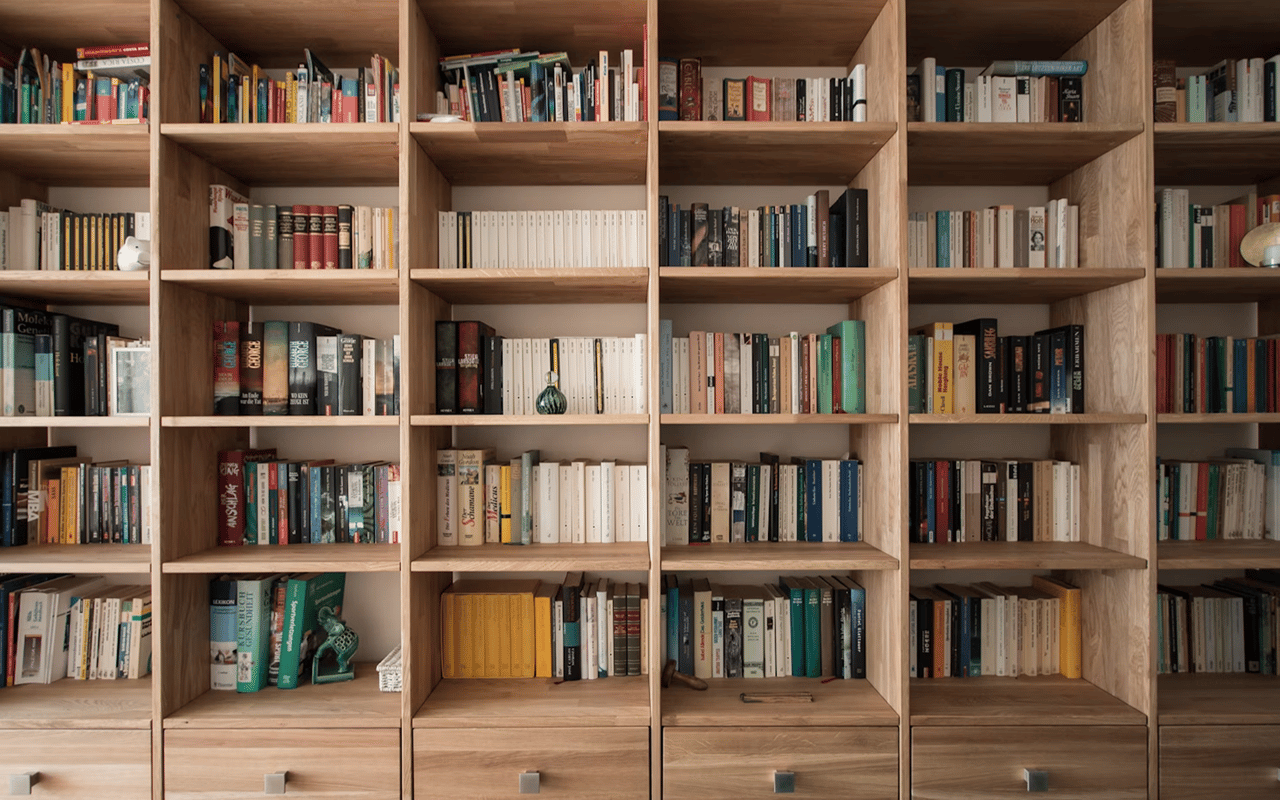
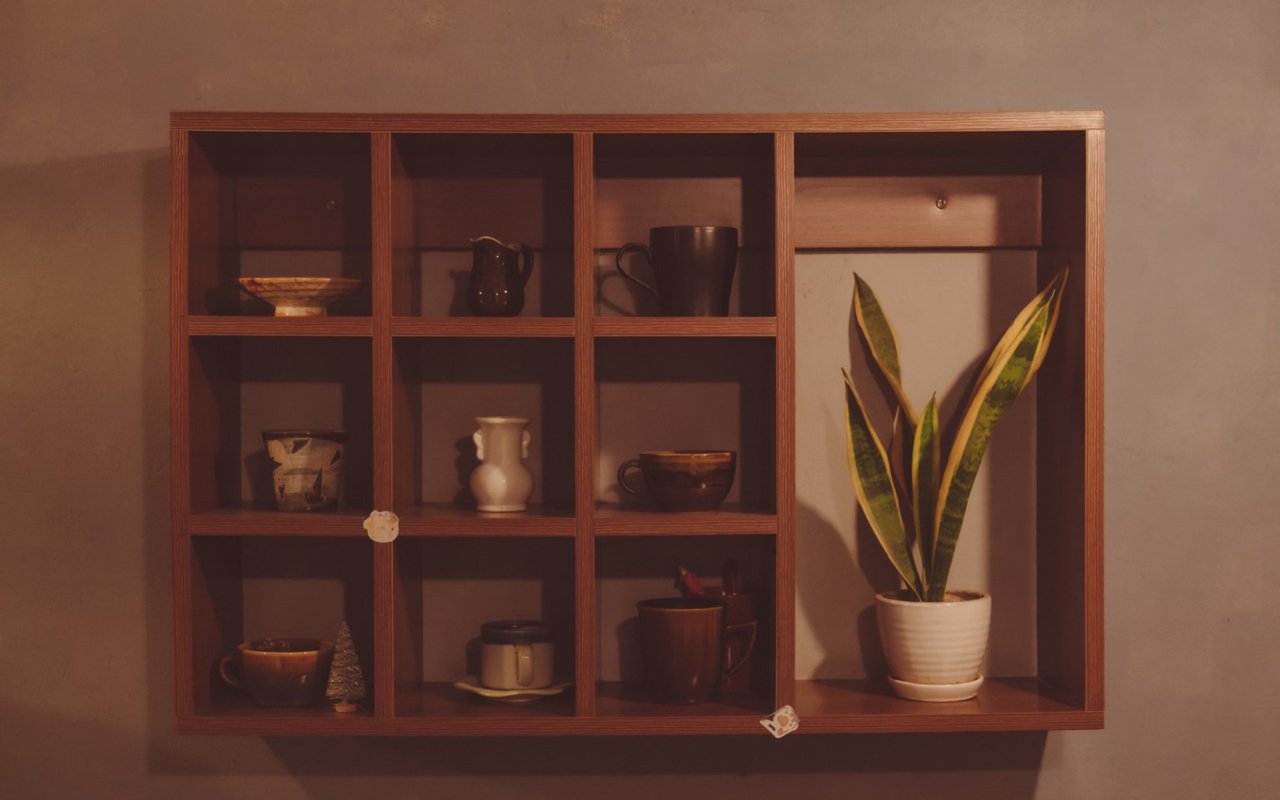
Open shelving styled with a minimal edit of books, ceramics, and greenery keeps the Mid-Century spirit alive in kitchens and living rooms.
Desert Modernism: Where Architecture and Landscape Converge
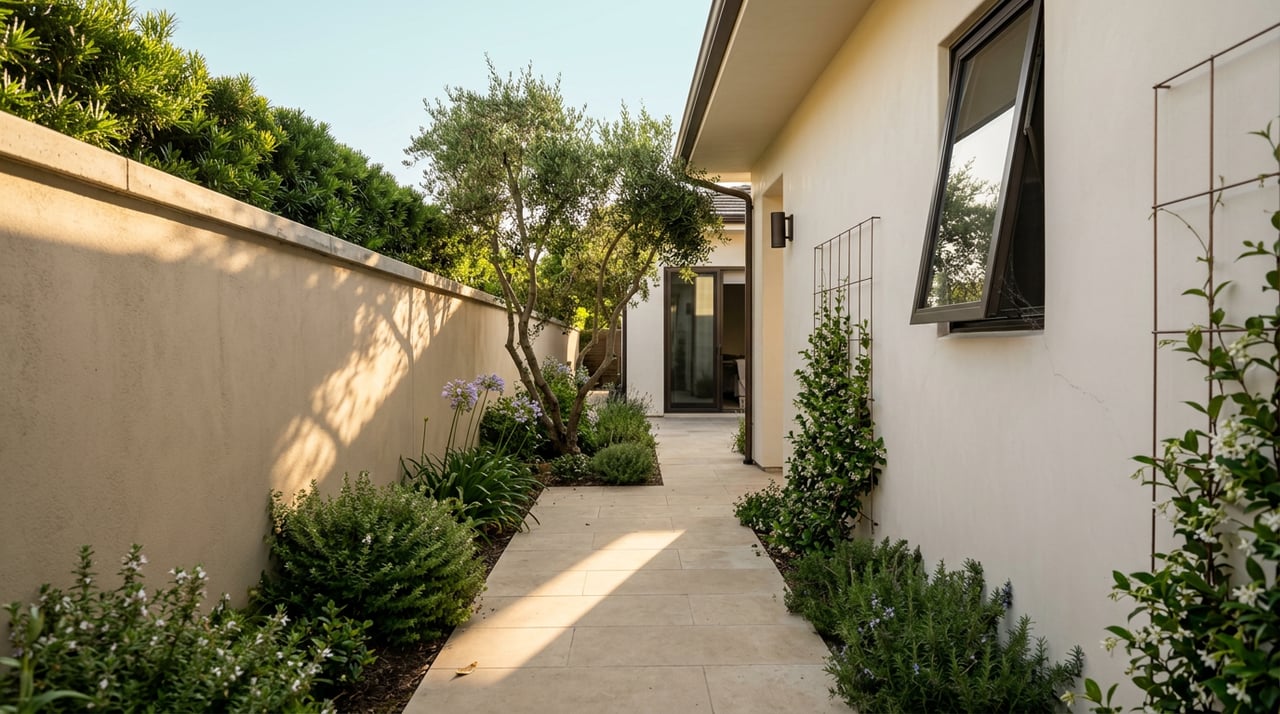
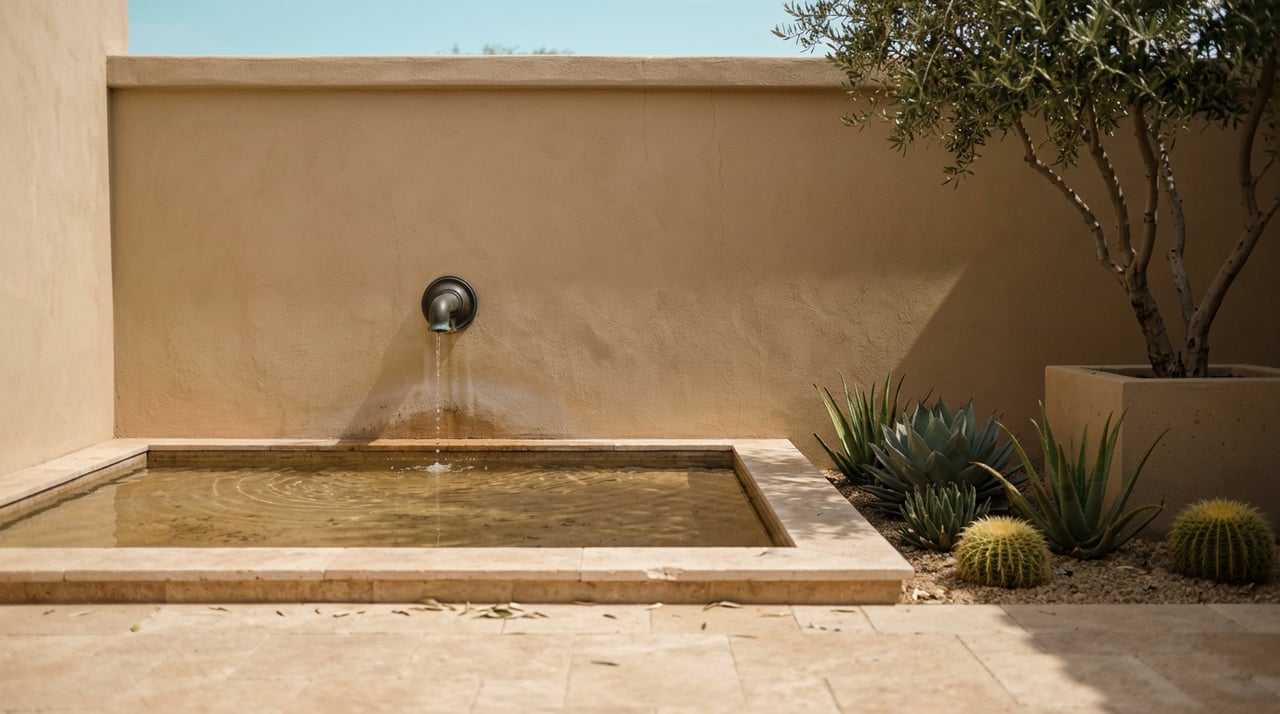
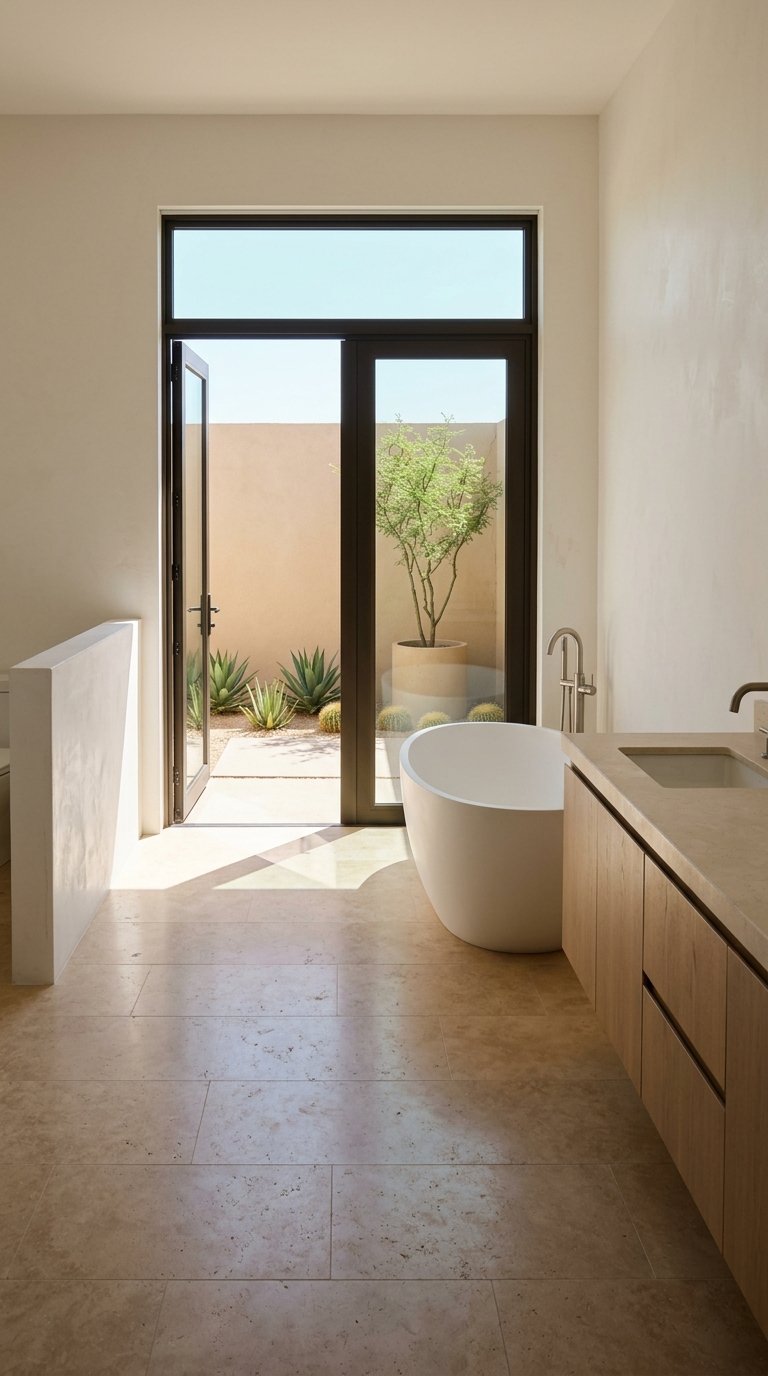
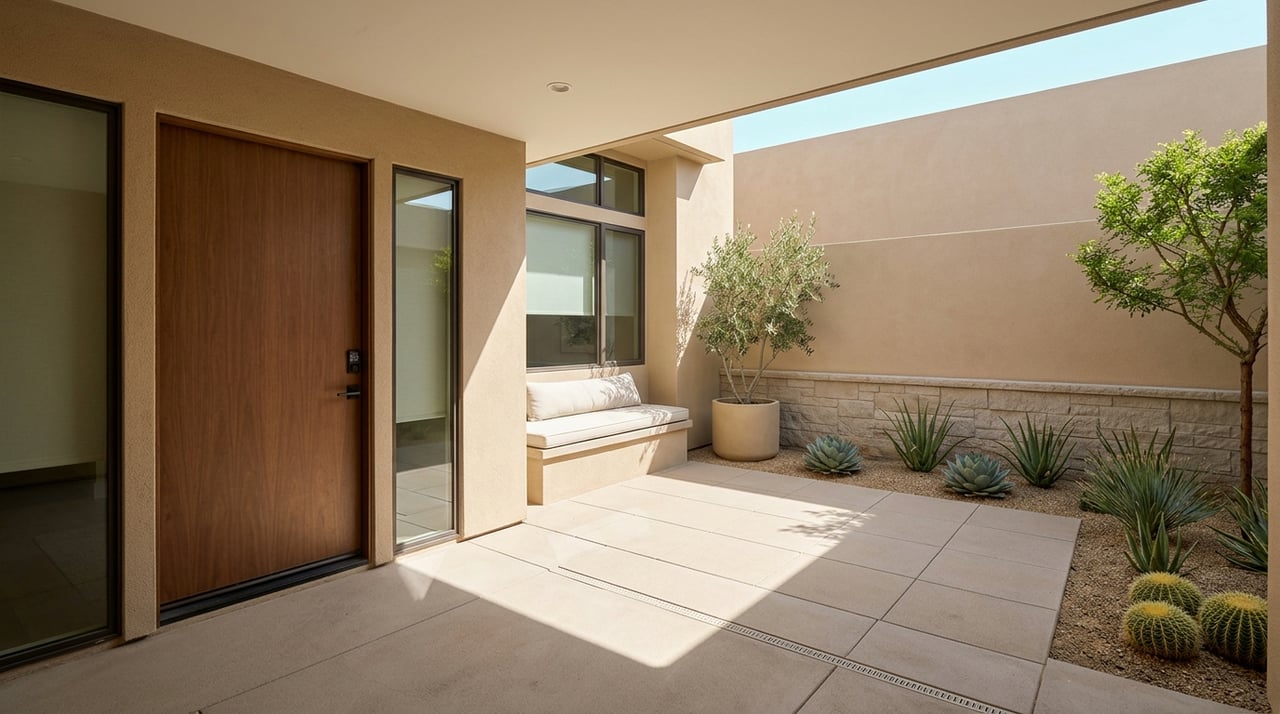
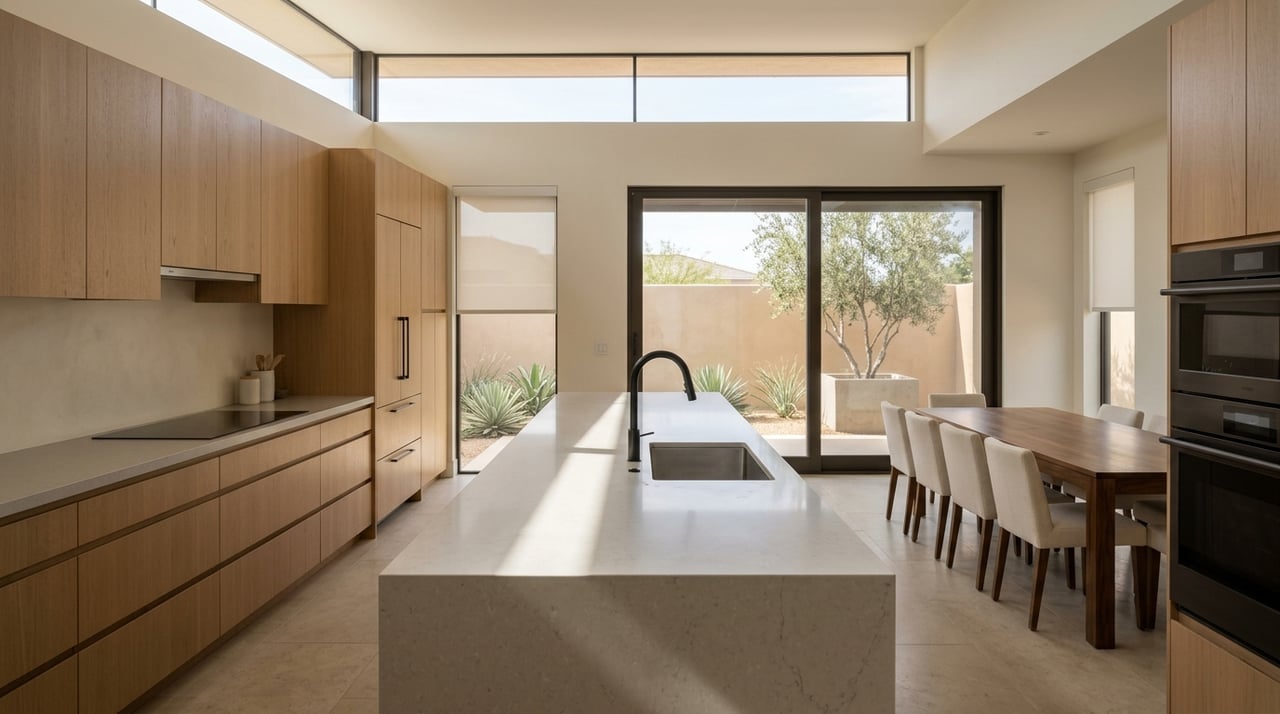
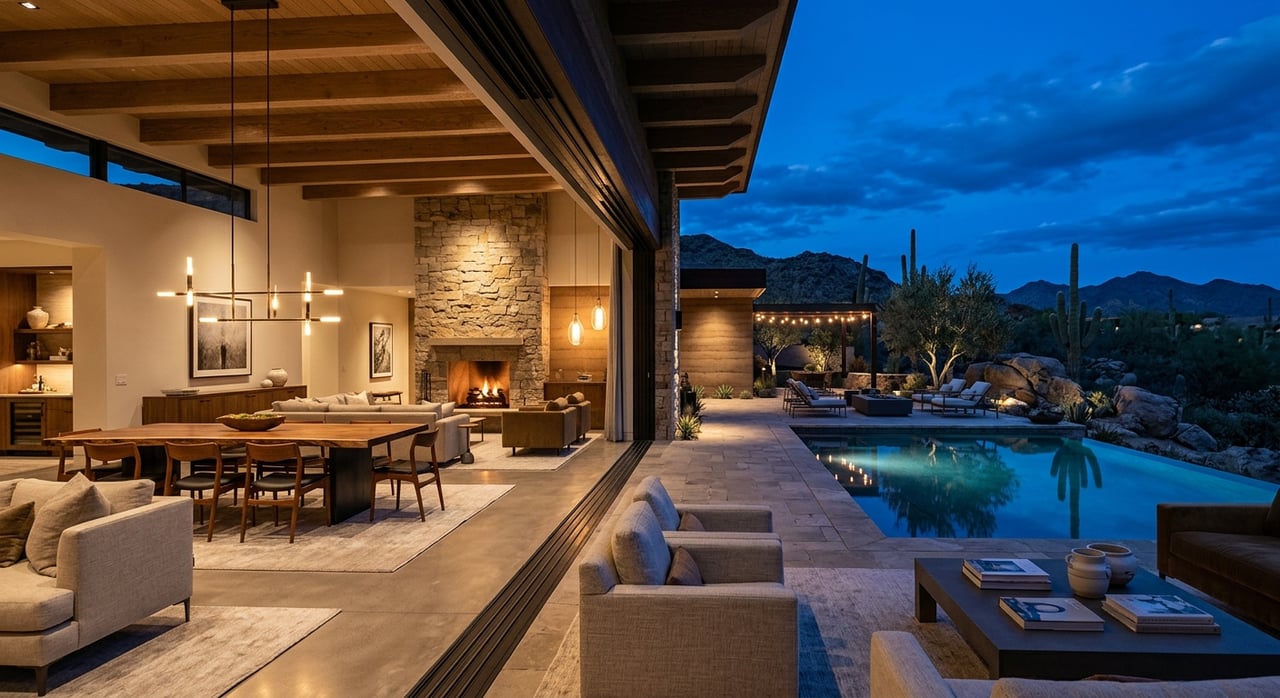
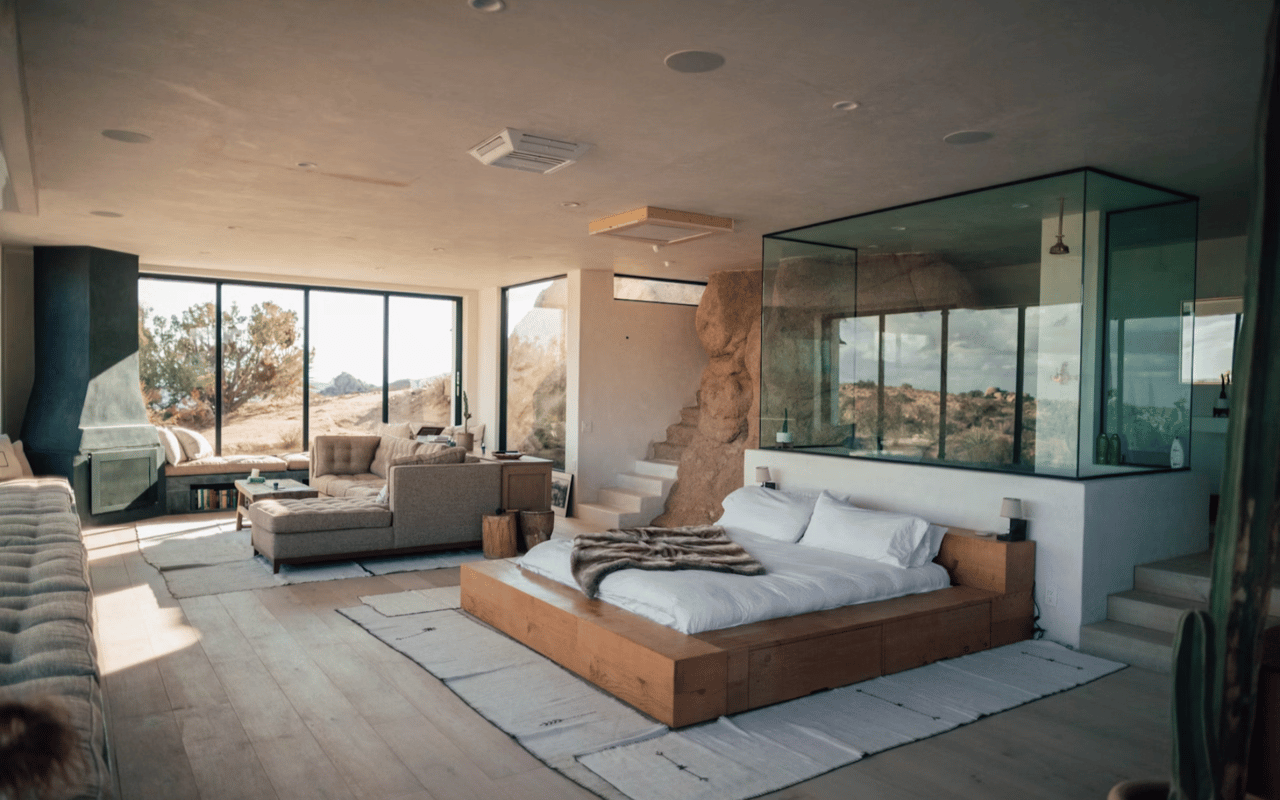
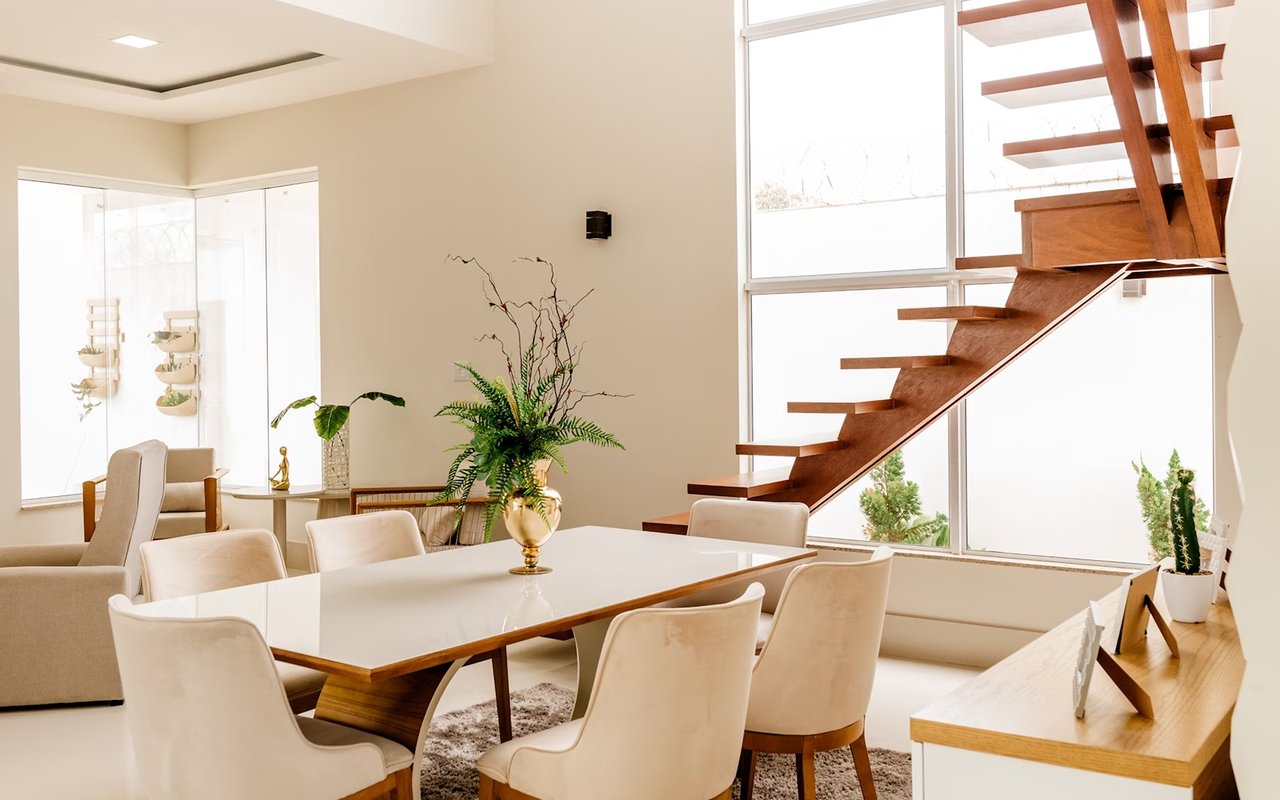
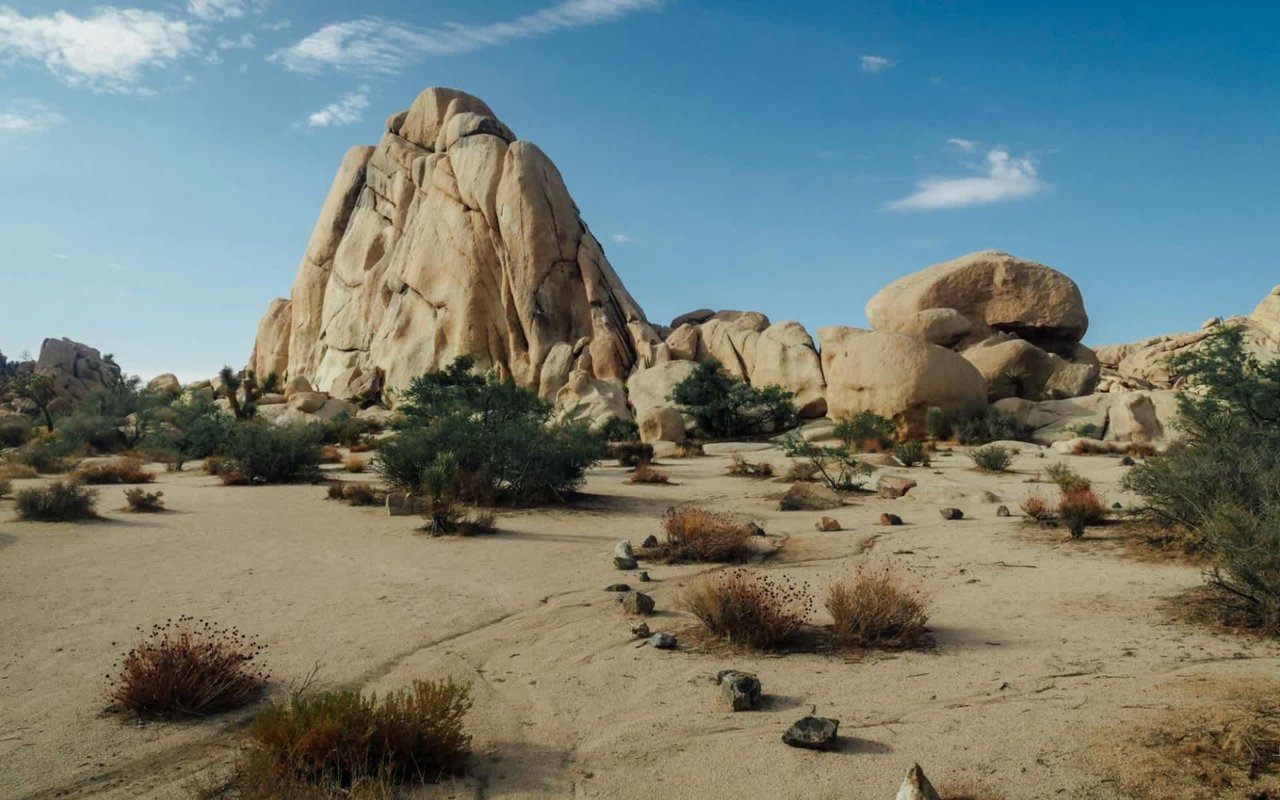
Desert modernism takes Mid-Century principles and pushes them further into the landscape itself, blurring the line between the built environment and the natural world outside. This approach is defined by a material palette that reflects the desert: concrete, rammed earth, raw steel, and natural stone appear throughout interiors and exterior surfaces alike, creating a sense of continuity between what is inside and what lies beyond the glass.
In practice, desert modernism leans into texture and restraint simultaneously. A concrete floor polished to a warm sheen, a rammed earth accent wall, a live-edge dining table in pale stone or reclaimed wood — these elements establish the character of the space without needing decoration to fill it. Natural light is the primary design element, and furniture is kept purposeful and minimal to allow the interplay of shadow and light throughout the day to do the visual work.
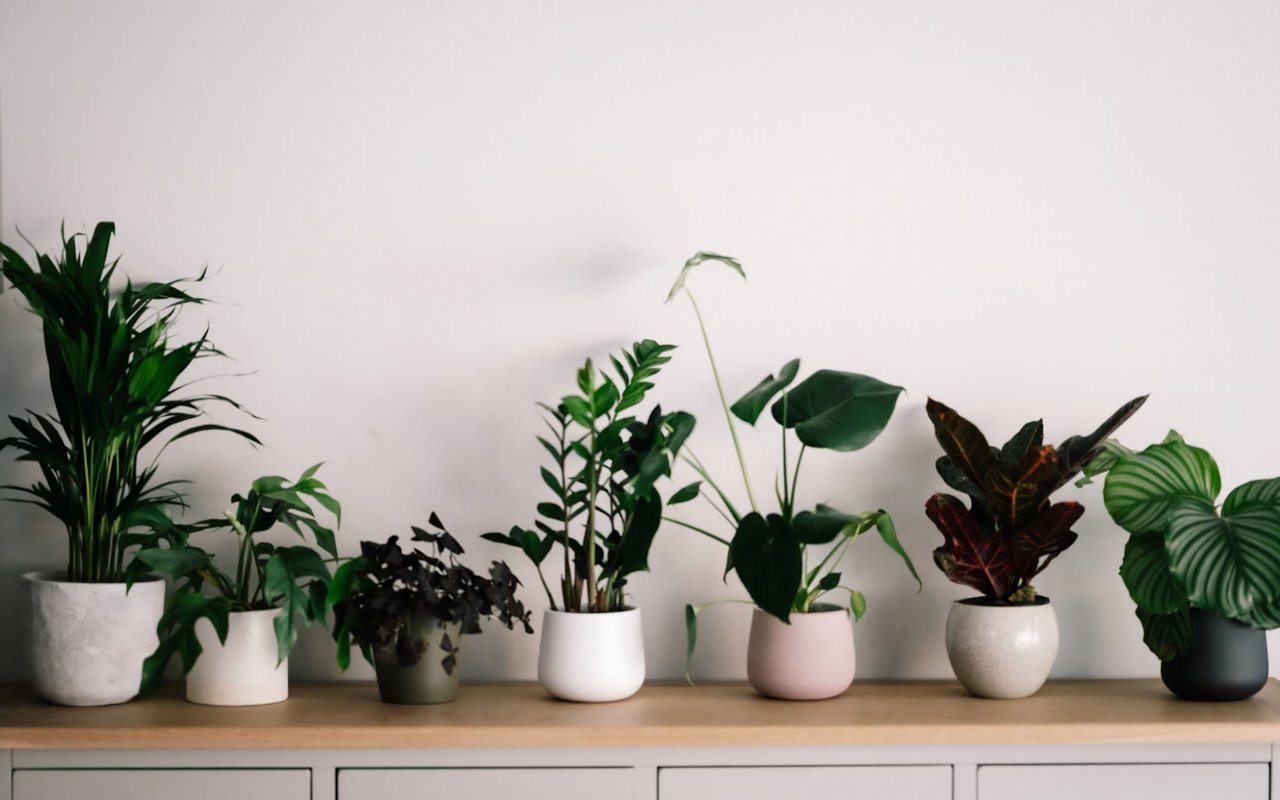
Plants are an essential part of desert modernism inside the home. Large-scale architectural plants, such as the fiddle leaf fig, monstera, or snake plant, bring the desert garden's sense of proportion indoors. Oversized ceramic planters in matte earth tones complement the material palette while providing the visual grounding that a minimal space often needs.
In practice, desert modernism leans into texture and restraint simultaneously. A concrete floor polished to a warm sheen, a rammed earth accent wall, a live-edge dining table in pale stone or reclaimed wood — these elements establish the character of the space without needing decoration to fill it. Natural light is the primary design element, and furniture is kept purposeful and minimal to allow the interplay of shadow and light throughout the day to do the visual work.
Plants are an essential part of desert modernism inside the home. Large-scale architectural plants, such as the fiddle leaf fig, monstera, or snake plant, bring the desert garden's sense of proportion indoors. Oversized ceramic planters in matte earth tones complement the material palette while providing the visual grounding that a minimal space often needs.
Desert Modernism Essentials
-
Polished concrete or large-format stone tile flooring creates a seamless, sophisticated base for the entire interior.
-
A rammed earth or textured plaster accent wall introduces organic warmth without adding pattern or color.
-
A minimal furniture edit in natural materials — stone, raw wood, leather — keeps the focus on texture and form.
-
Large-scale architectural plants in matte ceramic planters bring life and scale into open-plan living areas.
-
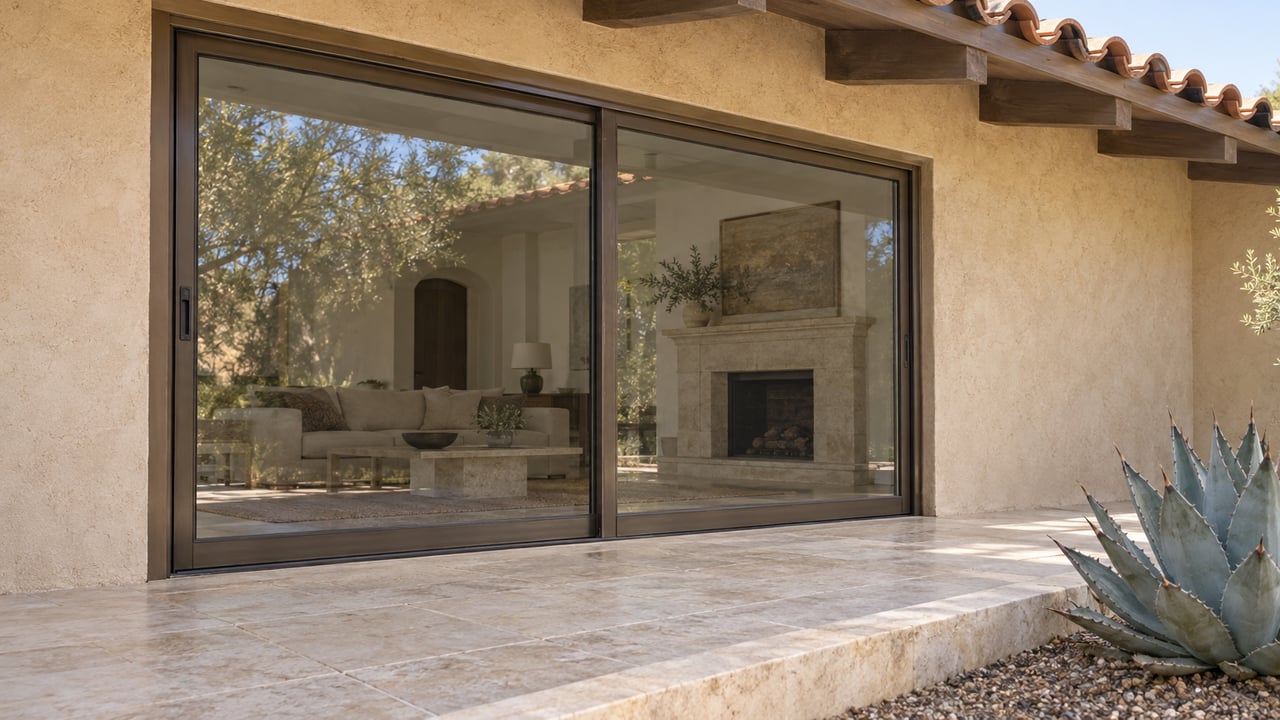
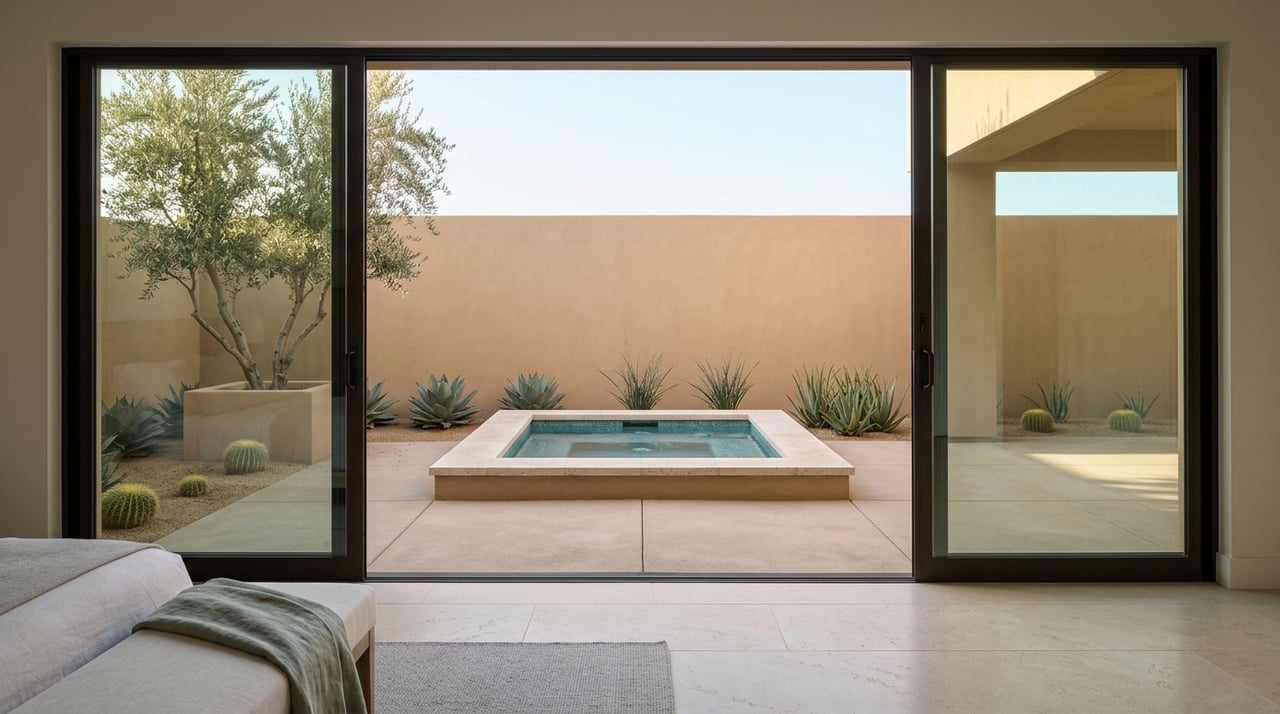
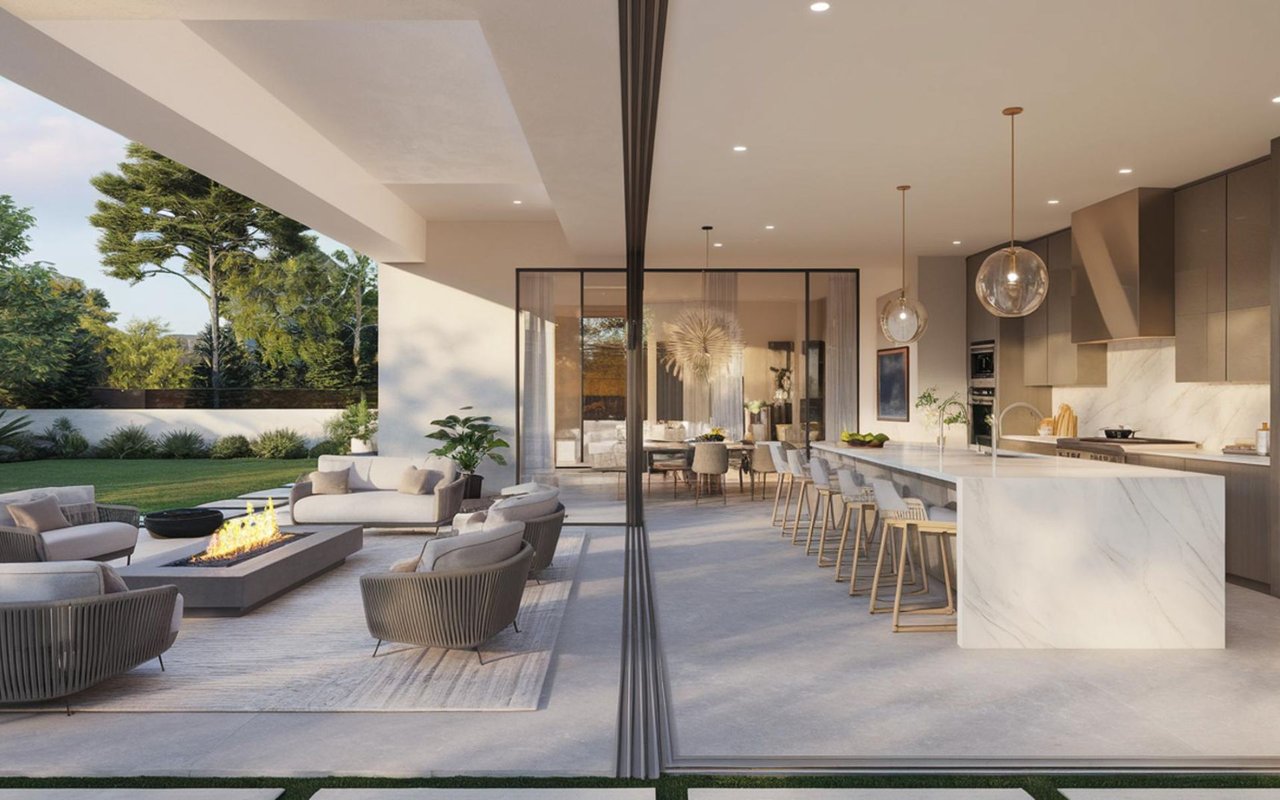
Frameless floor-to-ceiling windows or sliding glass walls extend the interior visually into the outdoor landscape.
Warm Southwestern Influence: Color, Texture, and Soul
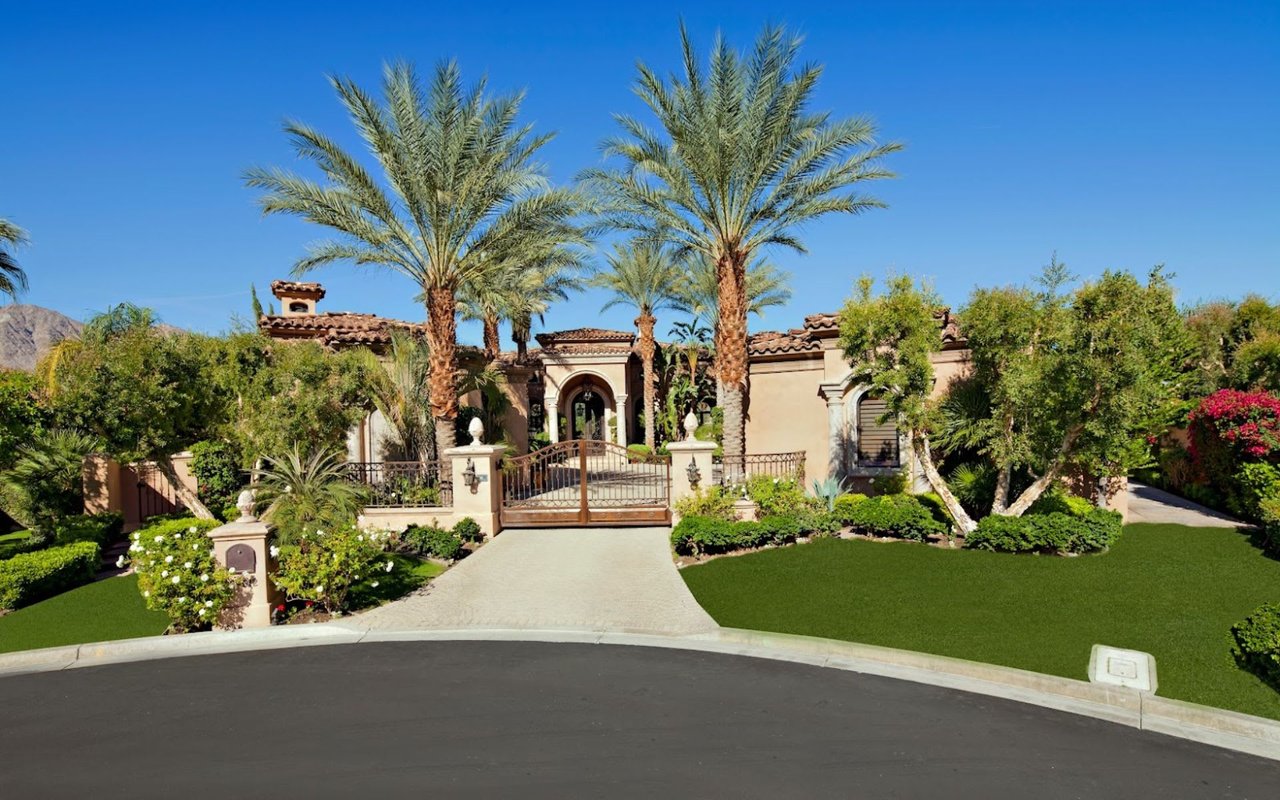
While modernism provides the structural backbone for many Palm Desert interiors, Southwestern design brings the warmth, color, and tactile richness that make a house feel lived in. Drawing from the artistic traditions of the American Southwest — including the rich terracotta and turquoise palette of the region — this style adds soul to any space.
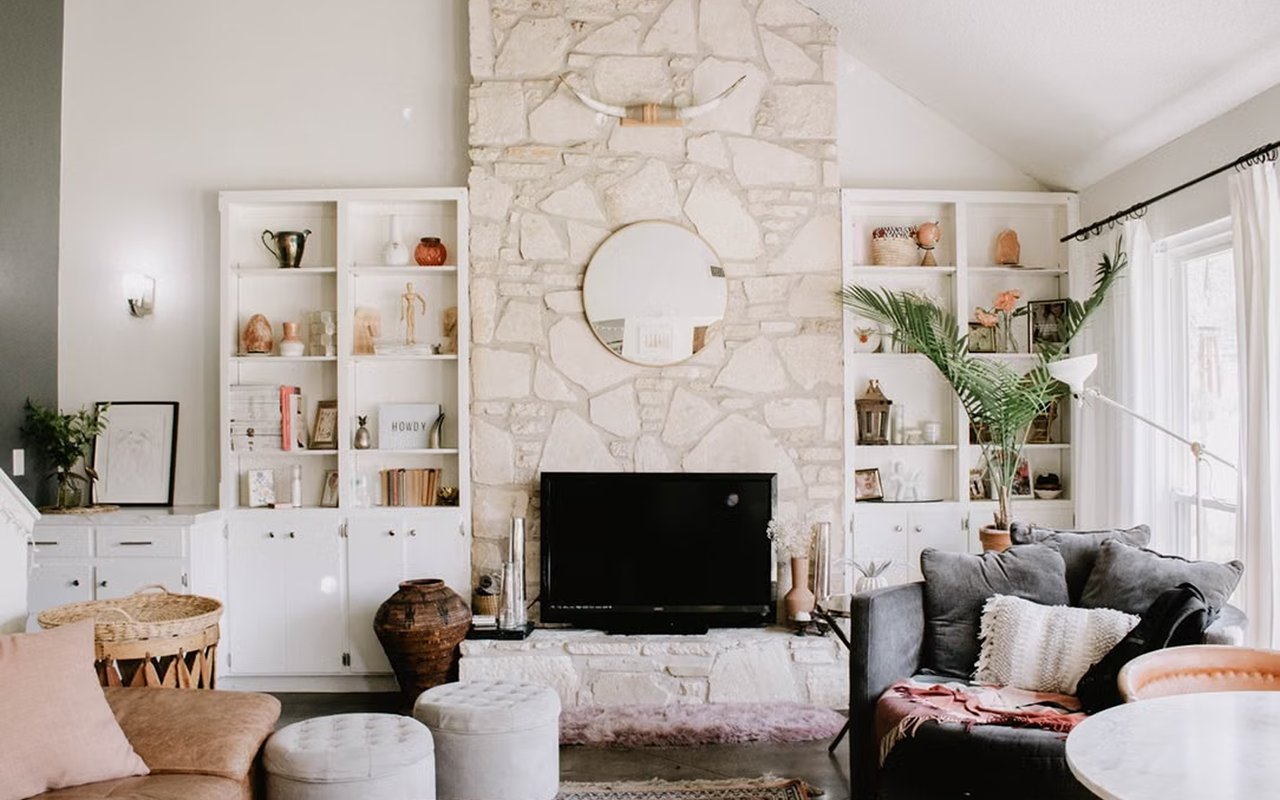
In a Palm Desert home, Southwestern influence works best when it is woven in selectively rather than applied wholesale. A hand-knotted rug in warm reds and creams adds pattern and depth to a living room anchored by clean-lined furniture. Hand-thrown pottery in earth tones works beautifully as accent pieces on open shelving or coffee tables. Turquoise, used sparingly in a throw pillow, a piece of art, or a single tile detail in the kitchen, adds the kind of unexpected color that makes an interior feel personal.
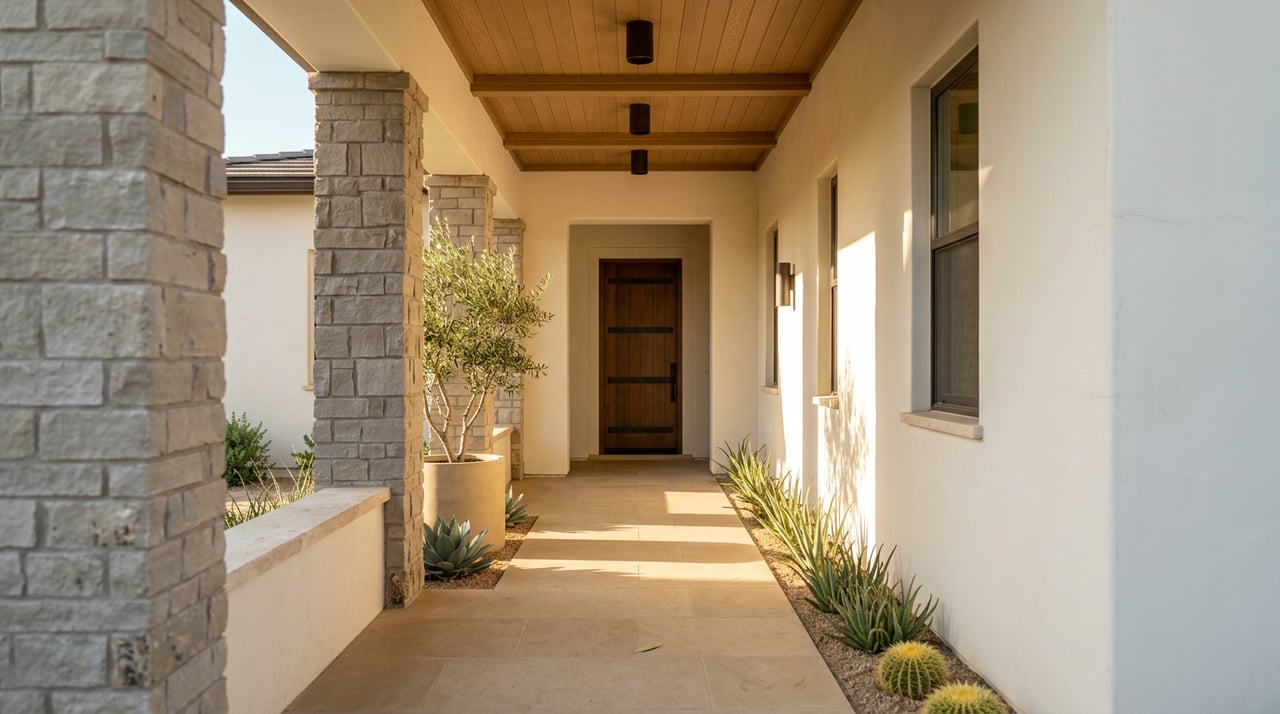
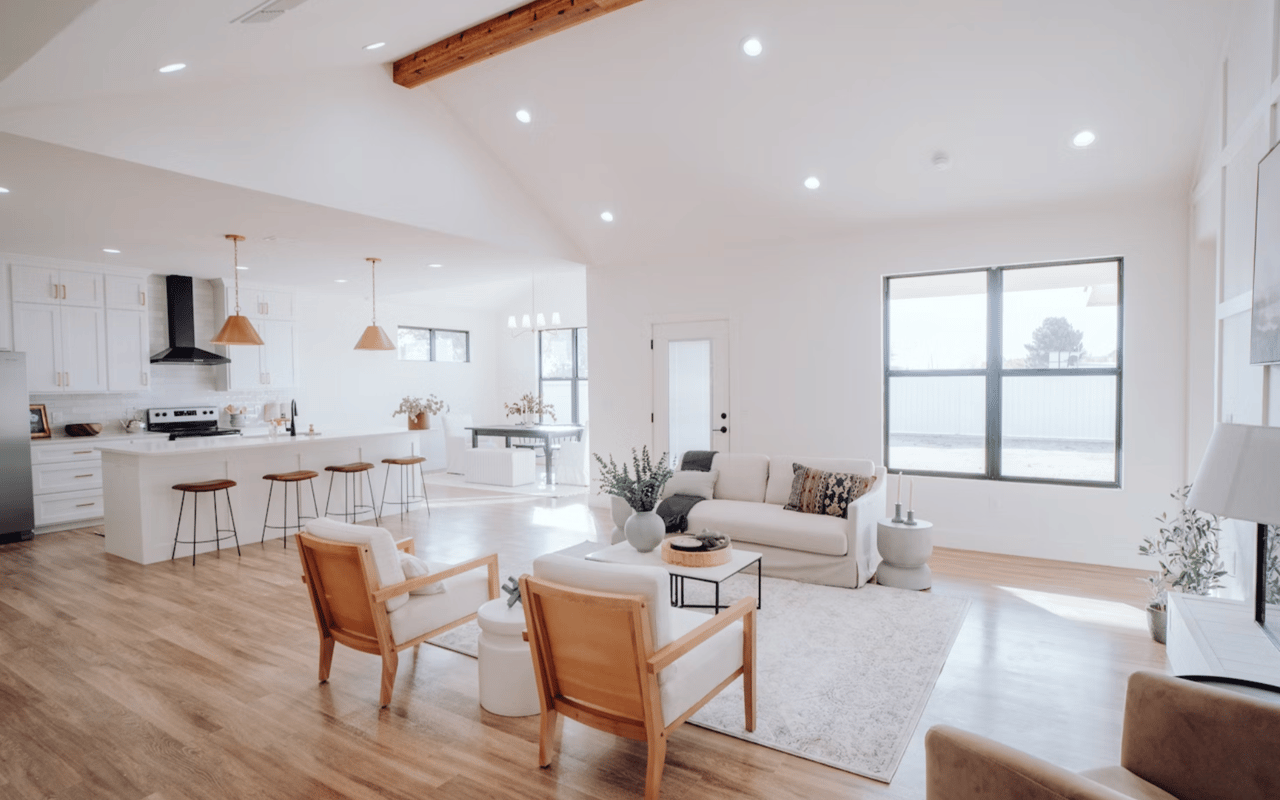
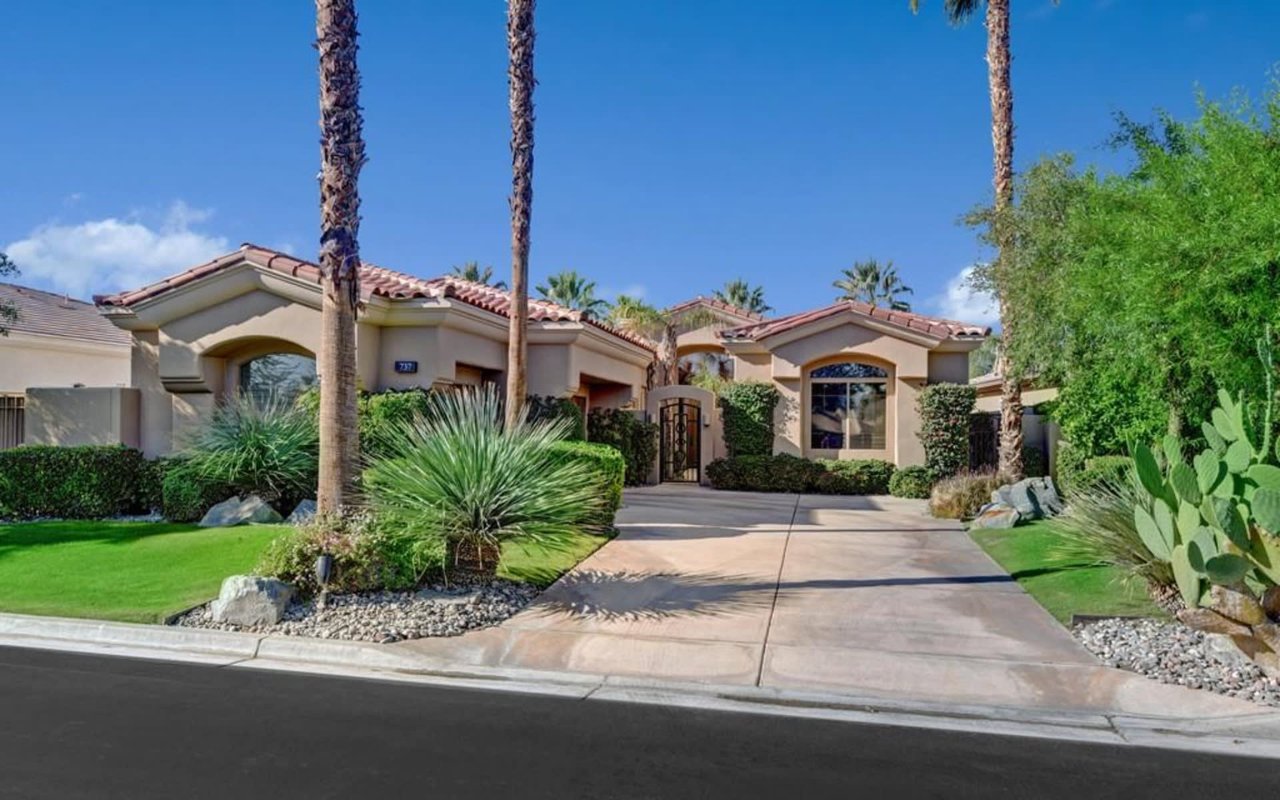
Exposed wooden ceiling beams, brick or terracotta tile floors, and arched doorways are architectural elements that harmonize naturally with Southwestern design and appear in many of Palm Desert's older and custom-built homes. If your home already has these features, leaning into a warm Southwestern palette will feel effortless and cohesive.
In a Palm Desert home, Southwestern influence works best when it is woven in selectively rather than applied wholesale. A hand-knotted rug in warm reds and creams adds pattern and depth to a living room anchored by clean-lined furniture. Hand-thrown pottery in earth tones works beautifully as accent pieces on open shelving or coffee tables. Turquoise, used sparingly in a throw pillow, a piece of art, or a single tile detail in the kitchen, adds the kind of unexpected color that makes an interior feel personal.
Exposed wooden ceiling beams, brick or terracotta tile floors, and arched doorways are architectural elements that harmonize naturally with Southwestern design and appear in many of Palm Desert's older and custom-built homes. If your home already has these features, leaning into a warm Southwestern palette will feel effortless and cohesive.
Southwestern Design Touches That Work
-
Hand-thrown pottery and ceramic vases in earthy matte glazes add texture to shelves and tabletops.
-
Turquoise as an accent color in throw pillows, a ceramic piece, or a tile detail adds vibrancy without overwhelming the room.
-
Exposed wooden beams, if present, work best when left natural or treated with a light, warm oil rather than painted over.
-
Woven wall hangings or textile art bring vertical texture and color to hallways and bedrooms.
Contemporary Minimalism With Desert Warmth
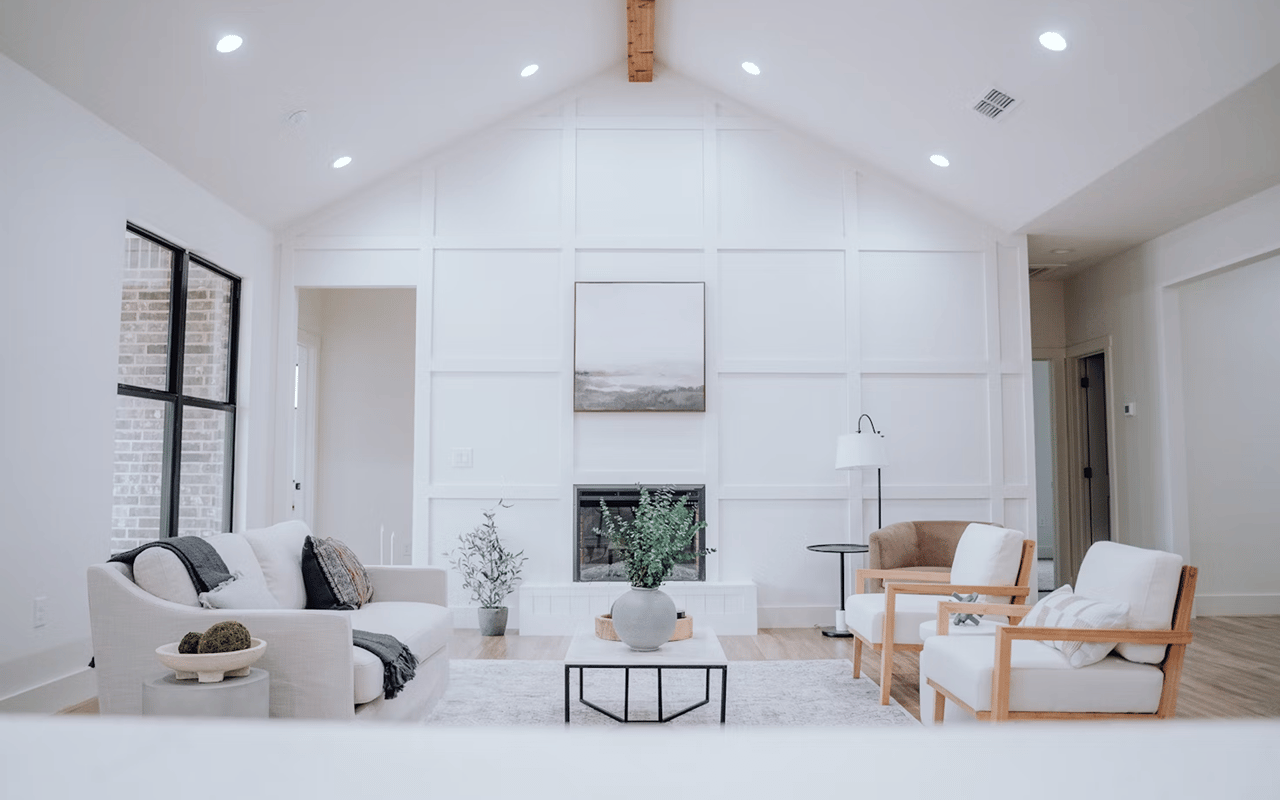
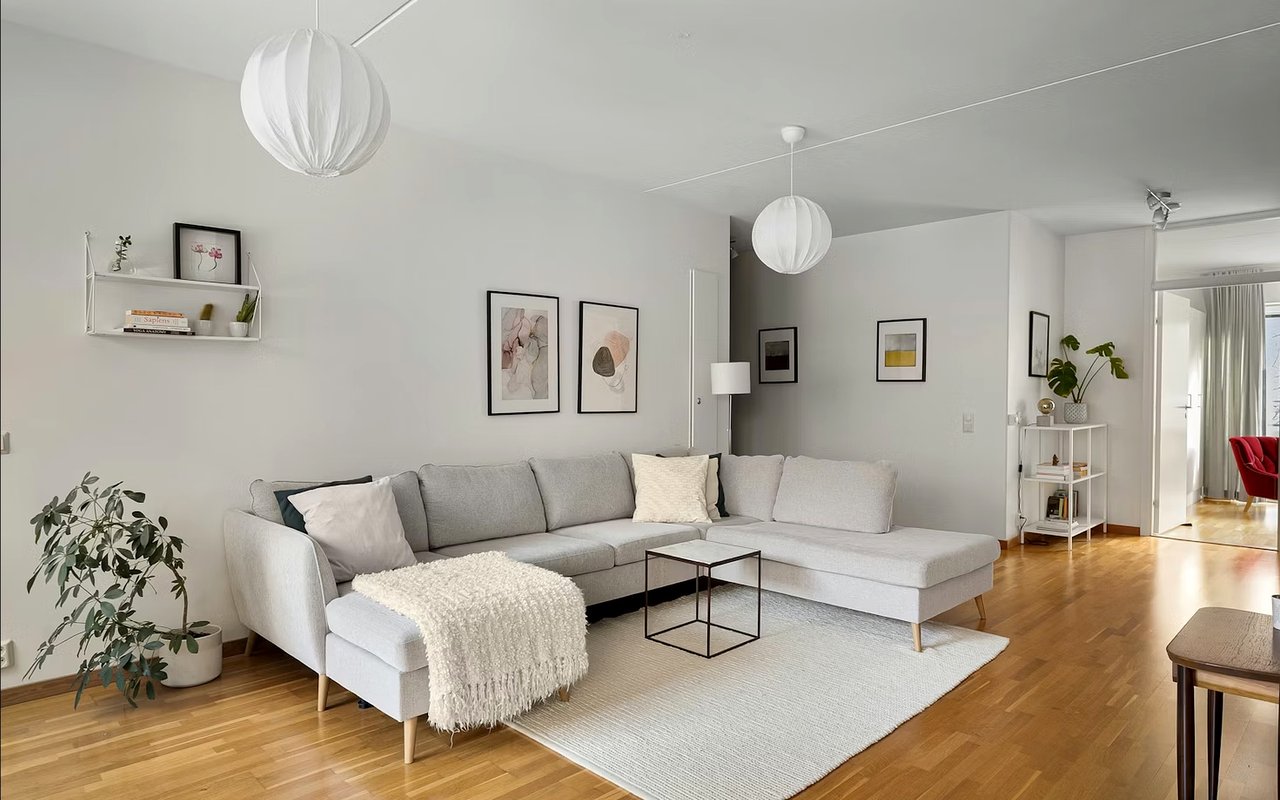
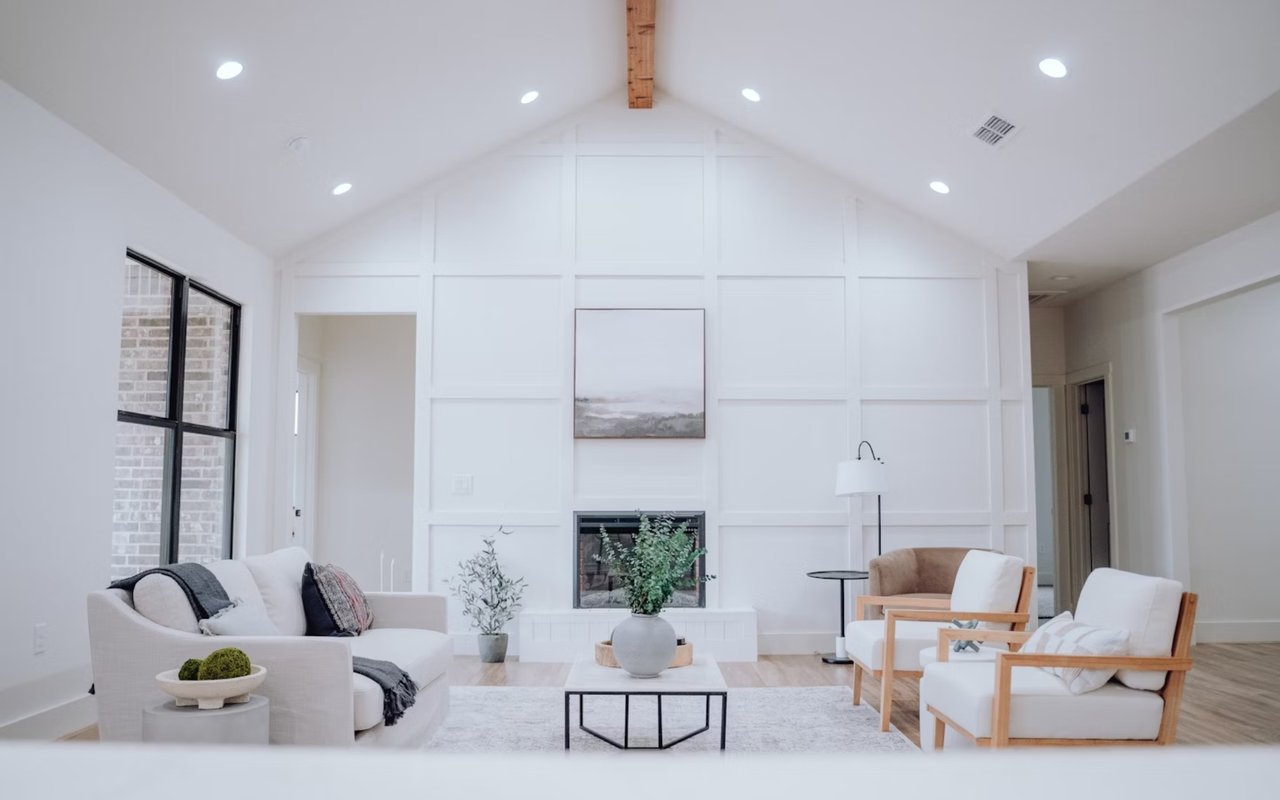
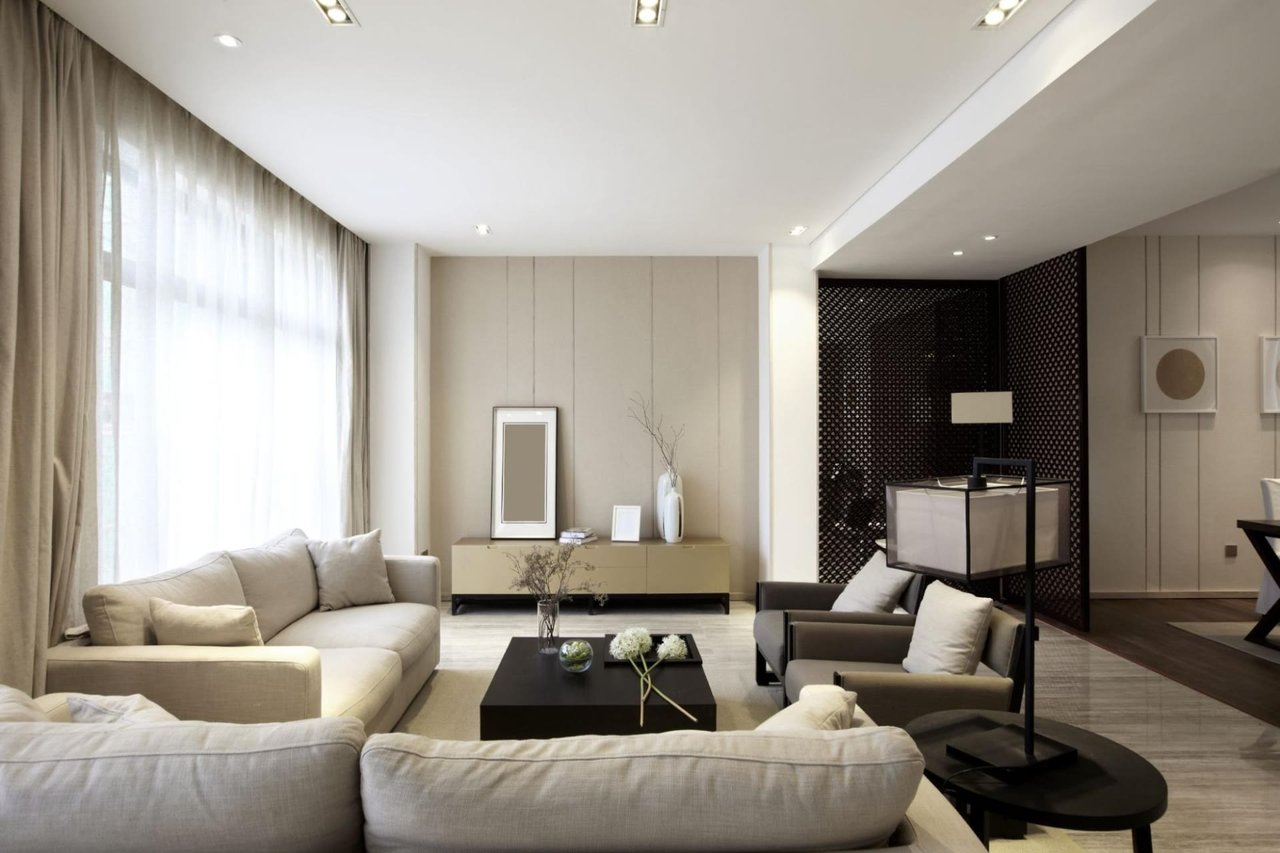
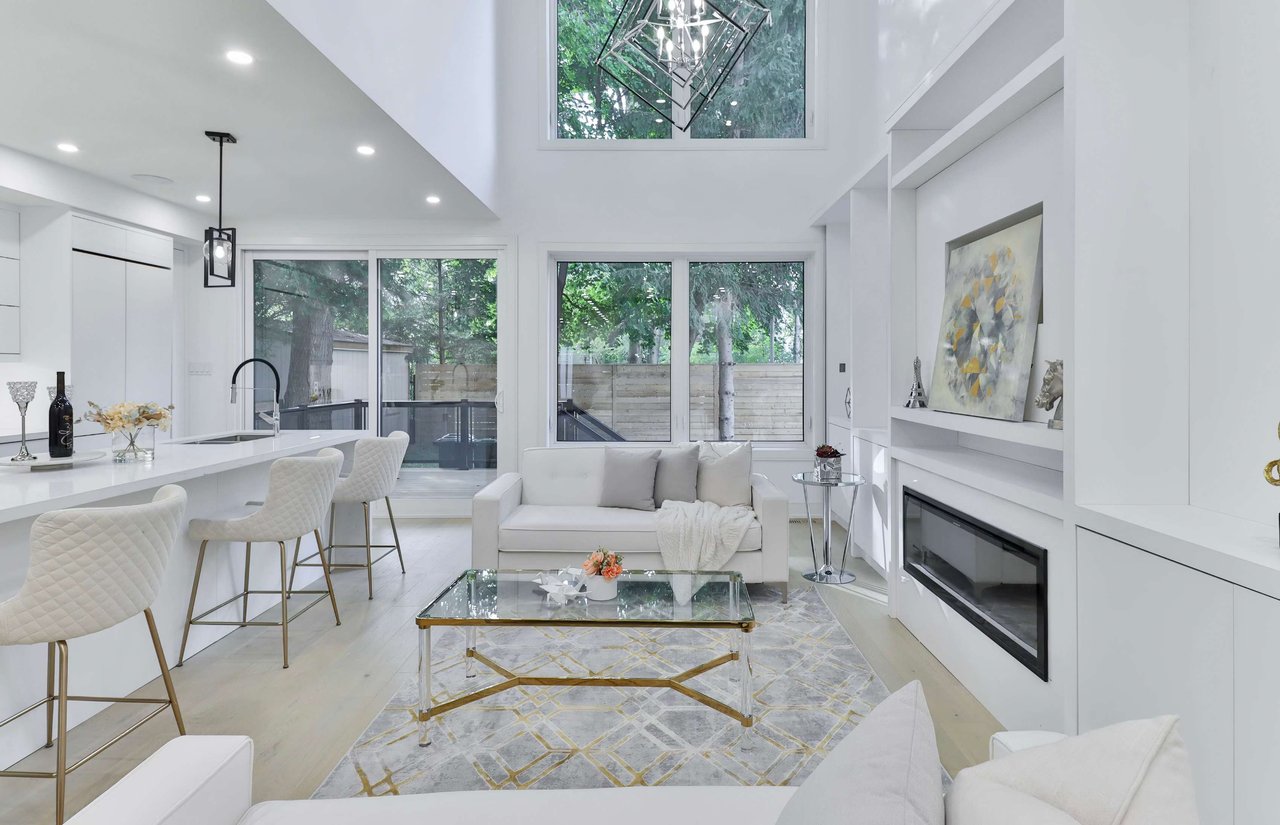
Contemporary minimalism as practiced in Palm Desert homes is not cold or austere — it is warm, deliberate, and deeply connected to the environment outside. This approach strips a room down to its most essential elements and then carefully reintroduces warmth through material choice, proportion, and a very selective use of objects. The result is a home that feels calm and spacious without feeling empty.
The key to getting contemporary minimalism right in the desert is resisting the urge to add more when something feels like it is missing. More often than not, what a sparse space needs is not another object but a better object — a more interesting texture in the upholstery, a more considered light fixture, a plant at the right scale. Restraint is a practice, and in Palm Desert, where the landscape outside is doing so much visual work, interiors that step back and let the view in are often the most compelling.
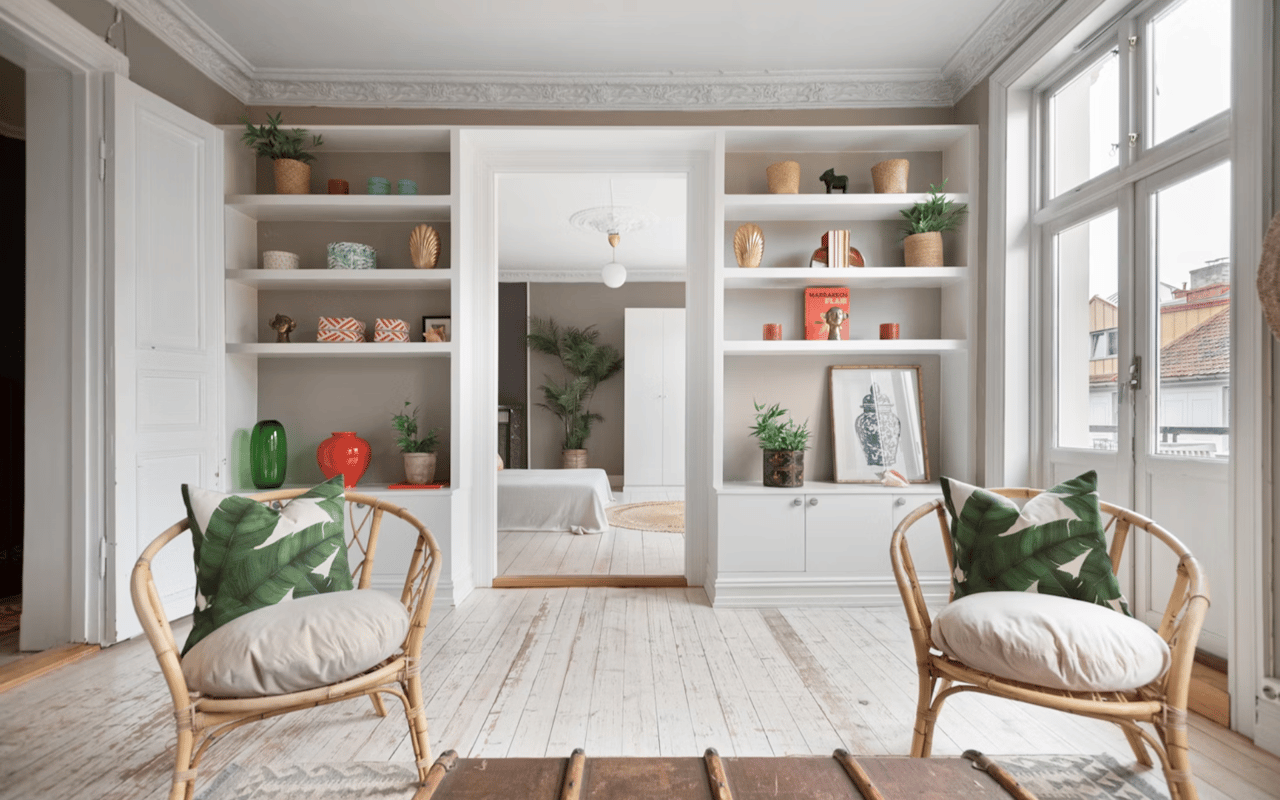
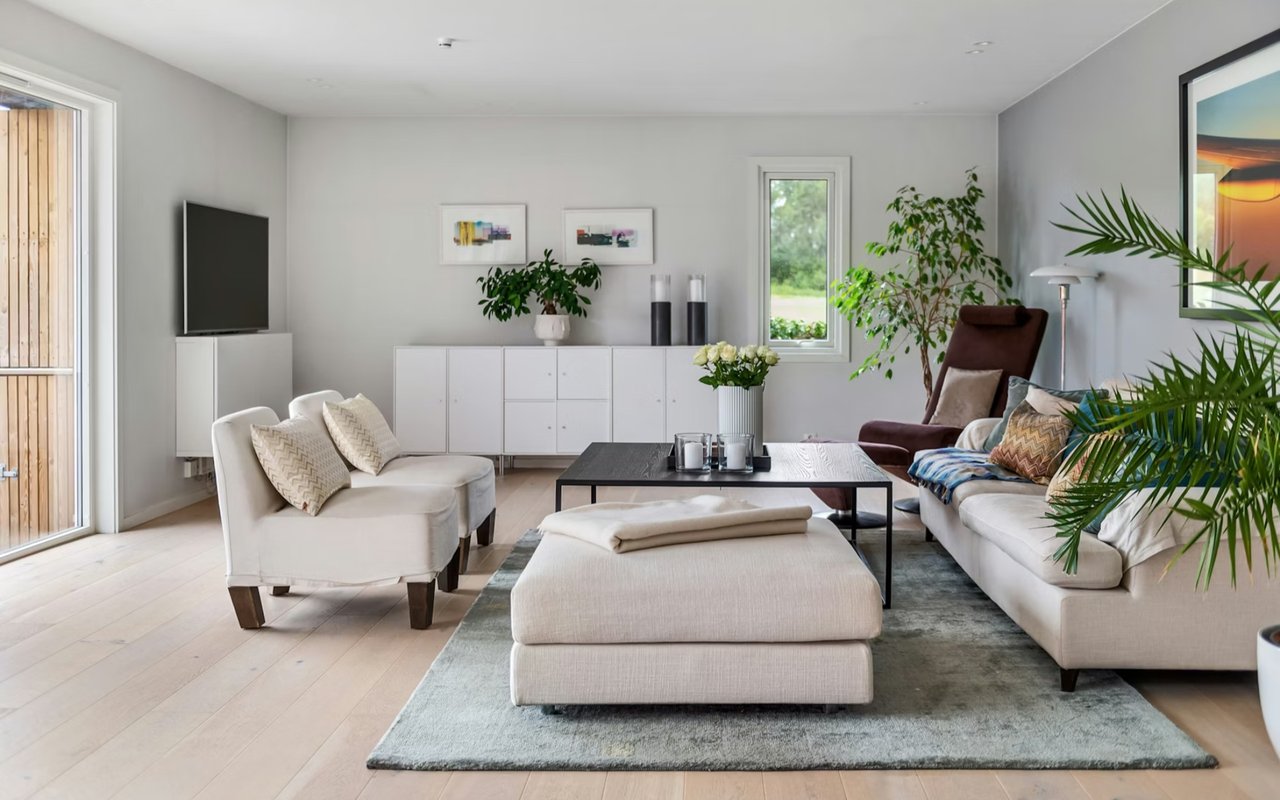
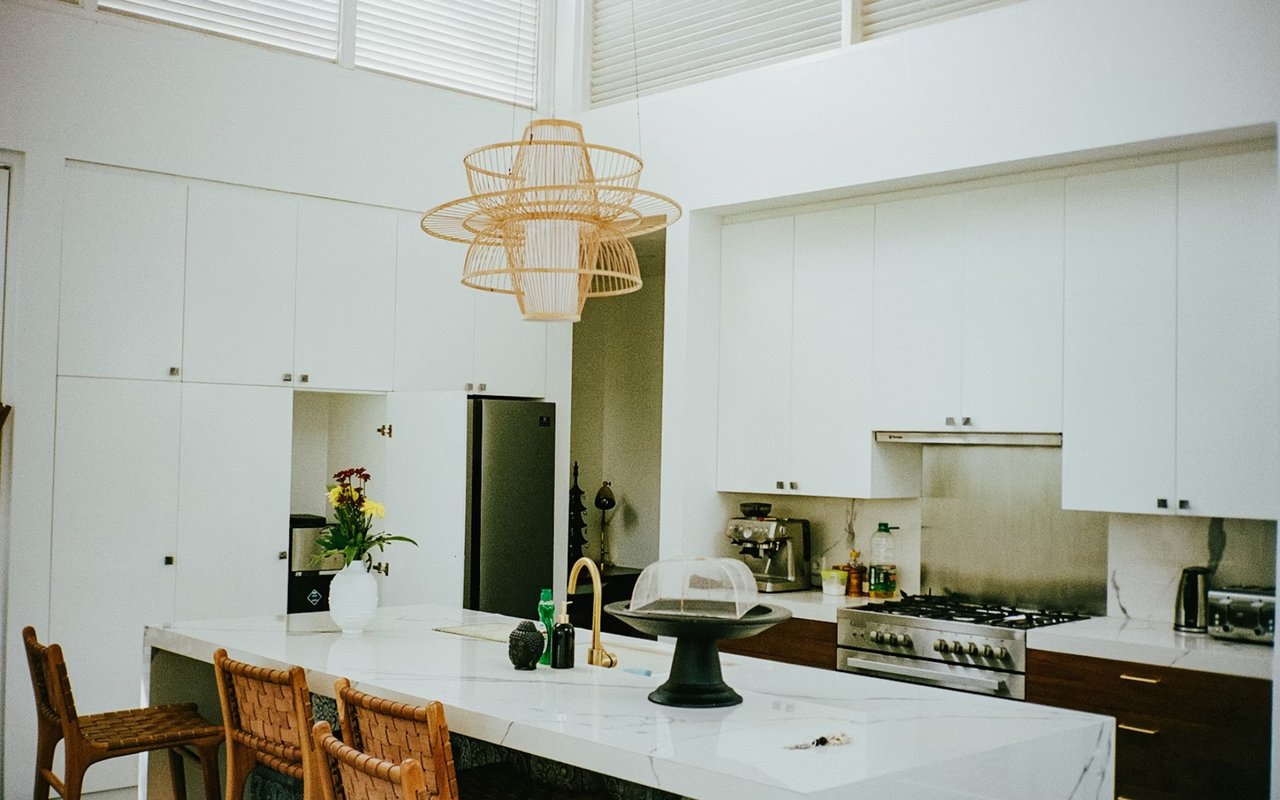
Neutral palettes with tonal variation work beautifully in this style. Warm white walls, linen-toned upholstery, and natural wood or stone accents create a layered monochromatic effect that reads as sophisticated rather than stark. Pops of color, when used, should come from natural sources: a terracotta pot, a piece of locally made ceramic art, or a single deeply colored textile.
The key to getting contemporary minimalism right in the desert is resisting the urge to add more when something feels like it is missing. More often than not, what a sparse space needs is not another object but a better object — a more interesting texture in the upholstery, a more considered light fixture, a plant at the right scale. Restraint is a practice, and in Palm Desert, where the landscape outside is doing so much visual work, interiors that step back and let the view in are often the most compelling.
Neutral palettes with tonal variation work beautifully in this style. Warm white walls, linen-toned upholstery, and natural wood or stone accents create a layered monochromatic effect that reads as sophisticated rather than stark. Pops of color, when used, should come from natural sources: a terracotta pot, a piece of locally made ceramic art, or a single deeply colored textile.
Minimalist Design Principles for Palm Desert Homes
-
Choose furniture with clean lines and natural materials, keeping the total number of pieces in each room intentional and purposeful.
-
Layer tonal neutrals — warm white, sand, greige, linen — to create depth without introducing competing colors.
-
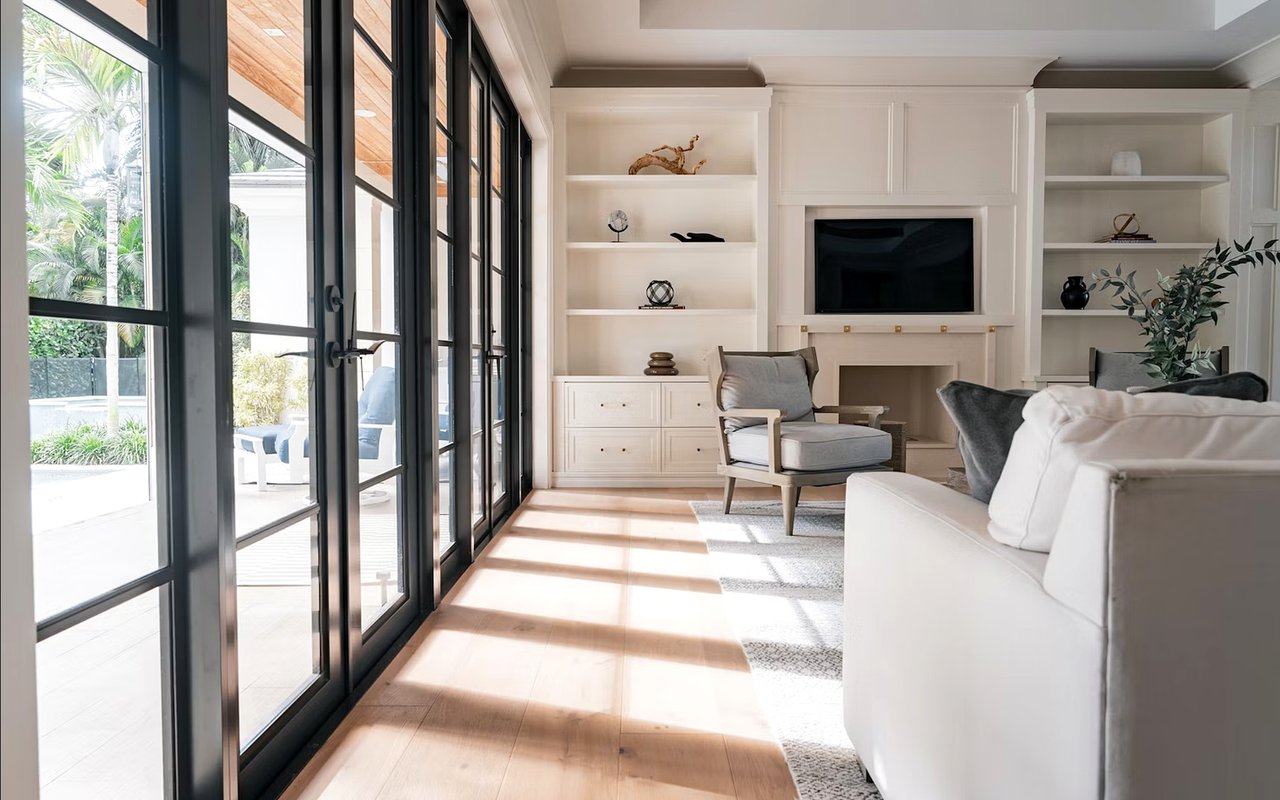
Let the view do the work by keeping window treatments minimal and positioning seating to take advantage of outdoor sightlines.
-
Introduce warmth through texture rather than pattern; boucle, linen, stone, and raw wood all read as warm without adding visual noise.
-
Limit decorative objects to a few meaningful pieces rather than collections, allowing each item to hold its own visual weight.
FAQs
What Interior Design Style Works Best in a Mid-Century Modern Palm Desert Home?
The most cohesive approach is to honor the architecture with period-appropriate furniture and materials — walnut, teak, clean lines, geometric forms — while personalizing with textiles, art, and plants. Desert modernism and Mid-Century Modern share enough DNA that blending them works very well. Adding Southwestern textile accents brings warmth without disrupting the overall aesthetic.
How Do I Create Indoor-Outdoor Flow in My Palm Desert Home?
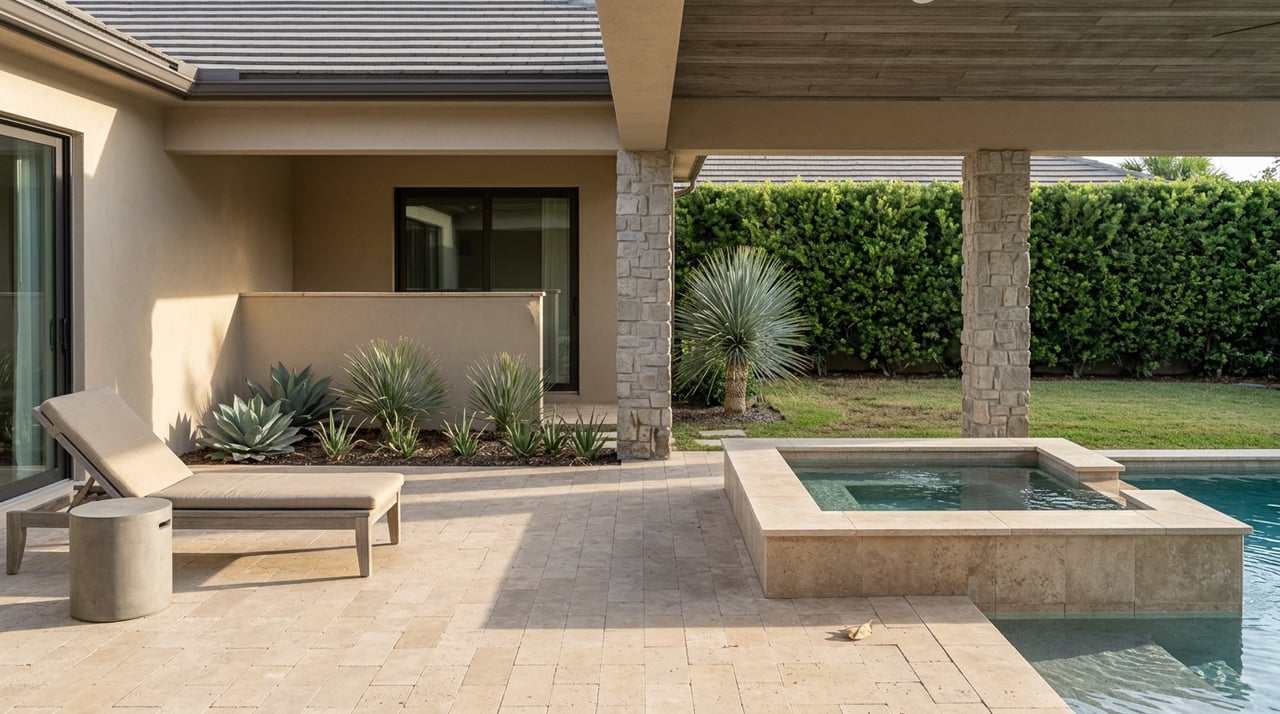
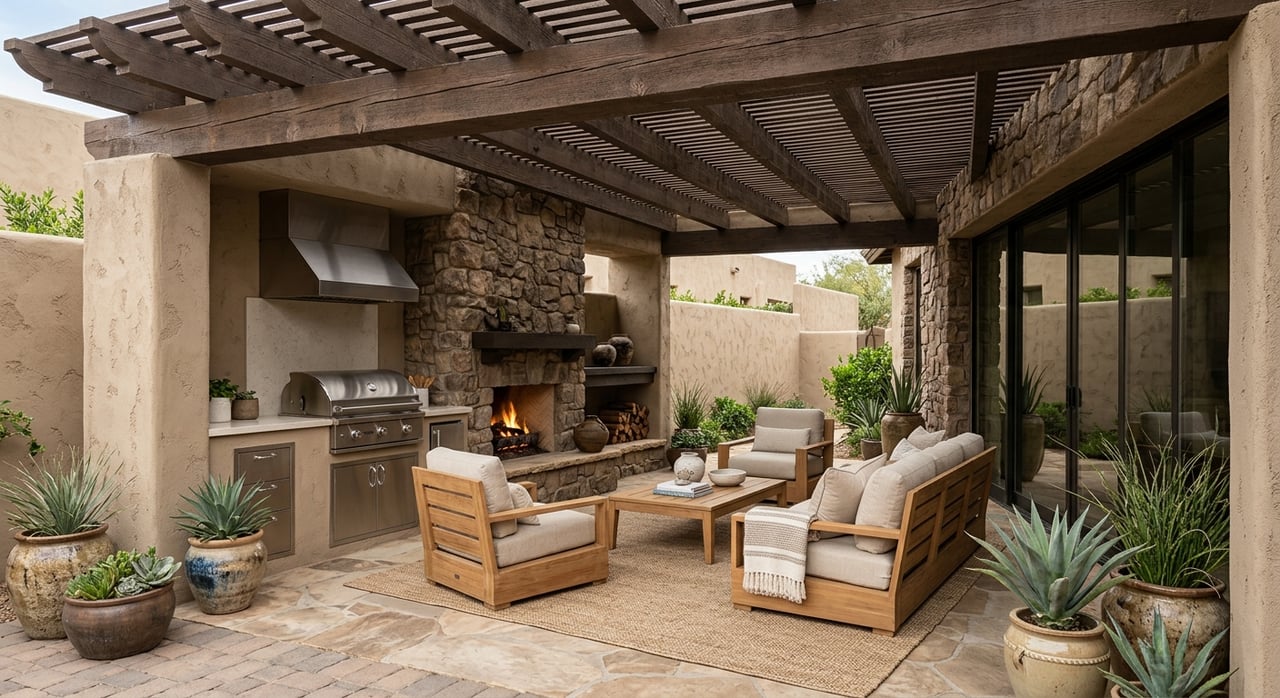
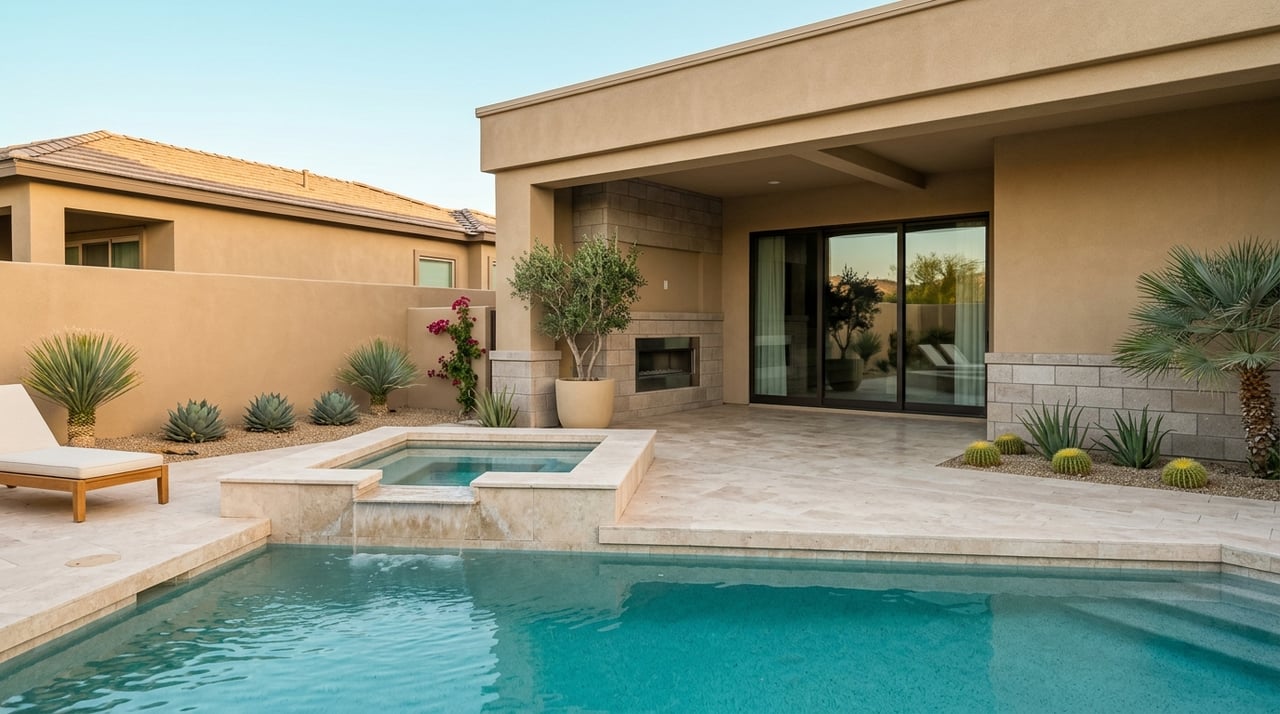
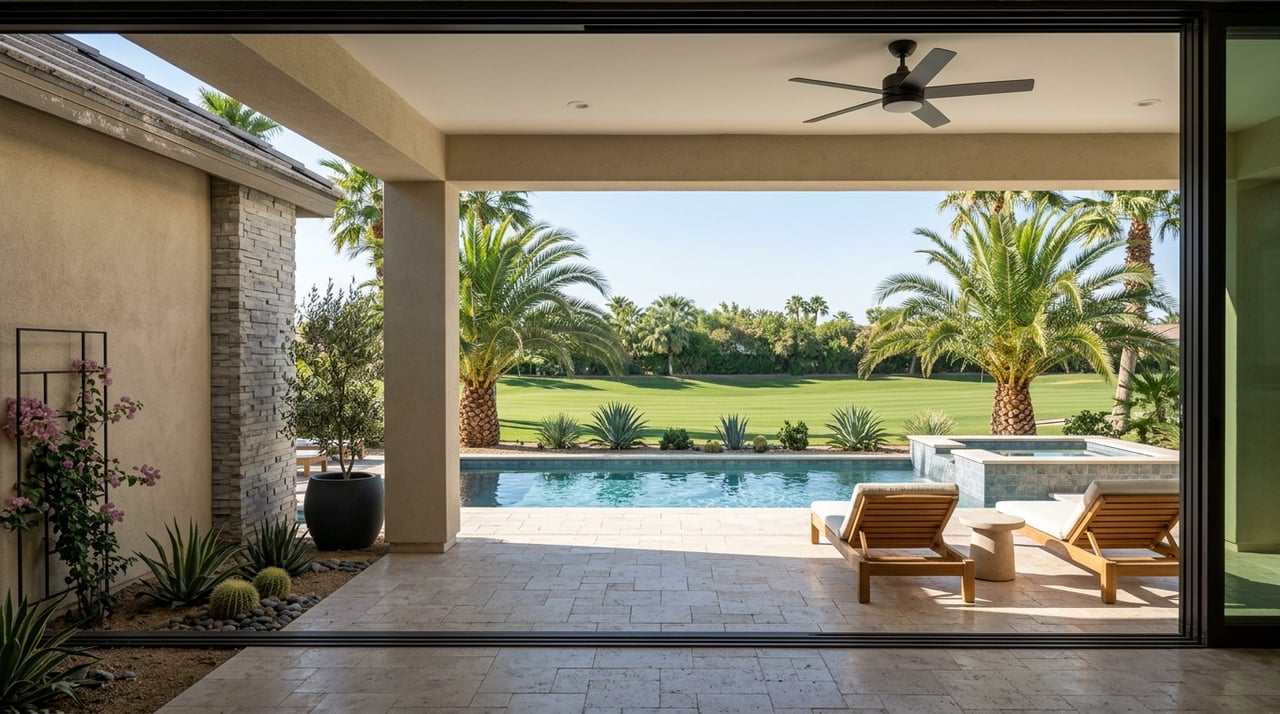
Use consistent flooring materials that extend from inside to outside where possible, or choose interior and exterior surfaces that share the same tonal family. Sliding glass walls or wide French doors help, as does positioning furniture to take advantage of the view. A well-designed covered patio that mirrors the interior's material palette creates a seamless extension of the living space.
What Colors Work Best in Palm Desert Interiors?
Warm neutrals — sand, bone, warm white, greige — are the most versatile base palette for Palm Desert homes. From there, earthy accents, such as terracotta, rust, olive, and dusty sage, complement the landscape and the architecture. Cooler tones can work in more contemporary desert modernism applications, but they tend to require more intentional layering with warm materials to avoid feeling stark.
Design Your Desert Home With Intention
A home in Palm Desert is a remarkable thing to own. The architecture, the light, the landscape, and the lifestyle converge in a way that is rare, and the interior design choices you make either honor that or dilute it. The styles explored here are not competing approaches. They are complementary traditions that draw from the same well of place, material, and light.
Whether you are ready to stage a property for sale or planning out your living space in your new Palm Desert home, our team at DW & Associates can connect you with the resources and guidance you need to make it exceptional.
Whether you are ready to stage a property for sale or planning out your living space in your new Palm Desert home, our team at DW & Associates can connect you with the resources and guidance you need to make it exceptional.