By DW & Associates
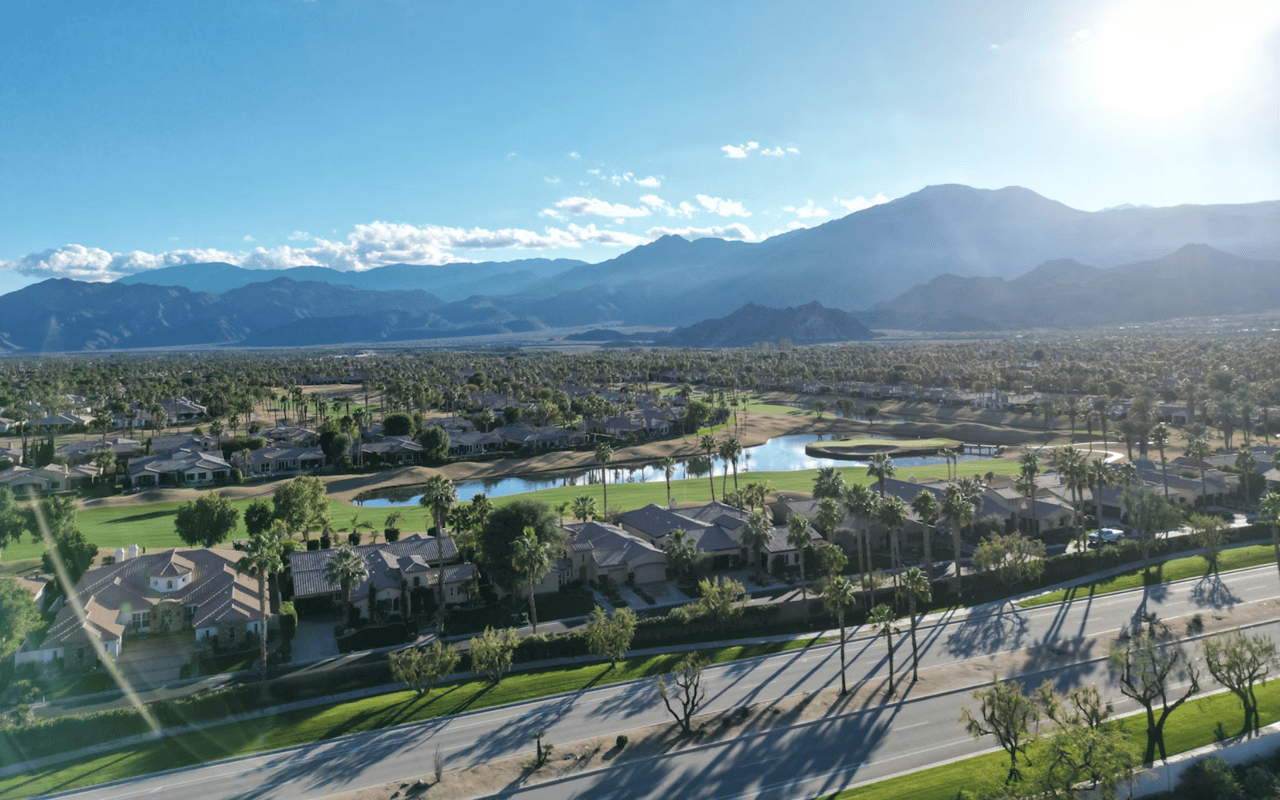
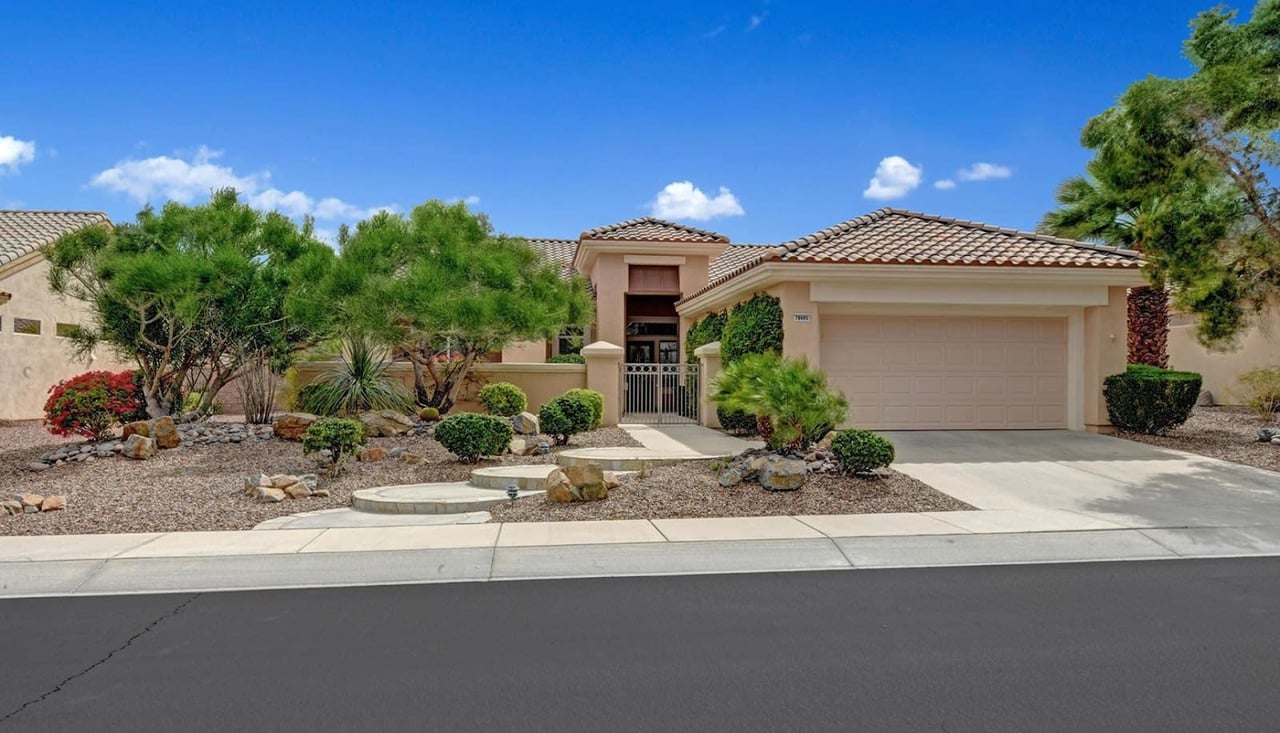
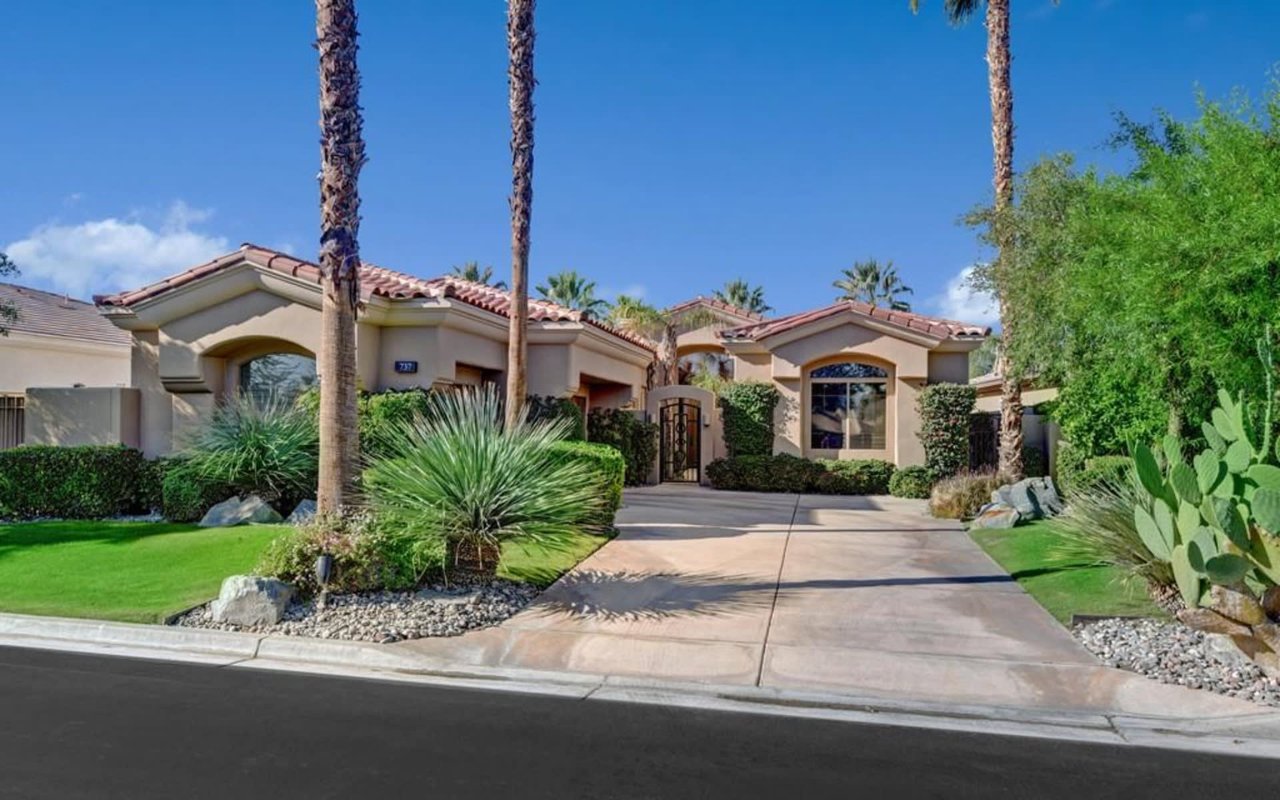
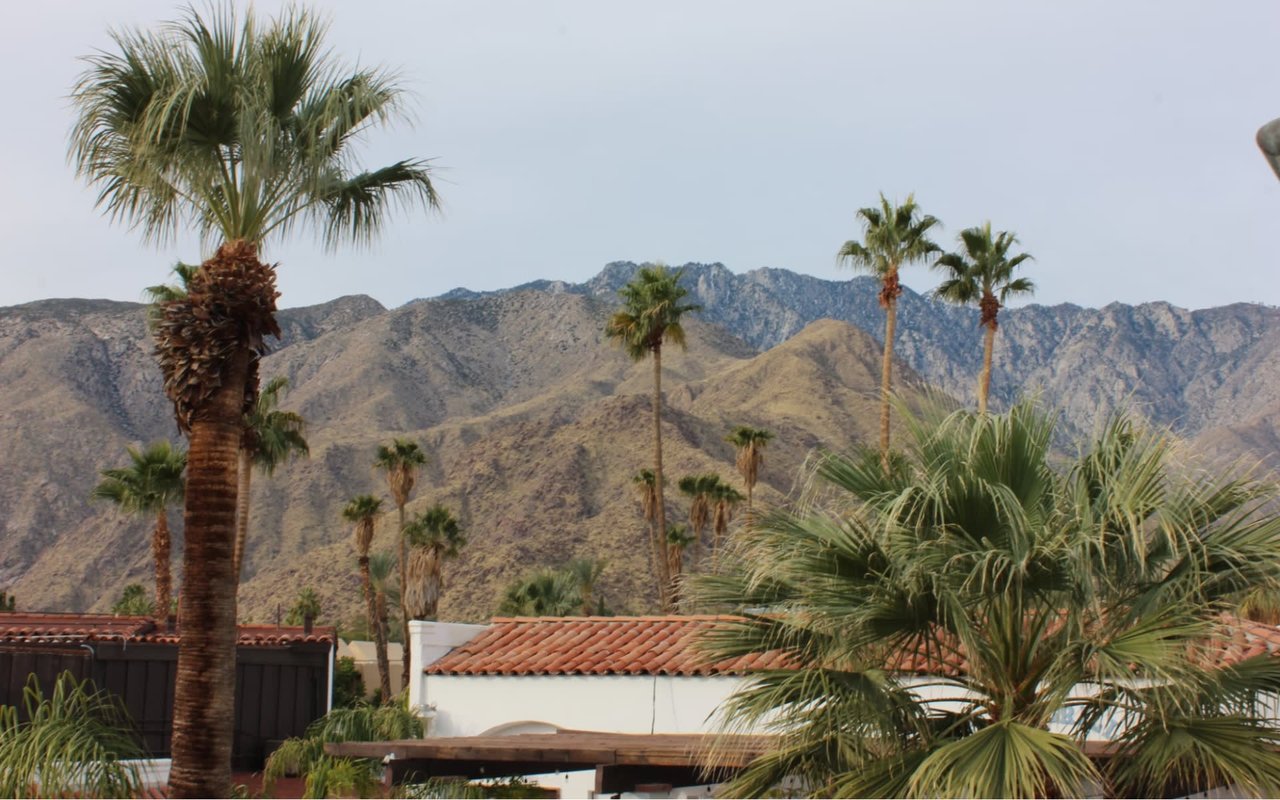
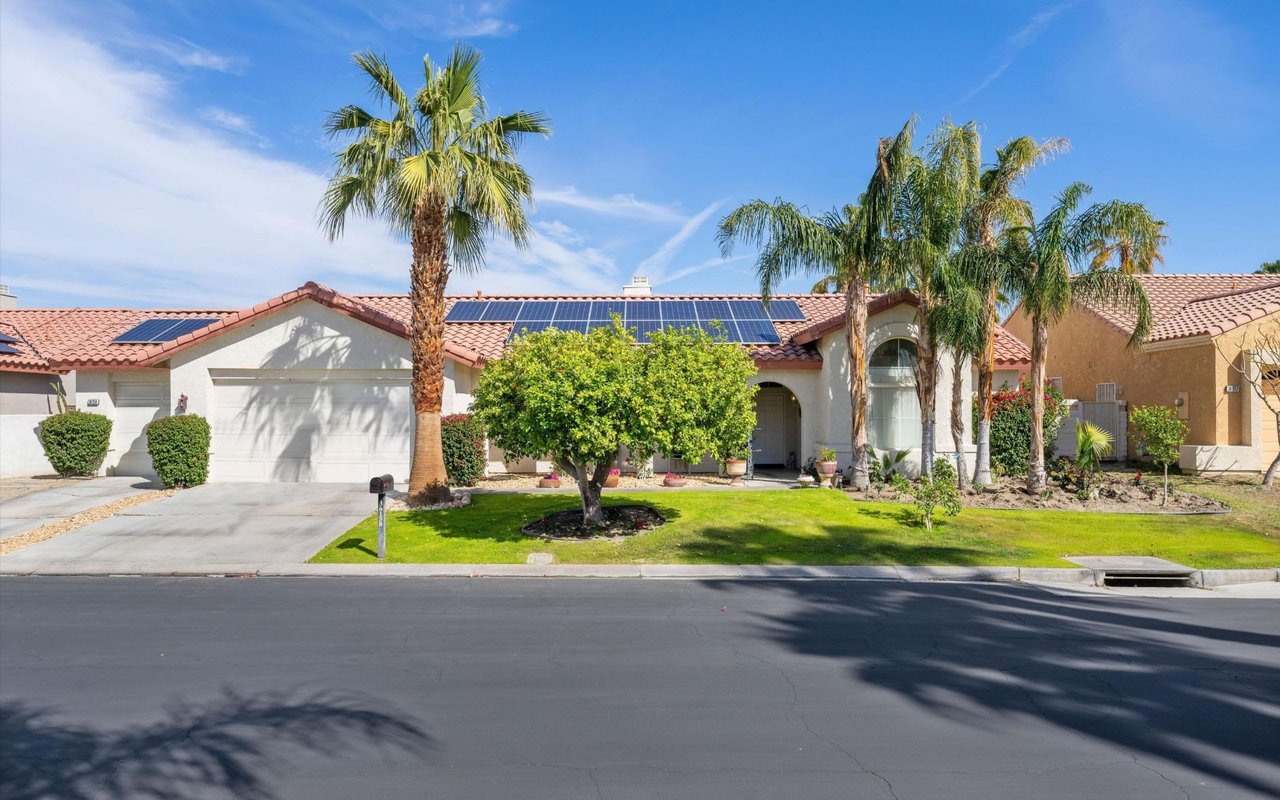
If you’re about to buy a home in Palm Desert, CA, you already know this decision is more than a transaction; it’s a milestone. Palm Desert real estate is alluring with its dramatic mountain views, bright sunshine, and signature indoor-outdoor lifestyle.
But behind every elegant stucco facade or stunning pool is a structure with its own nuances, strengths, and possible setbacks. That’s where the home inspection comes in.
A home inspection isn’t just a box to check in the buying process; it’s your backstage pass to the real story of the house. Instead of guessing what’s behind closed doors or underneath that fresh coat of paint, you’ll get clear, unbiased answers. Whether you’re aiming for your forever home or a savvy investment, knowing what’s truly going on inside the walls gives you the power to make smart, confident decisions in this unique desert market.
So, what should you expect, and how can you use the process to your advantage? Let’s break it all down so you walk into escrow—and your inspection day—ready to succeed.
Key Takeaways
- Expect a professional, in-depth assessment of every major part of the property before you buy.
- Learn how to use the inspection report to negotiate, plan, and protect your investment.
What Is a Home Inspection, and Why Does It Matter?
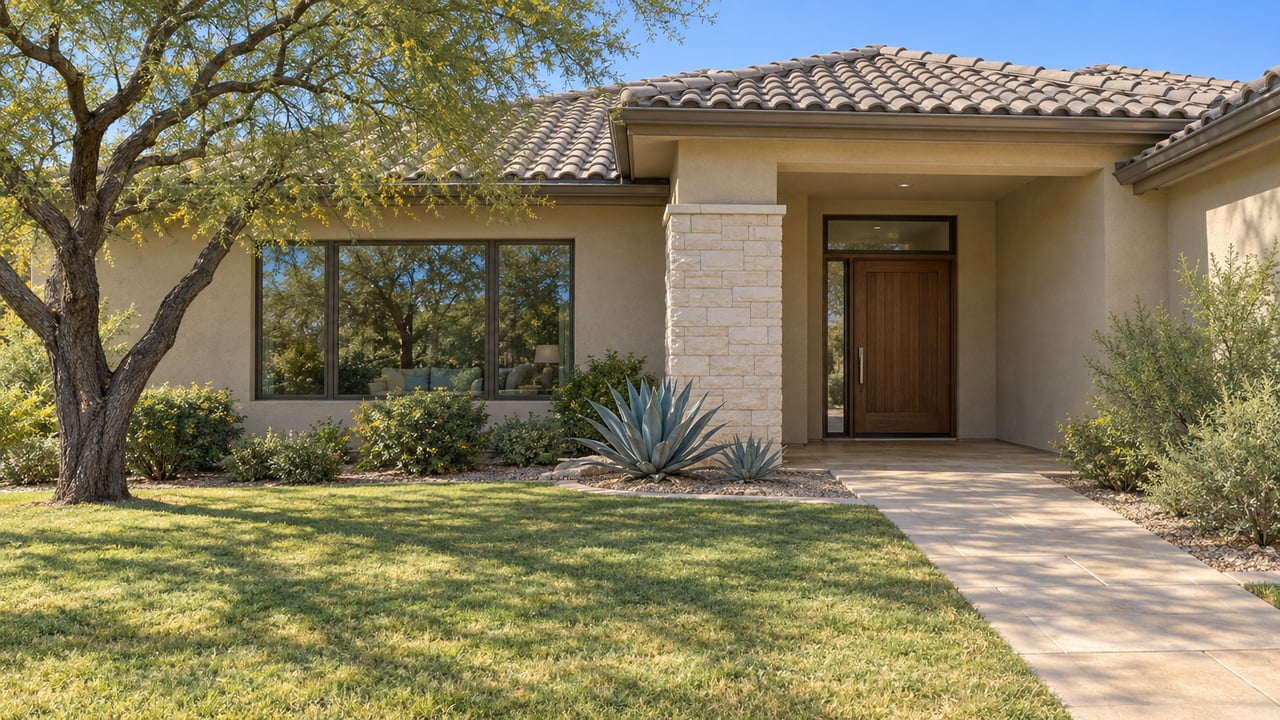
A home inspection is a thorough, unbiased evaluation of a property’s visible structure and systems. In Palm Desert, where you’ll find a fascinating combination of mid-century gems, new-builds, and desert retreats, this process is vital. It shines a light on the true condition of your potential new home, from the roof tiles down to the foundation and everything in between.
If you’re buying a home in Palm Desert, this step protects your interests. The inspector’s job is to identify existing or potential problems, highlight areas needing attention, and help you understand what you might be signing up for. This is your window to ask for repairs, renegotiate the price, or decide if the home truly fits your needs.
Palm Desert’s unique setting means that inspections matter even more. Extreme temperatures, intense sun, and shifting desert soils all take their toll on homes here, even ones that look picture-perfect at first glance. With an inspection, you’ll avoid the guesswork and gain the confidence to move ahead or walk away if needed.
If you’re buying a home in Palm Desert, this step protects your interests. The inspector’s job is to identify existing or potential problems, highlight areas needing attention, and help you understand what you might be signing up for. This is your window to ask for repairs, renegotiate the price, or decide if the home truly fits your needs.
Palm Desert’s unique setting means that inspections matter even more. Extreme temperatures, intense sun, and shifting desert soils all take their toll on homes here, even ones that look picture-perfect at first glance. With an inspection, you’ll avoid the guesswork and gain the confidence to move ahead or walk away if needed.
What a Home Inspection Covers
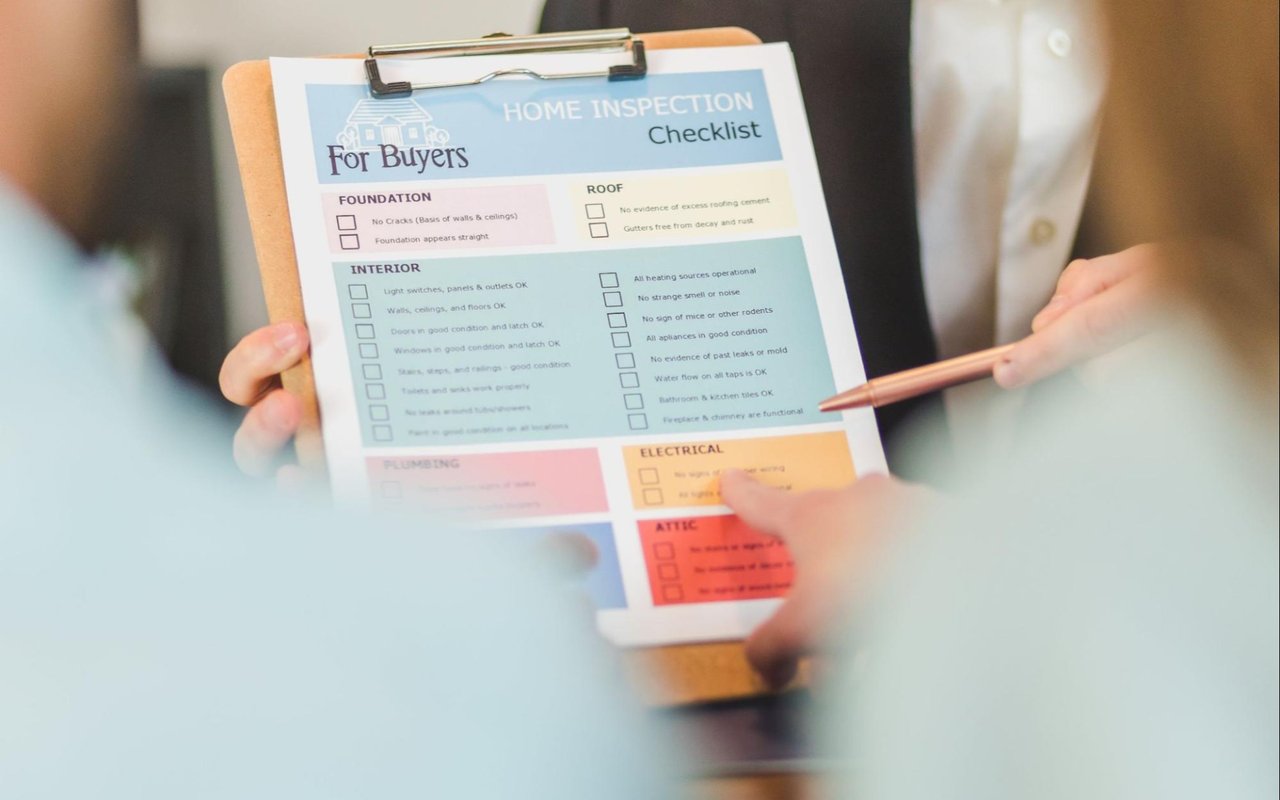
- Foundation, structure, and support systems.
- Roof condition, drainage, and visible flashing.
- Plumbing and electrical systems throughout the house.
- Heating and cooling (HVAC).
- Walls, ceilings, floors, windows, and doors for operation and integrity.
- Attics, crawl spaces, and garages.
- Exterior features, such as driveways, patios, and walkways.
How the Inspection Fits into the Buying Process
The moment your offer is accepted, the real countdown begins. That’s when you enter your contingency period. This is your opportunity to get answers before your purchase becomes final.
Our team can help connect you with trusted inspectors who know what to look for. These professionals bring expertise that’s specific to the climate and local market. Once you schedule the inspection, the inspector’s role is to review every accessible, visible area. They’ll identify any signs of age, damage, needed repairs, and even maintenance you’ll want to plan for down the road.
Afterward, you’ll receive a detailed report. This becomes your roadmap for the next steps. We’ll use it to request repairs, negotiate with the seller, or plan your own upgrades. If serious concerns pop up, you still have time to rethink your options before closing.
Our team can help connect you with trusted inspectors who know what to look for. These professionals bring expertise that’s specific to the climate and local market. Once you schedule the inspection, the inspector’s role is to review every accessible, visible area. They’ll identify any signs of age, damage, needed repairs, and even maintenance you’ll want to plan for down the road.
Afterward, you’ll receive a detailed report. This becomes your roadmap for the next steps. We’ll use it to request repairs, negotiate with the seller, or plan your own upgrades. If serious concerns pop up, you still have time to rethink your options before closing.
Where the Inspection Fits in the Timeline
- After your offer is accepted and the escrow period starts, the inspection contingency window opens (typically 5-10 days).
- Upon completion, the inspector delivers a comprehensive report, often within 48 hours.
- You then review the findings and make any repair requests.
What Inspectors Look For: Key Focus Areas
Inspectors bring a keen eye to specific features. For example, roofs are a top priority because the intense sun and high temperatures can age materials quickly. Inspectors also focus on HVAC systems, since reliable air conditioning is non-negotiable in the desert heat.
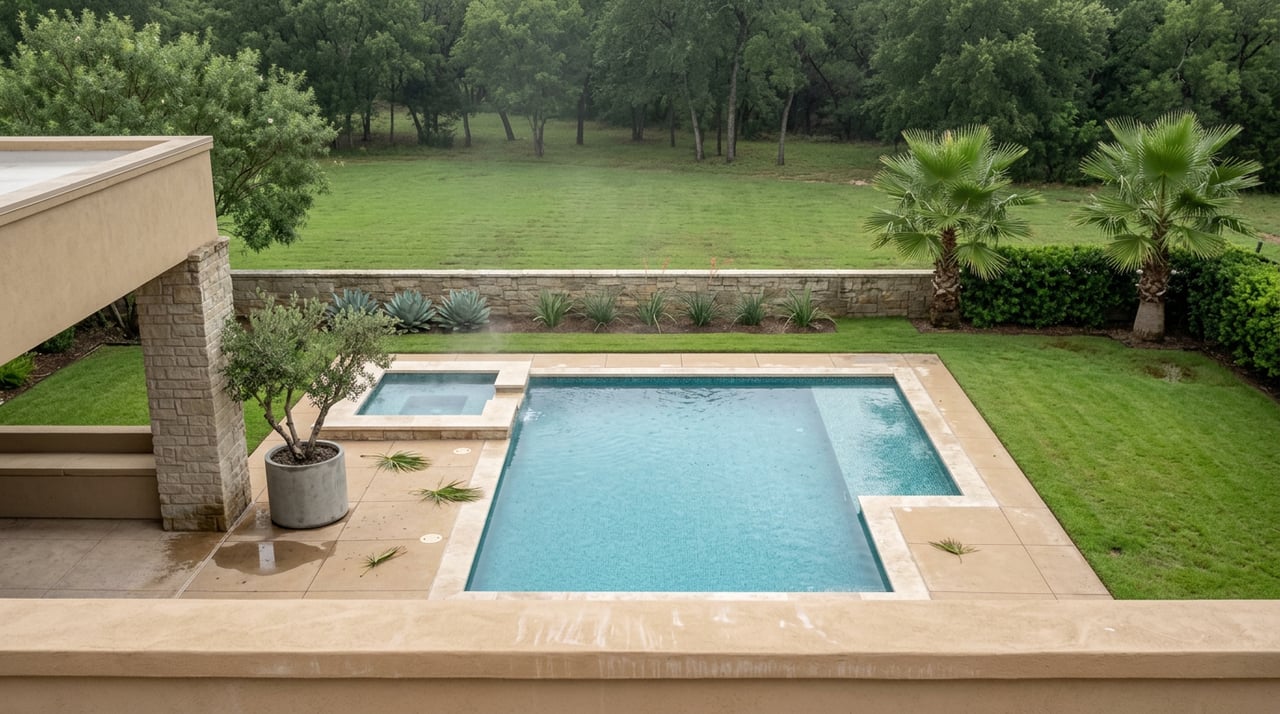
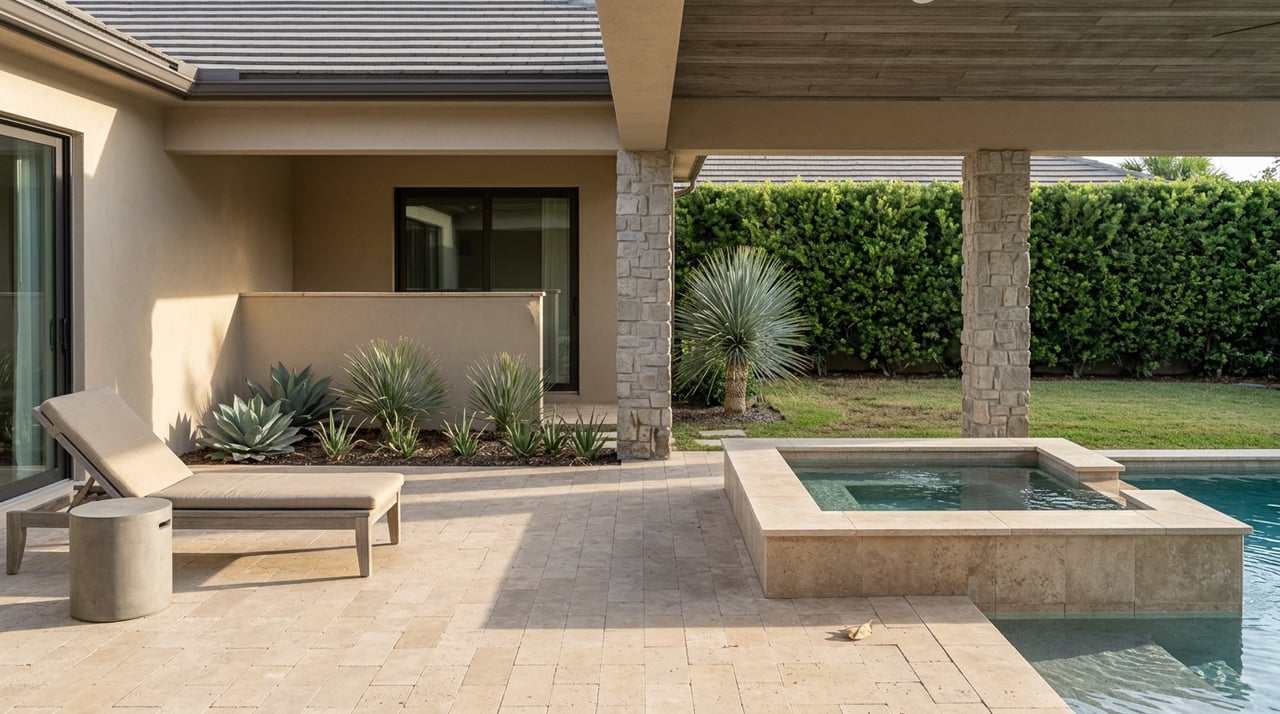
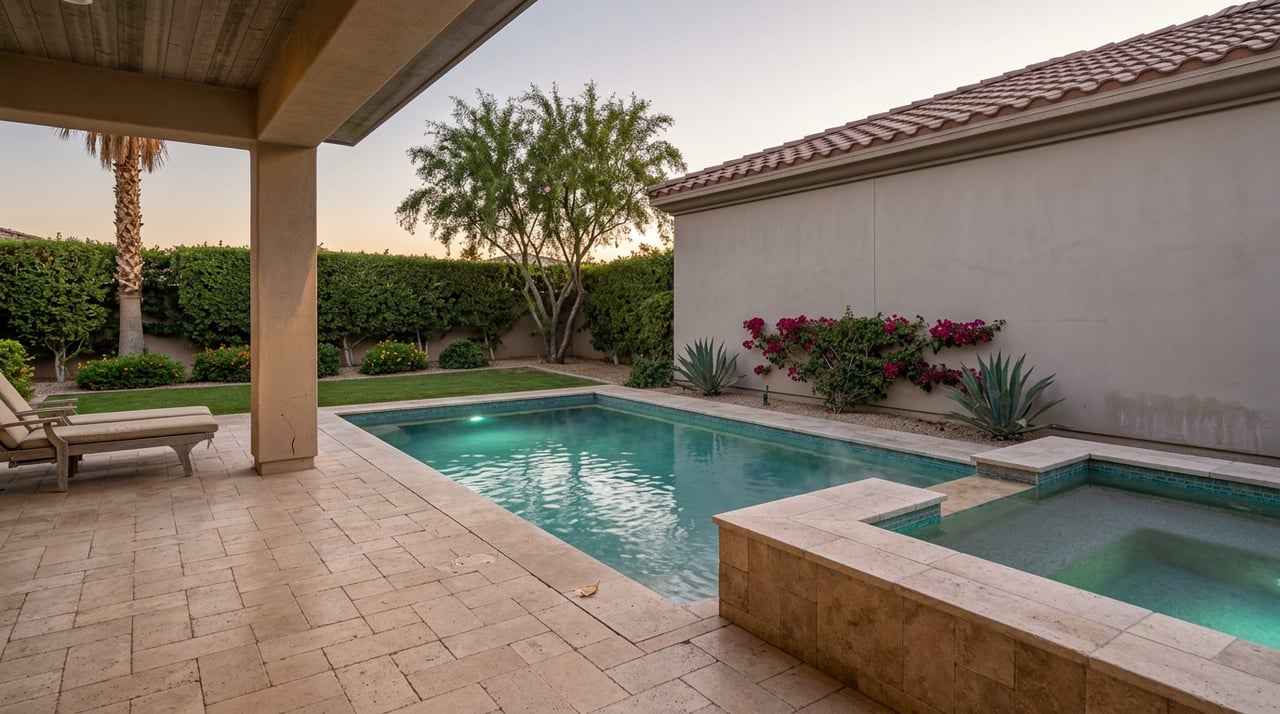
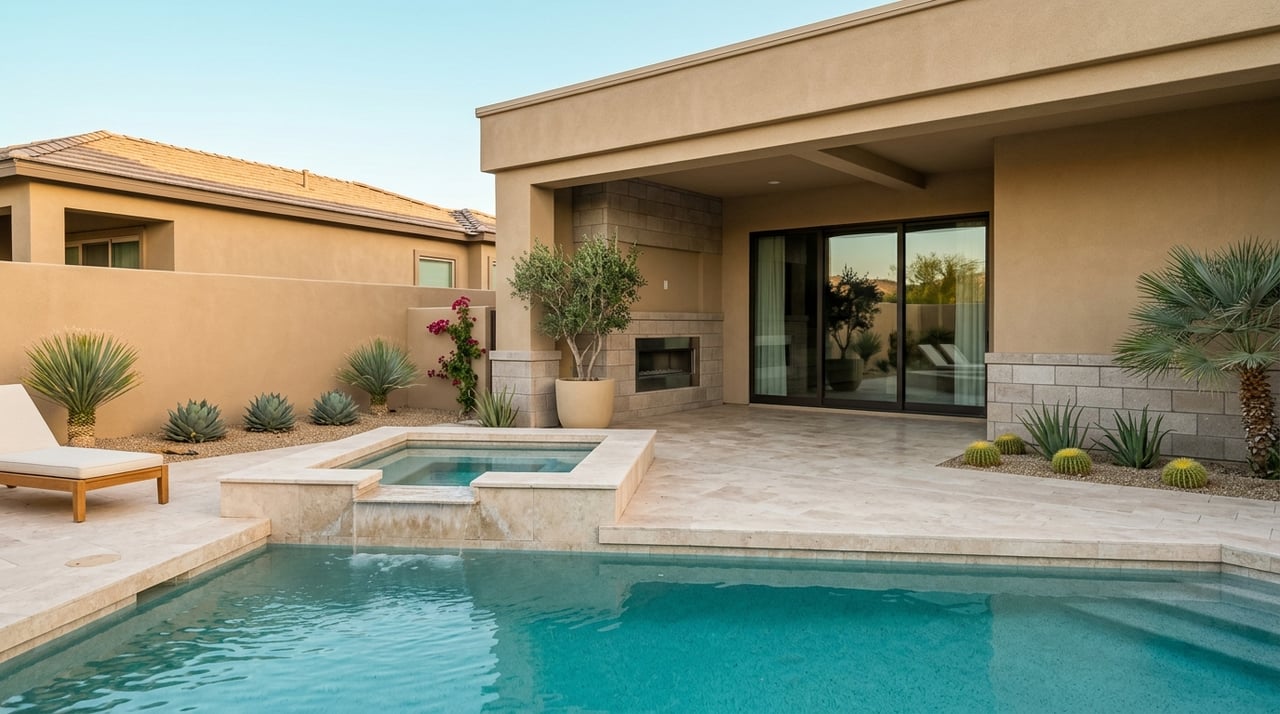
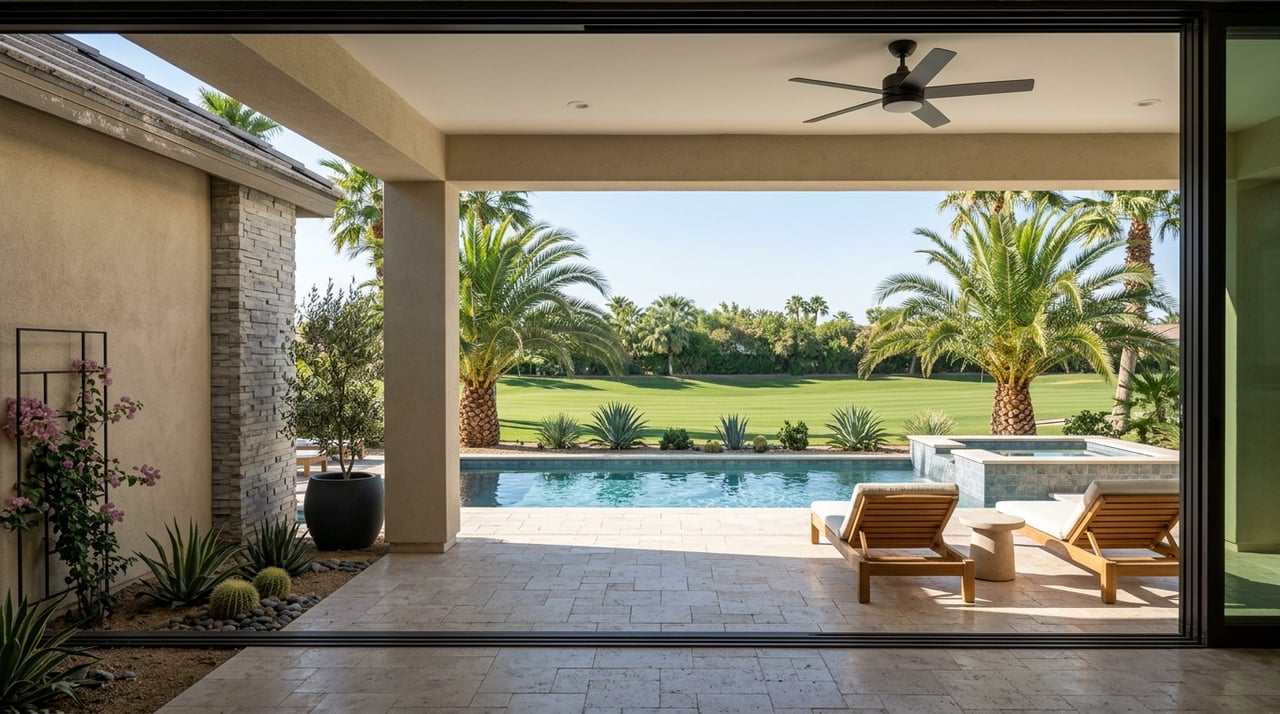
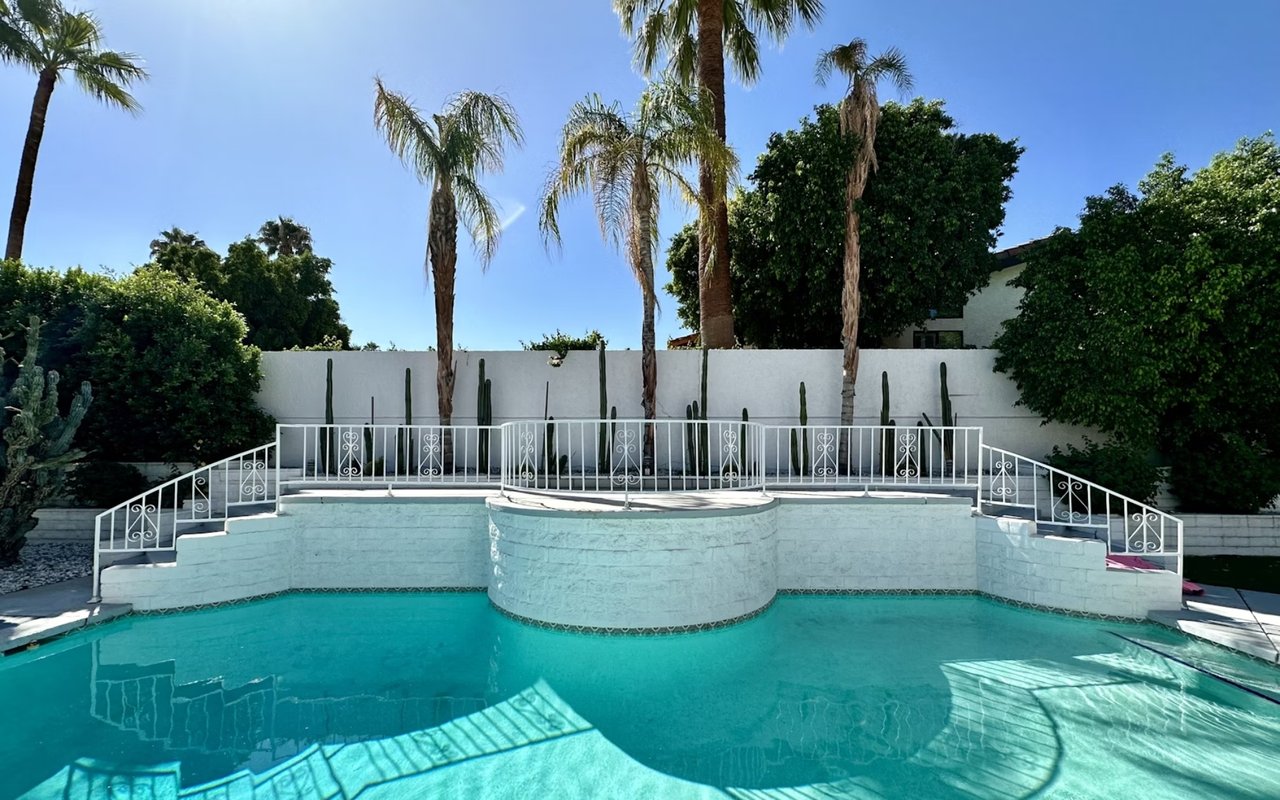
Foundation issues get close attention, especially since the soil in parts of the Coachella Valley can shift and settle. Older homes, sometimes with unique floor plans or features, may also need extra scrutiny. Pool systems and outdoor spaces also undergo a close examination, since outdoor living is such a central part of the Palm Desert lifestyle.
During the inspection, you’ll notice the inspector testing outlets, checking water flow, inspecting the insulation, and searching for signs of past leaks or repairs. They can only assess what they can see and reach, so areas hidden by furniture or inside walls are typically out of scope.
Foundation issues get close attention, especially since the soil in parts of the Coachella Valley can shift and settle. Older homes, sometimes with unique floor plans or features, may also need extra scrutiny. Pool systems and outdoor spaces also undergo a close examination, since outdoor living is such a central part of the Palm Desert lifestyle.
During the inspection, you’ll notice the inspector testing outlets, checking water flow, inspecting the insulation, and searching for signs of past leaks or repairs. They can only assess what they can see and reach, so areas hidden by furniture or inside walls are typically out of scope.
What Inspectors Evaluate Closely
- Roof tiles, flashing, gutters, and visible signs of leaks.
- Air conditioning, furnace, and ventilation systems.
- Plumbing lines for leaks, corrosion, and proper flow.
- Electrical panels, outlets, breakers, and grounding.
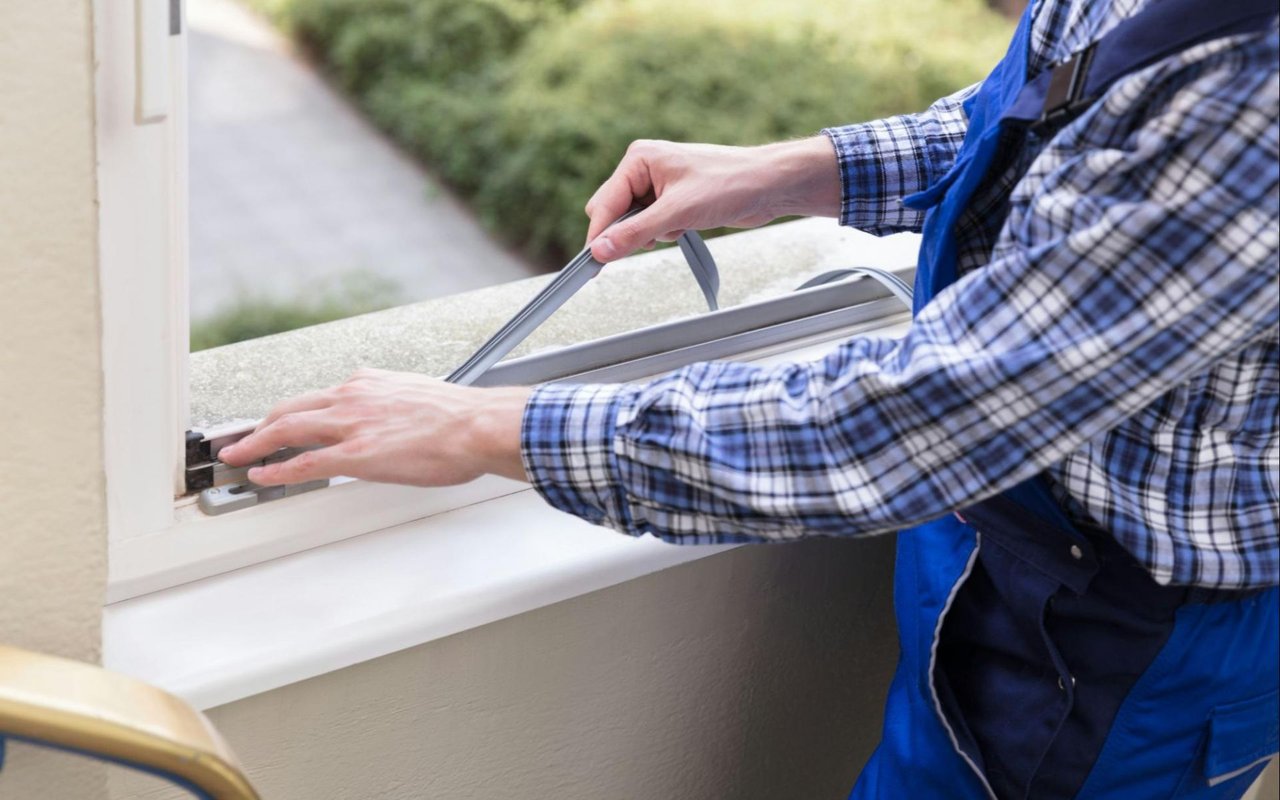
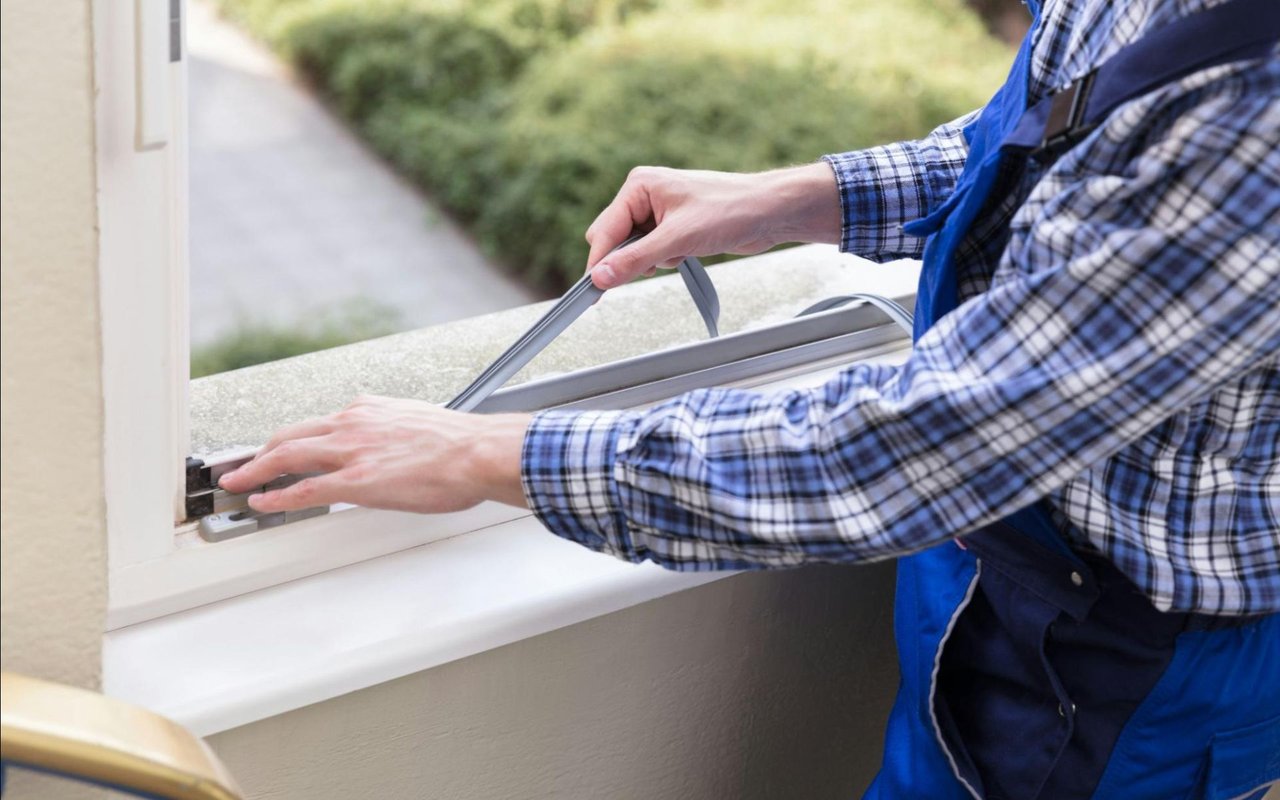
- Doors and windows for fit, functionality, and weatherproofing.
- Pools, spas, and related equipment.
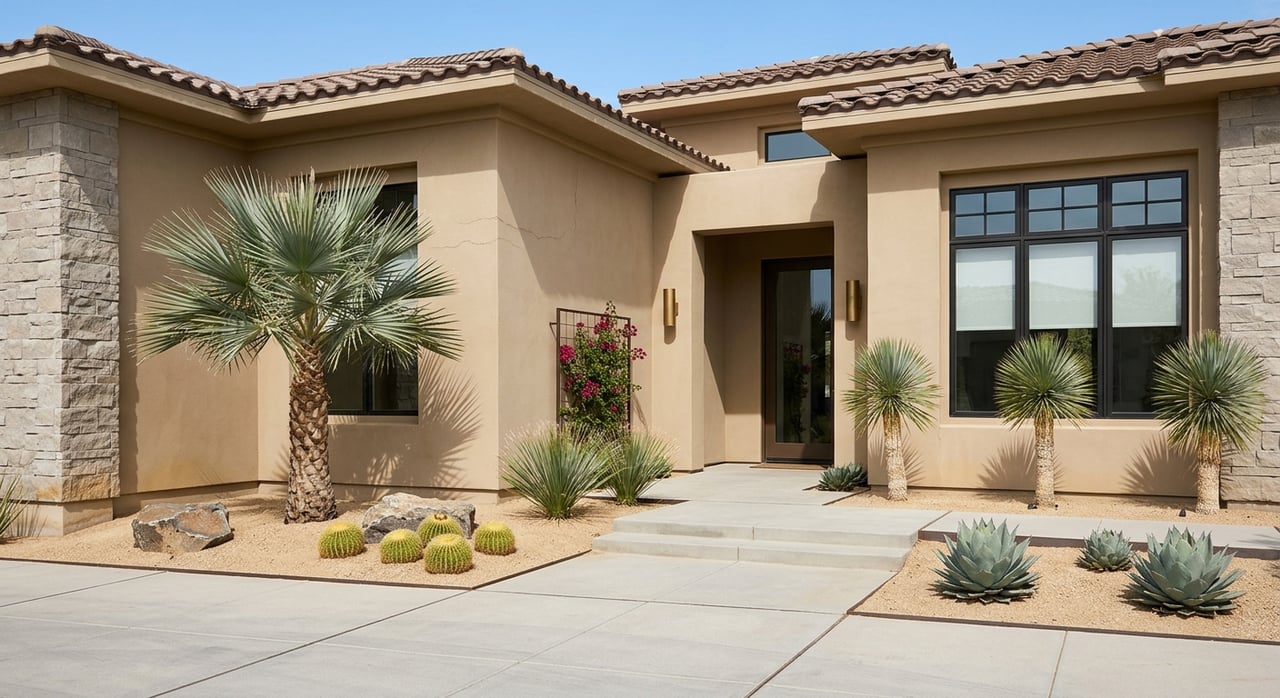
- Exterior stucco or siding for cracks, damage, and water intrusion.
- Attics, crawl spaces, and garages for insulation and ventilation.
Reading and Understanding the Inspection Report
Once the inspection is complete, you’ll receive a detailed report with photos and explanations. These reports can look overwhelming at first, but remember: not every note is a deal-breaker. Expect a combination of minor repairs, maintenance suggestions, and more extensive issues.
Review the report carefully and ask our team to help you sort through the findings. Focus on concerns that affect the function or longevity of the home, such as faulty wiring, plumbing leaks, or structural issues. Don’t sweat every cosmetic note, but do pay attention to anything that could turn into a more overarching problem later. The desert climate can speed up wear and tear, so you’ll want a clear sense of which repairs, upgrades, or preventive steps you’ll need to plan for.
Review the report carefully and ask our team to help you sort through the findings. Focus on concerns that affect the function or longevity of the home, such as faulty wiring, plumbing leaks, or structural issues. Don’t sweat every cosmetic note, but do pay attention to anything that could turn into a more overarching problem later. The desert climate can speed up wear and tear, so you’ll want a clear sense of which repairs, upgrades, or preventive steps you’ll need to plan for.
How to Analyze the Inspection Report
- Highlight items flagged as urgent or in need of quick repair.
- Separate major repairs from smaller maintenance tasks.
- Check for recommendations to bring in a specialist (like for an aging roof or pool concerns).
- Use the report as a negotiation tool for repairs, credits, or price adjustments.
- Don’t hesitate to ask your inspector for clarification on any item.
Negotiating Repairs or Adjustments After the Inspection
The inspection report is more than a checklist; it’s your negotiating tool. If the inspector finds issues that could cost money or affect your comfort, you have options. You might ask the seller to complete specific repairs, provide a credit, or lower the sale price. Our team will help you frame these requests in a way that aims for success.
Sellers may be willing to fix certain issues or offer a credit so that you can handle repairs yourself after you move in. Sometimes, a mix of both works best.
Sellers may be willing to fix certain issues or offer a credit so that you can handle repairs yourself after you move in. Sometimes, a mix of both works best.
Common Ways to Negotiate After an Inspection
- Request specific repairs from the seller before closing.
- Ask for a credit at closing to handle repairs yourself.
- Negotiate a lower price if multiple repairs are needed.
- Accept minor issues and move forward as-is for a better deal.
- Decide not to proceed if the inspection reveals major problems or an agreement can’t be reached.
FAQs
How Long Does a Typical Home Inspection Take?
Most home inspections in Palm Desert last between two and four hours, depending on the size and complexity of the property. Homes with pools, multiple HVAC systems, or guest houses may take longer.
Can I Skip the Home Inspection to Speed Up Closing?
Skipping the inspection means you could miss critical information about the home’s condition, which can lead to costly surprises after you move in.
What Happens If Major Problems Are Discovered During the Inspection?
If the inspector finds major issues, you can negotiate with the seller for repairs, credits, or a lower price. If you’re not comfortable with the results, you can also walk away from the purchase during the contingency period.
Move Forward with Confidence in Palm Desert
Buying a home in Palm Desert is an exciting step, and understanding the inspection process lets you move forward with real confidence. When you know exactly what you’re getting—and how to negotiate for your goals—you can start your next chapter with clarity.
At DW & Associates, we believe every client deserves a seamless, informed, and rewarding experience. Let us help you open the doors to the desert lifestyle you’ve been dreaming about.
At DW & Associates, we believe every client deserves a seamless, informed, and rewarding experience. Let us help you open the doors to the desert lifestyle you’ve been dreaming about.