Palm Desert’s real estate market continues to attract investors seeking both lifestyle benefits and strong financial returns, and understanding what truly drives ROI is essential for making informed purchases in this competitive desert destination. Several key factors—from location characteristics to rental strategies, market conditions, and property-specific features—shape how well a Palm Desert property performs over time. By examining these elements closely, investors can position themselves to maximize income potential, enhance long-term appreciation, and make strategic decisions that support steady, sustainable growth in one of California’s most desirable resort communities.
Location Appeal
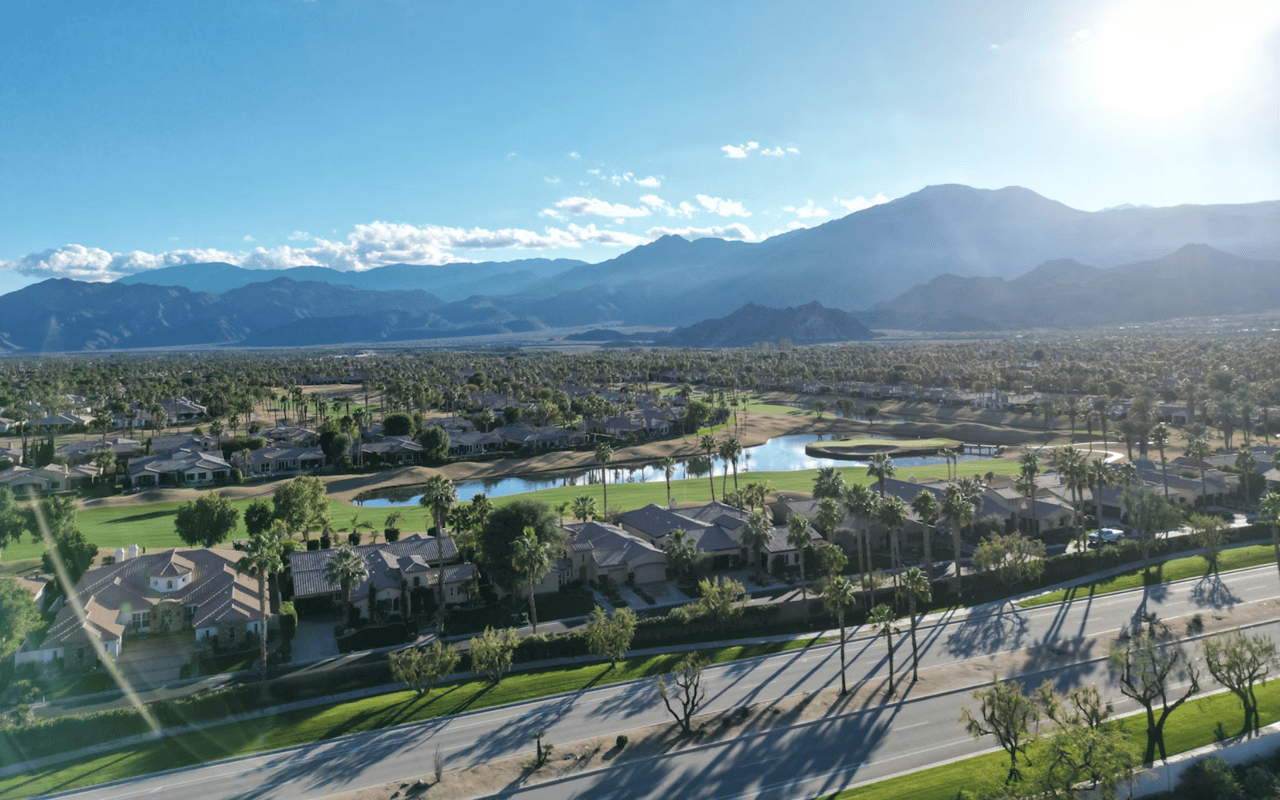
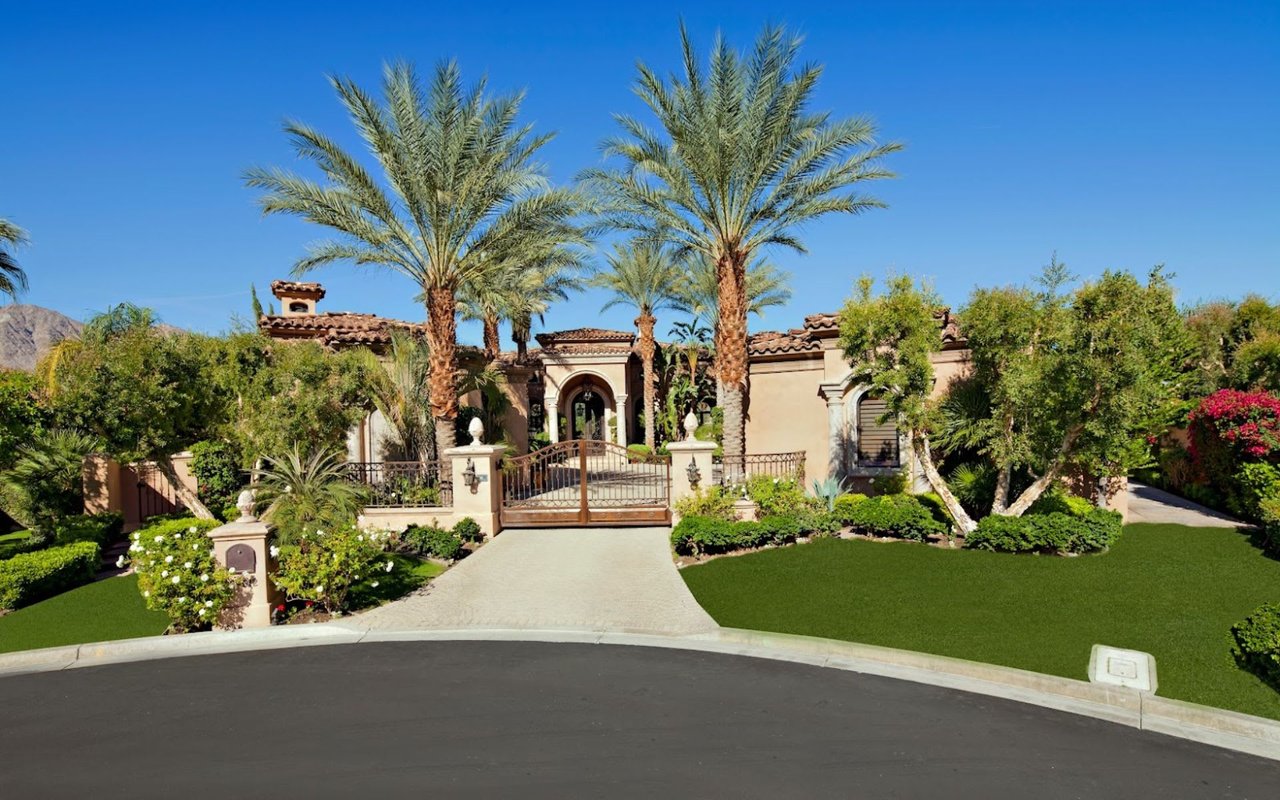
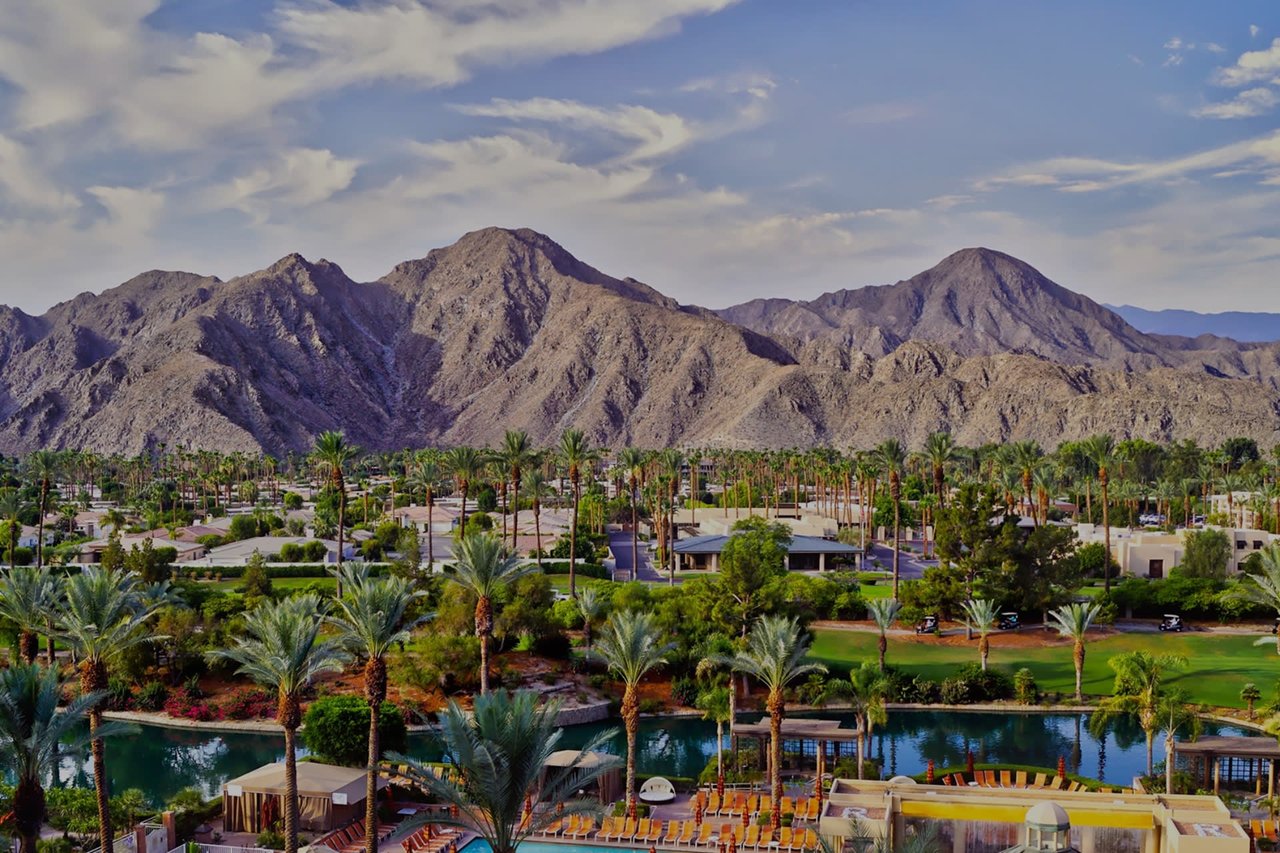
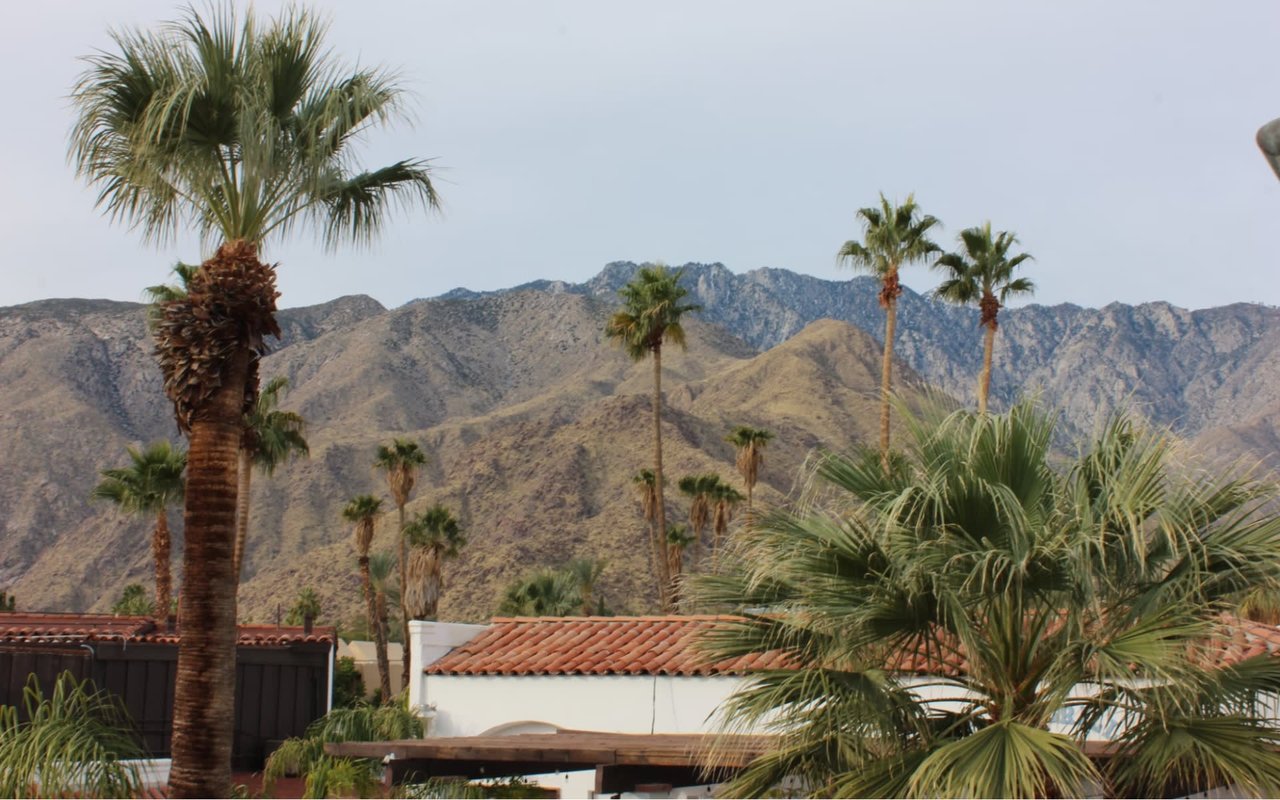
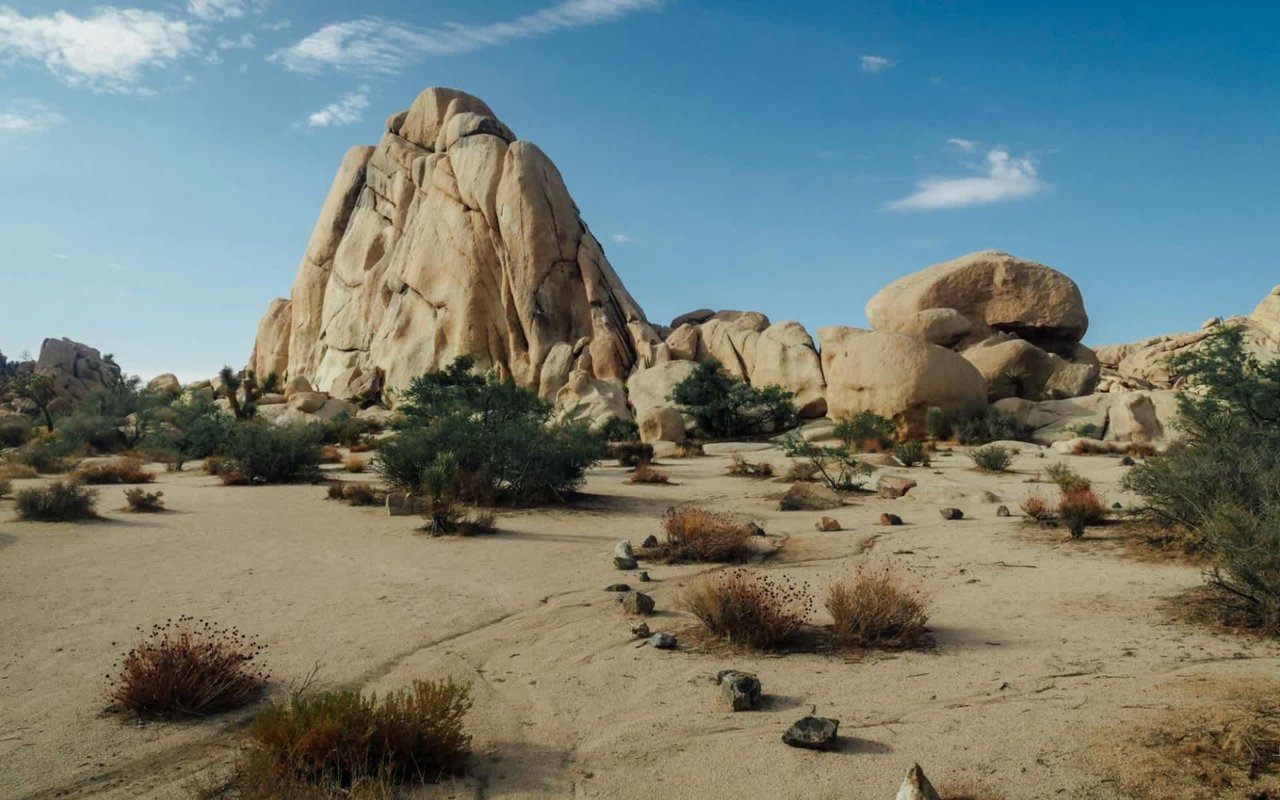
Palm Desert’s ROI potential is rooted in the strength of its location, where scenic desert landscapes, mountain views, and proximity to premier attractions elevate long-term value; investors benefit from the area’s reputation as a luxury destination, with its resort atmosphere, upscale retail centers like El Paseo, and easy access to golf courses and cultural venues, all of which help properties remain in demand among both buyers and seasonal renters.
Seasonal Demand Patterns
Palm Desert’s popularity as a winter escape creates a predictable seasonal demand curve that can significantly impact ROI, with peak rental pricing occurring during cooler months when tourism surges; understanding these patterns allows investors to optimize rental rates, adjust marketing strategies, and gauge vacancy expectations throughout the year, ultimately improving net operating income through well-timed leasing decisions.
Short-Term vs. Long-Term Rental Strategy
Choosing between short-term vacation rentals and long-term leasing shapes an investor’s ROI, as short-term rentals often yield higher nightly rates but come with elevated turnover costs, management demands, and regulatory considerations, while long-term rentals provide stable, predictable income with fewer ongoing expenses; the ideal approach depends on the property’s location, amenities, and the owner’s desired involvement level.
Property Type and Amenities
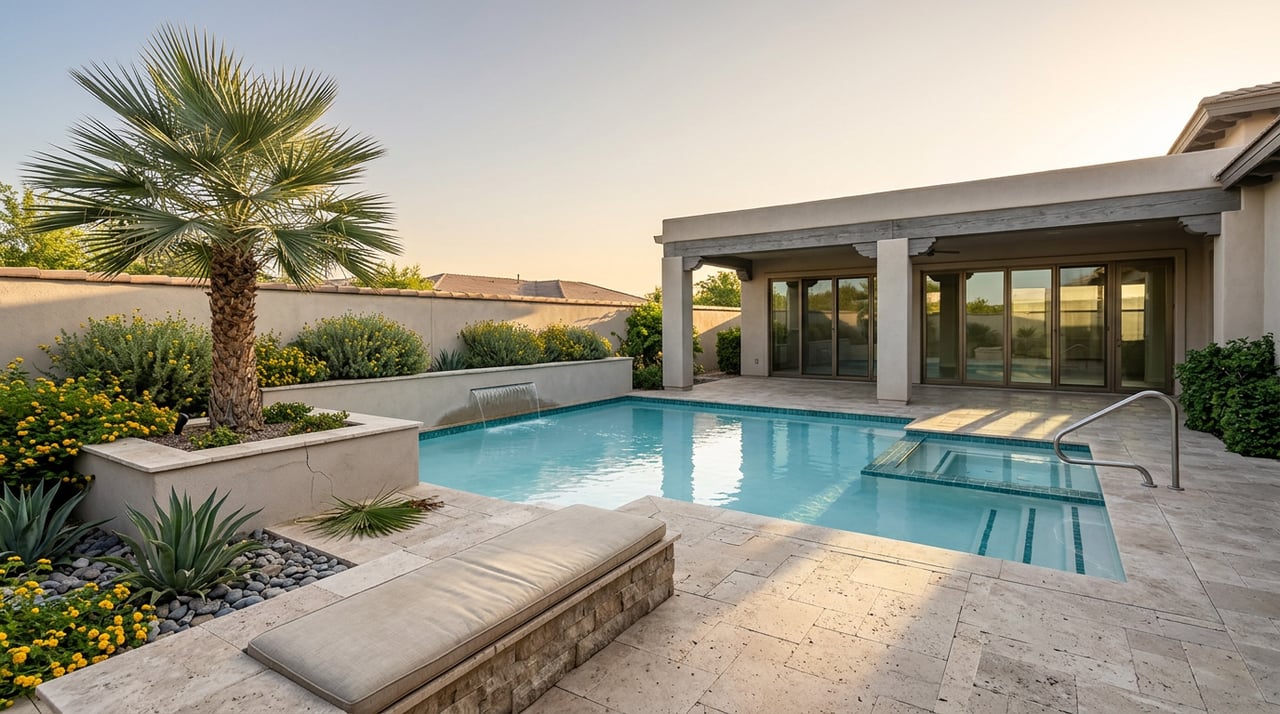
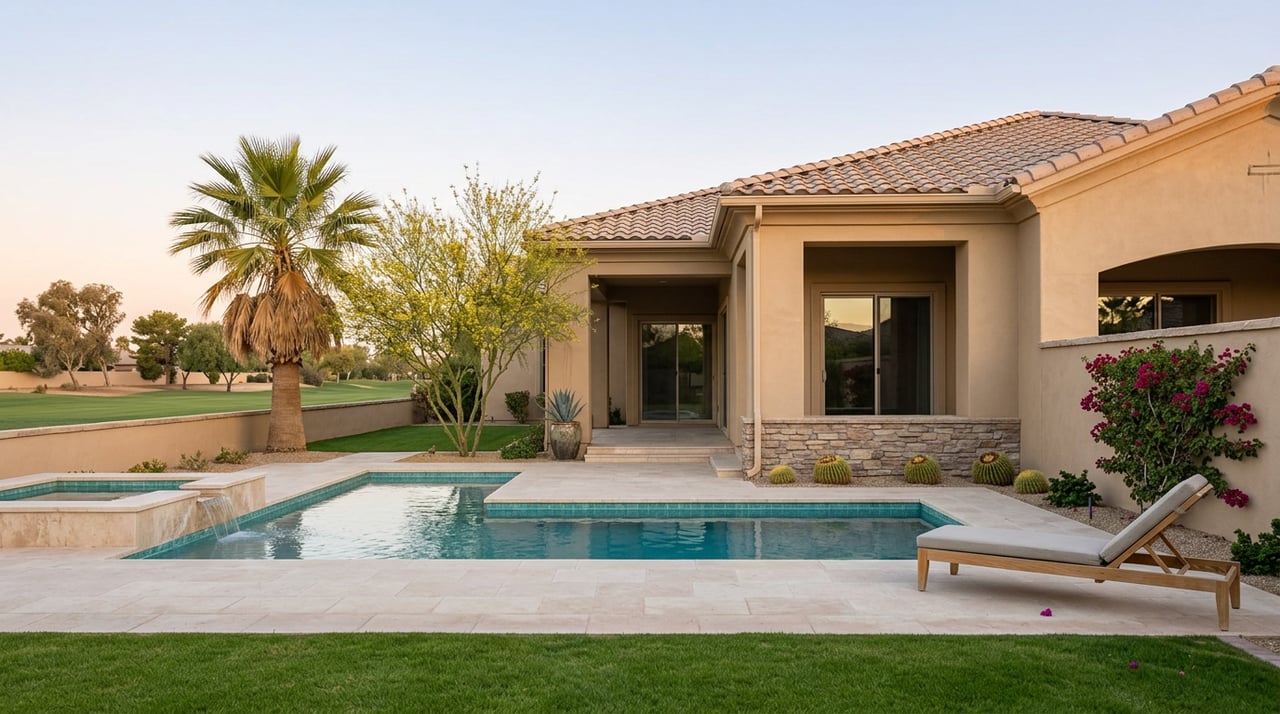
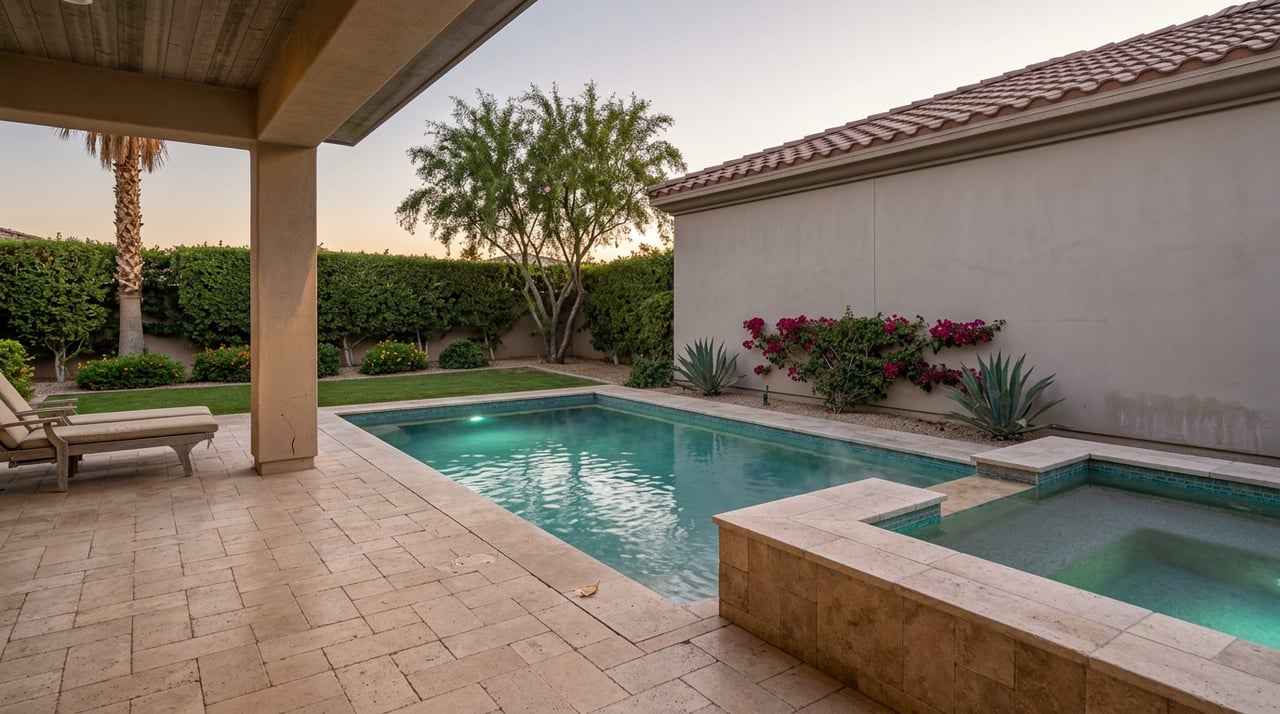
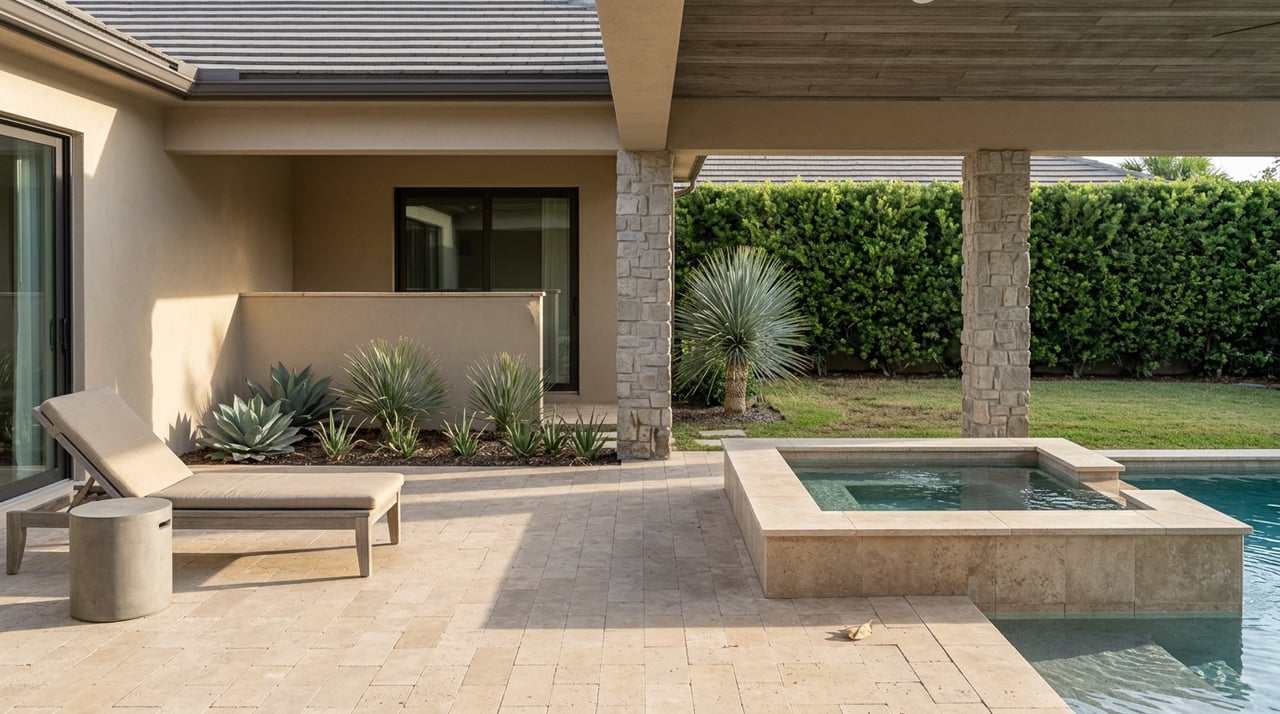
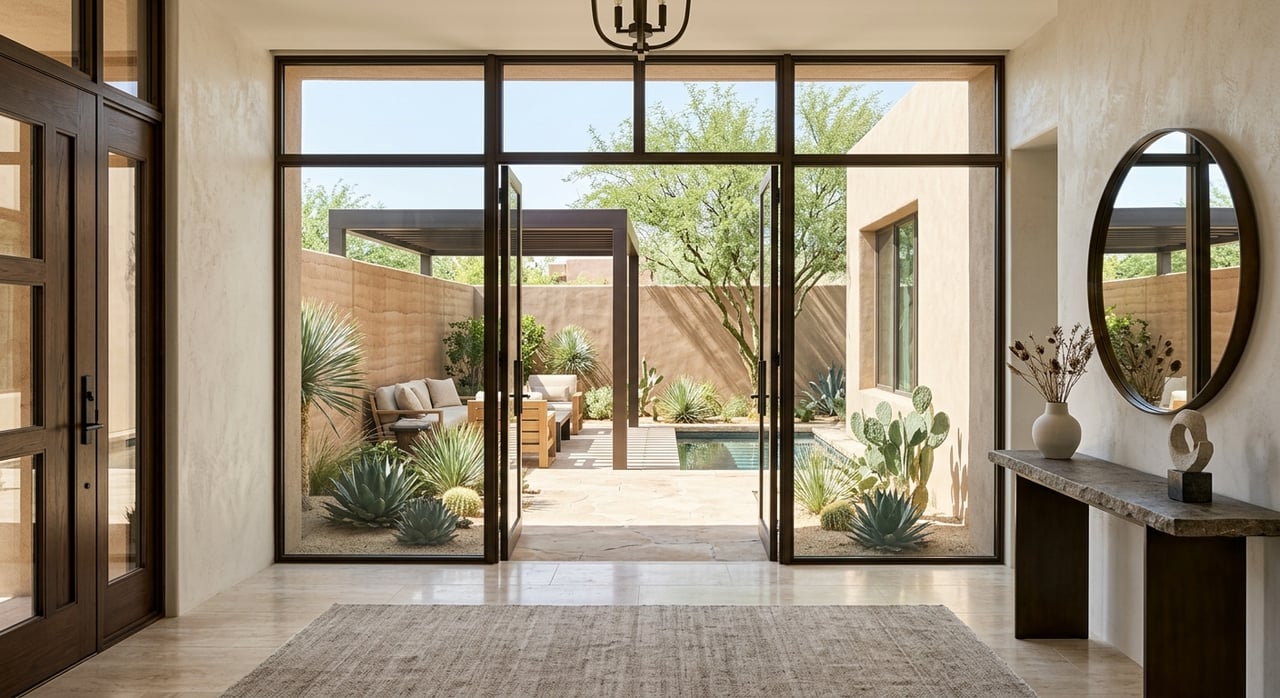
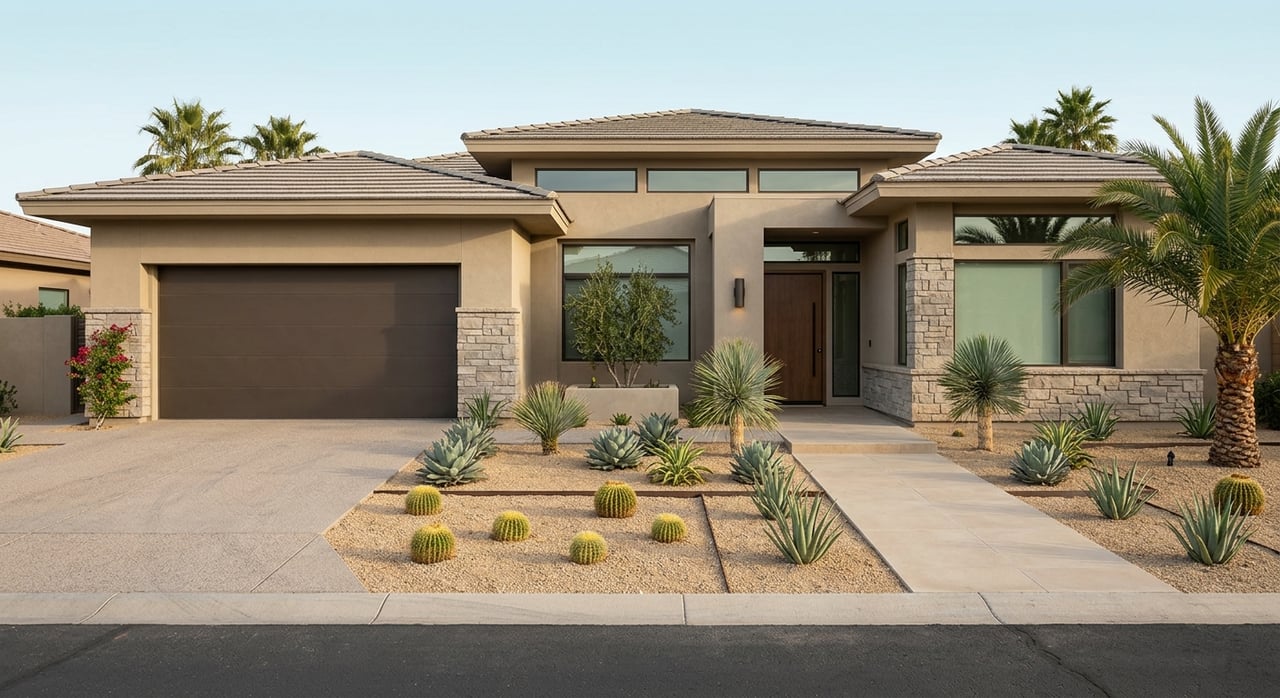
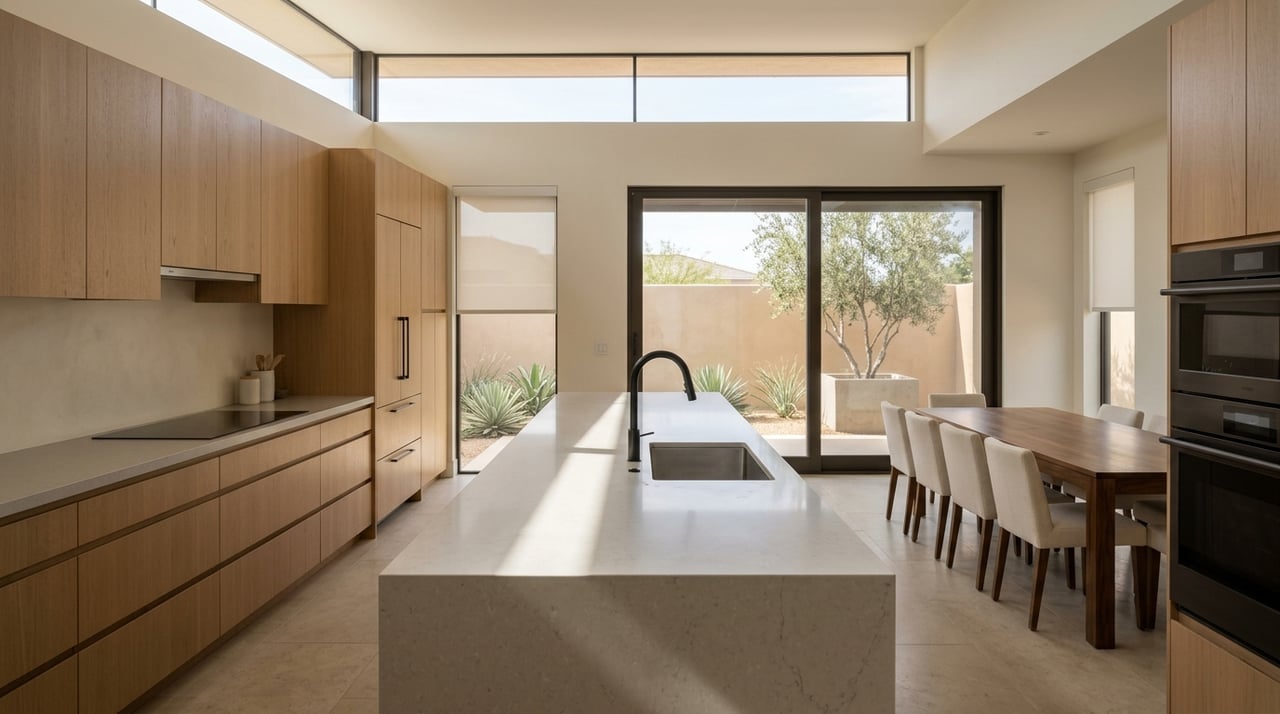
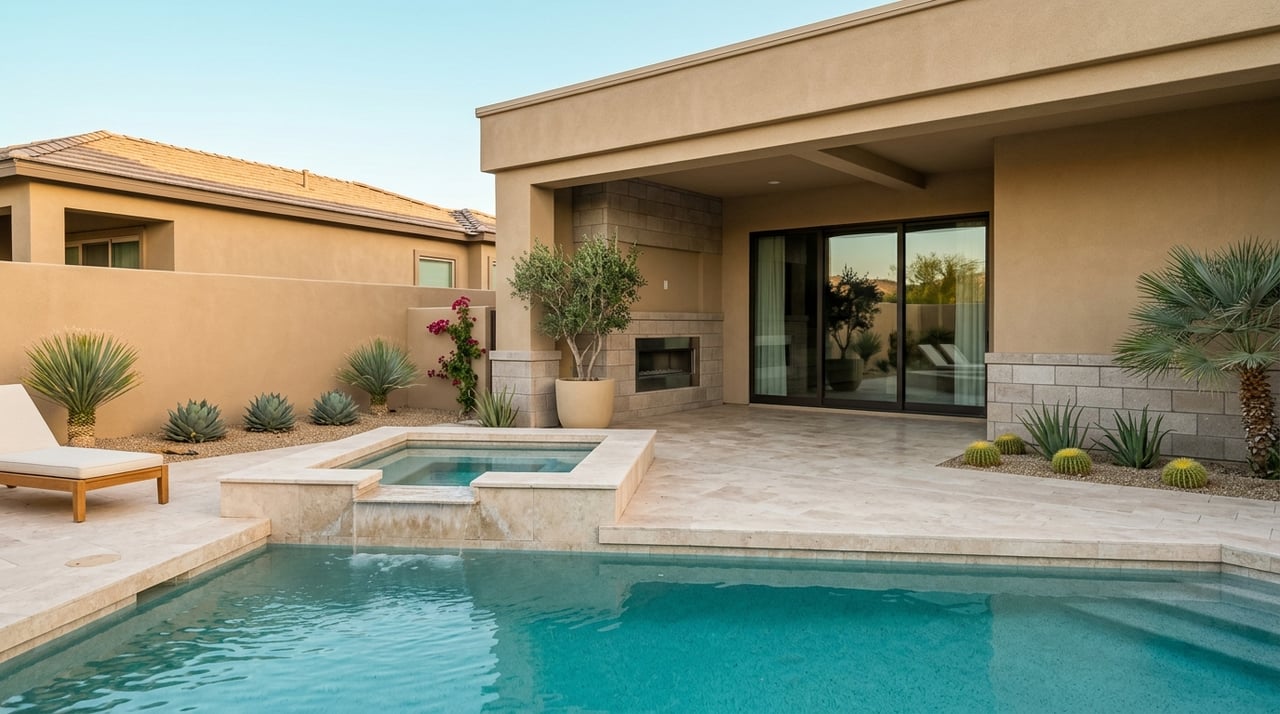
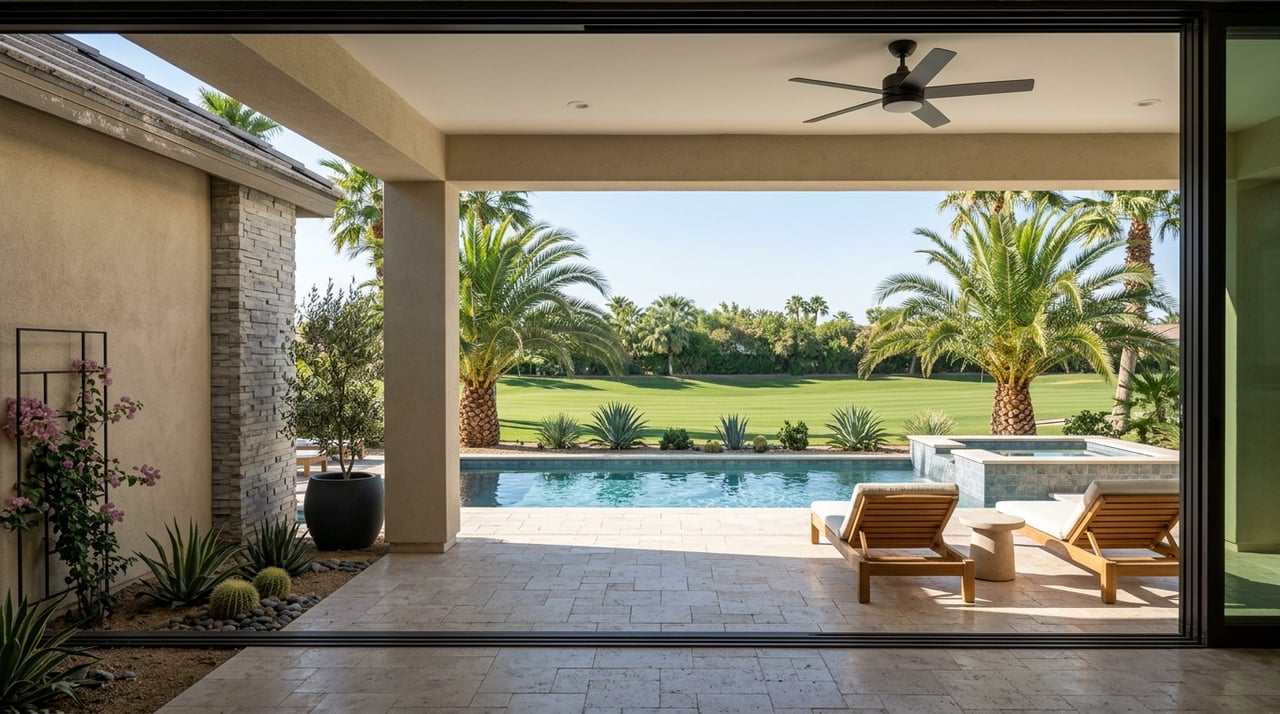
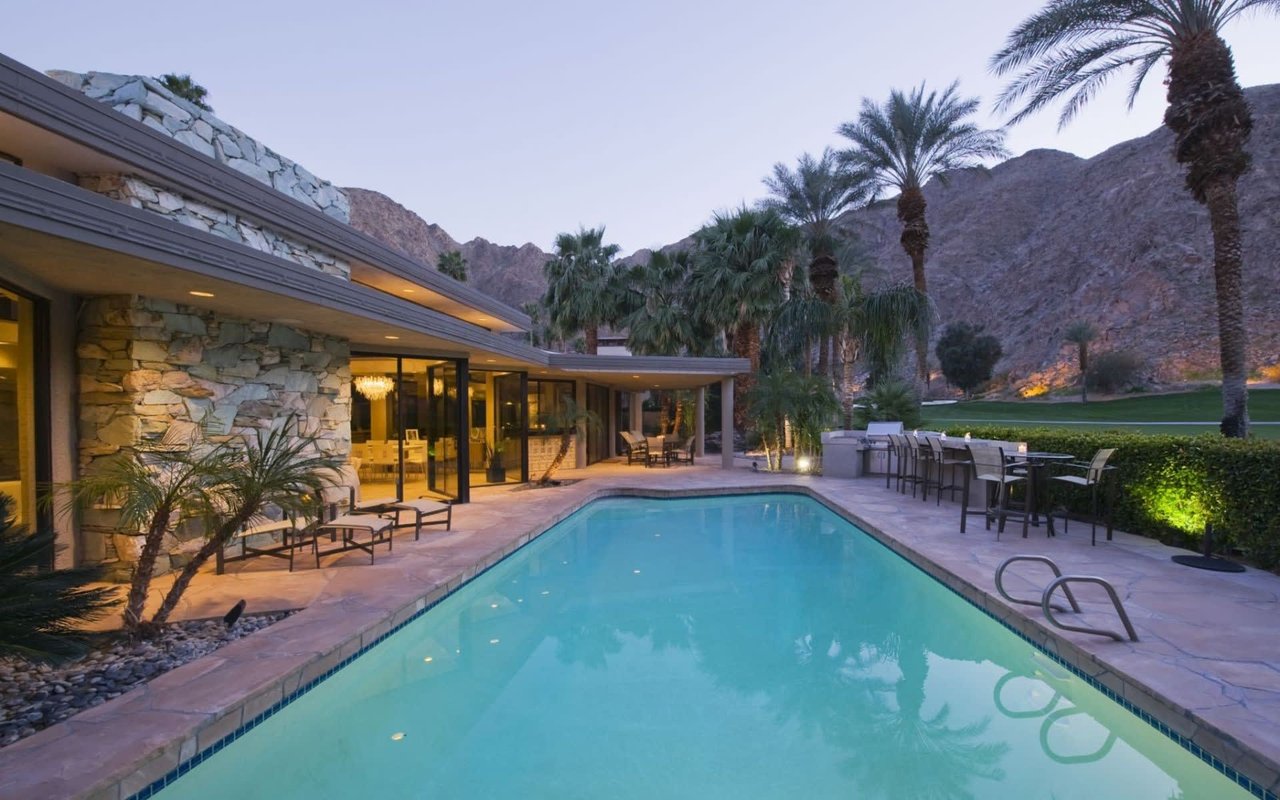
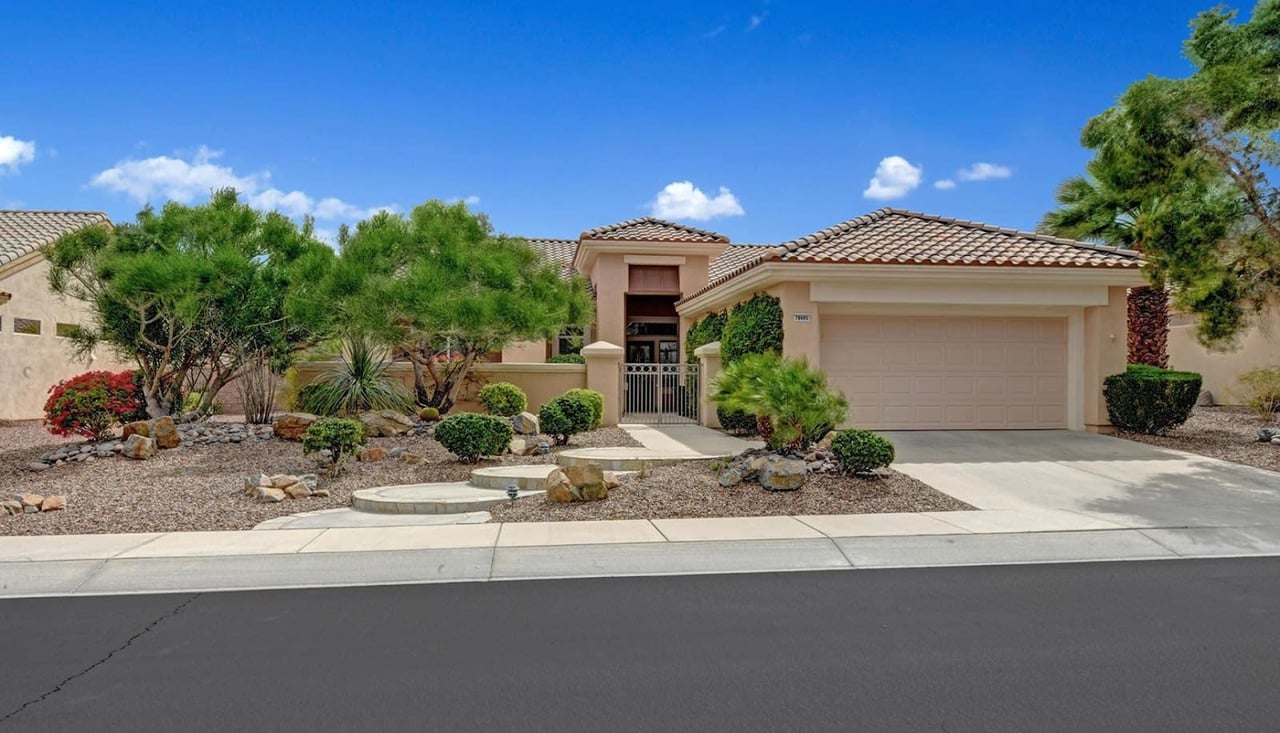
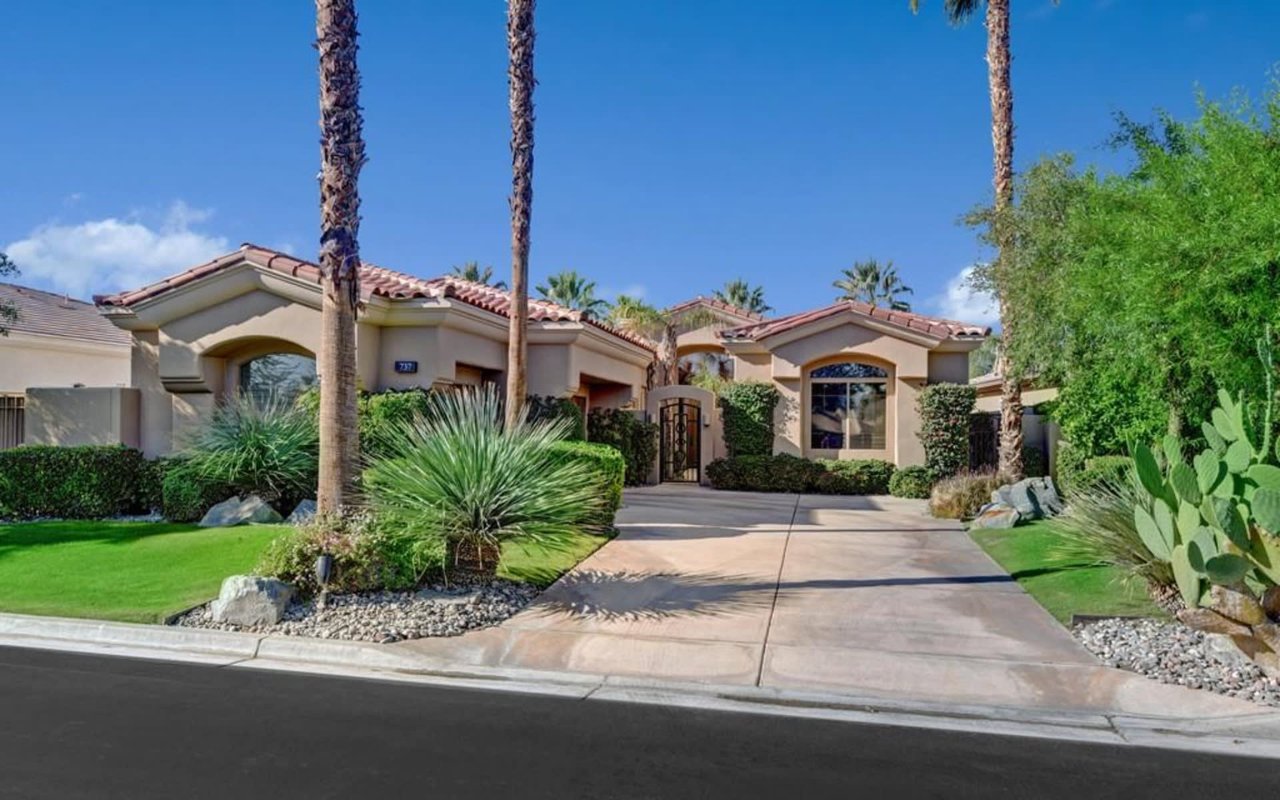
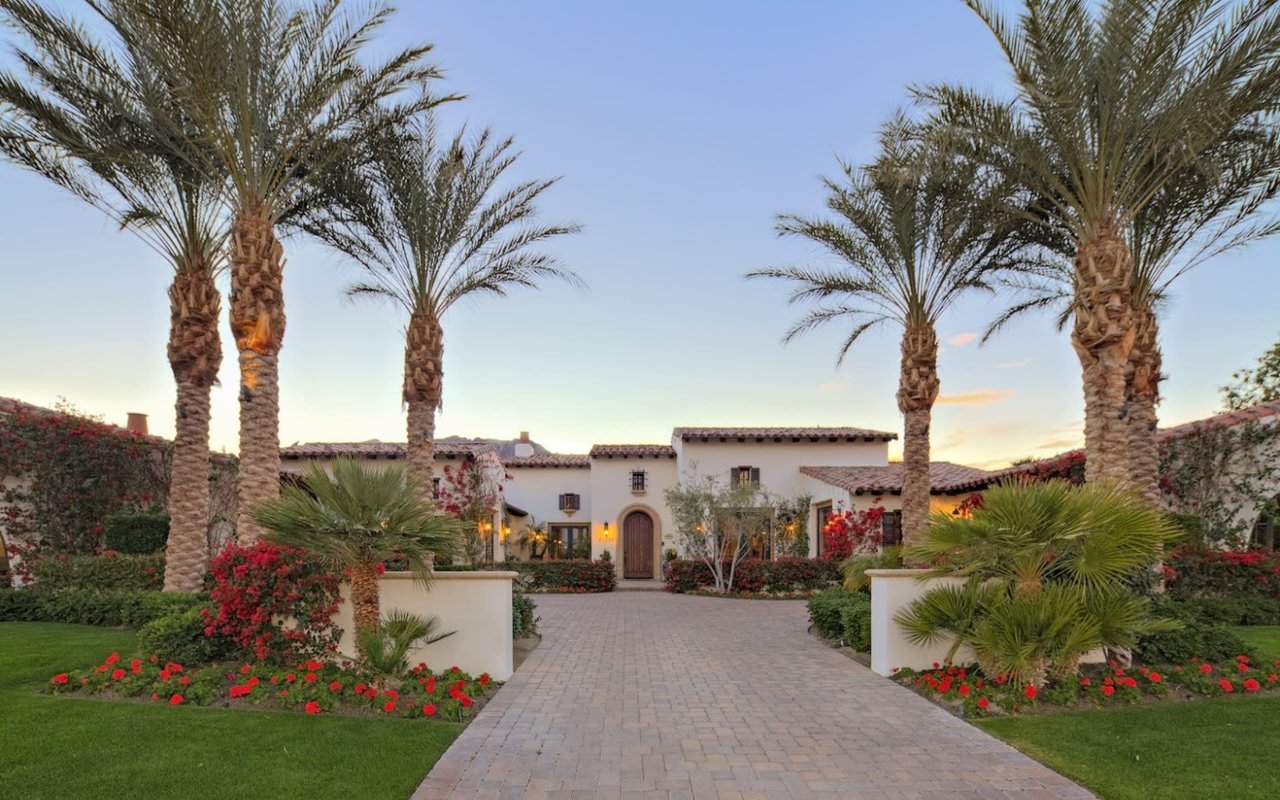
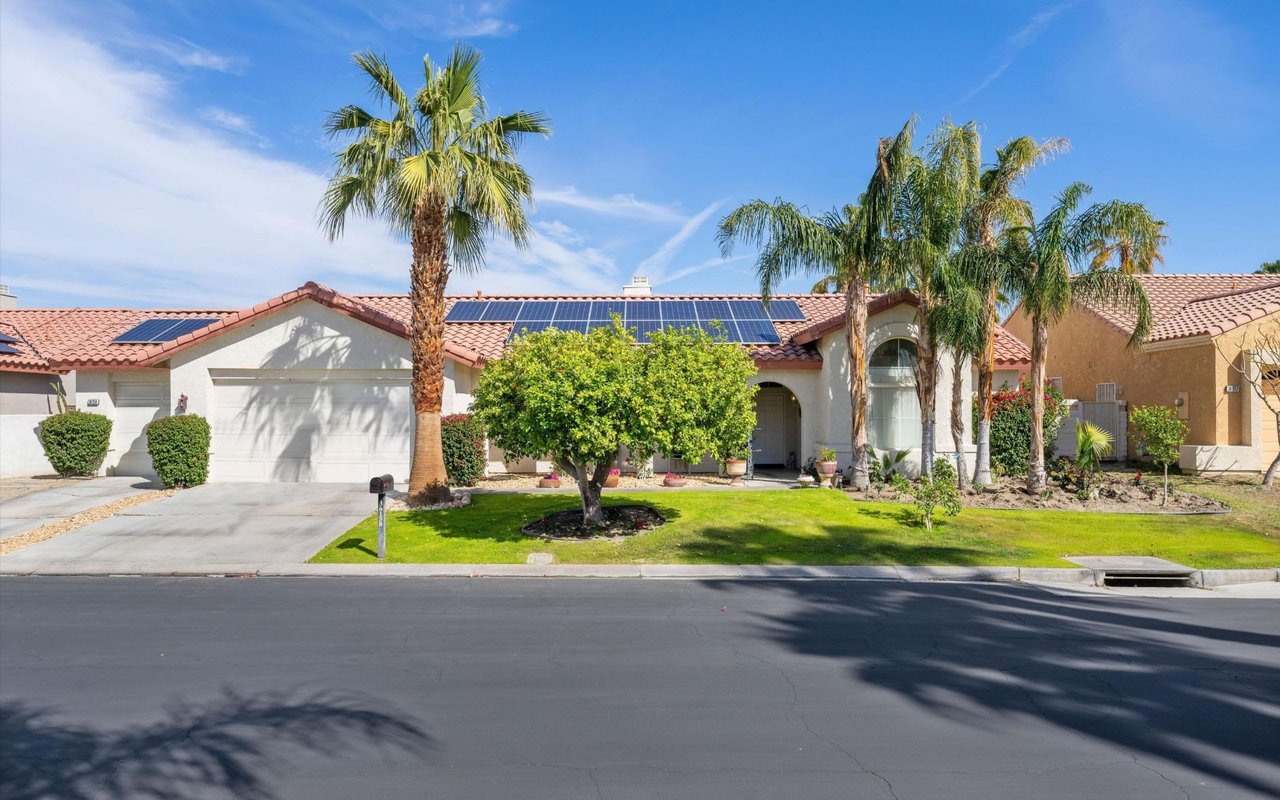
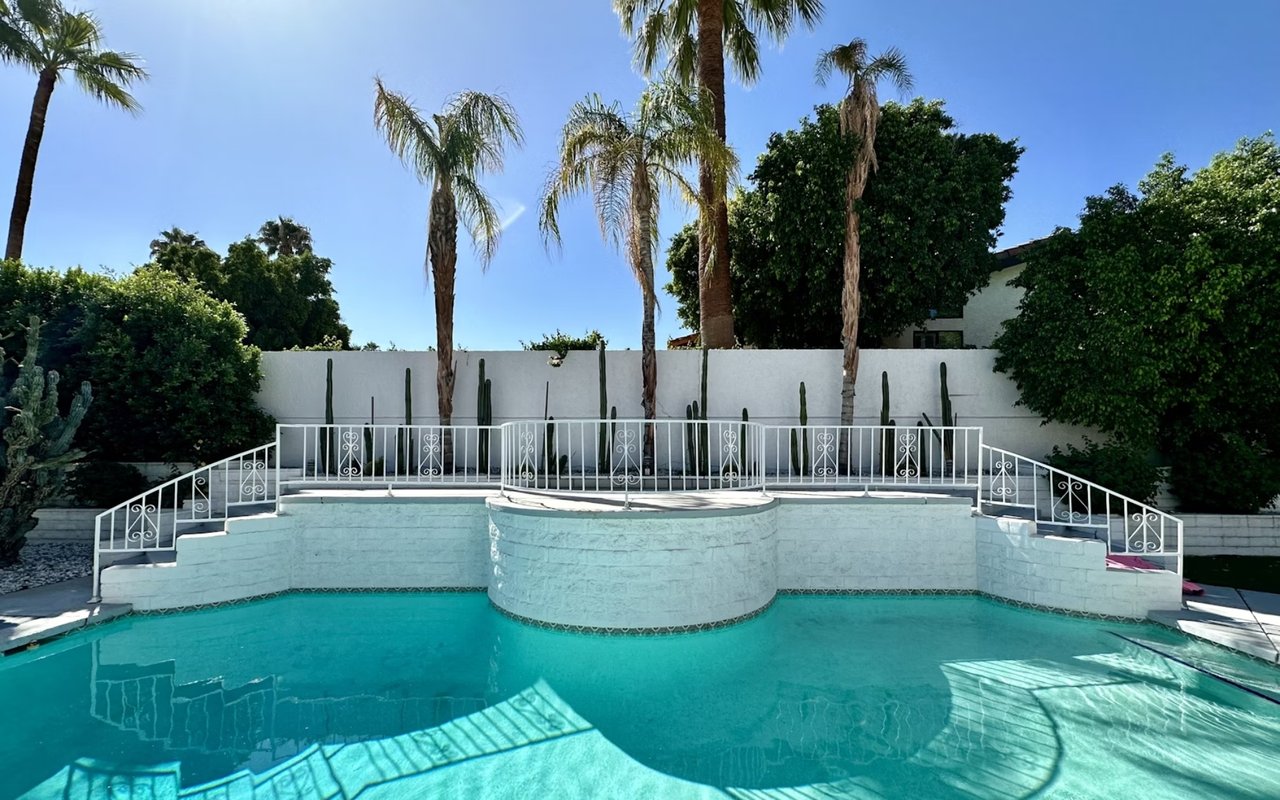
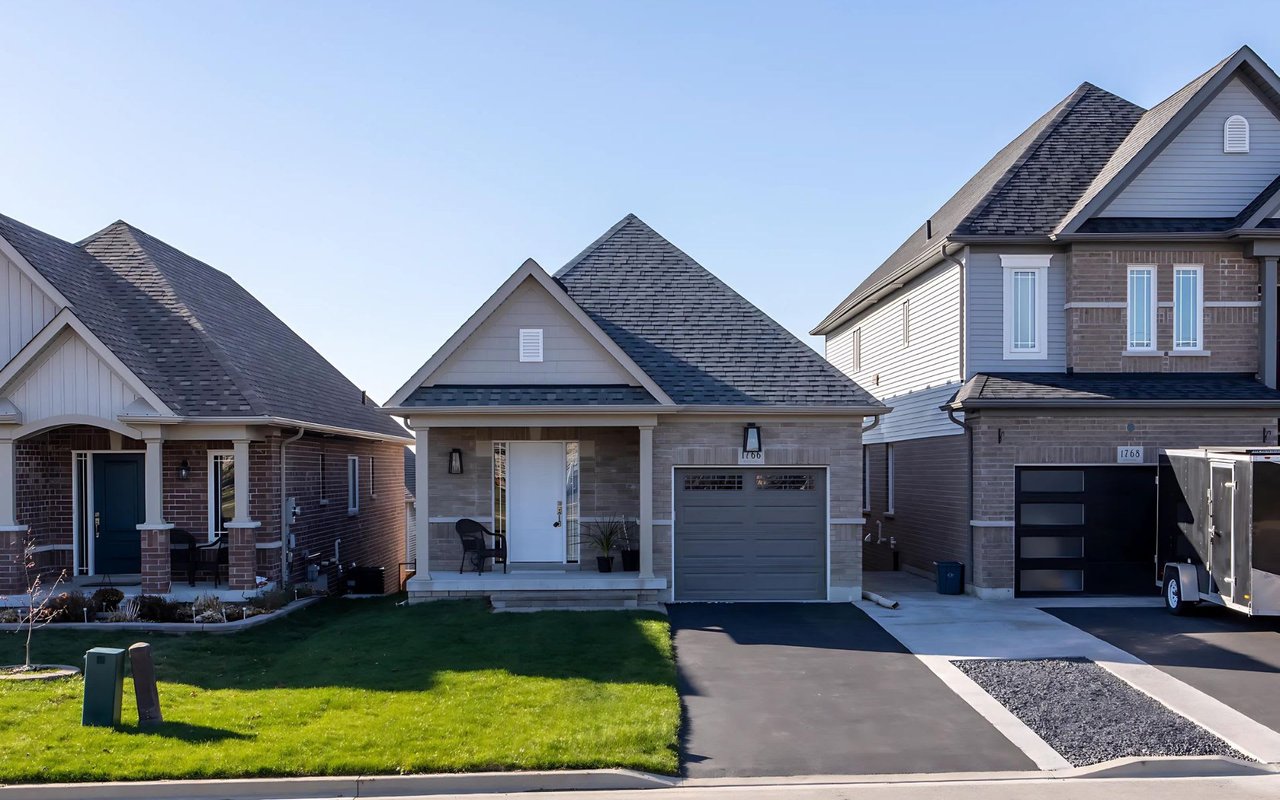
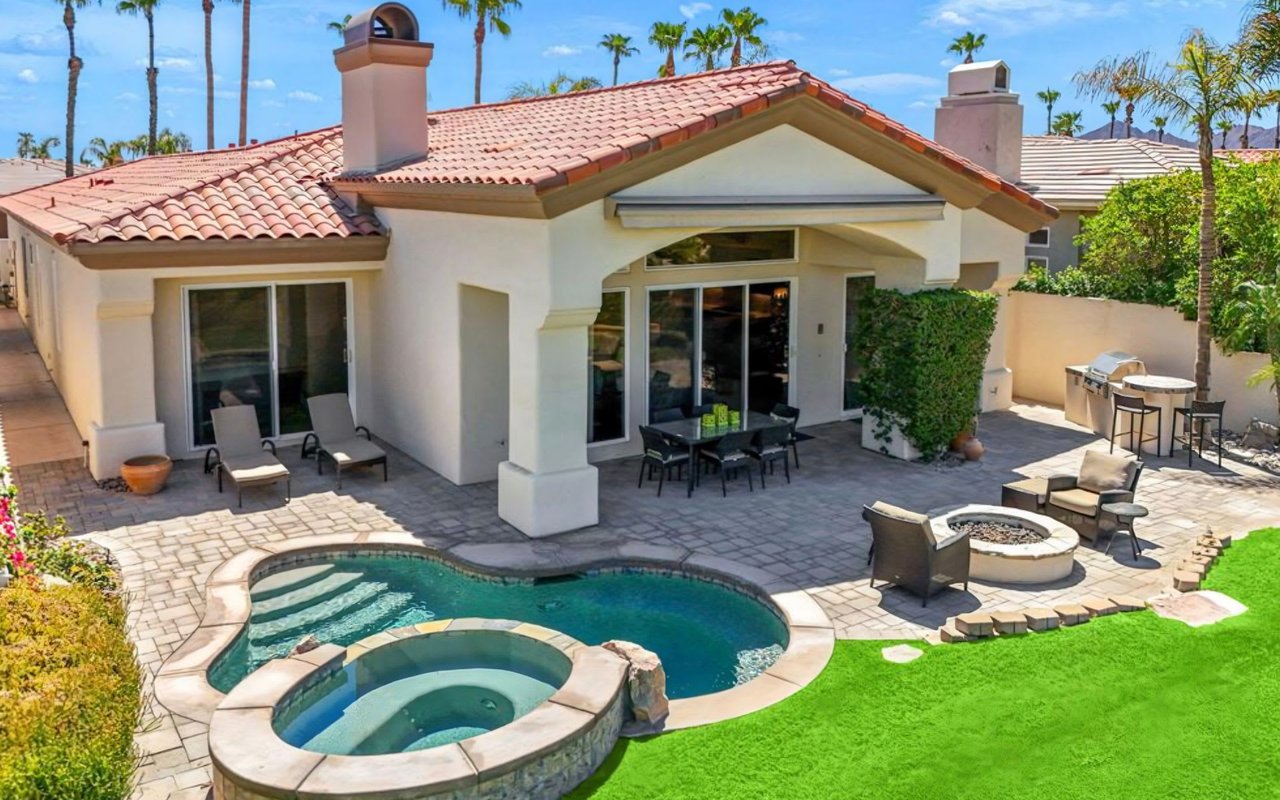
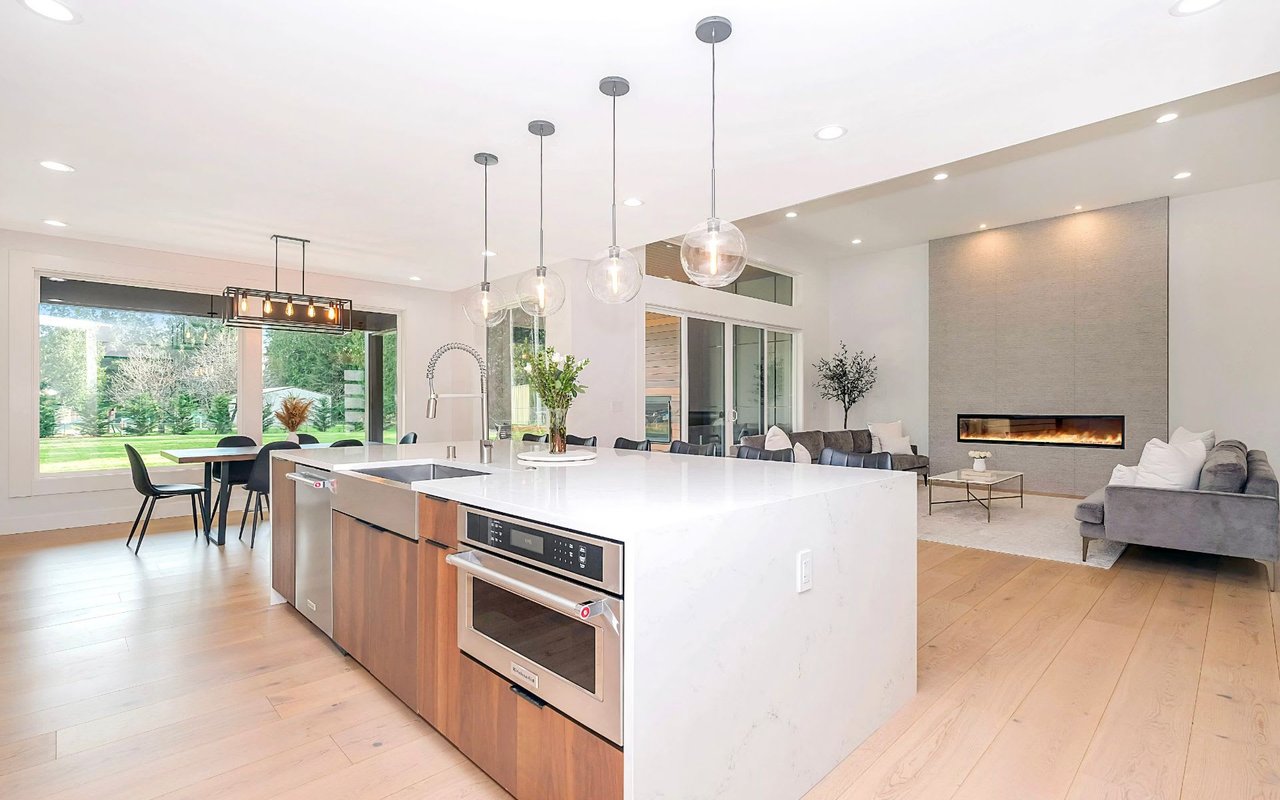
ROI is heavily influenced by property type—whether single-family homes, condos, or townhomes—since each offers distinct cost structures and tenant expectations, and properties featuring desirable amenities such as pools, updated interiors, energy-efficient features, and outdoor living spaces typically attract more bookings or higher-quality tenants, thereby enhancing revenue potential and long-term value retention.
Market Appreciation Trends
Palm Desert has seen consistent appreciation driven by limited new inventory, strong interest from second-home buyers, and a growing retiree population seeking lifestyle-focused housing; understanding historical and emerging appreciation patterns helps investors identify neighborhoods with the greatest potential, positioning them to benefit from long-term equity gains in addition to rental income.
Community and HOA Factors
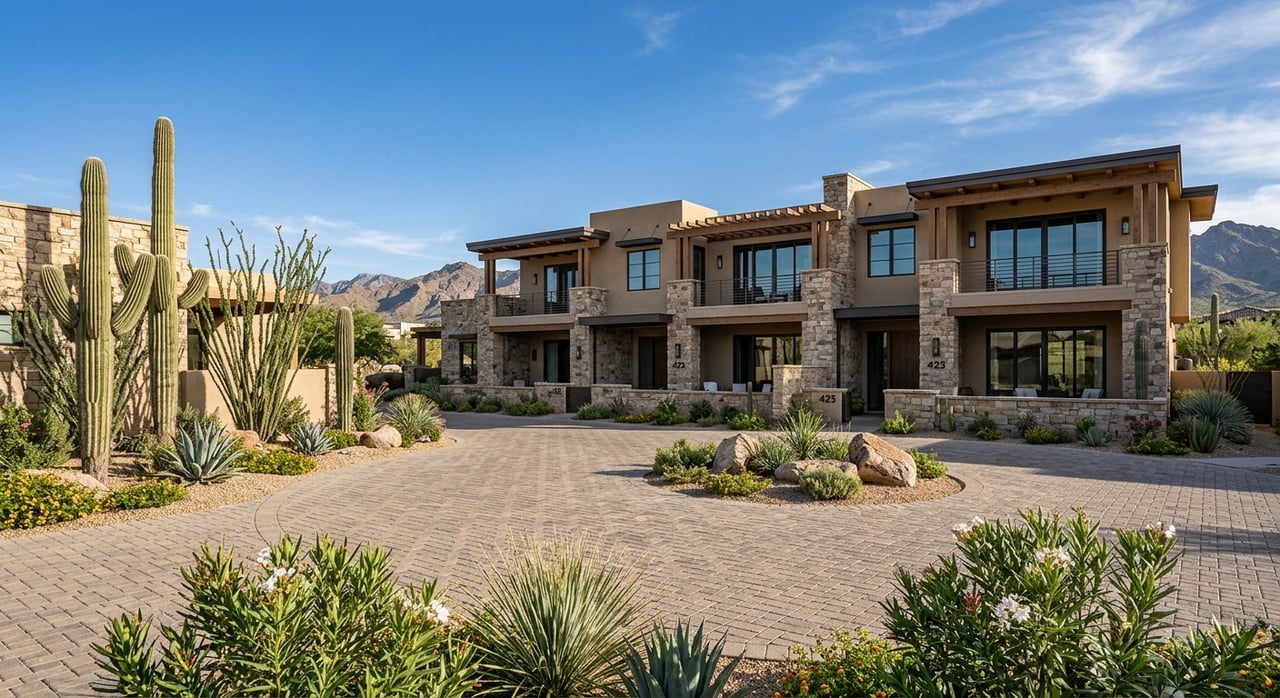
Many Palm Desert communities include homeowners associations, and HOA fees, rules, and amenities can meaningfully shape ROI; associations offering well-maintained grounds, recreation facilities, and security can elevate property desirability and rental rates, while strict regulations on rentals or high monthly fees may reduce profitability, making it essential for investors to assess community policies before purchasing.
Local Economic Conditions
Palm Desert’s economic stability, supported by tourism, hospitality, healthcare, and retail sectors, helps sustain housing demand and protect ROI; when employment levels, local business activity, and infrastructure investments remain strong, rental prospects and resale values tend to rise, making monitoring economic development a worthwhile habit for investors interested in forecasting long-term performance.
Property Maintenance and Upkeep
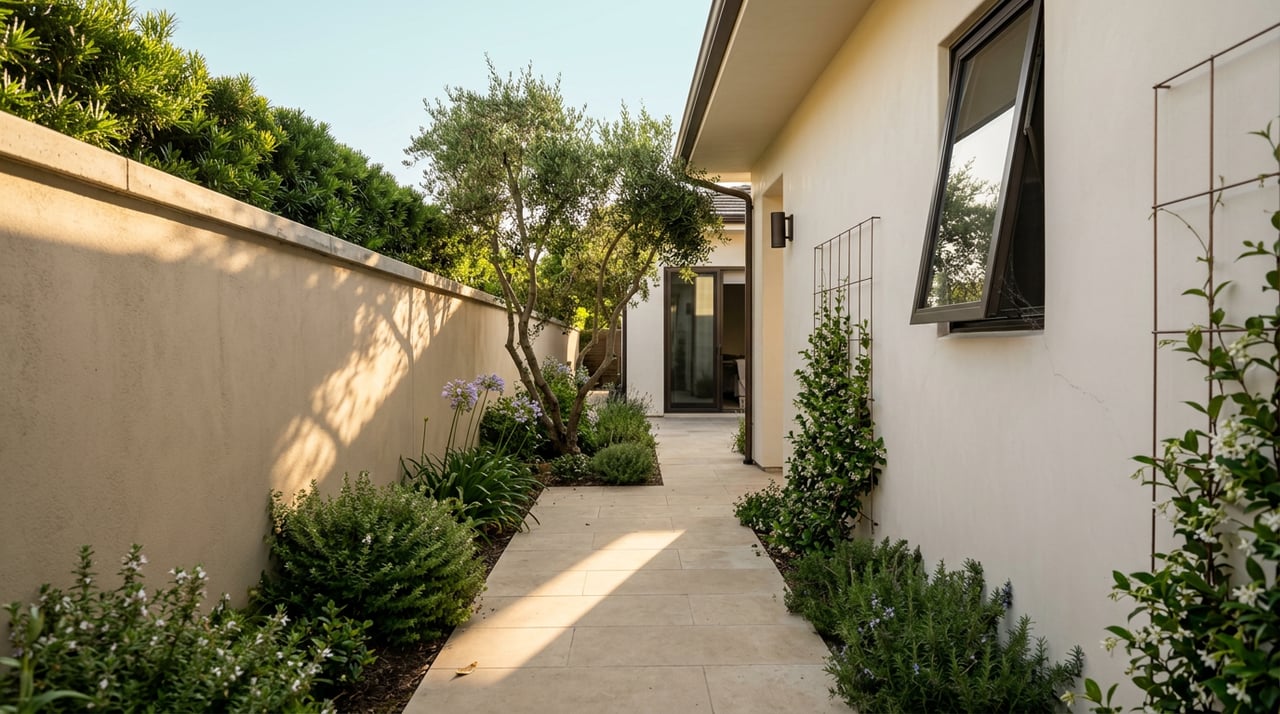
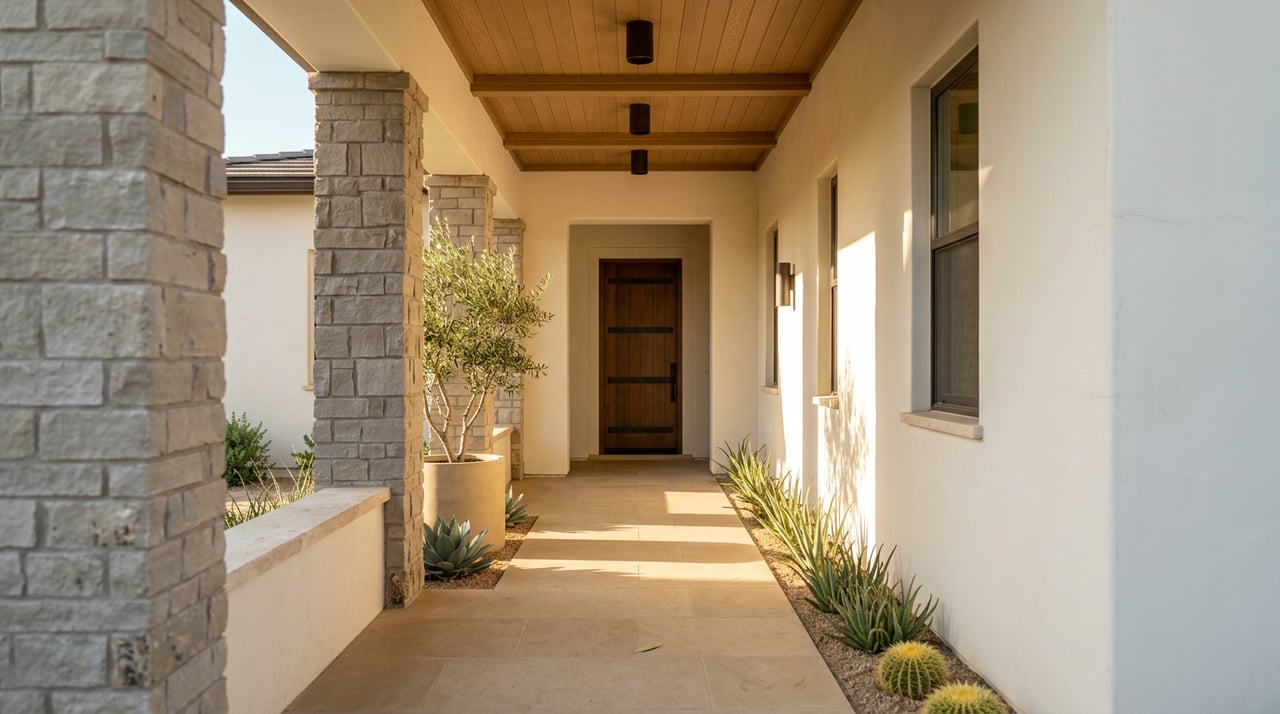
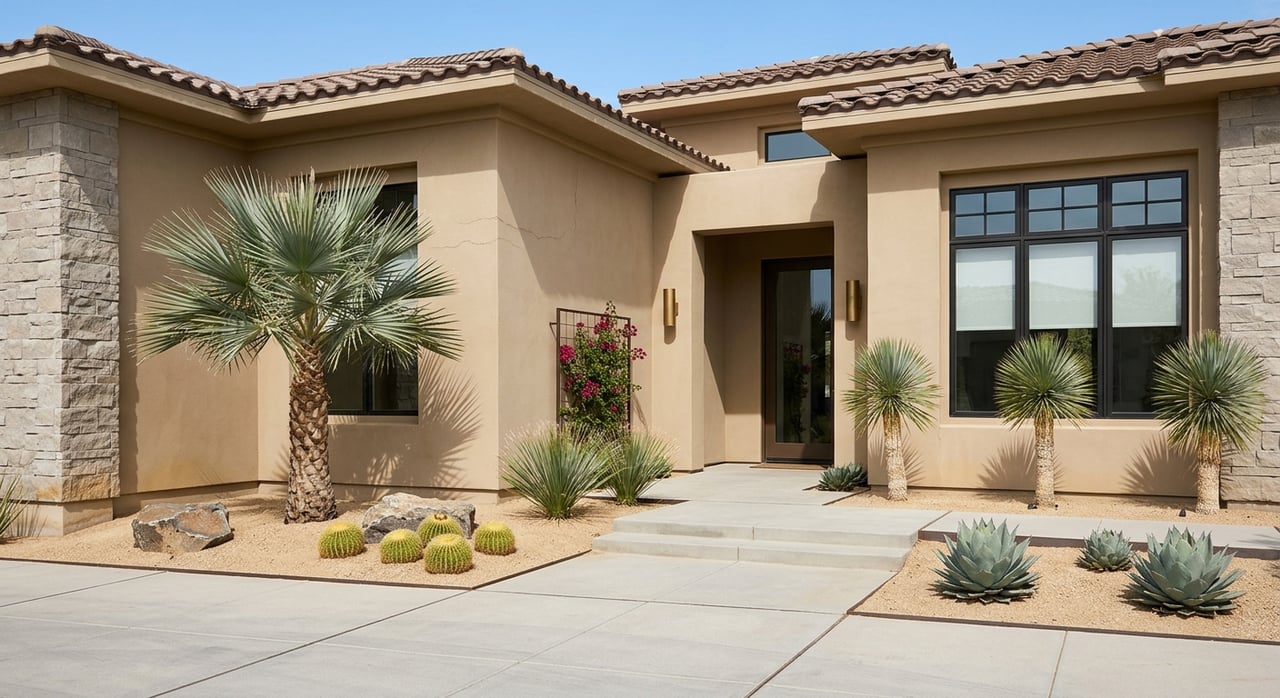
Desert climates require specific maintenance considerations that affect ROI, including HVAC servicing, landscaping suited to arid conditions, and exterior upkeep to protect against sun exposure; proactive maintenance not only preserves property value but also enhances guest or tenant satisfaction, reducing vacancy periods and unexpected repair costs that can erode annual returns.
Financing Structure and Interest Rates
ROI is significantly shaped by an investor’s financing, as interest rates, loan terms, down-payment amounts, and mortgage structures influence monthly carrying costs; securing favorable lending terms can improve cash flow, expand profit margins, and ensure greater resilience during slower rental seasons or market fluctuations, especially in a competitive marketplace like Palm Desert.
Taxes, Regulations, and Operating Costs
Local taxes, permitting requirements for short-term rentals, insurance costs, and utility expenses all play a role in determining ROI; Palm Desert’s rental regulations and transient occupancy tax rules must be understood clearly to avoid penalties or compliance challenges, while strategic budgeting and cost-control measures help maximize overall net returns.
The Role of Expert Representation
Working with a knowledgeable Palm Desert real estate professional can significantly influence ROI by helping investors identify high-performing neighborhoods, negotiate strong purchase terms, evaluate rental potential, and understand regulatory or community complexities; expert guidance streamlines decision-making and reduces risk, improving long-term investment outcomes.
Maximizing Palm Desert Property ROI
Investors aiming to optimize ROI in Palm Desert benefit most when they consider factors ranging from location influences to rental strategy, cost structures, and regulatory frameworks, and by aligning property selection with market demand, maintaining assets effectively, and leveraging expert insights, they can position themselves for both immediate returns and sustained long-term appreciation in this sought-after desert community.
Elevate ROI with Expert Local Guidance
For those looking to strengthen their investment outcomes in the Palm Desert market, the team at DW & Associates offers the local insight and strategic direction needed to make confident real estate decisions; their team provides buyers and sellers with informed perspectives on market trends, property values, and opportunity areas, helping investors approach each transaction with clarity and purpose, ensuring that their real estate goals remain achievable and well-supported as the market evolves.