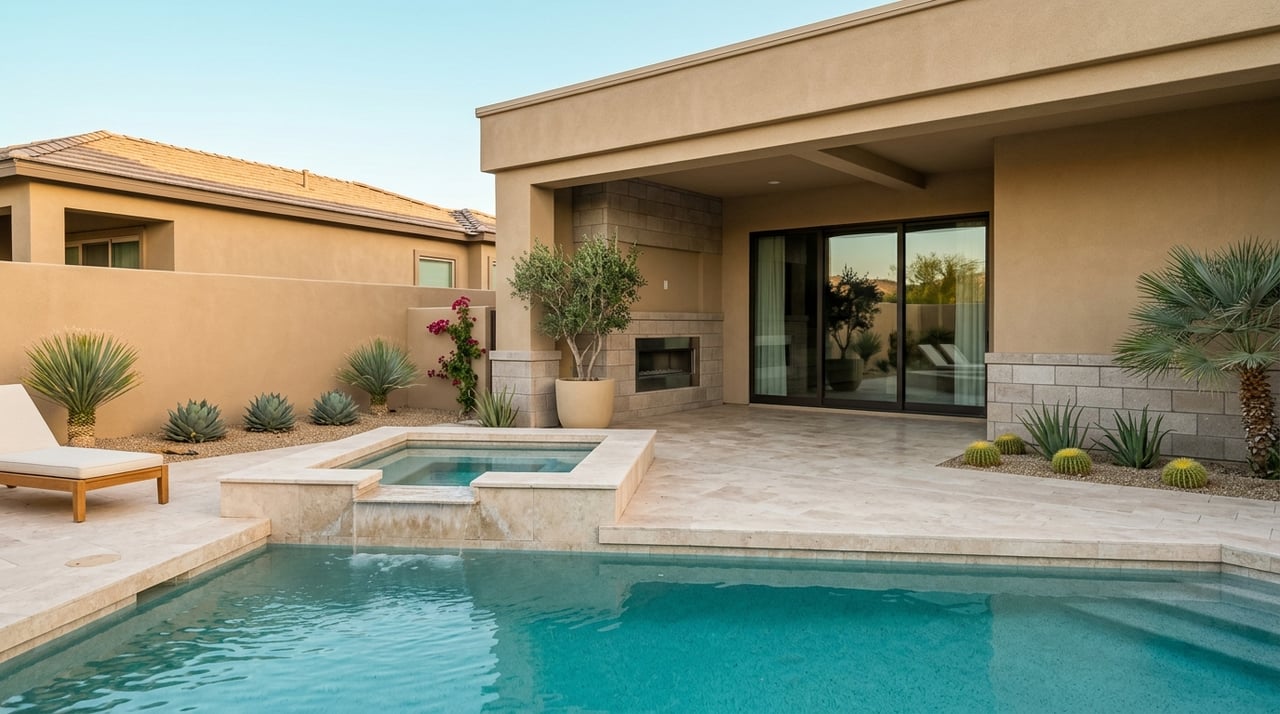
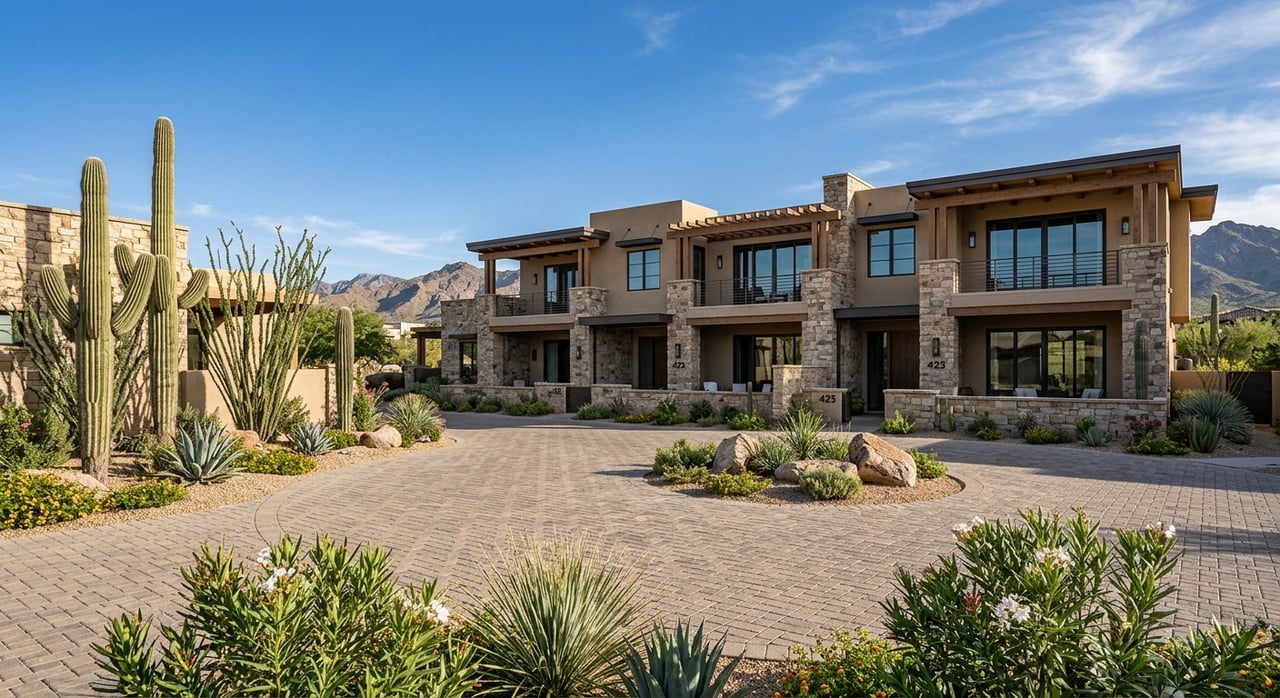
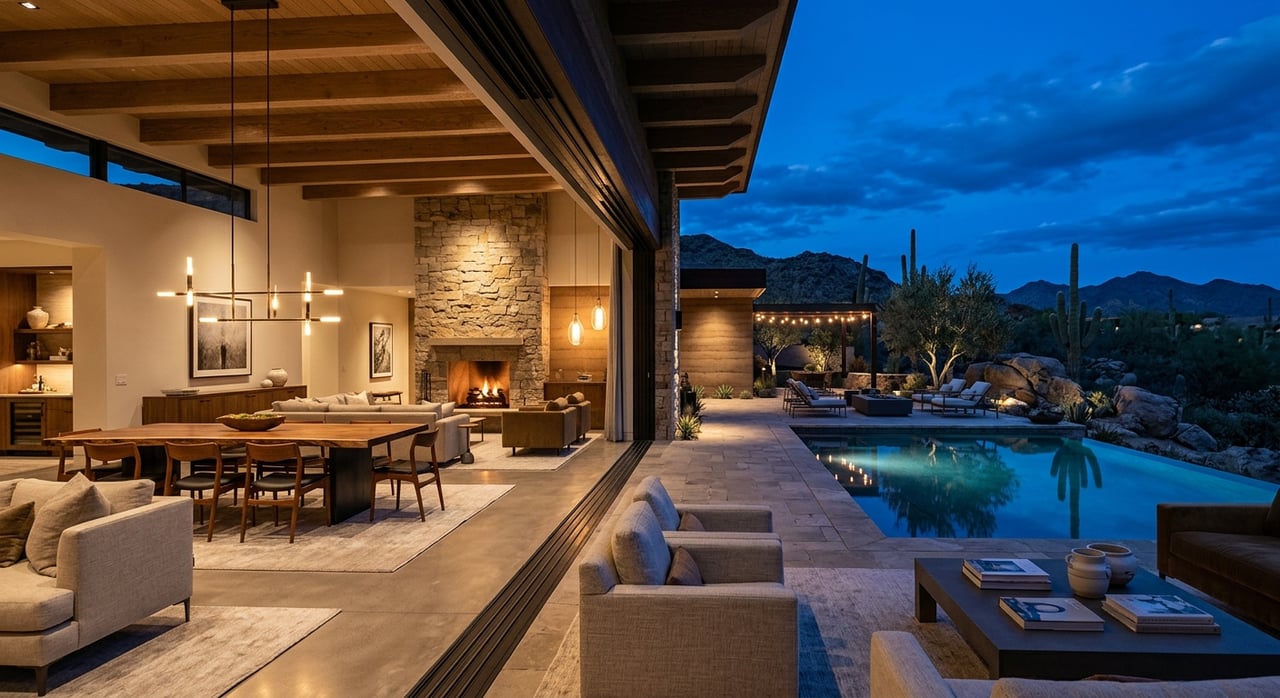
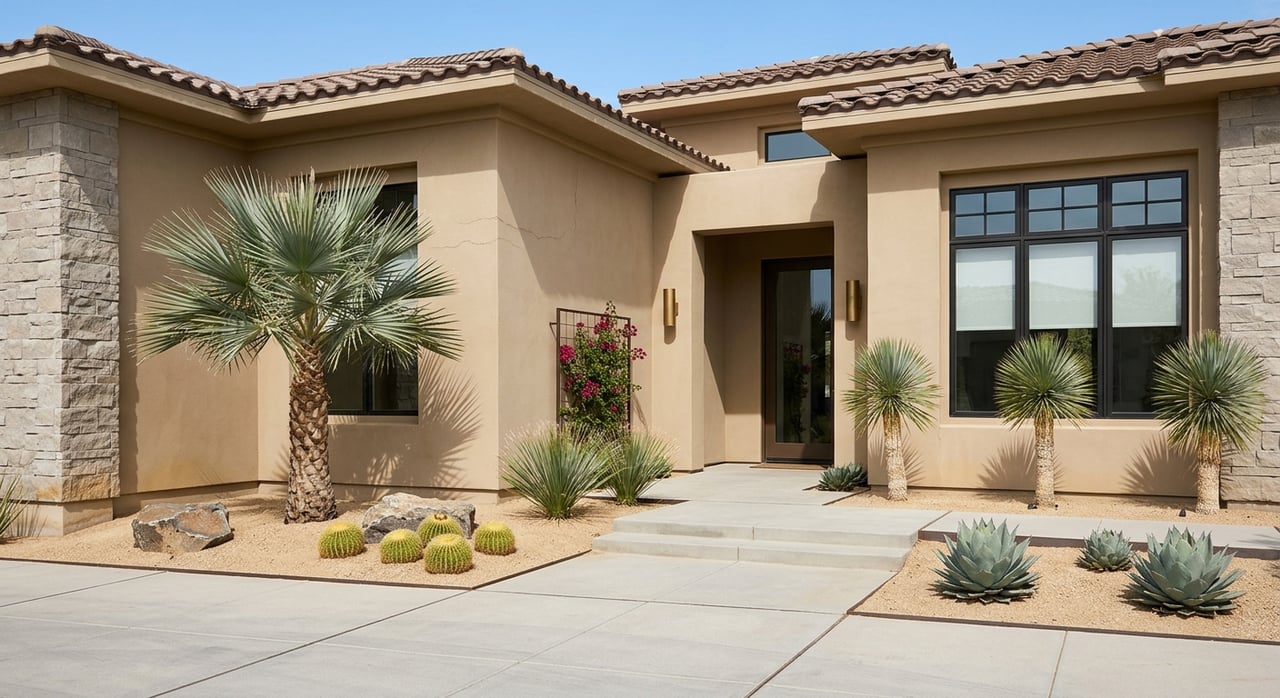
Dreaming about a desert escape without giving up your Orange County base? You are not alone, and the move can make a lot of sense when you want sunshine, resort-style living, and a home that fits weekend trips, longer seasonal stays, or a future full-time transition. This guide will help you think through where to buy, what to budget, and how to make the process feel organized from the start. Let’s dive in.
Why the desert appeals to Orange County buyers
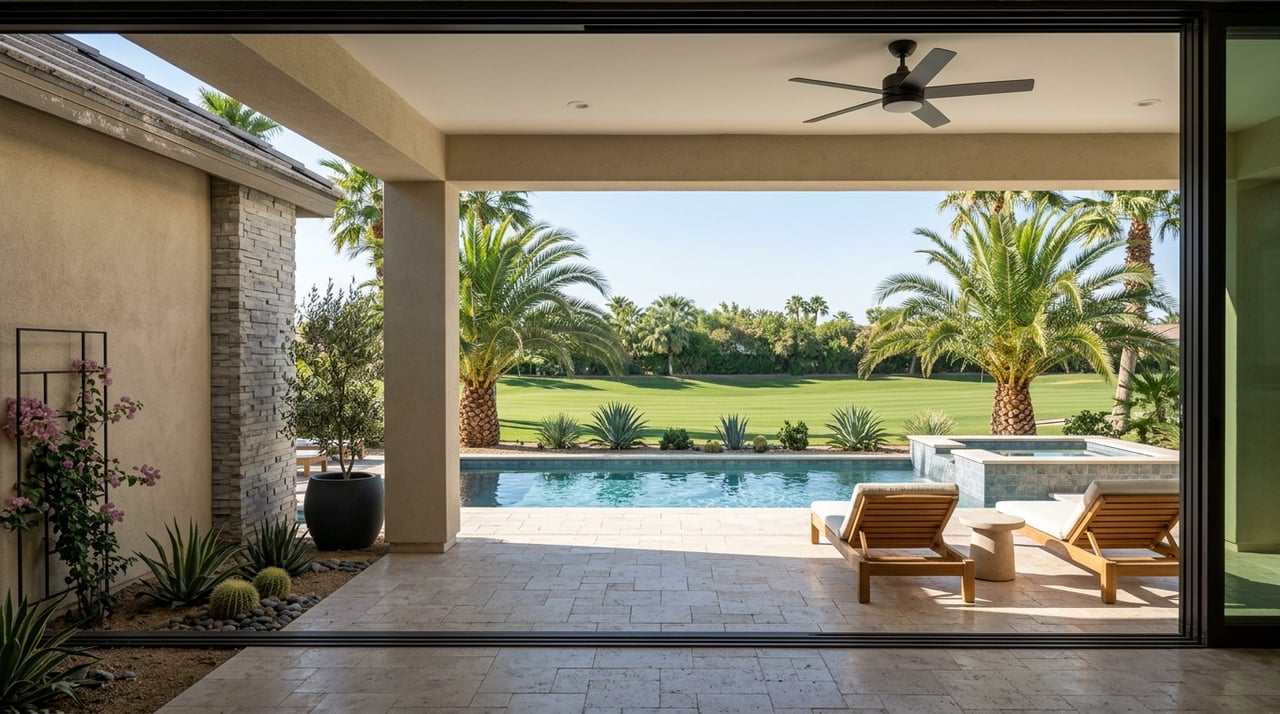
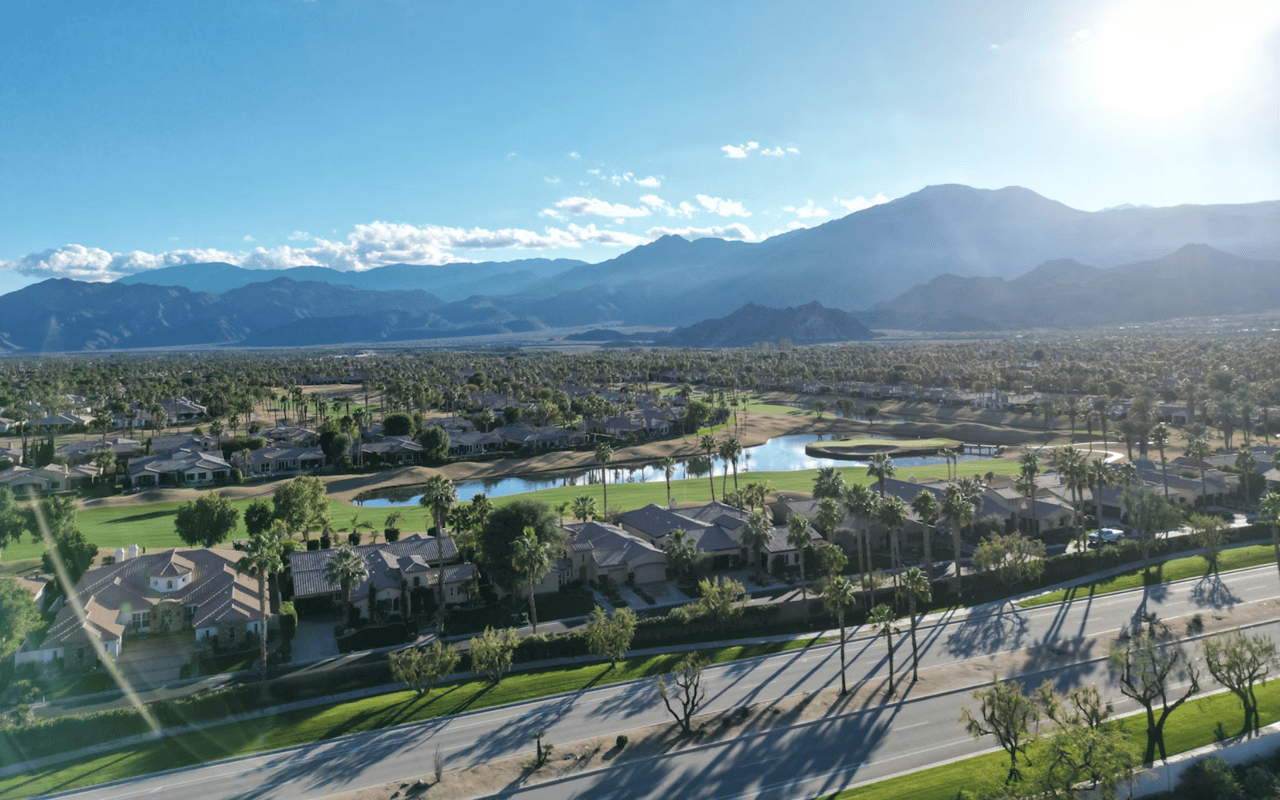
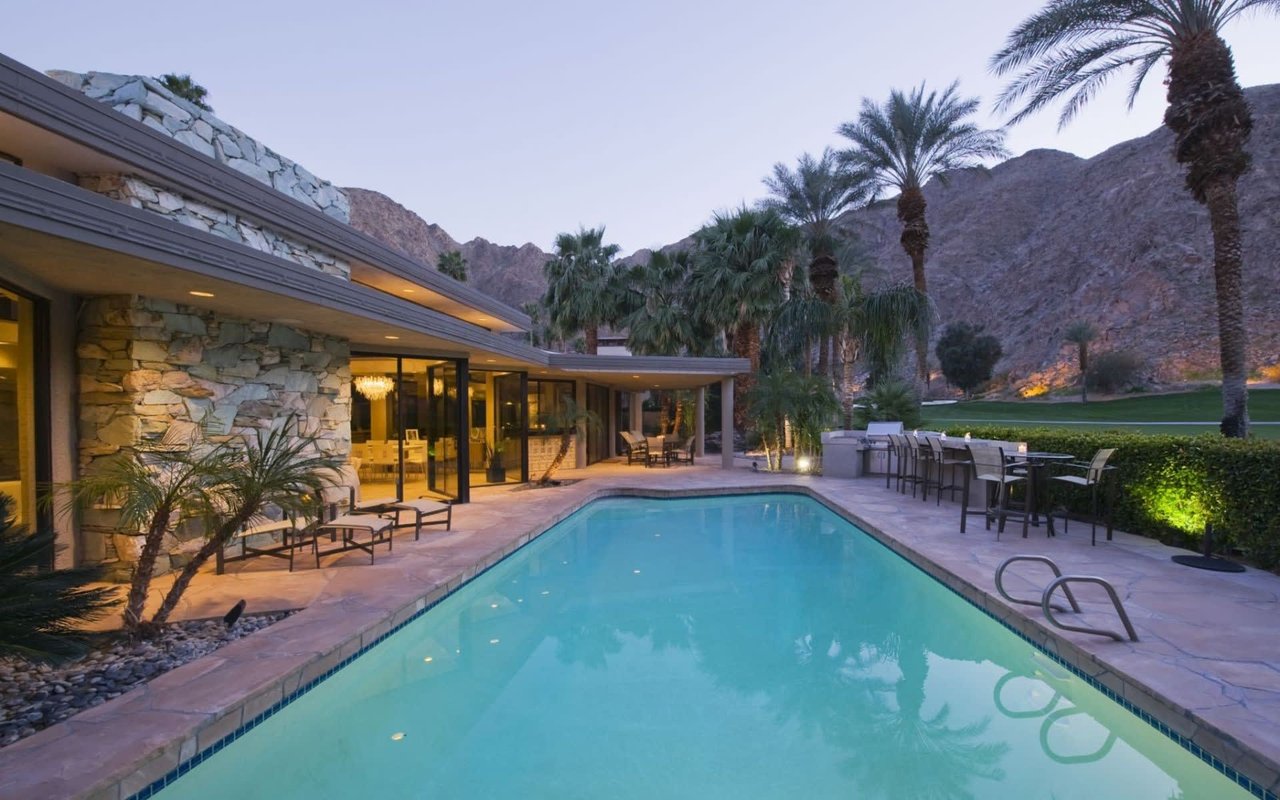
For many Orange County homeowners, the Coachella Valley offers something different from coastal living without feeling disconnected from Southern California. Several desert cities are built around seasonal ownership, resort amenities, and part-time residents, which makes the area a natural fit for second-home buyers.
That matters because your search is usually not just about finding a beautiful house. It is about finding the right mix of lifestyle, ease of ownership, and community feel for how you plan to use the home.
Start with lifestyle, not just price
A smart desert purchase begins with a simple question: How will you actually use the home? Your answer shapes almost every decision that follows, from city choice to community type to maintenance planning.
If you picture quick weekend trips, you may want a central location with easy access to dining, shopping, and the airport. If you want a golf-centered winter retreat, a club community may be the better fit. If you want quiet seasonal living with strong resort character, a smaller luxury-focused city may stand out.
Travel access can shape your search
Convenience matters more than many buyers expect, especially when you are keeping your primary home in Orange County. Palm Springs International Airport is the only commercial service airport in the Coachella Valley, which gives you a practical fly-in option when you do not want every visit to depend on the drive.
Even if you plan to drive most of the time, airport proximity can still influence how often you use the home. A second property often gets more enjoyment when getting there feels easy.
How Palm Desert fits buyers
Palm Desert often works well if you want an everyday-services base with a strong mix of lifestyle and convenience. The city describes itself as the cultural and retail center of the desert communities and reports both a large permanent population and about 32,000 seasonal residents.
For you, that can mean easier access to practical errands, shopping, dining, and entertainment alongside club living. It is often a strong fit if you want to enjoy the desert lifestyle without feeling too far from daily services.
Palm Desert and club living
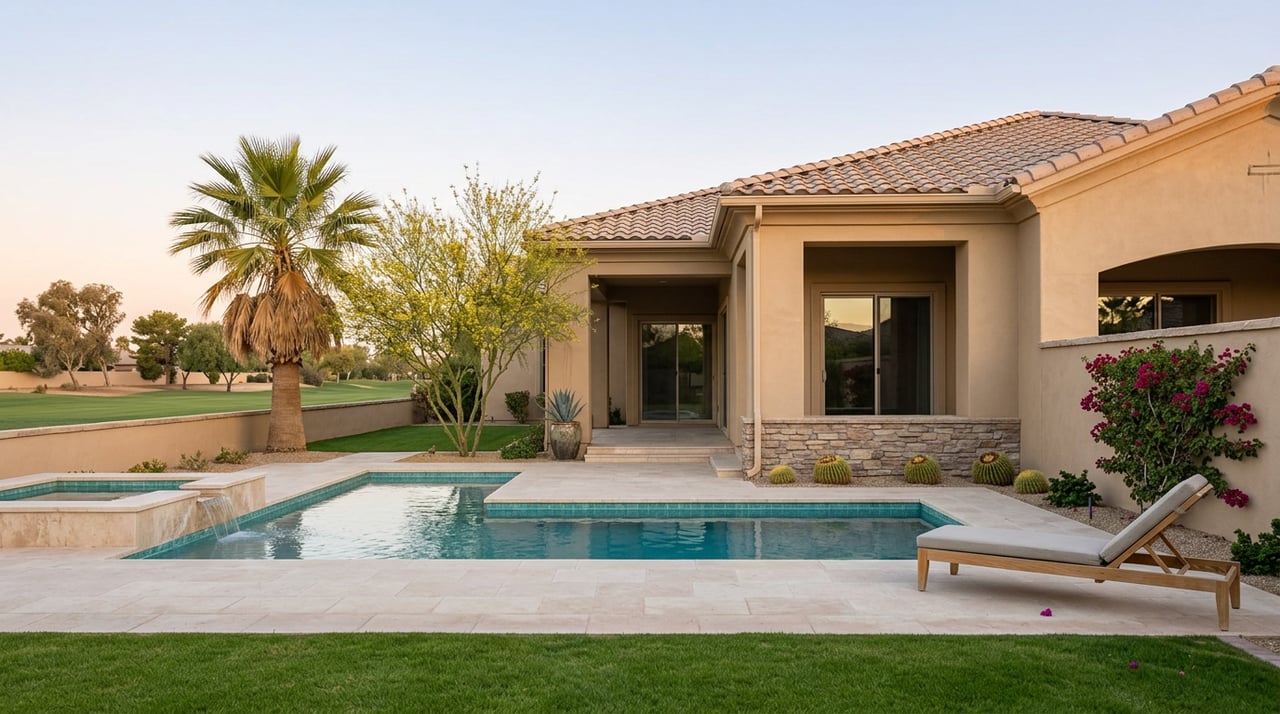
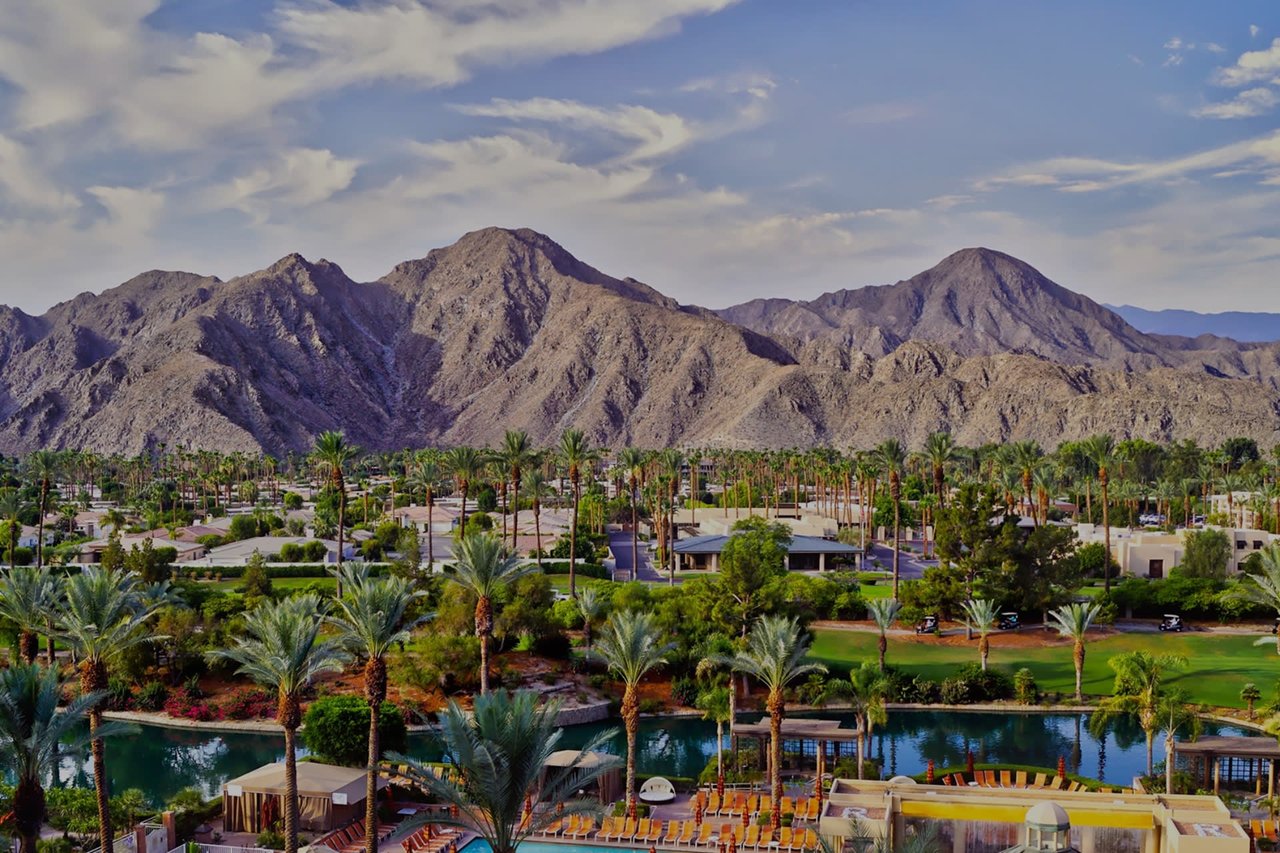
Palm Desert also appeals to buyers who want country club options without giving up central access. Indian Ridge, one example in Palm Desert, describes a private community with two 18-hole courses, restaurants, a spa and fitness center, tennis, and a location close to I-10, El Paseo, and the airport.
That combination can be attractive if you want a lock-and-leave second home that still feels plugged into the broader desert experience. You get the community feel, but you are not isolated from the rest of the valley.
How Indian Wells fits buyers
Indian Wells is a strong choice if you want a polished, resort-forward setting. The city describes itself as a world-class residential resort destination with resorts, golf, tennis, cultural programming, and resident benefits.
If your goal is a refined second-home experience with a luxury resort atmosphere, Indian Wells may rise to the top of your list. It often appeals to buyers who value convenience, amenities, and a smaller residential footprint over a busier, more town-centered feel.
How La Quinta fits buyers
La Quinta tends to attract buyers who want energy, golf density, and a strong seasonal rhythm. The city reports 25 golf courses, an Old Town Village area, and a large winter and spring seasonal population, along with more than 12,000 part-time residents.
For you, that may translate into more options if golf, social activity, and seasonal buzz are high on your list. La Quinta can be especially worth exploring if you want a home that feels tied to recreation and club culture.
La Quinta and golf-focused communities
PGA WEST adds another layer for buyers who want a deeper golf and amenity environment. It is described as a 2,000-plus-acre golf destination with multiple courses, clubhouses, dining, and sports amenities.
This is an important distinction, because some communities are truly membership-driven while others are simply near golf. Knowing which experience you want can save you time and help you compare homes more accurately.
How Rancho Mirage fits buyers
Rancho Mirage often suits buyers looking for an established resort-residential setting with strong service infrastructure. The city describes itself as a well-known desert resort and residential community, with major medical facilities and world-class resort hotels as part of its identity.
Its planning materials also show how familiar the city is with part-time ownership. In one city planning snapshot, about 43% of dwelling units were second homes, vacation homes, or vacant, which is a meaningful signal for buyers who want a market accustomed to seasonal use.
Budget beyond the purchase price
One of the biggest mistakes second-home buyers make is focusing too much on the list price. Your real buying budget should include both upfront costs and ongoing ownership costs.
HUD says closing costs typically run about 3% to 4% of the home price. CFPB also advises buyers to plan for a home inspection plus homeowner’s and title insurance as part of the closing process.
Upfront costs to plan for
Before you buy, make room in your budget for:
- Down payment
- Closing costs
- Home inspection
- Homeowner’s insurance
- Title insurance
- Immediate move-in or setup expenses
That bigger picture helps you avoid stretching just to win the home and then feeling squeezed after closing.
Property tax timing matters in Riverside County
In California, property tax is generally based on a 1% base rate plus voter-approved debt or other local add-ons. Riverside County bills secured property taxes in two installments, with the first due November 1 and delinquent after December 10, and the second due February 1 and delinquent after April 10.
You should also know that a change in ownership can trigger a supplemental assessment. That means you may receive an additional tax bill after closing, so it is wise to leave room for that in your post-closing budget.
HOA dues and club dues are not the same
This is one of the most important desert buying details to understand. In many club communities, HOA dues and club dues are separate costs.
PGA WEST Residential states that HOA dues do not support golf course operations, and Indian Ridge lists separate membership programs and dues alongside home ownership and club amenities. If you are comparing two homes, make sure you know whether you are buying into a neighborhood near amenities or into a community with a separate membership structure.
Climate belongs in your budget too
Desert weather is a lifestyle perk, but it is also a cost factor. Palm Desert reports about 350 days of sunshine a year and July highs around 106 degrees, while La Quinta reports an average temperature of 75 degrees and less than 5 inches of annual rainfall.
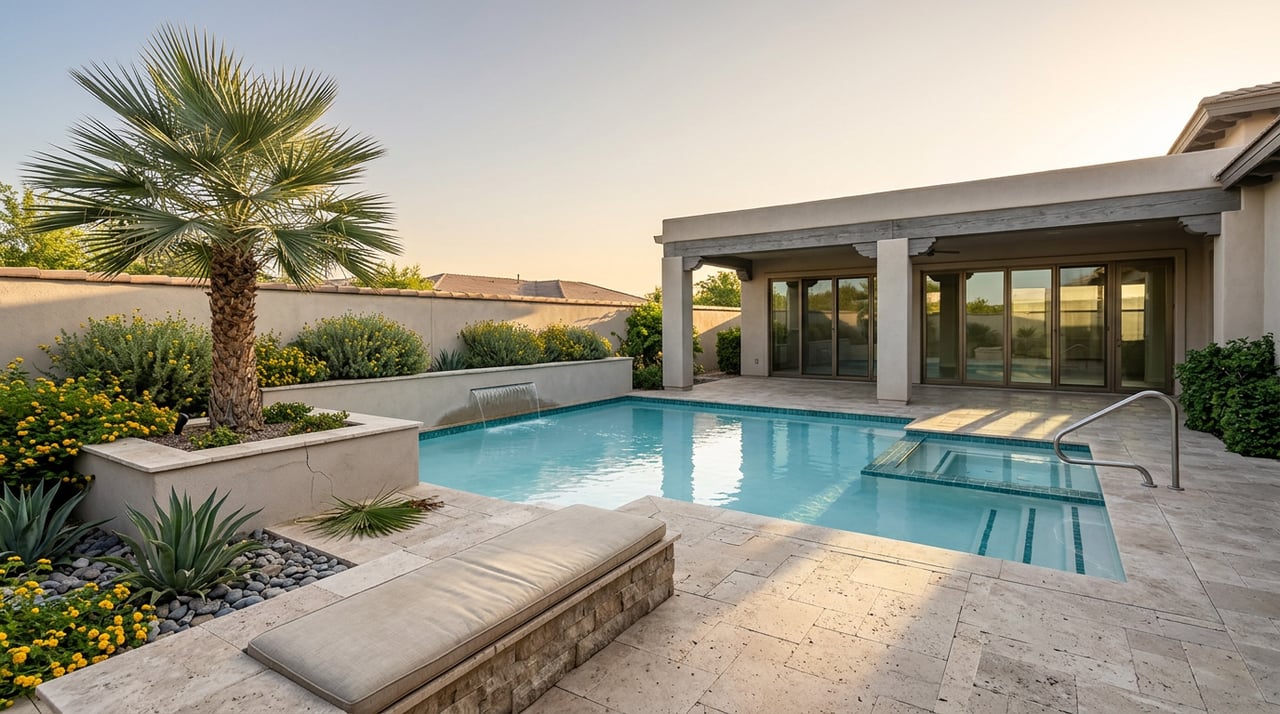
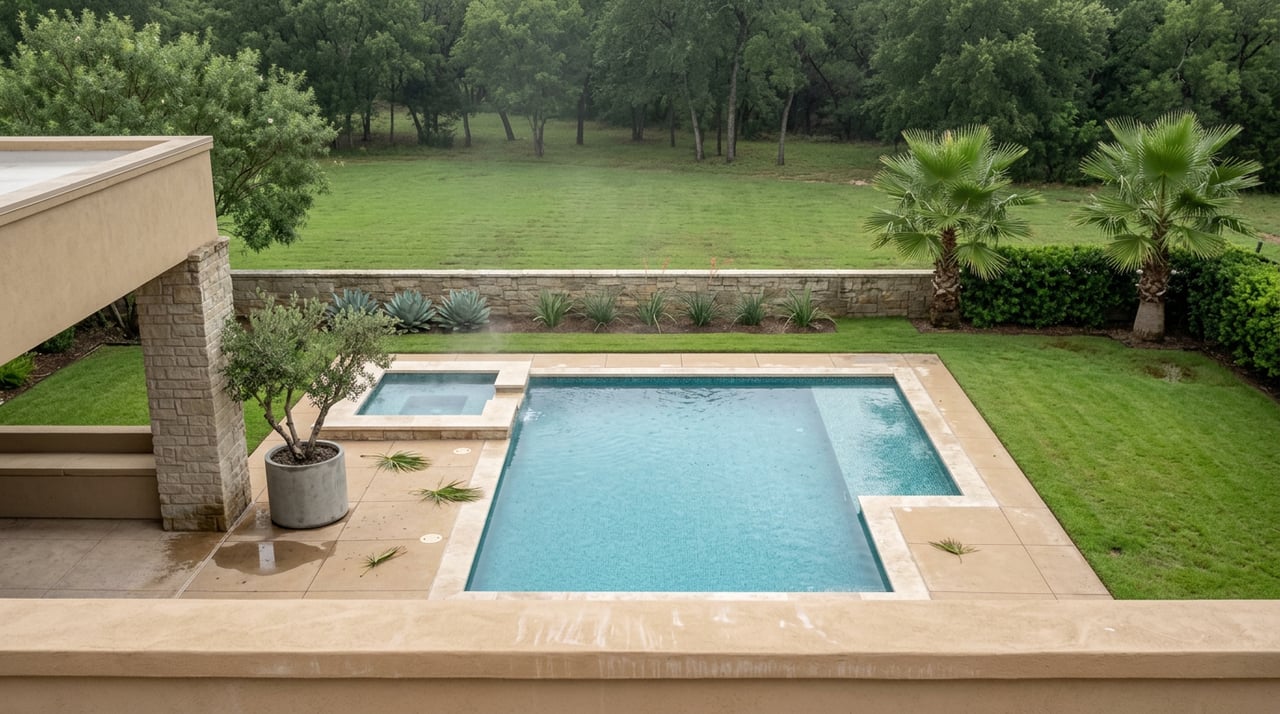
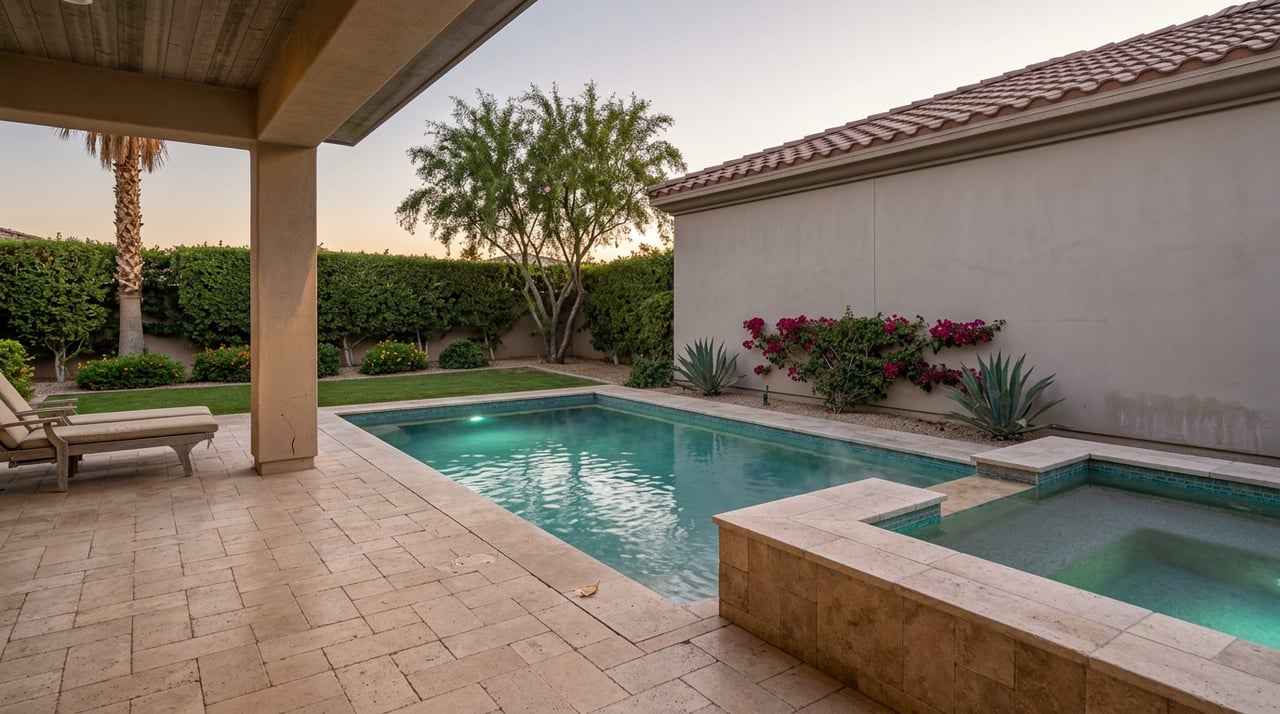
For you, that means cooling costs, HVAC maintenance, pool care, and regular system checks may deserve more attention than they do at your Orange County home. A lock-and-leave property still needs a plan for hot-weather upkeep.
What to look for in a lock-and-leave home
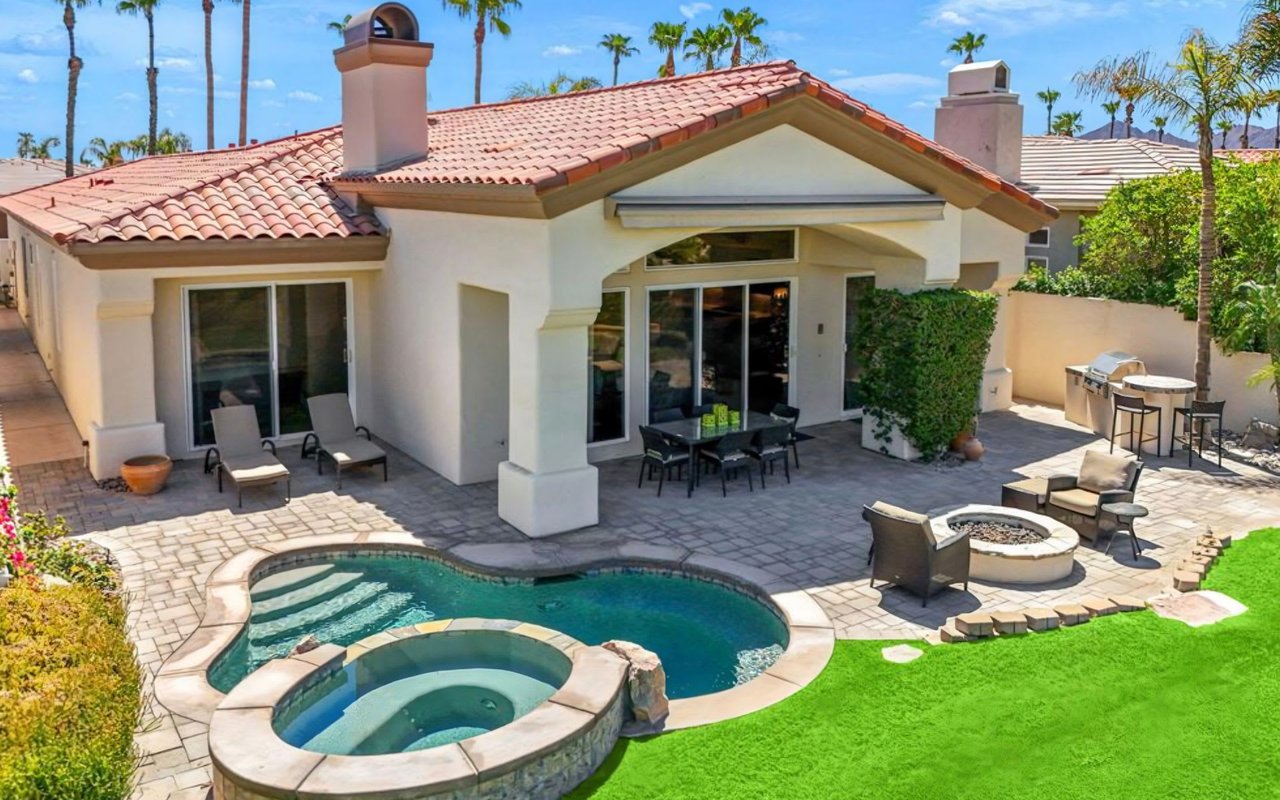
If this will be a second home, convenience usually matters as much as design. A beautiful property can still be a poor fit if it is hard to maintain from a distance.
As you tour homes, pay attention to features that support easier ownership:
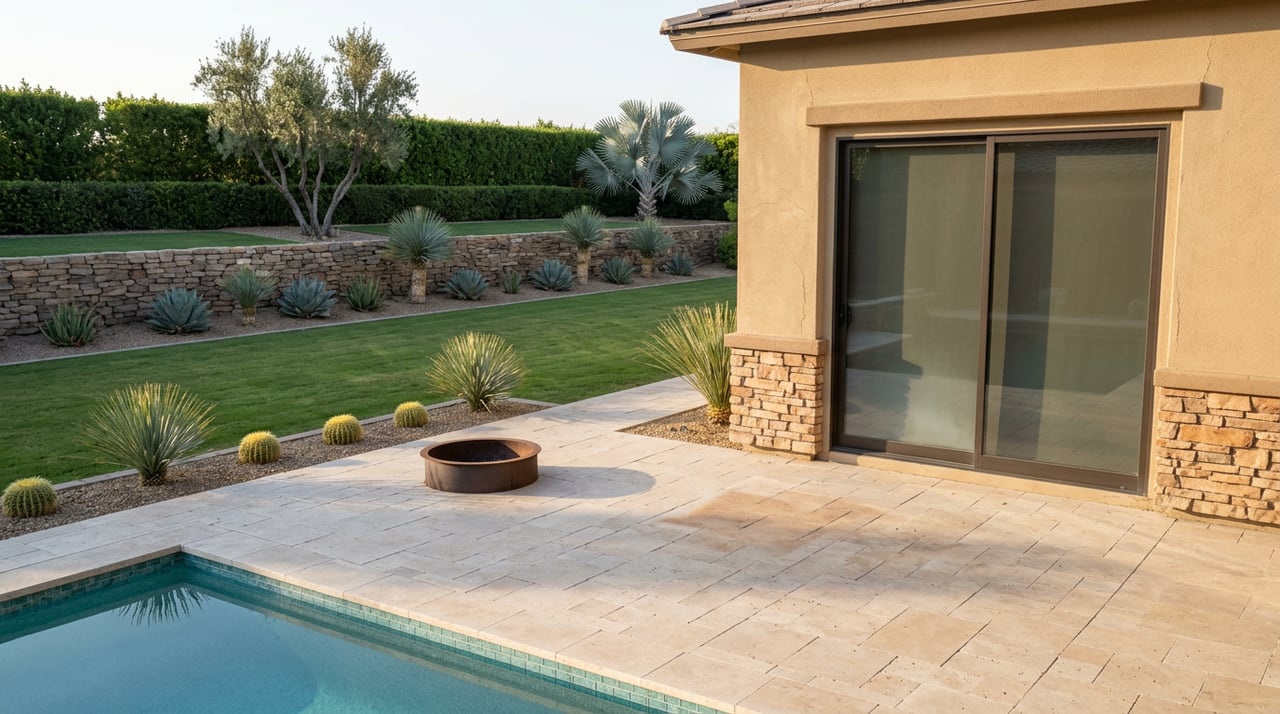
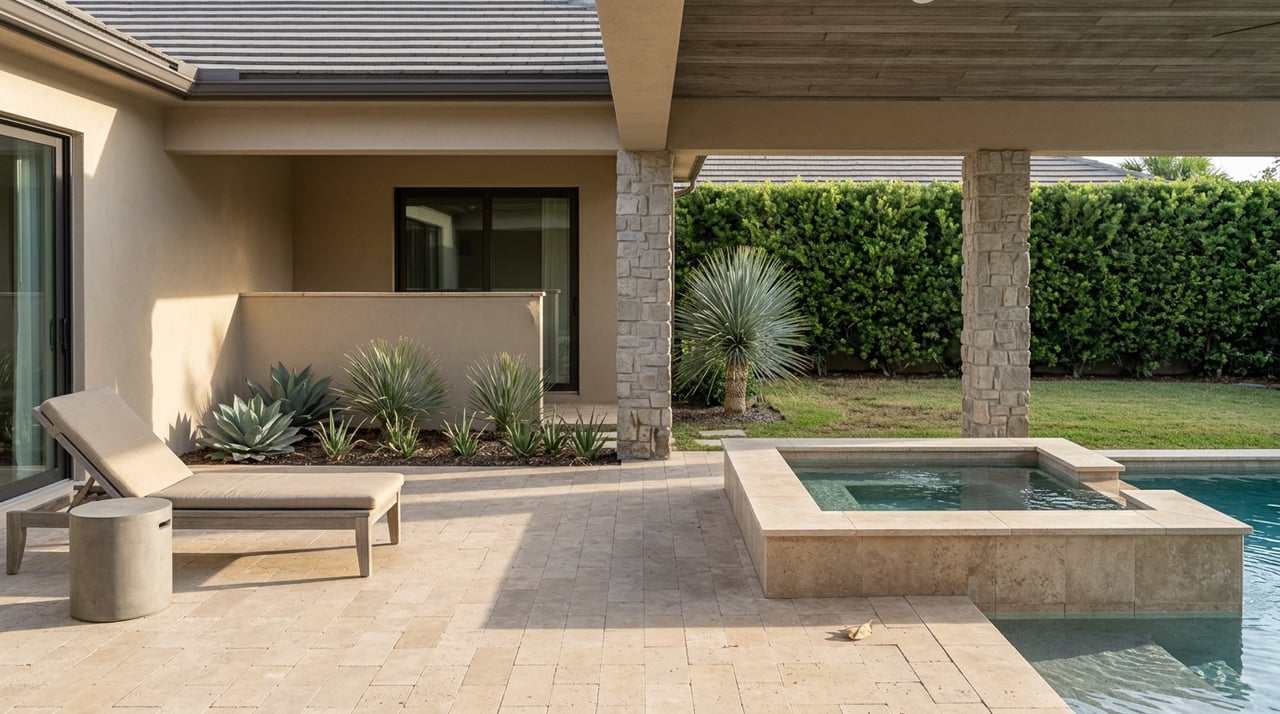
- Manageable outdoor space
- Clear HOA maintenance standards
- Straightforward guest access
- Practical parking
- Reliable cooling systems
- Pool and equipment condition
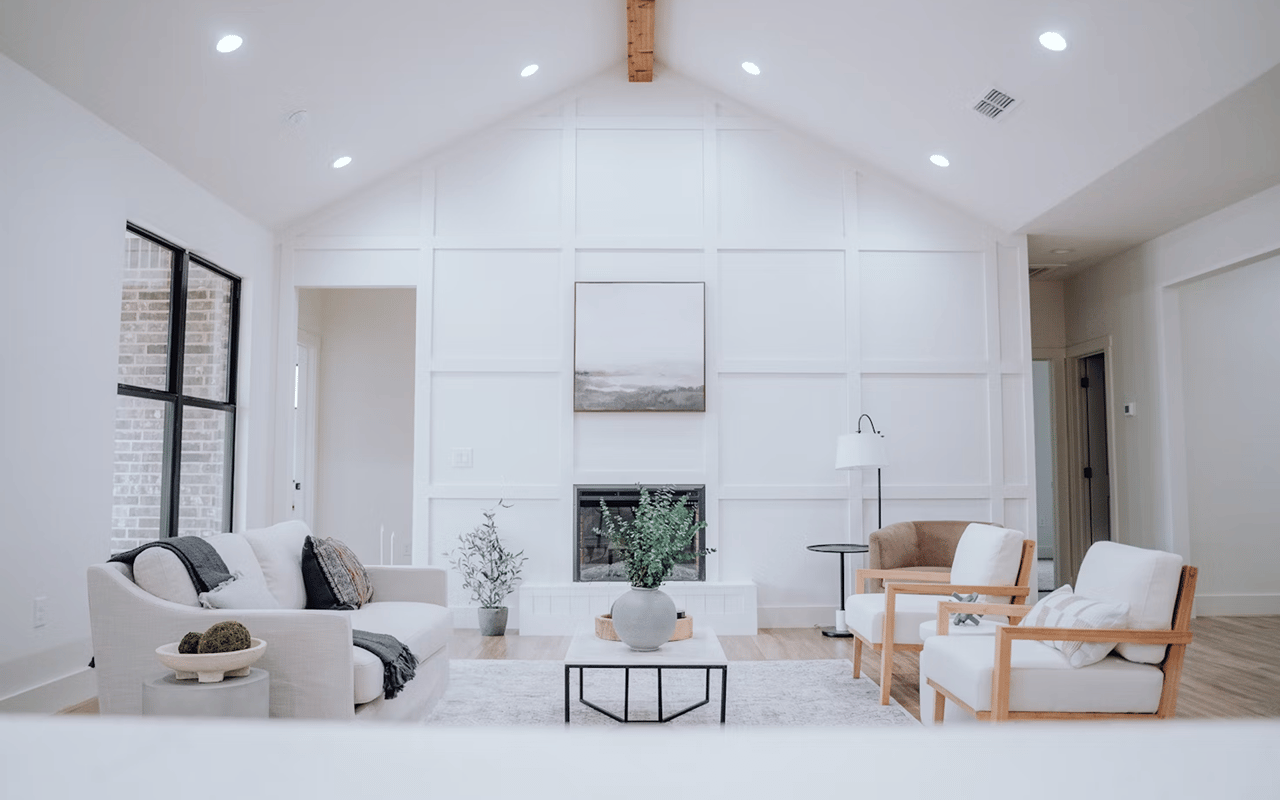
- Layouts that work well for short stays or seasonal visits
These details may not be as flashy as views or finishes, but they often make the biggest difference once you own the home.
Plan a smarter scouting trip
A productive desert scouting trip should cover more than floor plans and photos. You want to understand how the home and community feel in real life.
Compare details like morning light, afternoon heat, clubhouse access, HOA rules, guest policies, parking, maintenance standards, and the overall rhythm of the neighborhood. Because Palm Desert, La Quinta, and Rancho Mirage all report notable seasonal population patterns, it can be helpful to see at least one community during a busier season and, if possible, during peak heat.
Questions to ask on your scouting trip
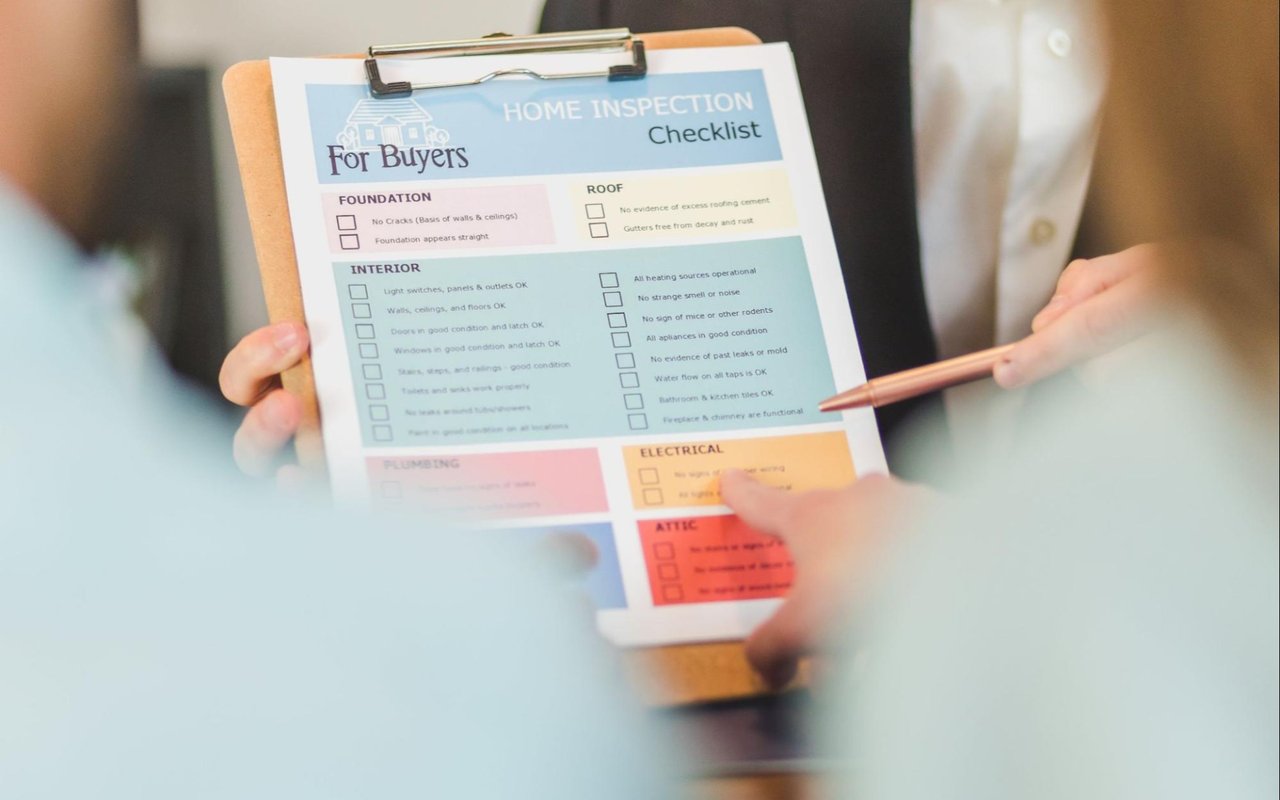
Bring a checklist that helps you compare communities clearly:
- Does this city feel more club-centered or town-centered?
- Would I use the amenities enough to justify the cost?
- Is this a true membership community or a gated neighborhood with optional access?
- How easy would this home be to manage from Orange County?
- Does the area feel right during the season I plan to use it most?
Those questions can keep you focused on fit, not just first impressions.
What can be handled remotely
Distance buying does not have to mean a chaotic process. CFPB and HUD emphasize steps like getting preapproved, narrowing the right home, completing the inspection, shopping for homeowner’s and title insurance, and using a closing checklist.
For an Orange County buyer, a well-organized process can reduce the need for repeated desert trips. Showings, inspections, vendor access, disclosure review, and final walkthrough coordination all benefit from a team that knows the local market and can keep details moving.
A practical roadmap for Orange County buyers
If you want a simple way to approach your search, use this roadmap:
- Define how you will use the home.
- Set a full budget, not just a purchase target.
- Compare Palm Desert, Indian Wells, La Quinta, and Rancho Mirage by lifestyle fit.
- Separate HOA costs from any club or membership costs.
- Evaluate lock-and-leave ease and climate-related upkeep.
- Plan a scouting trip around real-world use, not just home tours.
- Build a purchase process that works well from a distance.
When you follow those steps, the desert becomes easier to evaluate. Instead of chasing listings, you can focus on the places and property types that actually match your goals.
Buying a second home in the Coachella Valley should feel exciting, not overwhelming. With the right plan, you can move from browsing to clarity and make a decision that supports your lifestyle now and for years to come. When you are ready to explore desert communities with a team that understands both lifestyle fit and process management, connect with the DWA Team.
FAQs
How much should Orange County buyers budget beyond the list price for a desert home?
- You should plan for more than the down payment, including closing costs that HUD says typically run about 3% to 4% of the home price, plus inspection, homeowner’s insurance, title insurance, and possible supplemental property tax bills after closing.
Which Coachella Valley city feels more town-centered for second-home buyers?
- Palm Desert is often the most town-centered option in this group because the city describes itself as the cultural and retail center of the desert communities, with a strong mix of services, shopping, dining, and seasonal living.
Which Coachella Valley city is best for a resort-style second-home feel?
- Indian Wells is the clearest resort-forward option in this guide, with the city highlighting resorts, golf, tennis, cultural programming, and resident benefits in a polished residential resort setting.
Why should Orange County buyers compare HOA dues and club dues separately?
- In many desert communities, HOA dues and club dues cover different things, and some neighborhoods near golf are not the same as membership-driven club communities, so separating those costs helps you compare homes more accurately.
Should Orange County buyers visit the desert in different seasons before buying?
- Yes, if possible, it can help to visit at least once during a busier seasonal period and once during hotter weather so you can better understand neighborhood activity, climate impact, and day-to-day comfort.
What features matter most in a lock-and-leave desert second home?
- The most useful features are usually those that make ownership easier from a distance, such as manageable maintenance, clear HOA standards, reliable cooling systems, practical guest access, and a property setup that works well for seasonal use.