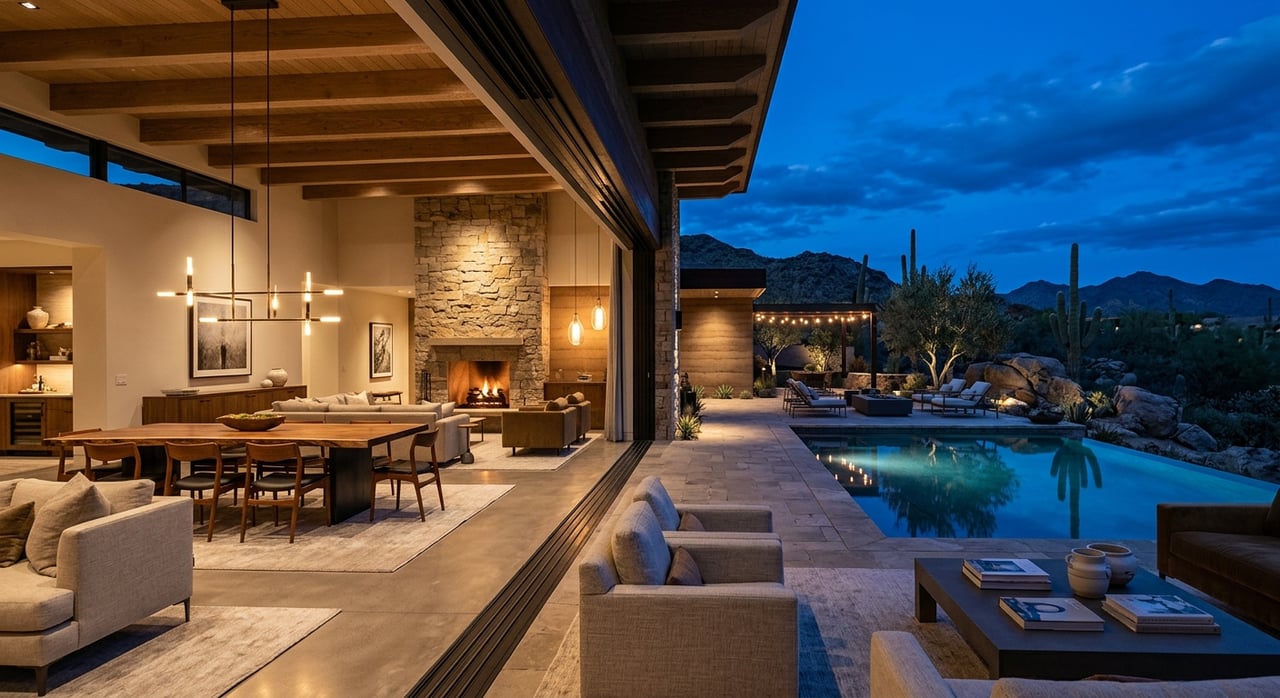
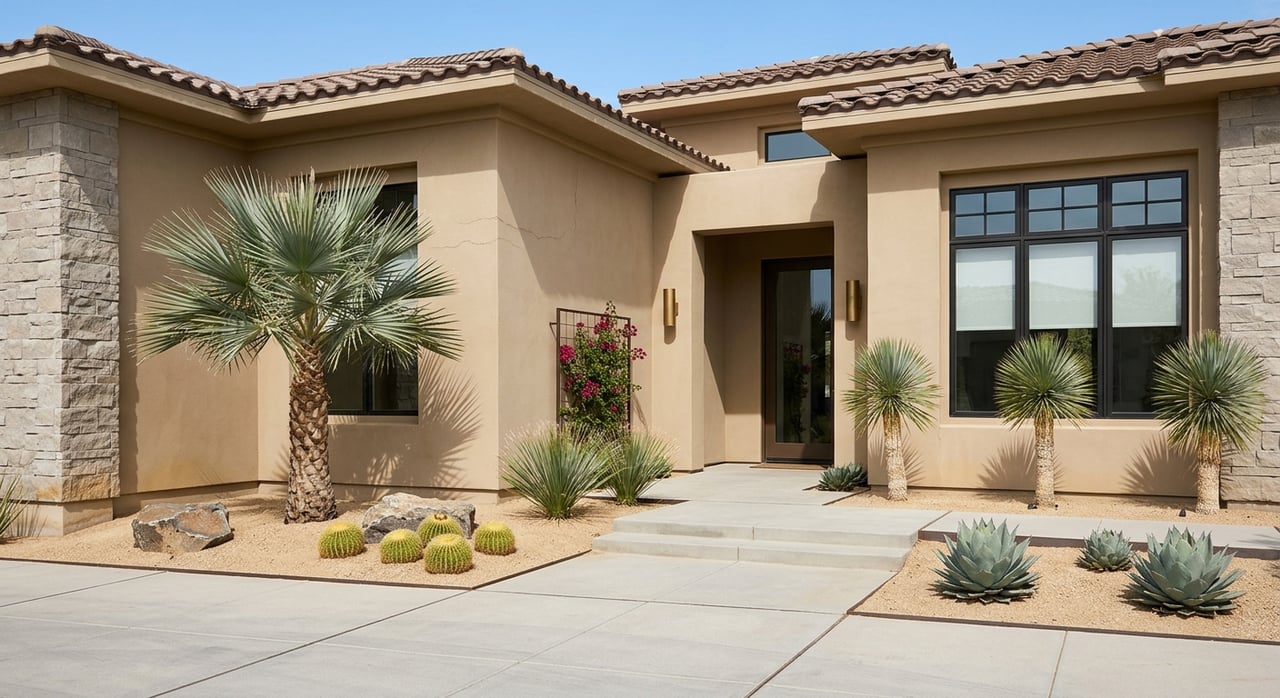
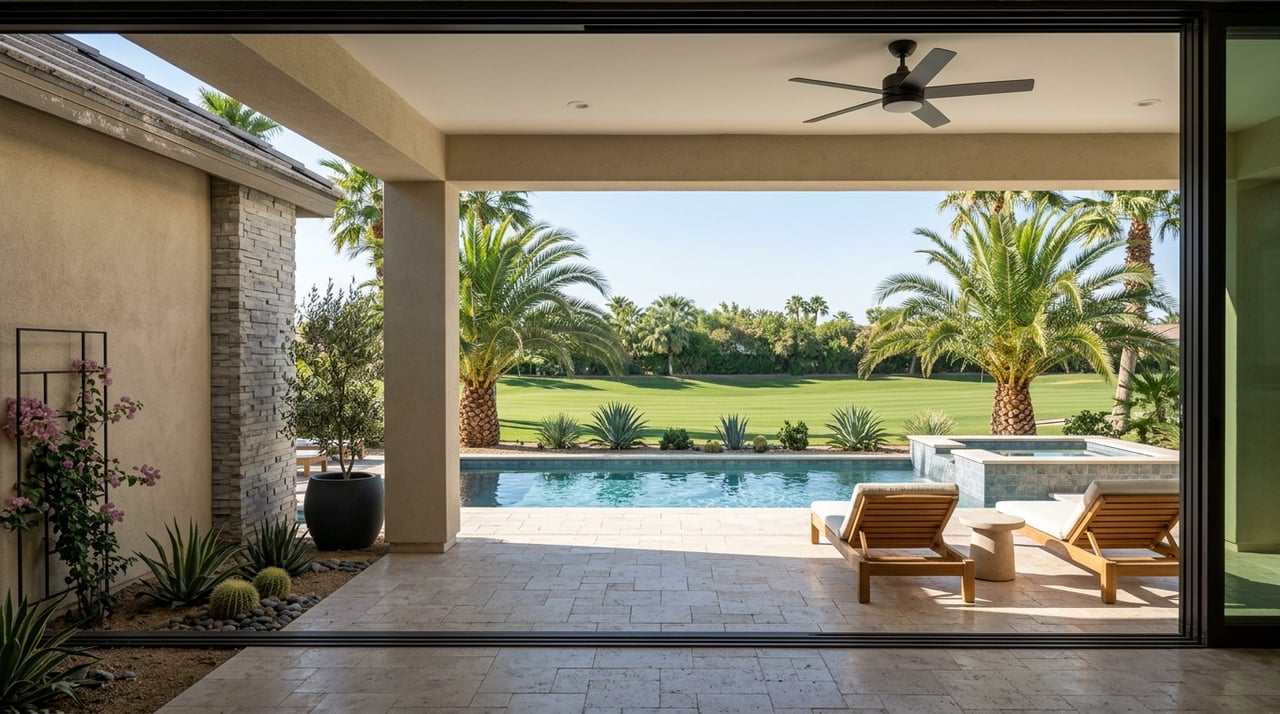
If you love the mild rhythm of Newport Coast but crave a sunny winter base with a different pace, a second home in the desert can make a lot of sense. You are not necessarily choosing between two lifestyles. You may be pairing two climates that complement each other, with the coast offering more temperate summer weather and the Coachella Valley offering warmer winter days. If you are considering that kind of two-home setup, this guide will help you think through travel time, seasonal use, and what makes a desert property easier to own from a distance. Let’s dive in.
Why Newport Coast and the desert pair well
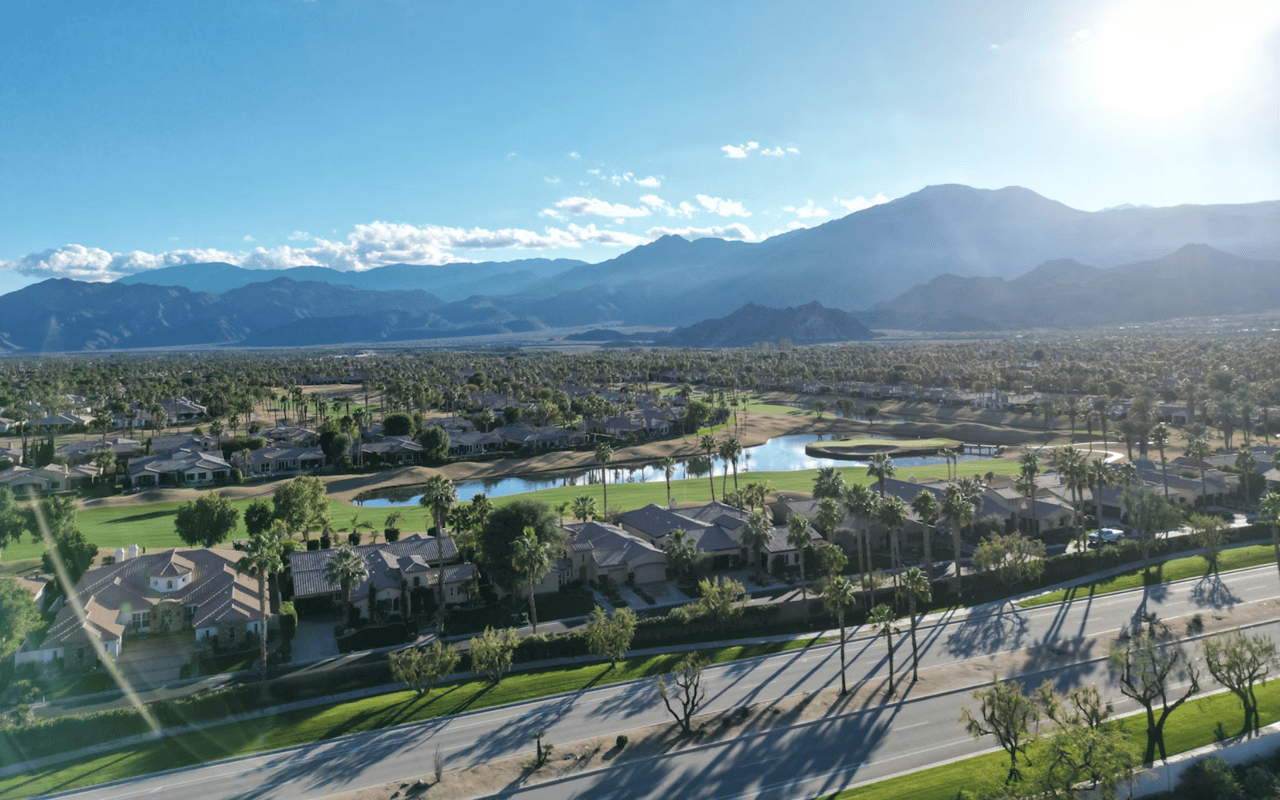
For many buyers, the appeal starts with simple geography. Newport Coast sits close enough to the Coachella Valley that a second home can feel practical, not far away. Typical route estimates put Newport Coast at about 1 hour 46 minutes to Palm Springs, about 2 hours 1 minute to Palm Desert, about 2 hours 9 minutes to La Quinta, and about 2 hours 5 minutes to Indio.
That kind of drive time supports a flexible routine. You can think in terms of weekends, longer seasonal stays, or spontaneous trips when you want a change of scenery. In real life, traffic can vary, but the broader point holds: most desert golf communities are roughly a two-hour drive from the coast.
Climate complement matters
The strongest case for a coastal home plus a desert retreat is not duplication. It is complementarity. Newport Beach Harbor climate normals show a much milder pattern, with average July highs around 71.8°F and January highs around 64.5°F.
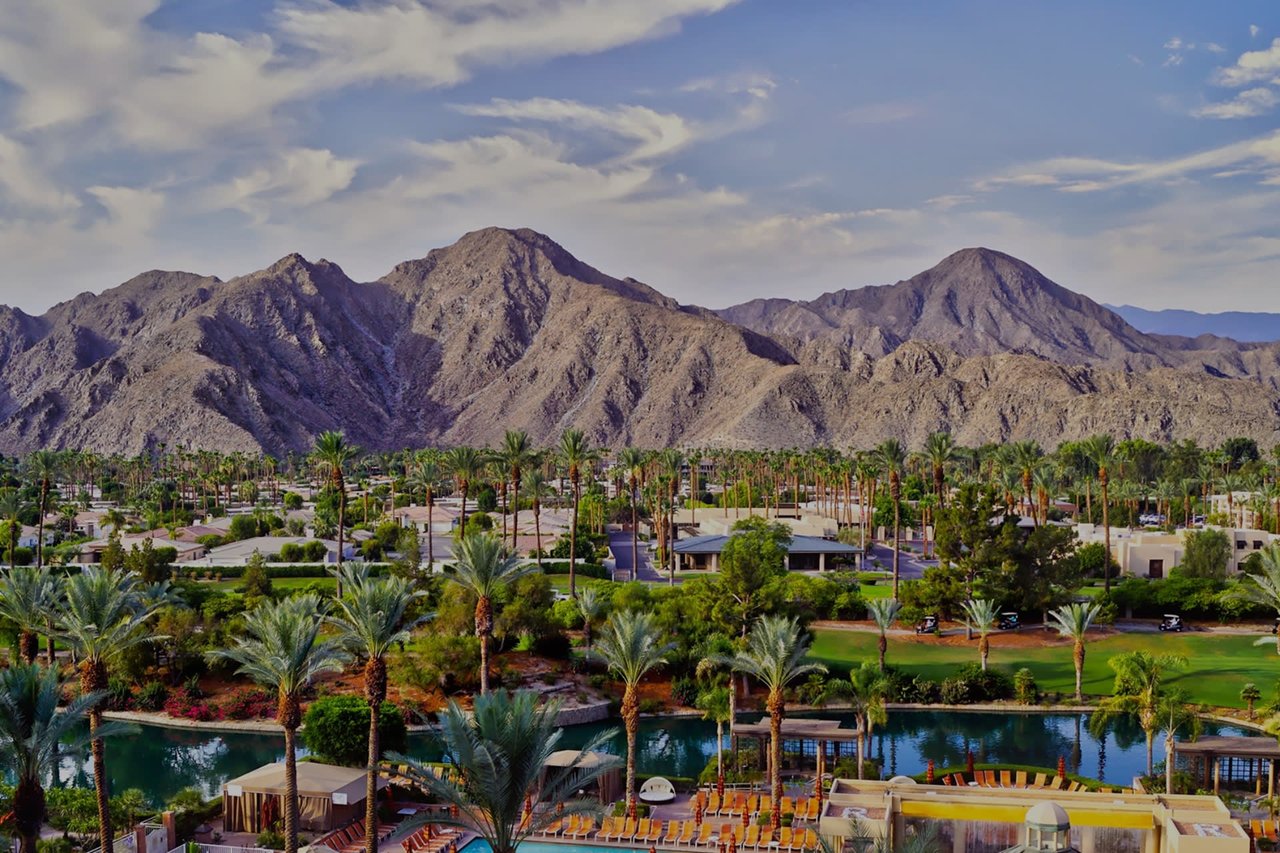
The desert follows a very different pattern. Palm Springs area climate normals show January highs around 70.5°F, while June through September average highs run from about 101.8°F to 108.6°F. That contrast helps explain why many owners naturally use the two homes in different seasons.
Summer on the coast
If you already live in or near Newport Coast, you know the coast tends to stay more moderate in summer. That can make your primary coastal home feel especially valuable during the warmest months. When the desert heat peaks, the coast offers a more temperate environment for everyday living and entertaining.
Winter in the desert
The desert often shines as a late-fall-through-spring base. That is a planning inference supported by the weather data, not a rule for every owner. Still, if your goal is sunshine, outdoor living, and a seasonal shift in pace, the cooler months in the Coachella Valley often fit that vision well.
What to look for in a desert retreat
A second home should feel easy to enjoy. That is why your search should go beyond finishes, views, and amenities. The bigger question is how the property works when you are not there full time.
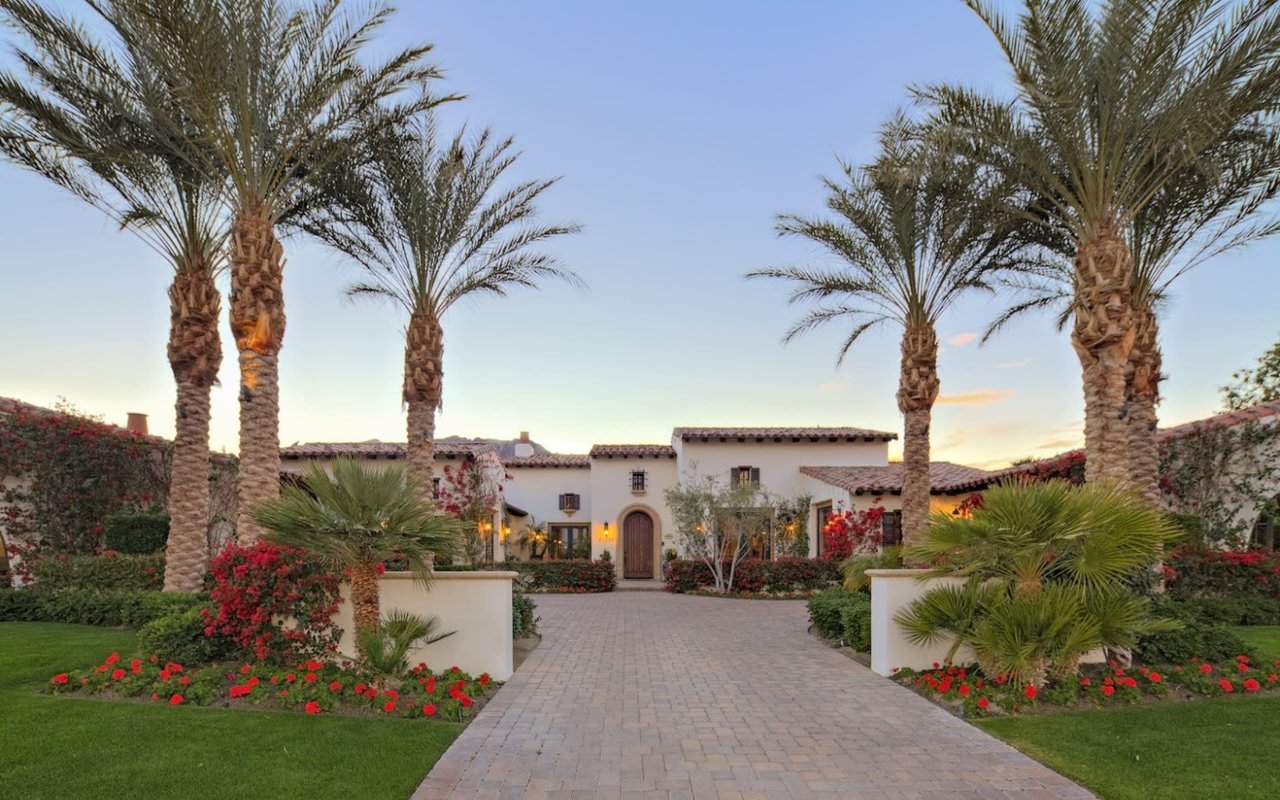
For many Newport Coast buyers, the best fit is a home in a managed community where ownership feels streamlined. That could be a condo, a country club home, or a single-family residence in a gated neighborhood. The right answer depends on how often you plan to visit, how much upkeep you want to handle yourself, and what kind of lifestyle you want when you arrive.
Focus on lock-and-leave ease
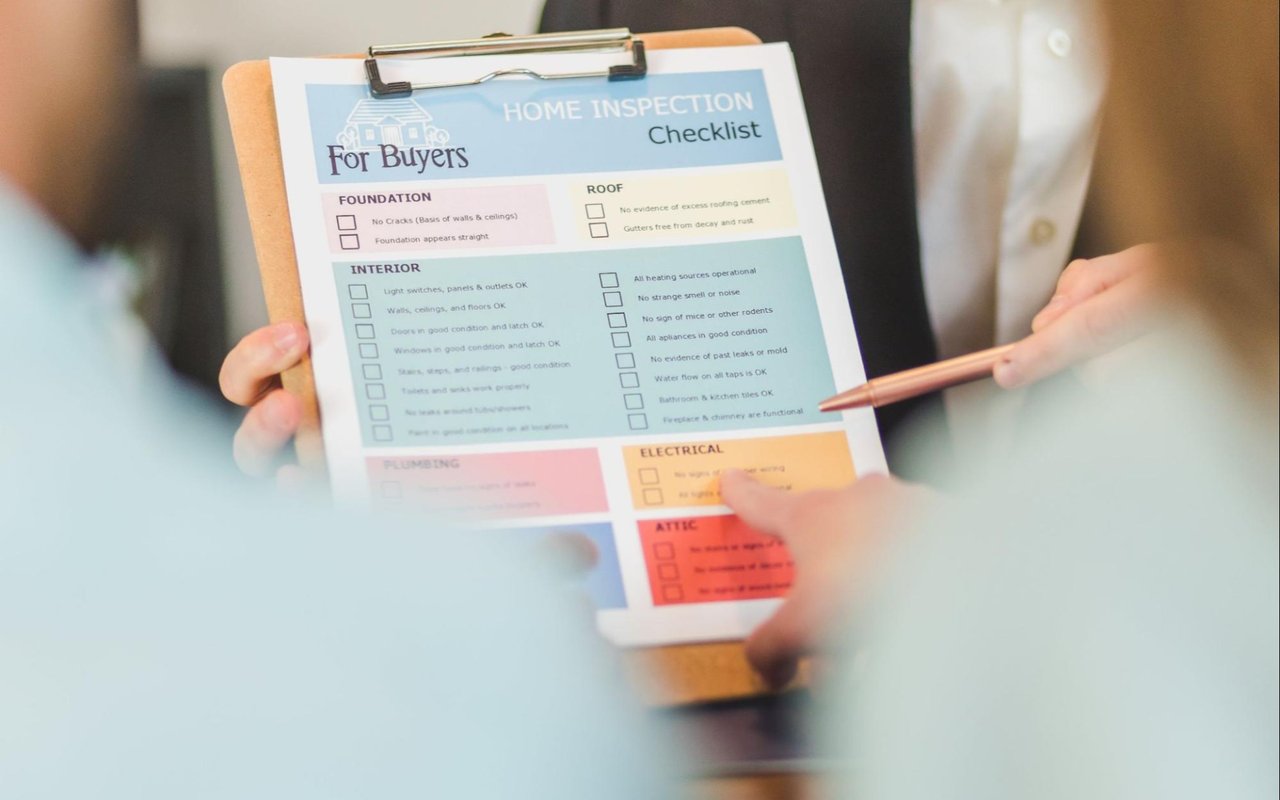
“Lock-and-leave” sounds simple, but in California it is really a governance question as much as an amenity question. Under California Civil Code section 4775, maintenance responsibilities often depend on whether something is common area, separate interest, or exclusive-use common area, unless the governing documents say otherwise.
That matters because some items that feel private may still fall under HOA rules or shared maintenance structures. The California Department of Real Estate notes that exclusive-use common area can include features like patios, balconies, private yards, driveways, windows, and exterior doors or related fixtures. In other words, you should never assume who handles what based on appearance alone.
HOA questions worth asking
If you want a desert home that is easy to own from Newport Coast, review the community documents carefully and ask practical questions early. California guidance also makes clear that CC&Rs and HOA rules vary by community.
Here are a few smart questions to ask before you buy:
- Who handles landscaping when the home is vacant?
- Who maintains private roads, gates, and shared roadways?
- Is there patrol, staffed entry, or roving community oversight?
- How is trash handled during longer owner absences?
- Who manages pool care for the property or common areas?
- How are homeowner notices and service updates communicated?
- Is there a homeowner portal for access, billing, or community updates?
These details often shape your ownership experience more than a brochure ever will. A beautiful home can still feel high-maintenance if the service structure is unclear.
Community models that support part-time ownership
Across the Coachella Valley, several community types can suit a Newport Coast owner looking for a desert counterpart. The key is not that one model is best for everyone. It is that each offers a different mix of privacy, services, and day-to-day simplicity.
Club community lifestyle
Some buyers want a residential setting tied closely to a private club environment. The Reserve Club in Indian Wells is one example of a private golf club and residential community with gated access and an exclusive Coachella Valley setting. For buyers who value a highly curated environment, that type of community can be appealing.
Managed golf communities
Indian Ridge in Palm Desert is a strong example of a community where the ownership structure can support seasonal use. Its official community resources include HOA news, a homeowner portal, gate access information, and a pool map, and the community newsletter notes HOA and landscape committee stewardship. For a part-time owner, those systems can be meaningful because they suggest organized communication and ongoing community management.
Resort-style gated neighborhoods
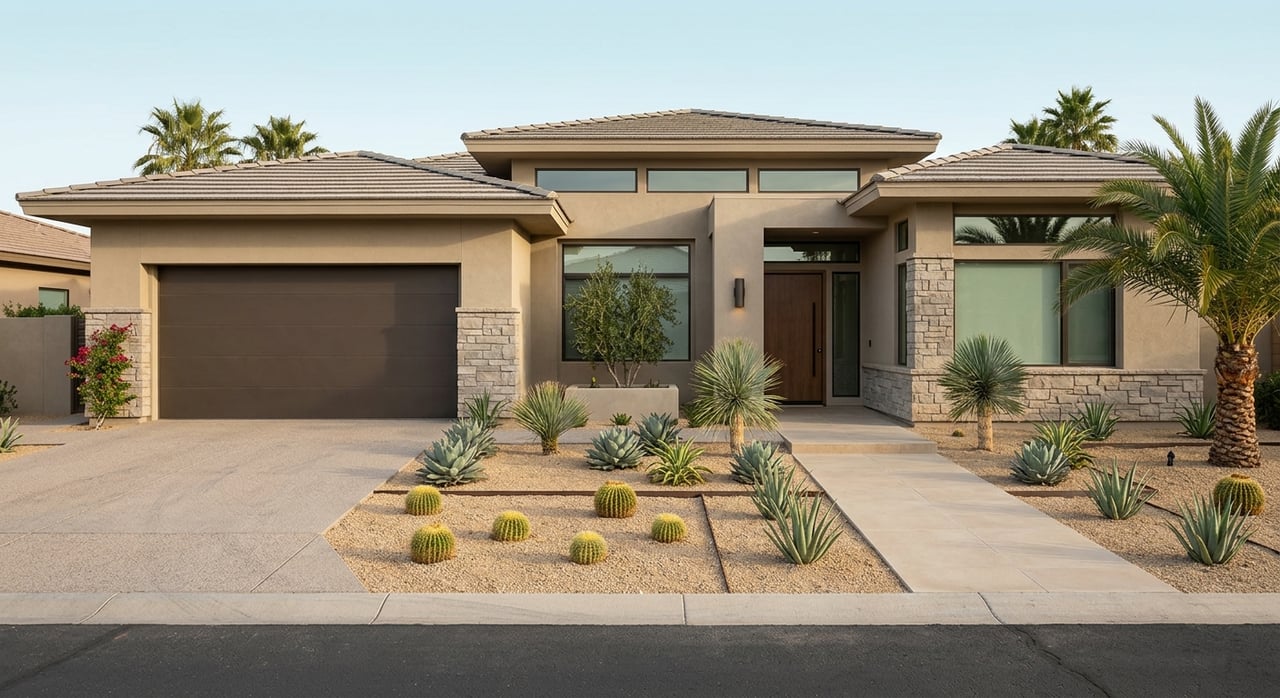
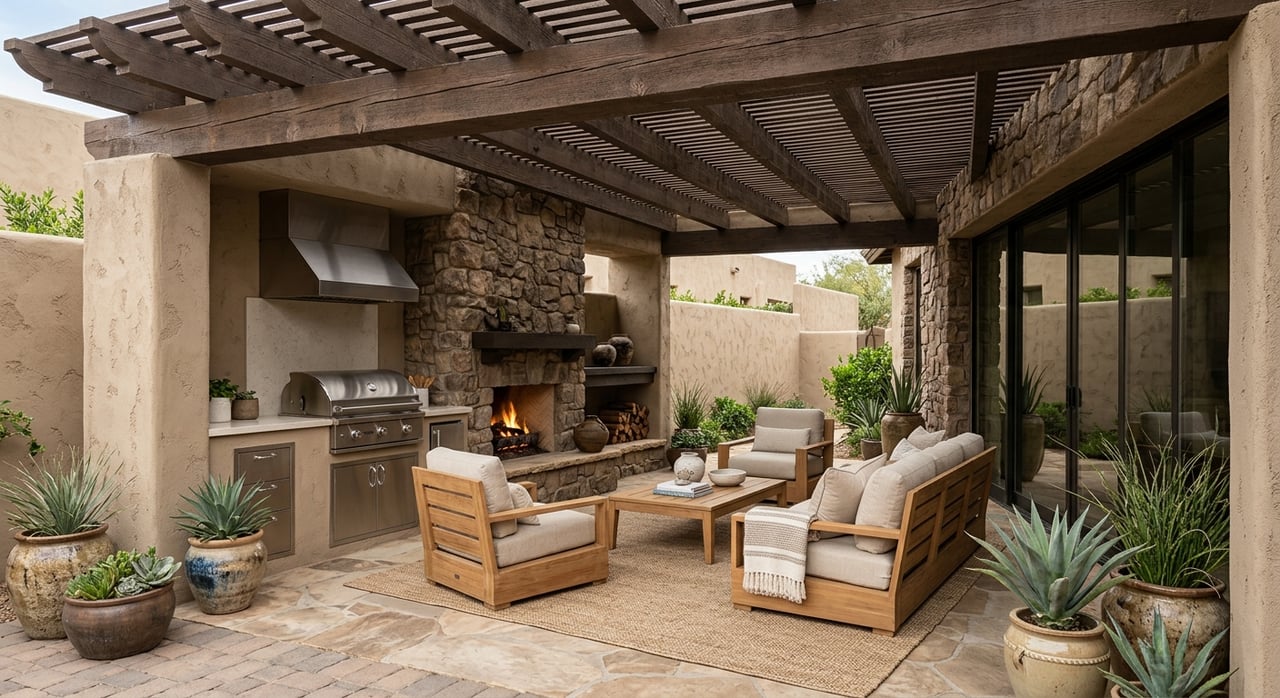
Palm Desert Resort Country Club reflects another useful model. The community highlights a gated entrance, a 24-hour attended gate, on-site management and support staff, professional landscaping services, multiple community pools and spas, and private roadways. Those are the kinds of service layers many second-home buyers look for when they want lower-friction ownership.
Active-adult managed communities
Sun City Palm Desert shows the active-adult version of managed seasonal living. The community describes itself as gated and patrolled, with guards, 24-hour roving patrol, golf, clubhouses, and pools. For some buyers, that broader amenity and operations base can reduce the amount of owner coordination needed between visits.
Matching the home type to your routine
The right desert retreat often depends on how you actually plan to use it. A buyer who wants quick weekend getaways may prioritize convenience and low exterior upkeep. A buyer planning longer winter stays may care more about floor plan, outdoor living, and community rhythm.
Here is a simple way to think about the options:
| Home type | Often appeals to buyers who want | Key point to verify |
|---|---|---|
| Condo | Lower-maintenance living and easier short stays | What the HOA maintains versus what you maintain |
| Club community home | A lifestyle centered on golf, amenities, and a managed setting | Access structure, services, and ongoing ownership expectations |
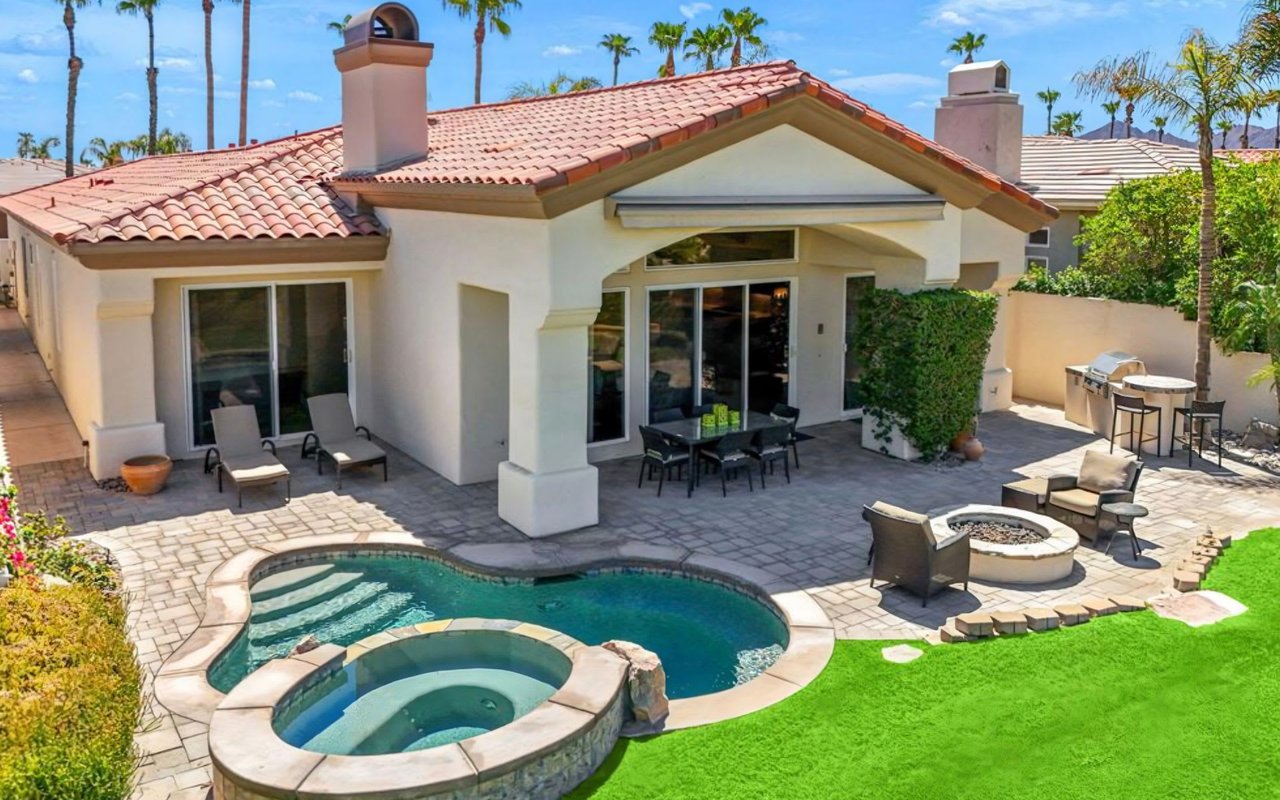
| Gated single-family home | More privacy and space with community controls | Exterior care, landscaping, and vacancy routines |
No matter the category, the details matter. A well-run community can make a second home feel far easier to own, especially when your primary base is in Orange County.
Why local guidance matters
When you are pairing a Newport Coast property with a desert home, you are not just buying square footage in a second market. You are evaluating lifestyle fit, governance, seasonal use, and the real-world ease of owning from a distance. That takes more than a quick online search.
It helps to work with a team that understands country club communities, gated neighborhoods, and the nuances between them. In the Coachella Valley, those differences can shape everything from your ownership costs to your day-to-day experience once the keys are in your hand.
A smart way to approach the search
If you are early in the process, start with your actual goals rather than a list of amenities. Think about when you would use the home, how often you want to drive out, and how much responsibility you want to keep versus delegate through the community structure.
Then narrow your search around three core questions:
- Do you want a winter-forward retreat, a weekend getaway, or both?
- Do you want a club-centered lifestyle or simply a well-managed gated setting?
- How important is true lock-and-leave convenience to your peace of mind?
Those answers will usually point you toward the right mix of location, property type, and community structure.
If you are exploring how a Newport Coast home could pair with a Coachella Valley retreat, the DWA Team can help you compare communities, evaluate ownership ease, and find a desert property that fits the way you actually want to live.
FAQs
How far is Newport Coast from Palm Desert for a second-home trip?
- Route estimates place Newport Coast about 111.2 miles from Palm Desert, or roughly 2 hours 1 minute, though real travel time can vary with traffic.
Which months are most comfortable for staying in the Coachella Valley?
- Based on climate normals, many owners would likely find late fall through spring more comfortable for longer stays, while peak summer is much hotter.
What does an HOA usually cover in a desert community?
- In California, maintenance duties often depend on whether an area is common area, separate interest, or exclusive-use common area, and the governing documents can change those responsibilities.
Why does lock-and-leave matter for a Newport Coast buyer?
- If you will be away from the desert home for stretches of time, clear systems for landscaping, gates, patrol, communication, trash, roads, and pool care can make ownership much easier.
What kinds of desert communities can suit part-time owners?
- Common options include condos, private club communities, and gated single-family neighborhoods, each with a different balance of services, privacy, and owner responsibility.
Are there Coachella Valley communities with on-site support and managed access?
- Yes, the research examples include communities with features such as attended gates, patrol, homeowner portals, on-site staff, professional landscaping, and shared amenities, though the exact setup varies by community.